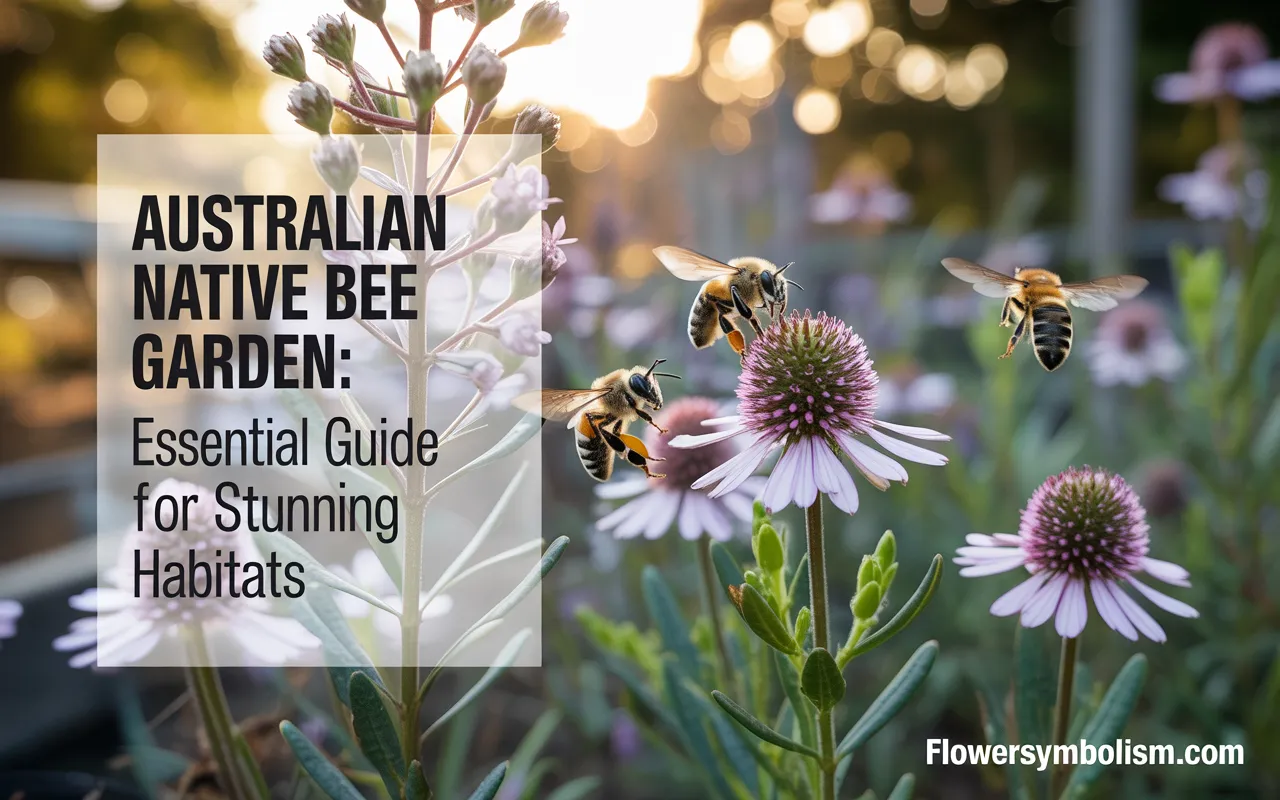
There’s a unique kind of magic that comes alive in a garden filled with the gentle buzz of native bees.
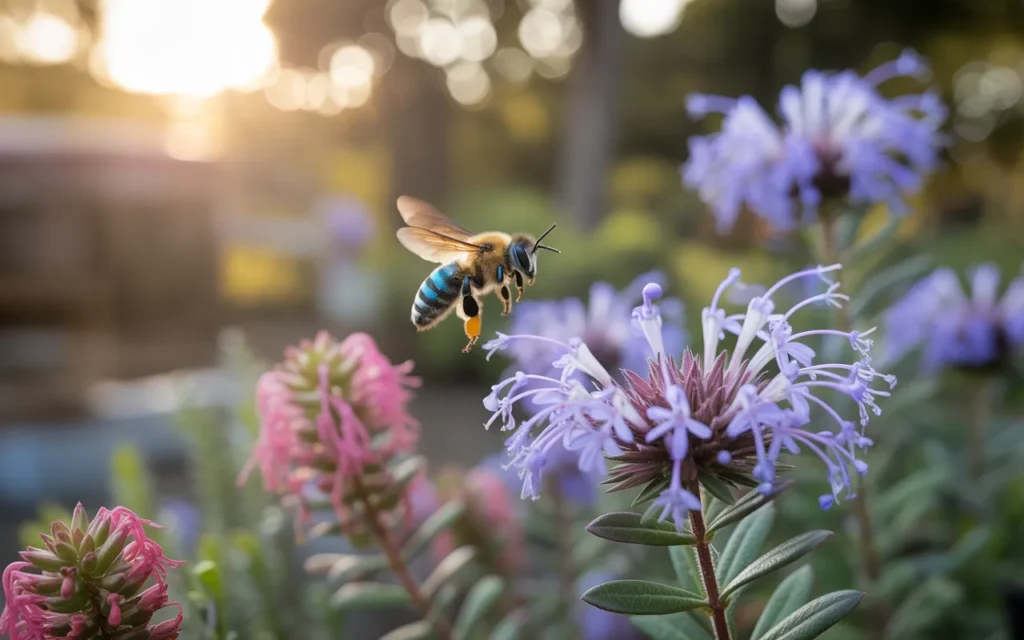
Australia is home to over 2,000 species of these incredible pollinators, from the fuzzy, blue-banded bee to the tiny, metallic-green carpenter bee.
Creating an Australian native bee garden is a beautiful way to support these vital local species and transform your yard into a stunning, living habitat that hums with life.
This guide will walk you through the essentials of planning and planting a thriving Australian native bee garden.
We’ll cover the best plants to choose, how to provide safe water and shelter, and other simple steps you can take to make your space a bee paradise.
Whether you have a large suburban block or a small city balcony, you can create a garden that makes a real difference.
Understanding Australia’s Native Bees
Before we dig in, it’s helpful to know a little about the guests you’re inviting. Unlike the well-known European honey bee, most Australian native bees are solitary. This means they don’t live in large hives.
- Solitary Nesters: About 70% of native bees nest in the ground, in tiny burrows they dig themselves. The other 30% are cavity nesters, making their homes in hollow, pithy stems or old beetle holes in wood.
- Gentle Nature: Most native bees are non-aggressive, and many are stingless or have a sting so small it has little effect on humans.
- Efficient Pollinators: Many native bees are “buzz pollinators,” meaning they can vibrate their bodies at a specific frequency to release pollen from flowers that other bees can’t access. They are essential for pollinating many of our unique native plants.
Creating a successful Australian native bee garden means providing for these specific needs.
Designing Your Australian Native Bee Garden
A great garden design for native bees focuses on providing a complete habitat: food, water, and shelter. You don’t need a huge space, just a thoughtful plan.
1. Plant a Diversity of Native Flowers
The cornerstone of any Australian native bee garden is a rich variety of flowering native plants. Different bees have different tongue lengths and preferences, so diversity is key. Aim for plants that will provide a continuous bloom from spring through autumn.
- Trees: Flowering gums (Eucalyptus and Corymbia) are a massive food source.
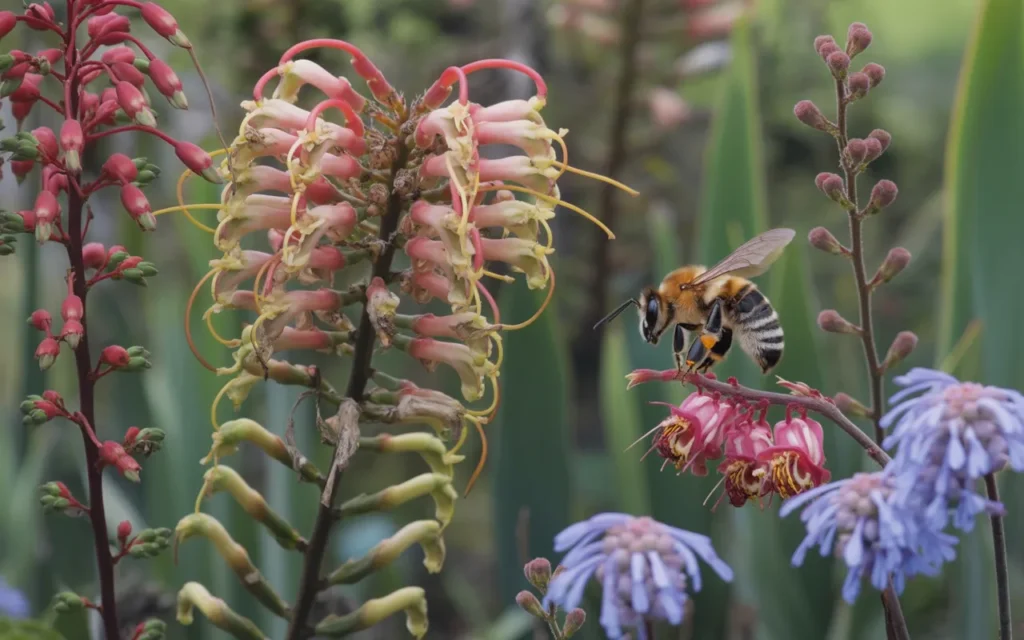
- Shrubs: Grevilleas, Callistemons (Bottlebrushes), and Leptospermums (Tea Trees) are absolute bee magnets.
- Groundcovers and Small Plants: Fan Flowers (Scaevola), Native Violets (Viola hederacea), and Cut-leaf Daisies (Brachyscome) are fantastic choices.
To keep track of your planting schedule and observations, a durable, waterproof notebook like the {Rite in the Rain Weatherproof Side-Spiral Notebook} is invaluable for taking notes right in the garden.
2. Provide a Safe Water Source
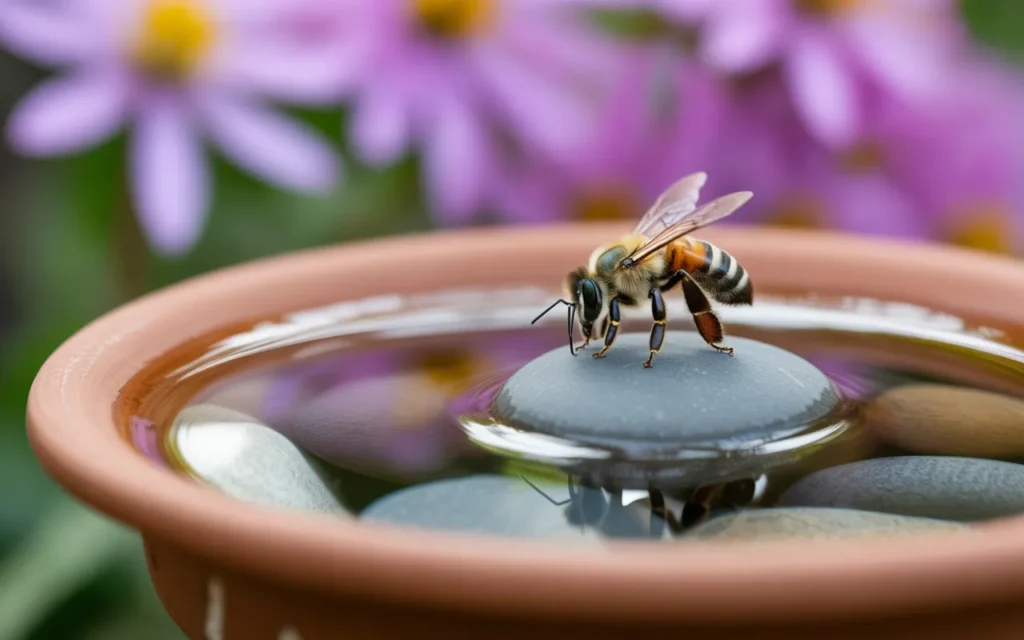
All bees need water, but they can easily drown in deep water sources like birdbaths or pools. Your Australian native bee garden plan should include a shallow, safe place for them to drink.
Create a simple bee bath by filling a shallow dish or terracotta saucer with water. Add a layer of pebbles, marbles, or small rocks that break the surface of the water.
This gives the bees a safe perch to land on while they drink. Place it in a visible, slightly sheltered spot among your flowers.
To keep your bee bath fresh and inviting, a simple brush like the {OXO Good Grips Bottle Brush} makes it easy to scrub the pebbles and dish clean.
3. Build a Bee Hotel for Cavity Nesters
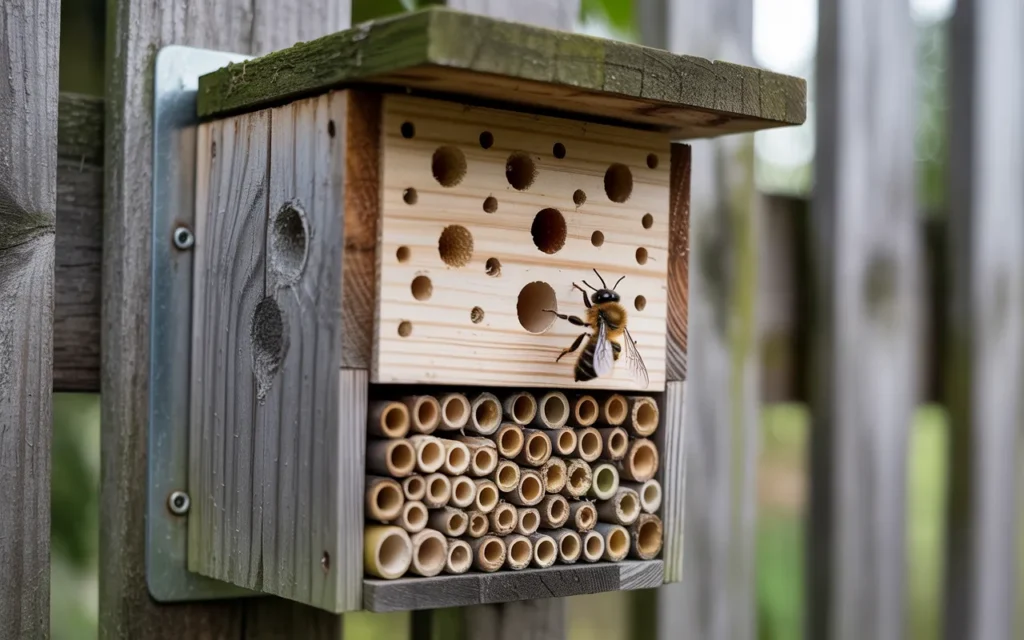
About 30% of our native bees, including resin bees and leafcutter bees, need pre-existing hollows to lay their eggs. A “bee hotel” is a wonderful piece of functional art for your garden that provides this essential habitat.
You can buy a pre-made bee hotel or make your own. A great DIY hotel can be made by drilling holes of various sizes (from 3mm to 10mm) into a block of untreated hardwood.
Don’t drill all the way through. Alternatively, you can bundle together hollow stems like bamboo or pruned raspberry canes.
Mount your hotel on a sunny, east-facing wall or fence post, protected from the rain. A sharp and reliable tool like the {Fiskars Bypass Pruning Shears} is perfect for making clean cuts on stems to use in your hotel.
4. Leave Some Bare Ground for Ground Nesters
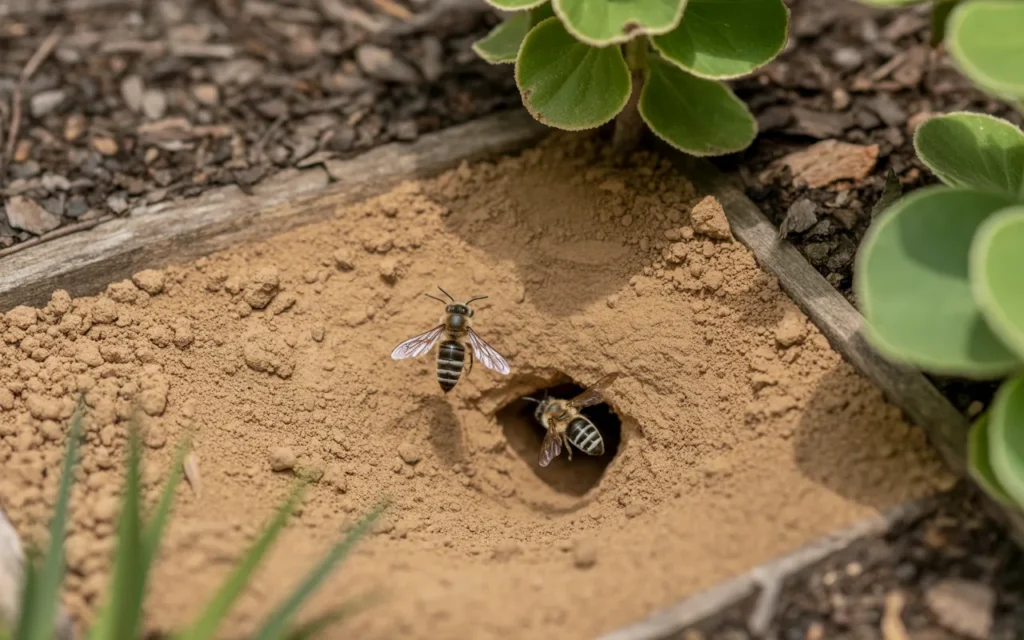
This is one of the simplest and most important things you can do in your Australian native bee garden.
The vast majority of our native bees, including the beautiful blue-banded bee, are ground nesters. They need access to patches of clear, undisturbed soil to dig their nests.
Avoid covering every square inch of your garden with thick mulch or lawn. Leave a few sunny, well-drained patches of bare soil.
A spot against a north-facing wall or a clay bank is often a prime location. You don’t need a large area; even a few small patches can make a big difference.
5. Embrace a Little “Mess”
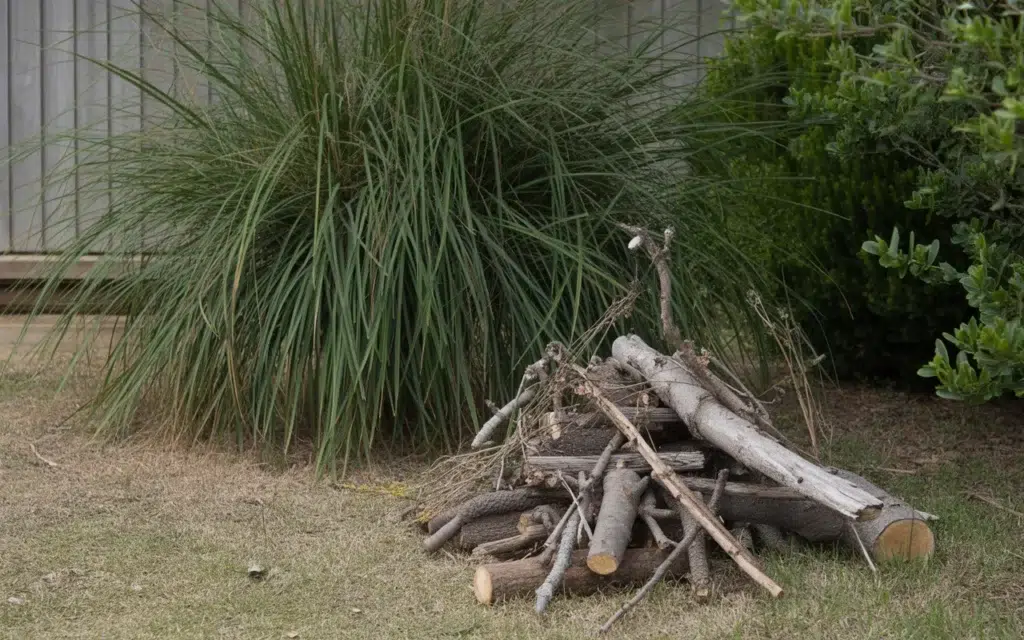
A perfectly tidy garden is often not a great wildlife habitat. A slightly “messy” Australian native bee garden provides more resources for nesting and overwintering.
- Leave the Stems: At the end of the season, leave the hollow, pithy stems of plants like kangaroo paw or pruned raspberry canes standing. Cavity-nesting bees will use these as nesting sites.
- Create a Log Pile: A small pile of logs or branches in a quiet corner provides shelter and potential nesting sites for certain bees and other beneficial insects.
- Rake Less: A light layer of leaf litter provides shelter for queen bees and other insects during colder months.
A good pair of all-purpose gloves like the {G & F Products Garden Gloves} is essential for protecting your hands while you gather logs or do seasonal cleanup.
6. Create a Container Garden Oasis
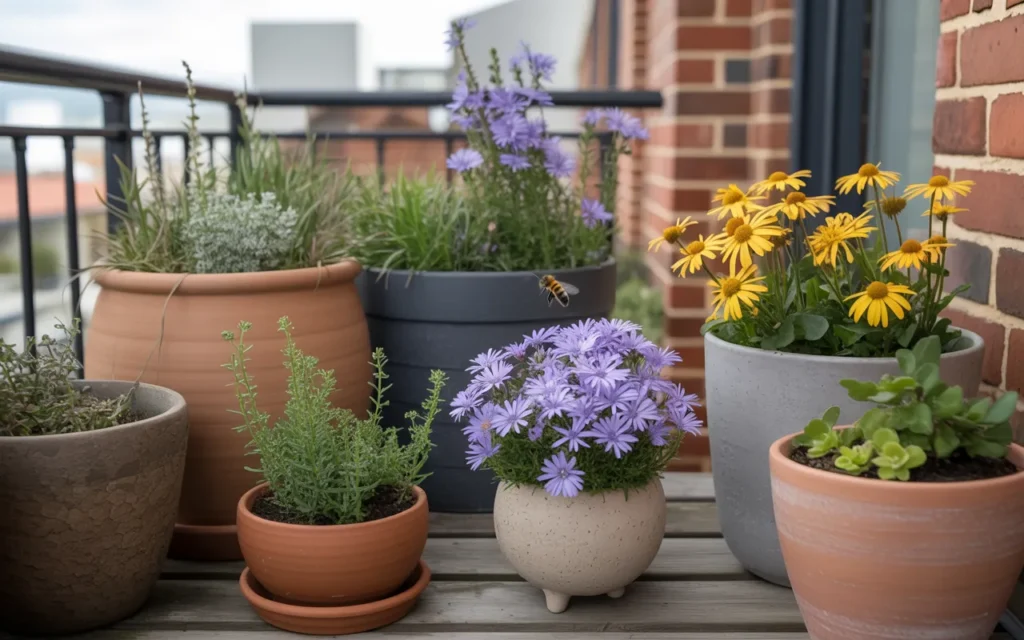
You don’t need a big backyard to have an Australian native bee garden. A balcony or patio filled with pots can be a vital food source for urban bees. The key is to choose a variety of plants and pot sizes.
Use a premium potting mix like {Miracle-Gro Potting Mix} to give your plants the best start. Choose compact native plants that do well in pots, such as:
- Scaevola (Fan Flower): A beautiful trailing plant with purple or blue flowers.
- Brachyscome (Cut-leaf Daisy): A cheerful, long-flowering daisy.
- Chrysocephalum (Everlasting Daisy): Offers clusters of bright yellow flowers.
- Dwarf Callistemon or Grevillea: Many compact varieties are now available.
Product Recommendations for Your Native Bee Garden
Here is a quick summary of the helpful tools and products mentioned to help you create a thriving habitat.
| Product Name | Brand | Use in the Garden |
|---|---|---|
| Weatherproof Side-Spiral Notebook | Rite in the Rain | Plan your garden layout and take notes on bee activity. |
| Good Grips Bottle Brush | OXO | Keeps your bee bath clean and inviting for thirsty pollinators. |
| Bypass Pruning Shears | Fiskars | For making clean cuts on stems to use in your bee hotel. |
| Garden Gloves | G & F Products | Protects your hands while gathering logs or working in the soil. |
| Potting Mix | Miracle-Gro | Provides essential nutrients for a thriving container bee garden. |
Your Stunning Australian Native Bee Garden Awaits
Creating a garden for our native bees is a journey of discovery. By implementing even a few of these ideas, you can make a significant, positive impact on local pollinator populations. Start small, observe which bees visit your yard, and slowly add more of the plants and features they are drawn to.
Your reward will be a garden that is not only stunningly beautiful but also buzzing with the life of Australia’s unique and precious native bees.
You are not just planting flowers; you are creating a living, breathing sanctuary for wildlife and a peaceful, enchanting space for yourself to enjoy. So grab your gloves and get ready to create a garden that truly matters.
