
There is a certain regality to the iris that few other flowers can match. With their ruffled petals, intricate beards, and striking sword-like foliage, they stand tall in the garden like jewels. For gardeners seeking the very best genetics and most stunning varieties,
White Flower Farm Iris Bulbs (technically rhizomes) have long been a gold standard. Known for their exceptional quality and vigorous growth, these irises can transform a simple backyard border into a show-stopping display.
If you’ve been dreaming of adding these elegant blooms to your landscape but aren’t sure where to start, you are in the right place.
Growing irises is surprisingly easy, and the rewards are magnificent. Whether you love the classic deep purples or want to experiment with modern bi-colors, there is an iris for every taste. Here is your guide to selecting, planting, and caring for these exquisite varieties.
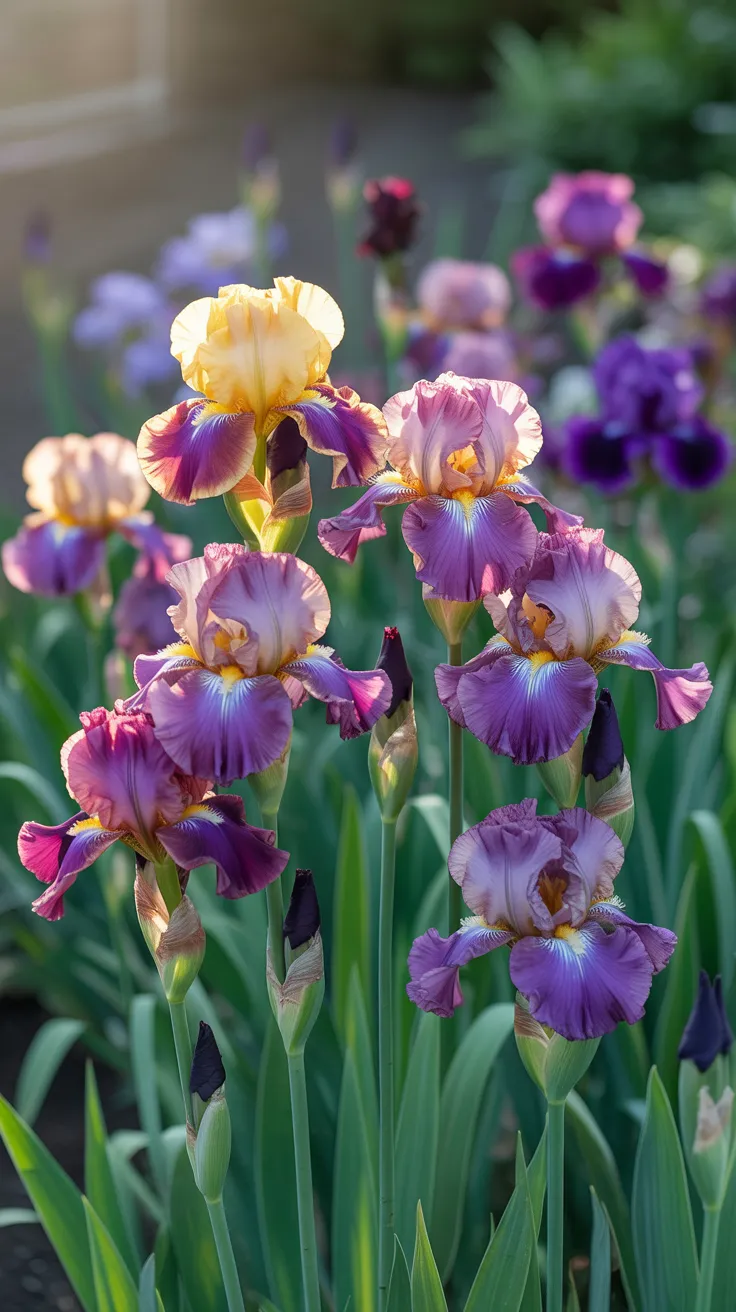
1. Understanding the “Bulb” vs. Rhizome Distinction
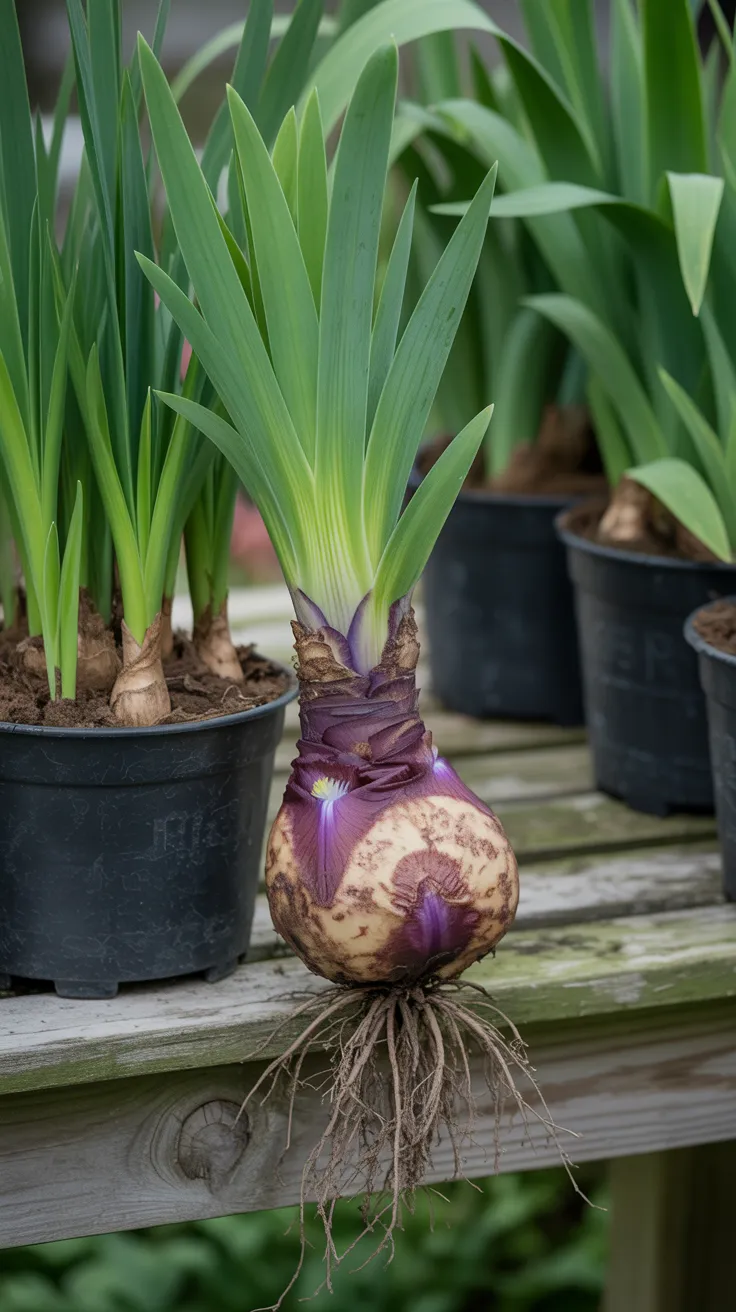
When we talk about White Flower Farm Iris Bulbs, it is important to note that most garden irises, specifically the popular Bearded Iris, actually grow from rhizomes. A rhizome is a thick, fleshy stem that grows horizontally just along the surface of the soil.
Understanding this anatomy is crucial for planting success. Unlike a tulip bulb that gets buried deep underground, an iris rhizome needs to feel the sun on its “back.” When you receive your order, you’ll see a potato-like structure with roots hanging down. That top potato part needs to stay visible!
2. Choose the Right Variety for Your Zone
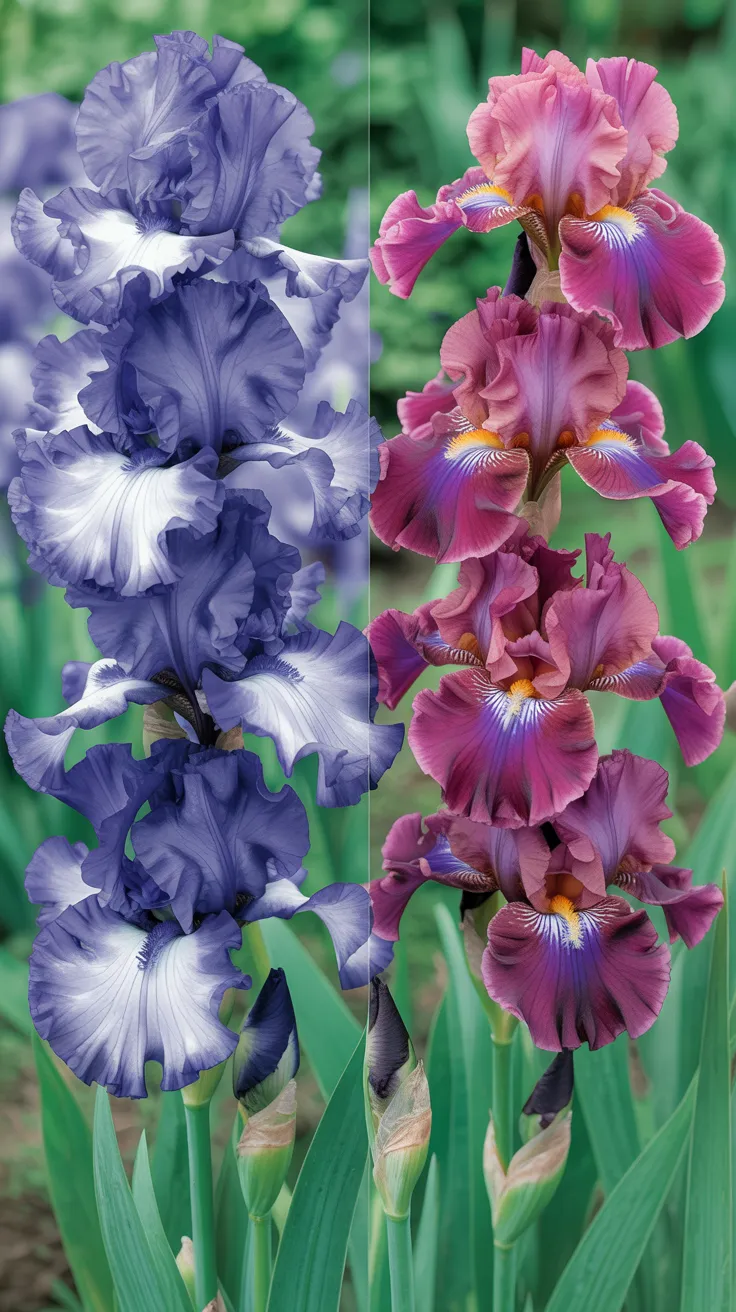
White Flower Farm offers an incredible array of iris types, but the most popular for dramatic garden displays are the Tall Bearded Irises. These giants can grow up to 3-4 feet tall and bloom in late spring.
However, if you want to extend your bloom season, look for “Reblooming” varieties. These hardworking plants put on a show in the spring and then delight you with a second flush of flowers in late summer or fall. Checking your USDA hardiness zone is key to ensuring your choice will thrive.
3. The “Sunny Spot” Rule
Irises are sun-worshippers. To get those massive, ruffled blooms that White Flower Farm Iris Bulbs are famous for, you need to provide them with at least 6 to 8 hours of direct sunlight per day.
If planted in too much shade, they will produce lush green leaves but very few flowers. They also demand well-draining soil. If your garden has heavy clay, amending the soil is non-negotiable. Using a sturdy {Fiskars Garden Fork} to loosen the earth and mix in compost will ensure the drainage these beauties crave.
4. Planting Depth: Don’t Bury Them Alive!
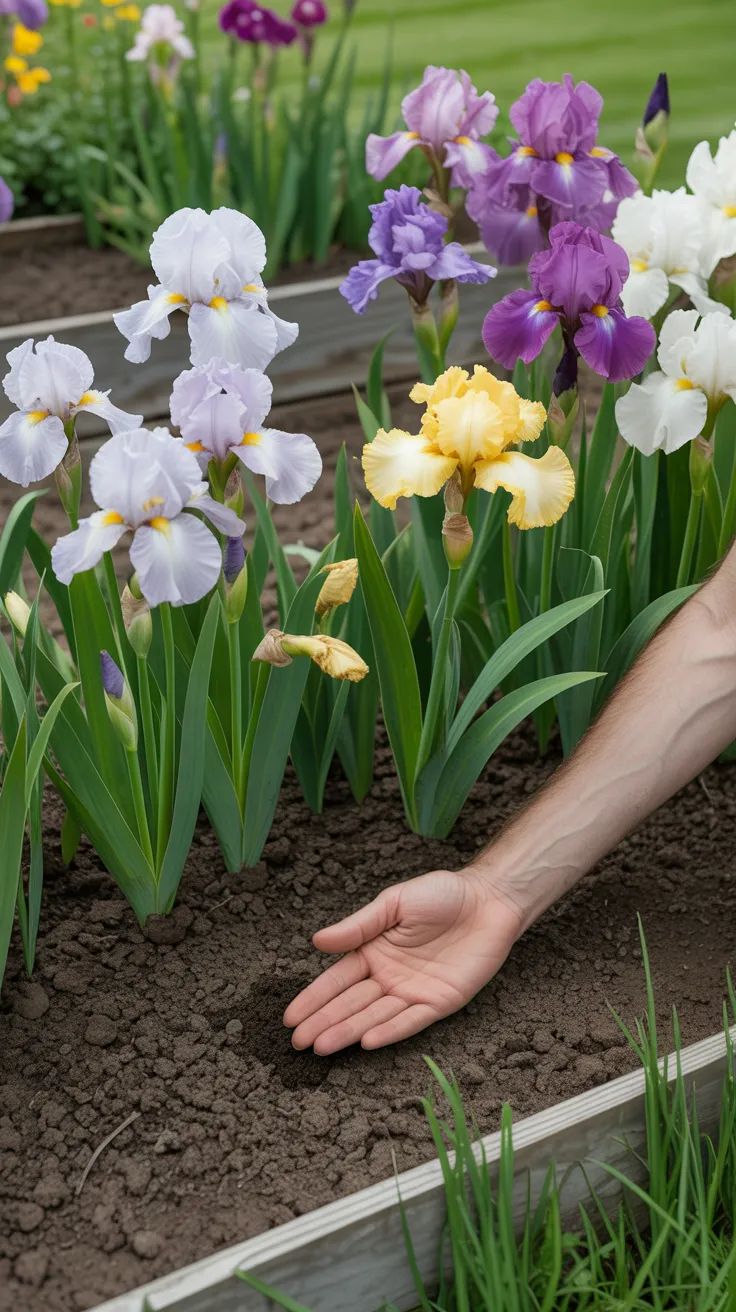
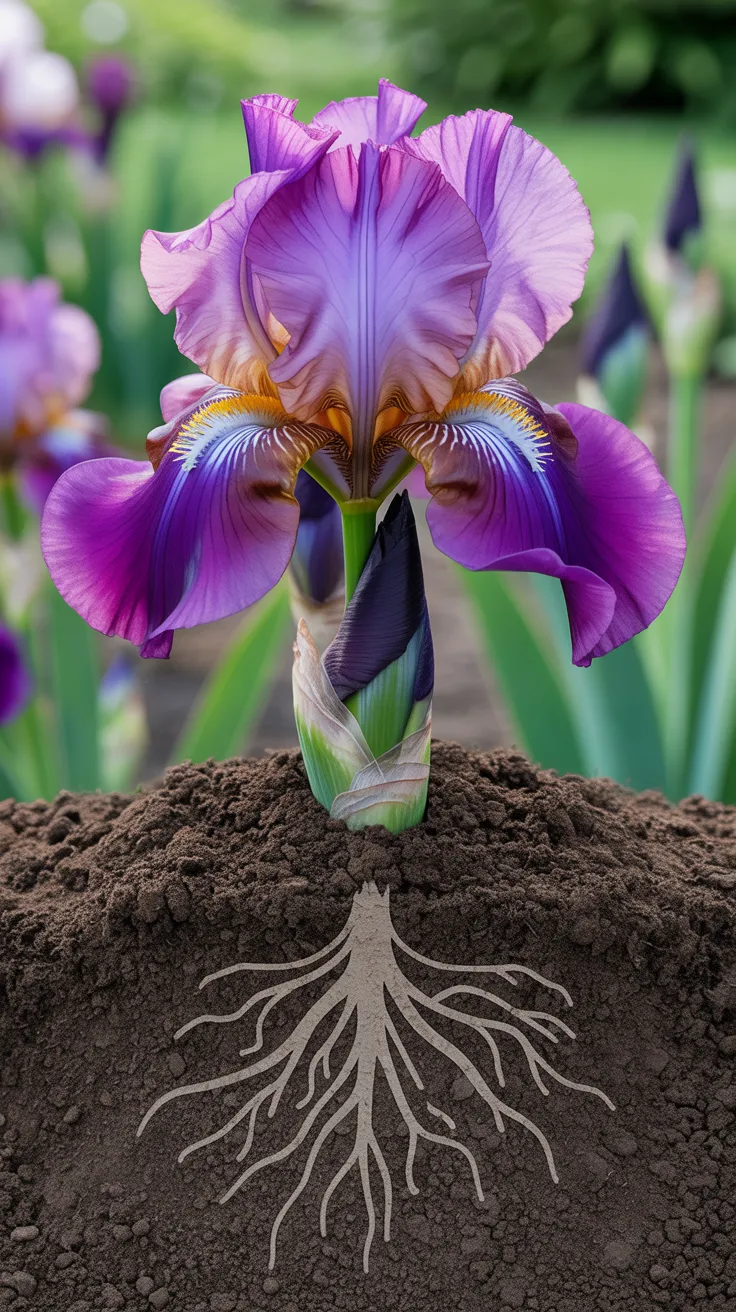
This is the number one mistake beginners make with irises. Remember the rhizome rule? The top of the rhizome should be slightly exposed or just barely covered with soil in very hot climates.
Dig a shallow hole and create a small mound of soil in the center. Place the rhizome on top of the mound, spreading the roots down the sides like a skirt. Fill the hole, firming the soil around the roots, but leave the top of the rhizome visible.
5. Give Them Room to Breathe
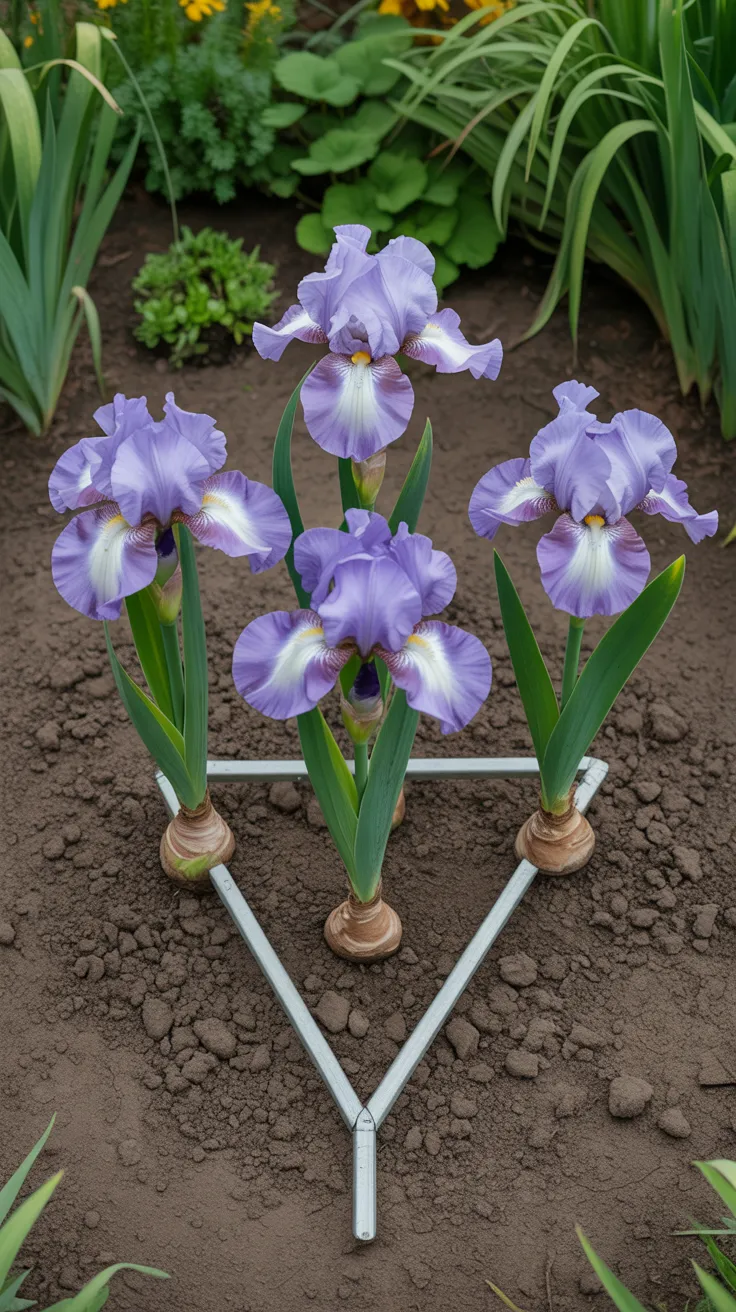
Irises appreciate good air circulation. When planting your White Flower Farm Iris Bulbs, space them about 12 to 24 inches apart. This might look sparse at first, but irises multiply quickly.
Proper spacing prevents fungal diseases and gives the rhizomes room to expand without getting crowded too soon. If you are planting a large drift, having a comfortable {Garden Kneeler and Seat} will save your knees as you space out your rhizomes perfectly.
6. Water Wisely
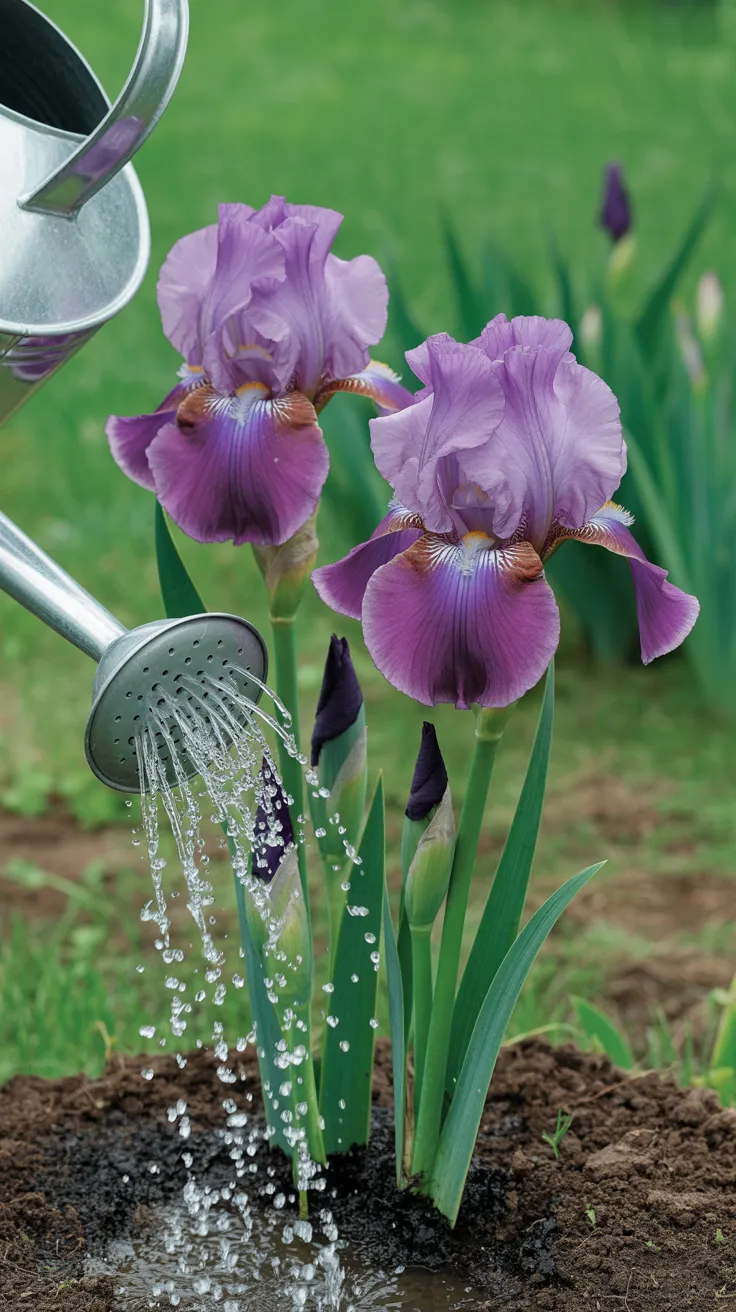
Newly planted irises need moisture to establish their root systems. Water them thoroughly immediately after planting. However, once established, irises are quite drought-tolerant.
Overwatering is the enemy. It can lead to soft, mushy rhizomes (rot). Water deeply but less frequently, allowing the soil to dry out slightly between waterings. A simple {Raindrip Automatic Watering Kit} can help you target the water at the roots without soaking the foliage, which helps keep the leaves healthy.
7. The Art of Deadheading
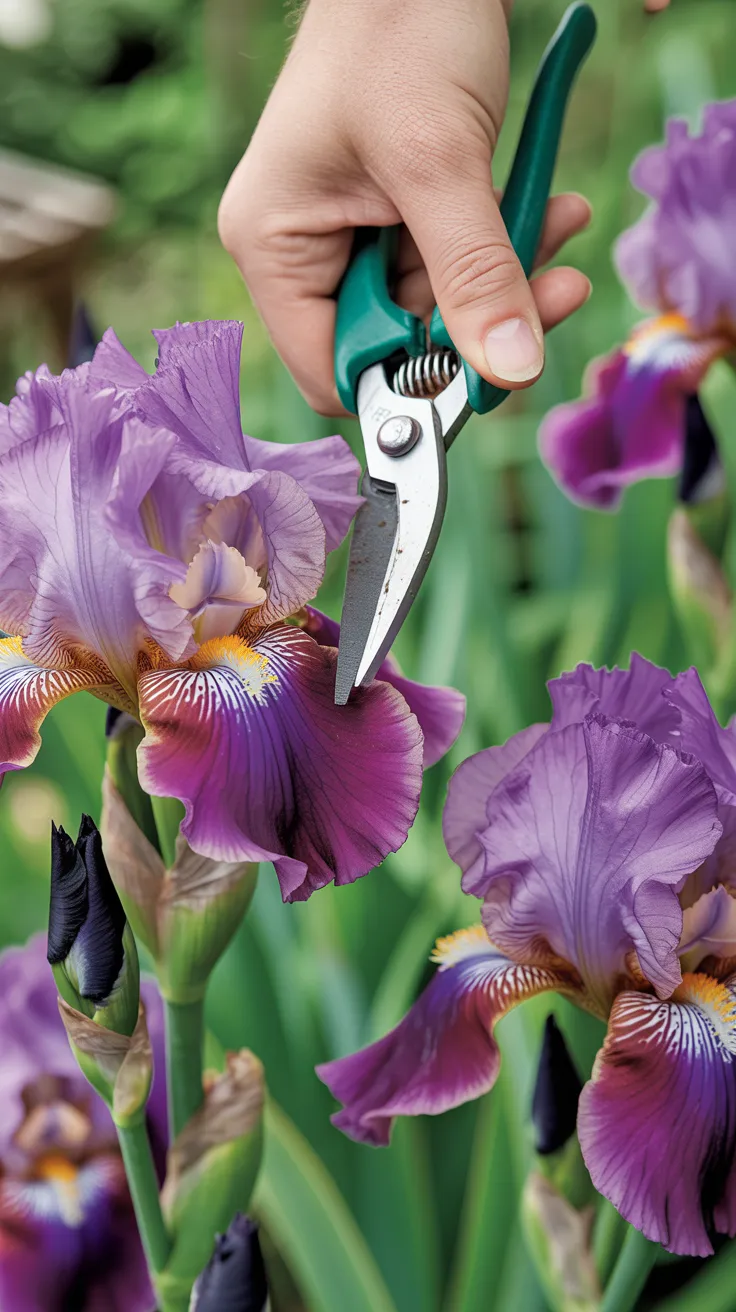
To keep your garden looking tidy and force the plant’s energy back into the rhizome rather than seed production, you should “deadhead” spent blooms.
Once a flower fades, snip it off. When the entire stalk has finished blooming, cut the stalk down to the base of the plant. A sharp, precise pair of {Gonicc Professional Pruning Shears} makes this task quick and clean, preventing jagged cuts that could invite pests.
8. Divide and Conquer
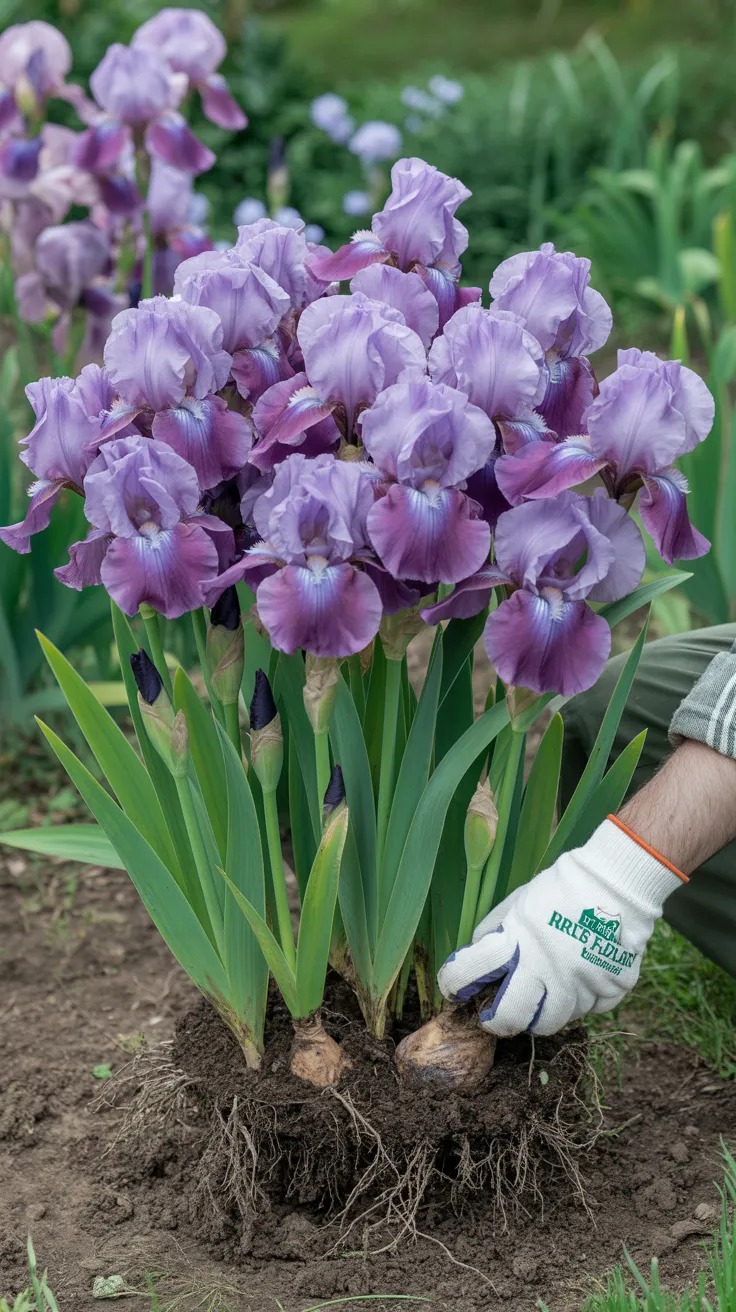
One of the best things about investing in White Flower Farm Iris Bulbs is that they are the gift that keeps on giving. Every 3 to 4 years, your iris clumps will become crowded, and blooming may decrease.
This is the time to divide them. Dig up the entire clump in late summer, cut the rhizomes apart with a sharp knife (discarding the old, woody center), and replant the fresh, healthy outer rhizomes. It’s essentially free plants!
9. Keep the Weeds at Bay
Because iris rhizomes sit on the surface, they don’t like competition from weeds, which can shade them and steal nutrients. However, you have to be careful when weeding so you don’t damage the shallow roots.
Hand-weeding is best around the base of the plant. For the surrounding area, a tool like the {Hori Hori Garden Knife} is incredible for precision weeding without disturbing the iris roots.
10. Inspect for Borers
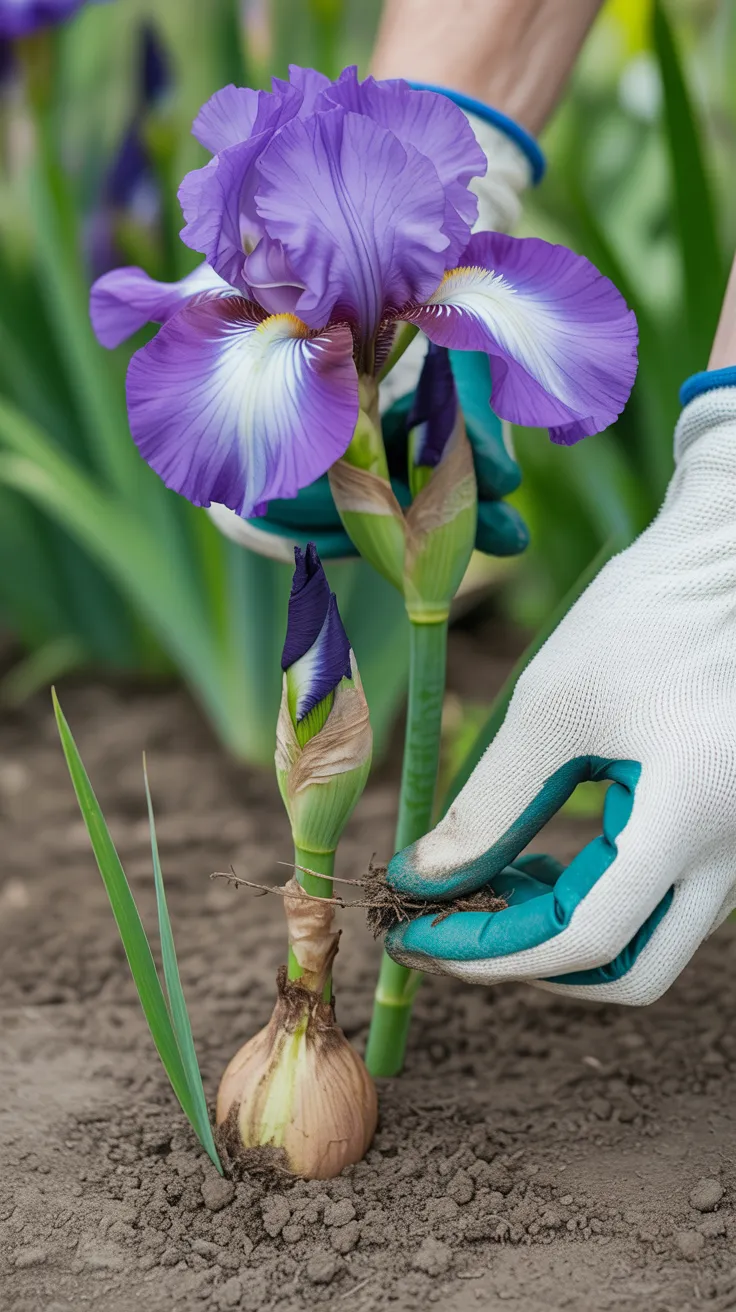
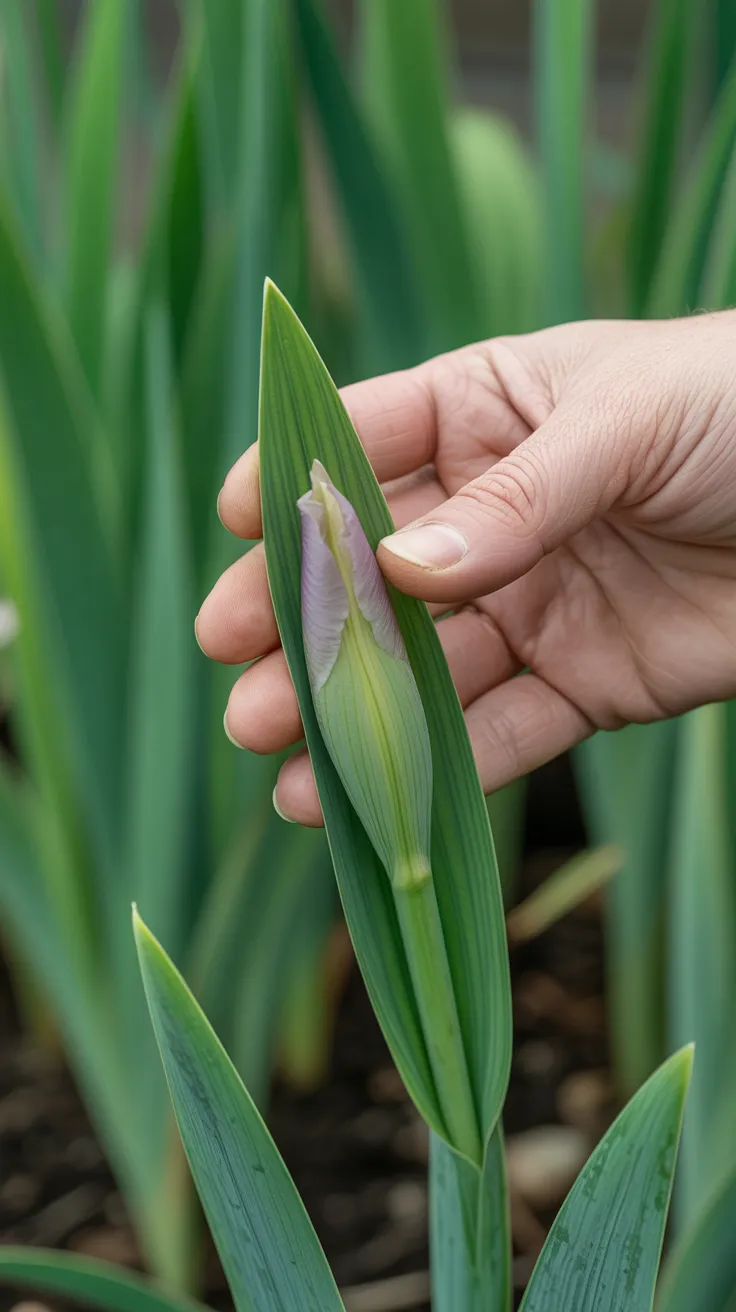
The Iris Borer is the most common pest for these plants. They chew into the leaves and travel down to the rhizome, causing rot. Keep an eye out for vertical streaks on the leaves or chewed edges.
Prevention is key. Remove all dead foliage in the late fall to destroy any eggs laid on the leaves. Keeping your garden bed clean is the best defense. Wearing a pair of {COOLJOB Gardening Gloves} protects your hands while you do this essential autumn cleanup.
11. Feeding for Flowers
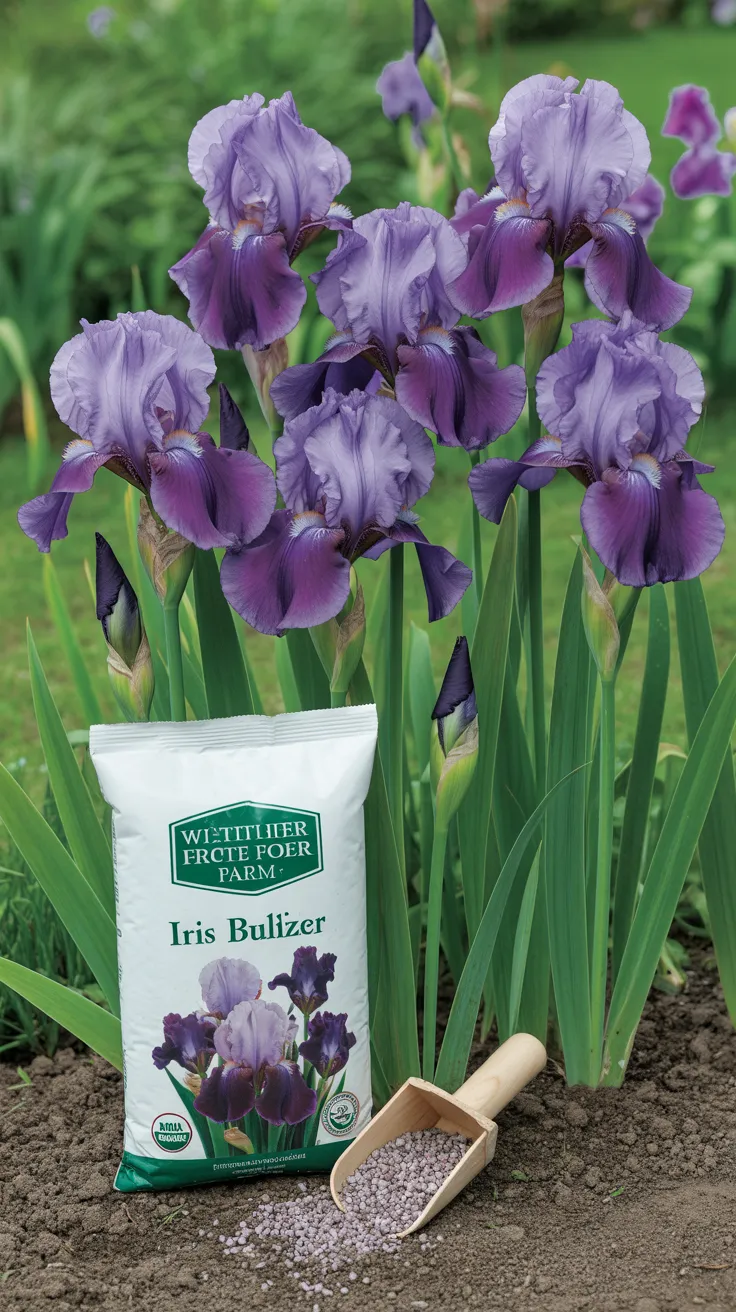
To support the massive blooms of tall bearded irises, a little nutrition helps. But be careful—high nitrogen fertilizers encourage leaf growth at the expense of flowers and can lead to rot.
Use a low-nitrogen fertilizer, or a balanced formula like {Espoma Organic Bulb-tone}. Apply a dusting around the base of the plants in early spring when new growth appears, and again just after blooming finishes.
12. Design with Companion Plants
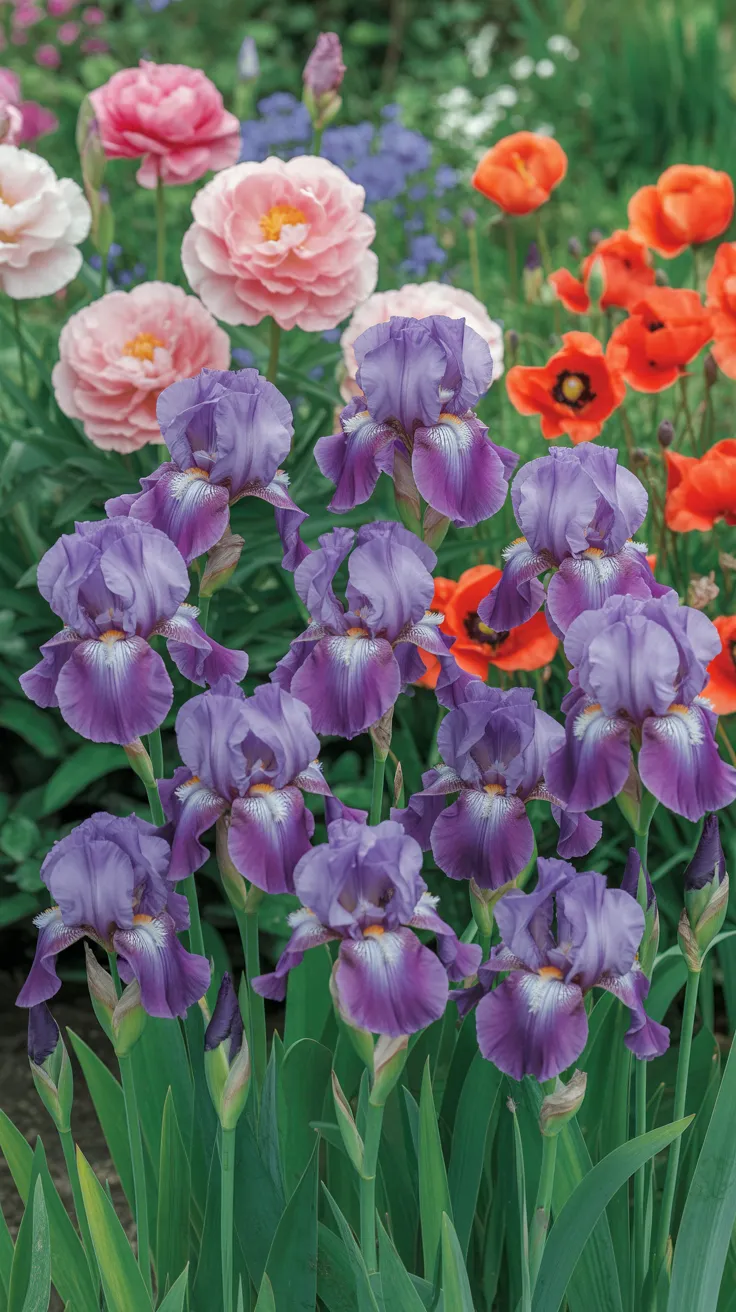
While irises are stunning on their own, they look even better with friends. Pair your White Flower Farm Iris Bulbs with perennials that bloom at the same time or offer contrasting foliage.
Peonies, poppies, and lupines make excellent companions. The lacy foliage of poppies contrasts beautifully with the sword-like iris leaves. Designing a mixed border ensures that when the irises fade, other plants take center stage.
Recommended Products for Your Iris Garden
| Product | Use Case |
|---|---|
| {Fiskars Garden Fork} | Essential for loosening heavy soil and mixing in compost for drainage. |
| {Garden Kneeler and Seat} | Saves your knees and back during planting and dividing sessions. |
| {Raindrip Automatic Watering Kit} | Provides deep, targeted watering without wetting the foliage. |
| {Gonicc Professional Pruning Shears} | Perfect for clean deadheading and cutting back foliage. |
| {Hori Hori Garden Knife} | A versatile tool for dividing rhizomes and precision weeding. |
| {COOLJOB Gardening Gloves} | Protects hands during fall cleanup and pest inspection. |
| {Espoma Organic Bulb-tone} | Provides the right nutrient balance without excessive nitrogen. |
A Garden of Elegance
There is a reason White Flower Farm Iris Bulbs are coveted by gardeners across the country. They offer a blend of hardiness and breathtaking beauty that is hard to beat. By following these simple planting and care tips, you are setting the stage for a spring spectacle that will return year after year.
So go ahead, pick out that deep velvet purple or that soft sunrise peach variety. With a little patience and care, your garden will soon be the envy of the neighborhood.
