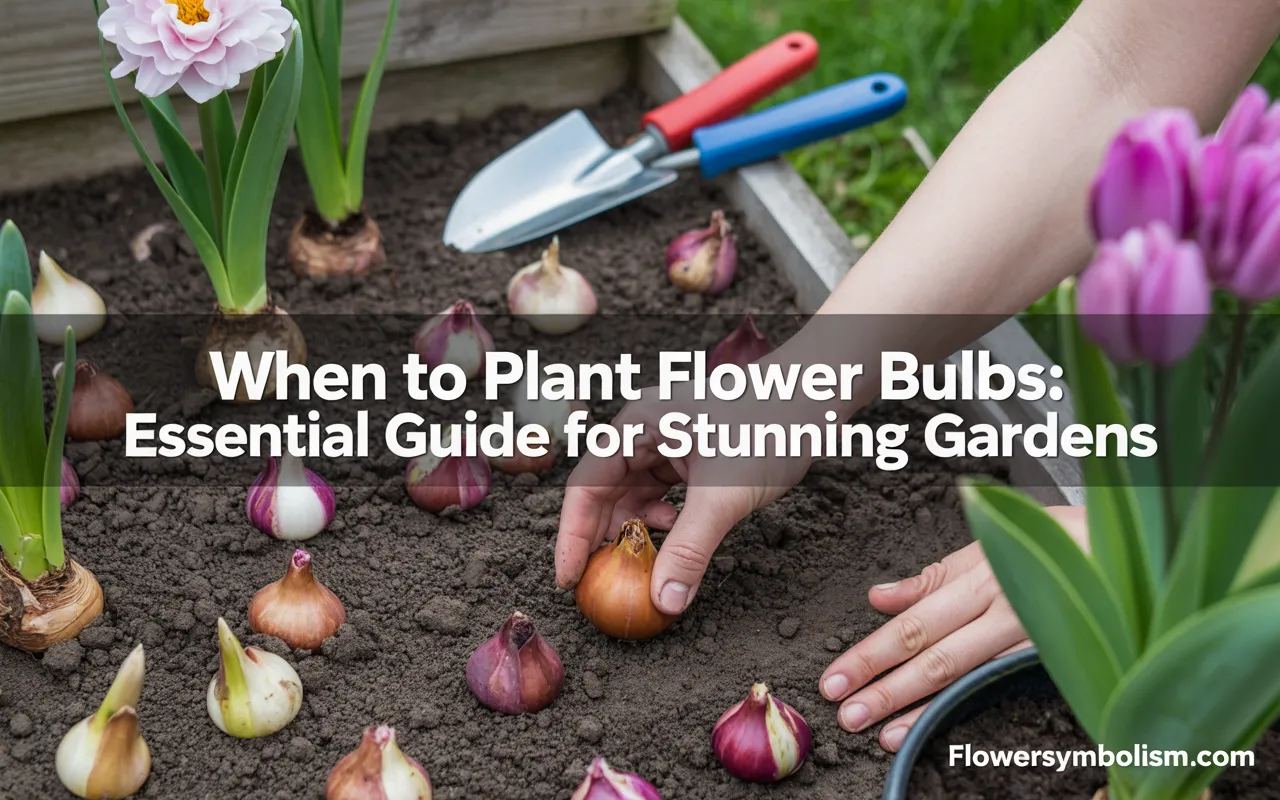
One of the biggest secrets to a breathtaking garden is surprisingly simple: timing. For flower bulbs, planting them at the right moment is the single most important factor for success. It’s a common question for new gardeners, and getting it right can feel a little mysterious. The good news is that understanding when to plant flower bulbs is much easier than you think.
Bulbs operate on an internal clock, guided by the seasons. Some need a long winter nap to bloom in spring, while others crave the summer heat to put on their show.
Planting at the right time ensures they wake up on schedule, ready to burst into color. This guide will demystify the process, helping you plant with confidence and create a garden that blooms beautifully year after year.
1. The Two Main Planting Seasons
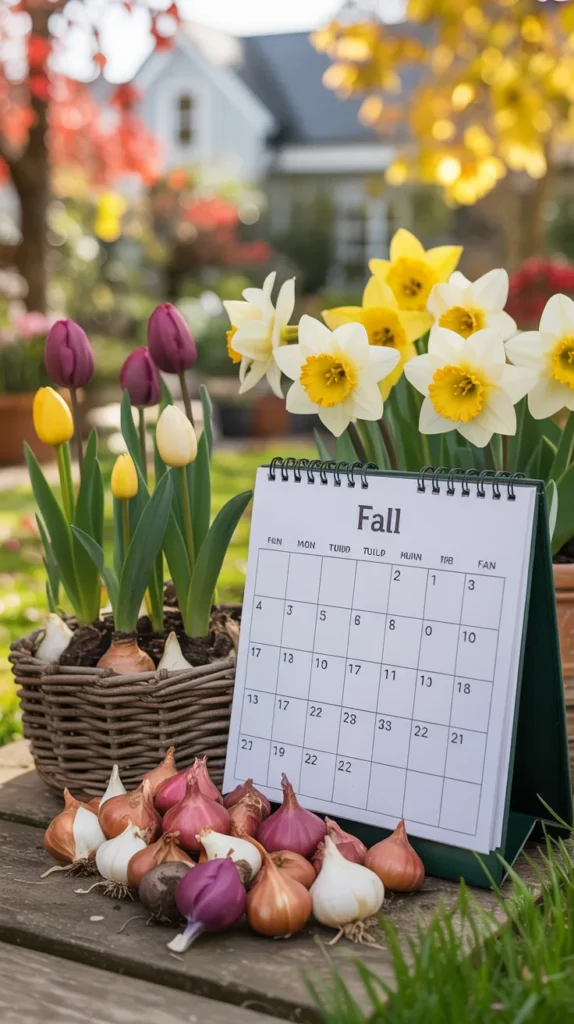
The world of bulbs is divided into two major planting seasons: fall and spring. This is the first and most important distinction to understand when planning your garden.
Fall-planted bulbs are the ones that flower in the spring. Think of daffodils, tulips, crocuses, and hyacinths. They need a long period of cold temperatures (a process called vernalization) to trigger their bloom cycle.
Spring-planted bulbs are those that flower in the summer. This group includes dahlias, gladiolus, cannas, and lilies. They are often tender and cannot survive a cold winter in the ground in most climates.
2. Planting Fall Bulbs: The “Sweater Weather” Rule
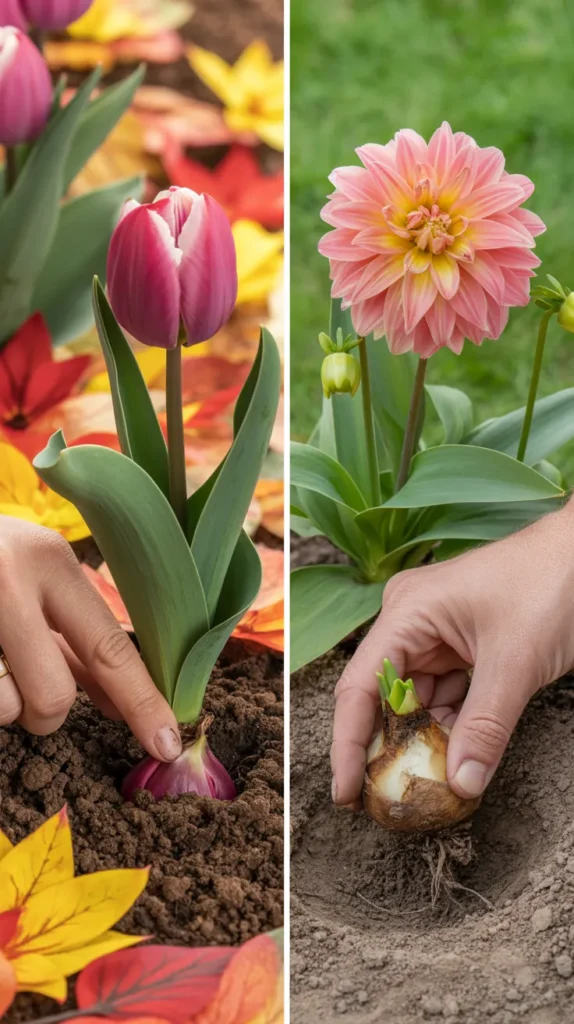
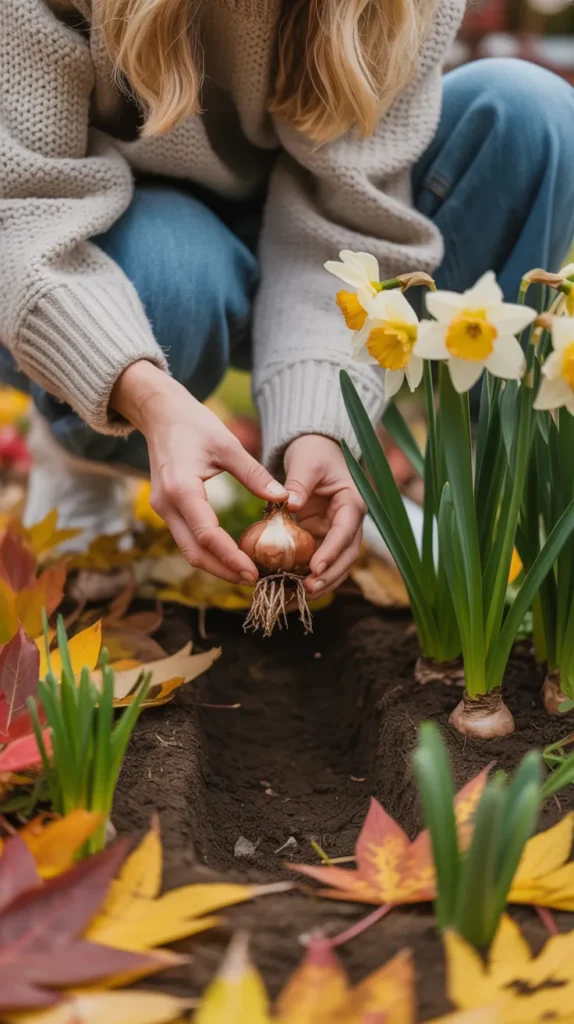
For spring-flowering bulbs, the perfect planting window is in the autumn. The key is to plant them when the soil has cooled down but before it freezes solid.
A good rule of thumb is to plant when nighttime temperatures are consistently in the 40-50°F range. This is often “sweater weather,” typically from September to November, depending on your region.
Planting too early when the soil is warm can cause the bulbs to sprout prematurely. Planting too late, after the ground is frozen, prevents them from establishing roots before winter.
Using a {Govee Bluetooth Thermometer} with a soil probe can give you an exact reading of your soil temperature, taking the guesswork out of the equation.
3. Understanding Your USDA Hardiness Zone
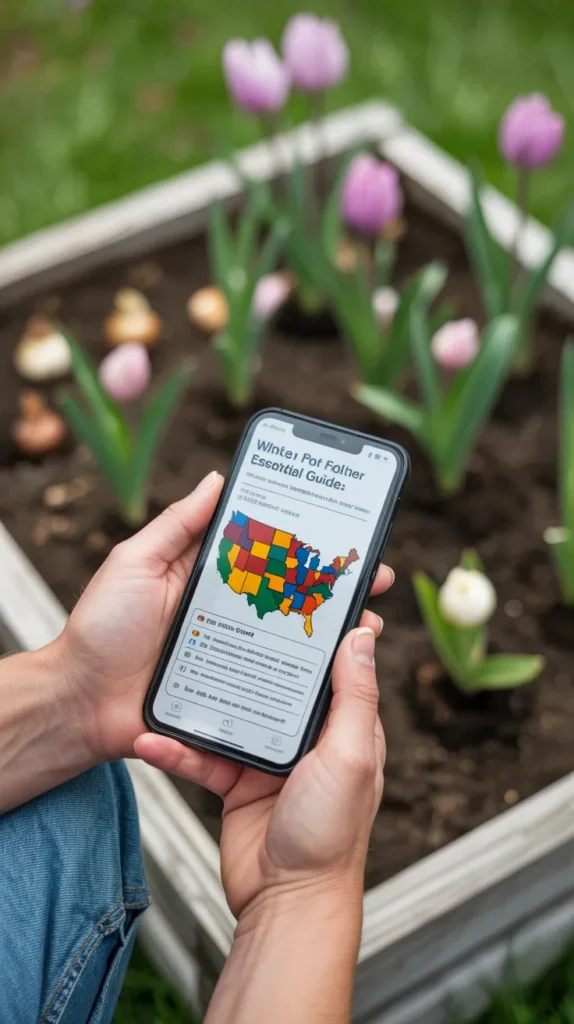
The United States is divided into different climate zones, known as USDA Hardiness Zones. Knowing your zone is crucial for determining when to plant flower bulbs.
For fall planting, northern zones (3-5) might plant in September or October. Mid-country zones (6-7) often plant in October or November. Southern zones (8-10) might wait until December or even January, and may need to purchase “pre-chilled” bulbs that have been artificially given a cold period.
4. Planting Spring Bulbs: After the Last Frost
For summer-flowering bulbs like dahlias and gladiolus, the rule is simple: plant them in the spring after all danger of frost has passed. These tender bulbs love warmth and will rot if planted in cold, wet soil.
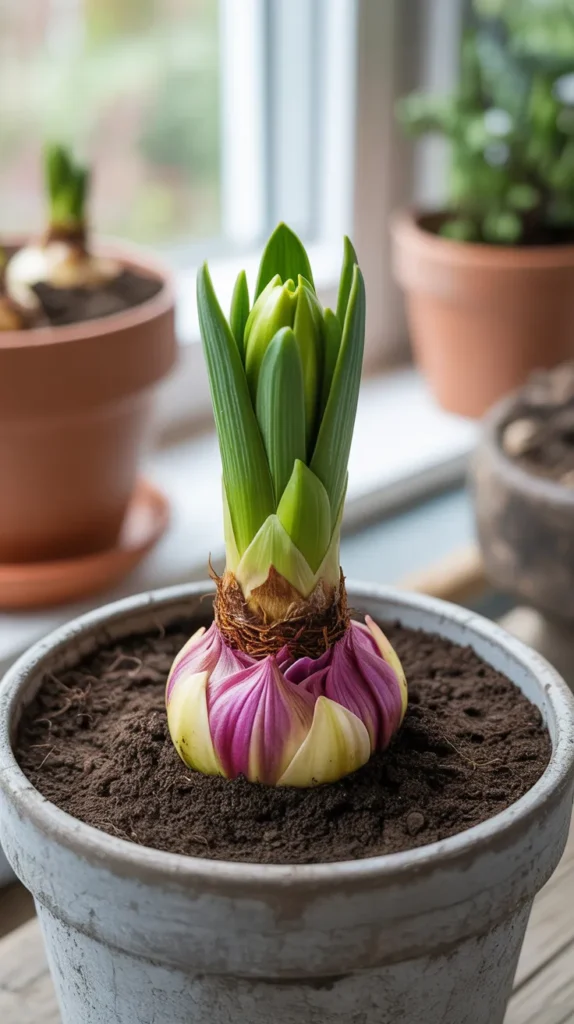
Check your local last frost date as a guide. You can plant them at the same time you would plant your tomato seedlings. To get a head start, especially in northern climates, you can pot up tubers like dahlias indoors 4-6 weeks before your last frost date. A high-quality soil like {Miracle-Gro Potting Mix} is perfect for getting them started in containers.
5. Succession Planting for a Longer Show
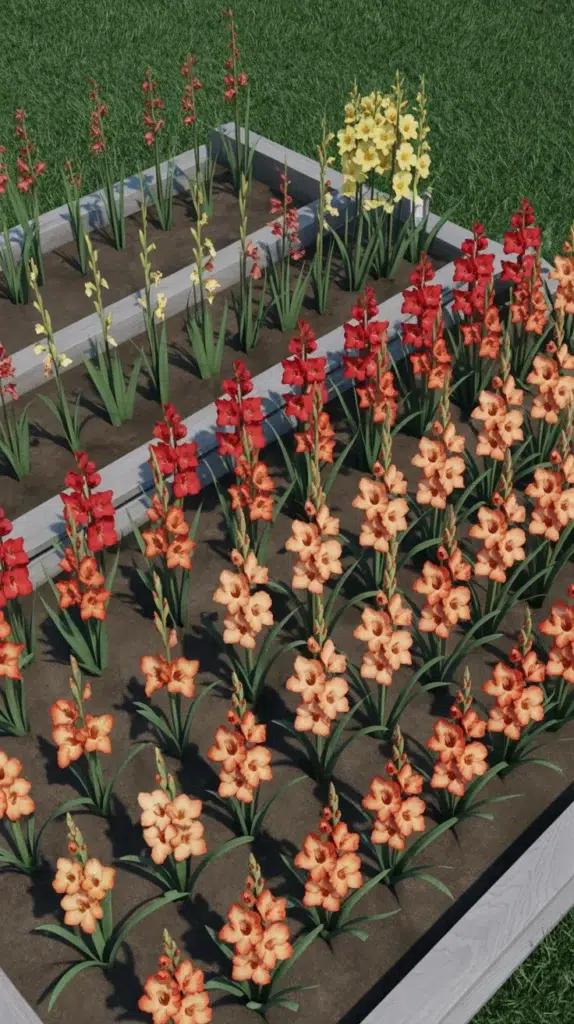
For a continuous display of flowers, especially with summer bloomers like gladiolus, don’t plant all your bulbs at once. This technique, called “succession planting,” extends the bloom season significantly.
Starting on your last frost date, plant a batch of gladiolus corms. Then, every two weeks until early summer, plant another small batch. This ensures that as one set of flowers begins to fade, a new group is just starting to open. Keep track of your planting schedule and varieties with durable {WHATOOK Plant Labels}.
6. The “Buy Now, Plant Later” Dilemma
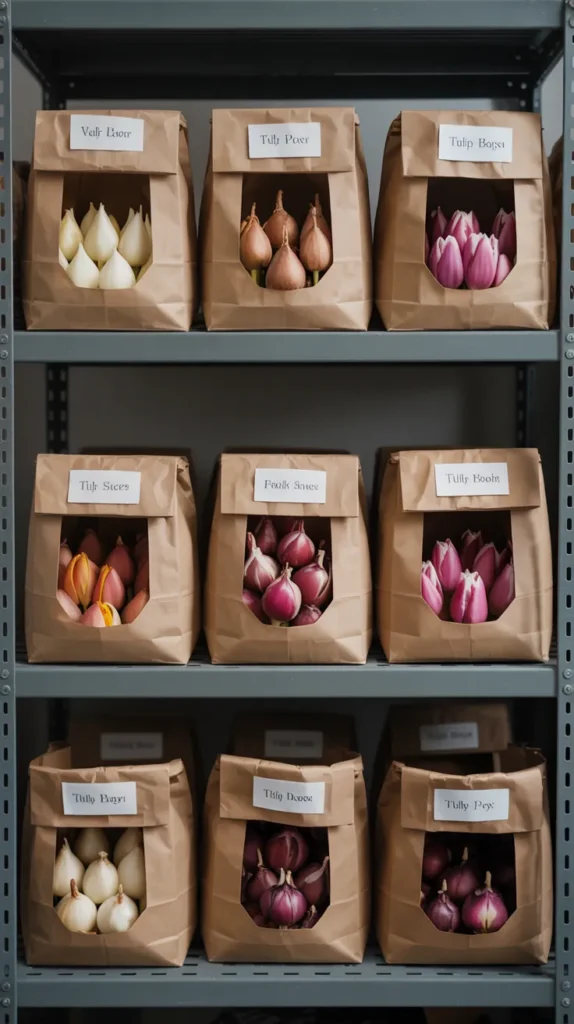
Sometimes you find the perfect bulbs on sale, but it’s not quite the right time to plant. How do you store them? The key is to keep them cool, dry, and dark.
For fall bulbs purchased in late summer, store them in a paper bag in a cool basement or the crisper drawer of your refrigerator until the soil cools down. For spring bulbs that arrive before your last frost, keep them in a breathable box in a cool, dark garage. Good air circulation is vital to prevent mold.
7. The Right Tools Make Timing Easier
When the perfect planting day arrives, having the right tools on hand makes the job quick and enjoyable. Planting dozens, or even hundreds, of bulbs can be a big task.
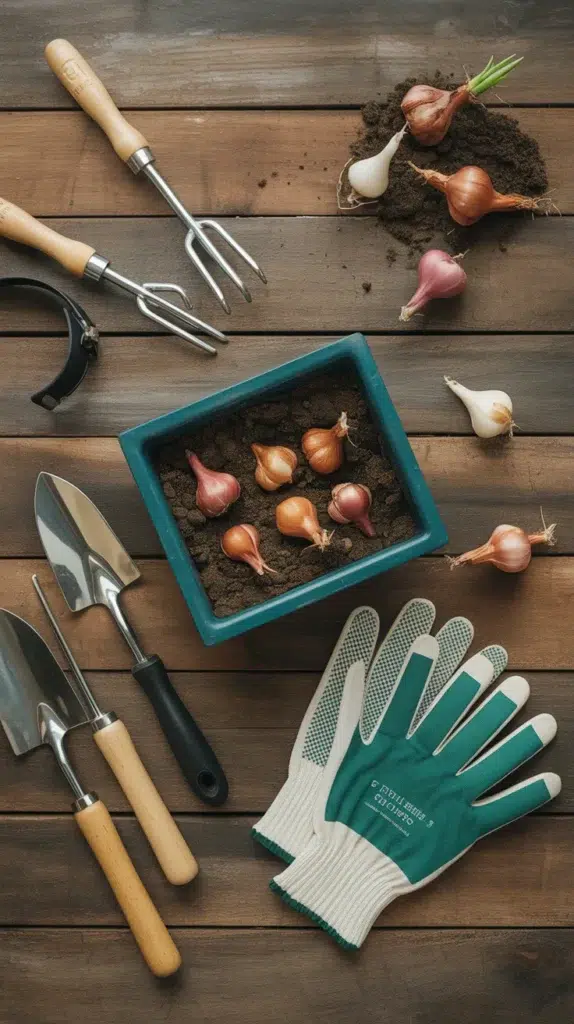
An {Edward Tools Bulb Planter} is a lifesaver for creating uniform holes at the correct depth. For larger mass plantings, kneeling for hours can be tough on the body. A comfortable {Garden Kneeler and Seat} can turn a chore into a pleasant afternoon activity. Finally, a good pair of {COOLJOB Gardening Gloves} protects your hands from dirt and blisters.
8. What If You’re Late?
Forgot to plant your spring bulbs in the fall? Don’t panic. If the ground is not yet frozen solid, you can still plant them. They may bloom a little later or shorter the first year, but they will likely survive and establish for the following season.
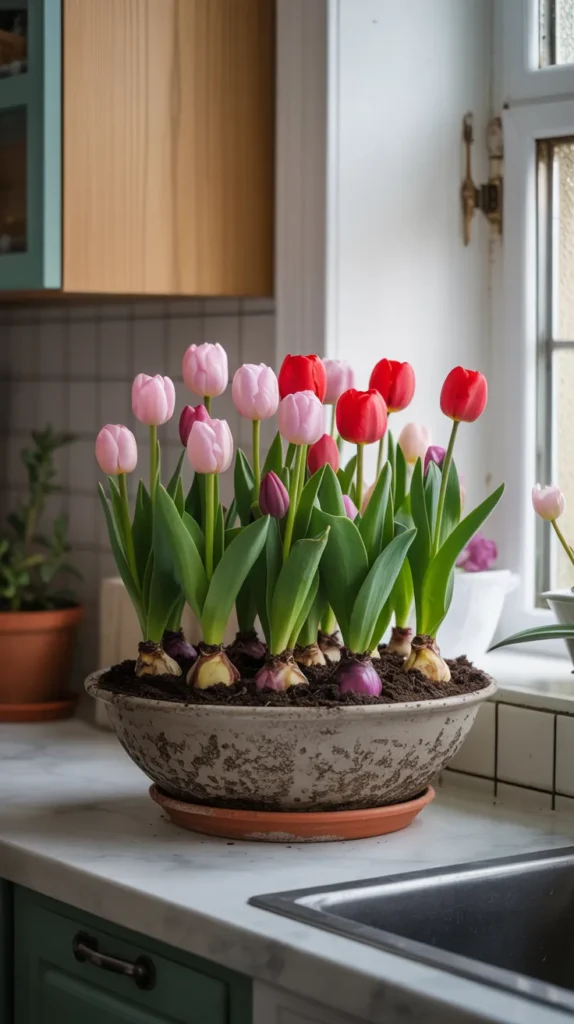
If the ground is frozen, your best bet is to try “forcing” them indoors. Plant them in pots, give them a cold period in a garage or refrigerator for 12-15 weeks, then bring them into a warm spot to bloom. It’s a great way to enjoy some early spring color inside.
Recommended Products for Perfect Planting
| Product | Use Case |
|---|---|
| {Govee Bluetooth Thermometer} | Accurately measures soil temperature to determine the perfect fall planting time. |
| {Miracle-Gro Potting Mix} | Ideal for starting tender bulbs indoors before the last frost. |
| {WHATOOK Plant Labels} | Keeps track of varieties and planting dates for succession planting. |
| {Edward Tools Bulb Planter} | Speeds up the planting process by creating perfect holes every time. |
| {Garden Kneeler and Seat} | Provides essential comfort for your back and knees during long planting days. |
| {COOLJOB Gardening Gloves} | Protects your hands while digging in the soil. |
Plant with Confidence
Understanding when to plant flower bulbs is the foundation of a stunning, effortless garden. It’s a simple rhythm of fall planting for spring flowers and spring planting for summer flowers.
By paying attention to your local climate and soil temperature, you can give your bulbs the perfect start they need. So, whether it’s a crisp autumn day or a warm spring morning, you’ll know exactly when to grab your trowel and plant the promise of future blooms.
