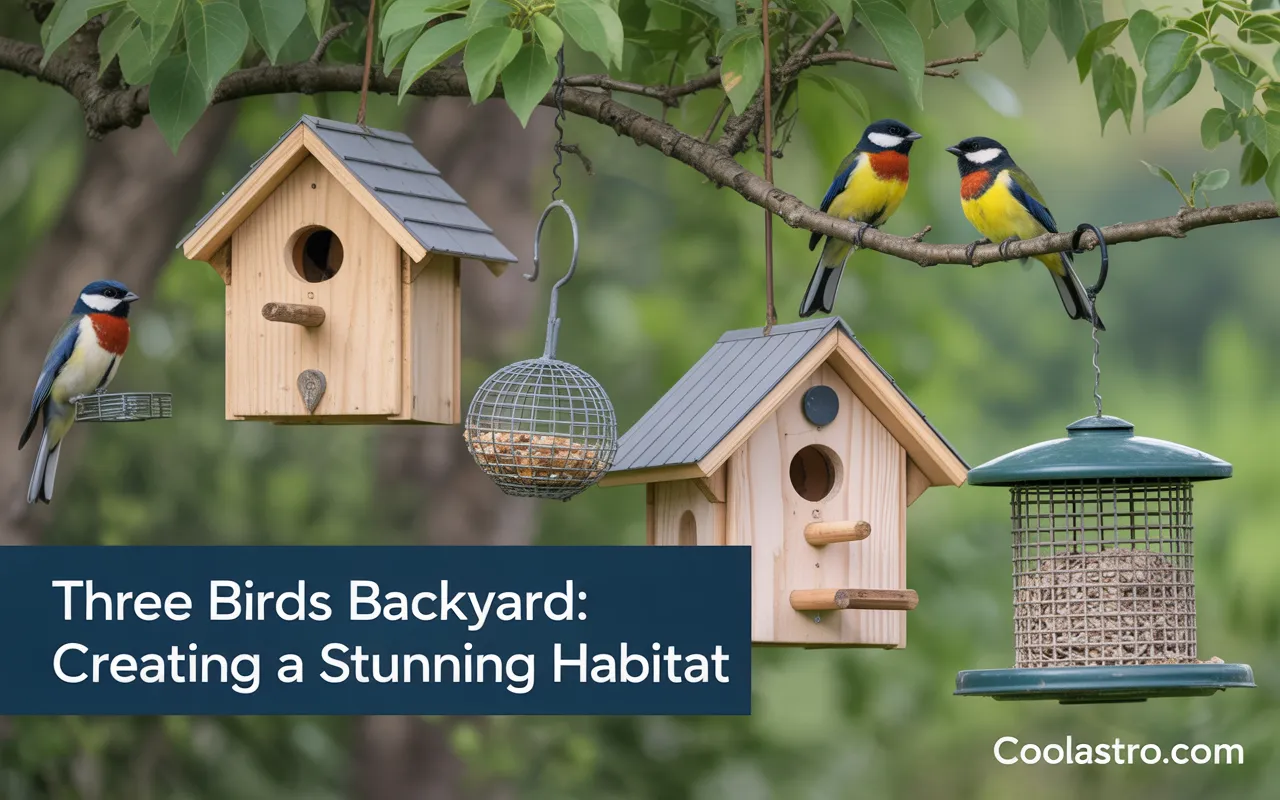
Have you ever looked out your window and wished for more color, life, and sound? Creating a vibrant backyard sanctuary that attracts beautiful birds is easier than you think.
Imagine sipping your morning coffee while watching goldfinches, bluebirds, and cardinals flit between feeders and flowers.
This guide will walk you through everything you need to know to transform your space into a stunning three birds backyard habitat.
A “three birds backyard” is a space thoughtfully designed to meet the three essential needs of wild birds: food, water, and shelter.
By providing these key elements, you not only invite a diverse array of feathered friends but also create a balanced and beautiful ecosystem right outside your door. Let’s get started on this rewarding journey, step by step.
Step 1: Plan Your Three Birds Backyard Oasis
Before you start buying feeders or planting flowers, take a moment to plan. A little forethought goes a long way in creating a successful bird habitat.
The goal is to create layers within your yard that mimic a natural environment, offering birds different levels for feeding, perching, and nesting.
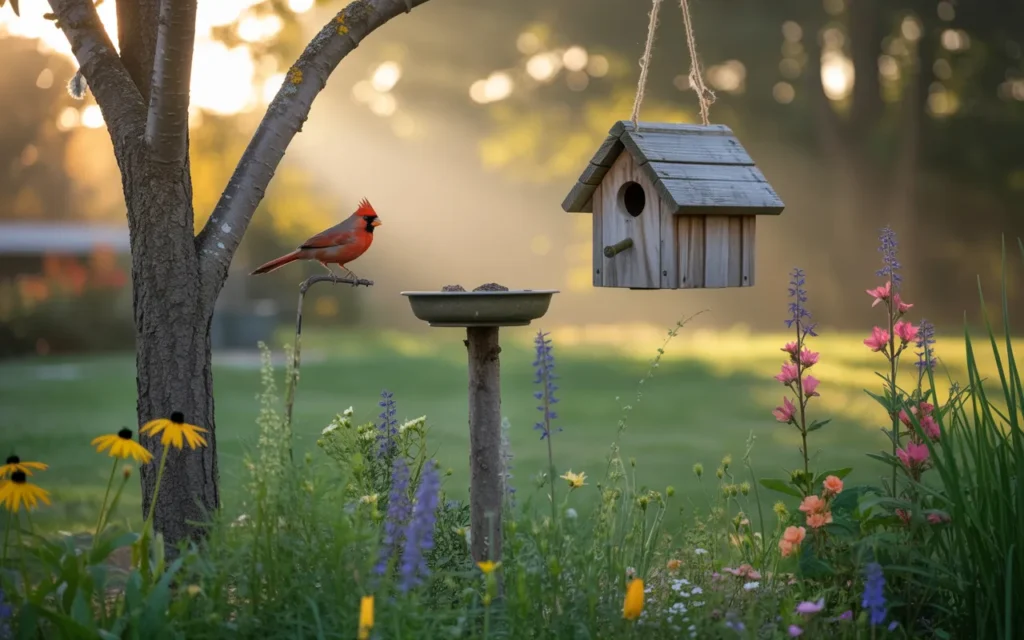
First, sketch a simple map of your backyard. Note existing trees, shrubs, open grassy areas, and sunny versus shady spots. This will help you visualize where to place new elements.
Think about your viewing spots, like windows or a patio, so you can place feeders and bird baths where you can enjoy the show.
Next, consider the types of birds you want to attract. Different species have different preferences. For example:
- Cardinals and Grosbeaks: Love sunflower and safflower seeds, often found at platform feeders.
- Finches: Are drawn to thistle (nyjer) seeds in special sock or tube feeders.
- Bluebirds and Robins: Enjoy mealworms and fruits, plus they need open space to hunt for insects.
- Hummingbirds: Seek out nectar from brightly colored, tubular flowers or nectar feeders.
Researching the native birds in your area will help you tailor your three birds backyard to their specific needs.
Step 2: Provide Reliable Food Sources
Food is the number one attraction for birds. A consistent and varied food supply will encourage them to visit your yard regularly and even stay to raise their young.
Building a successful three birds backyard means offering more than just one type of food.
Choose the Right Feeders and Seeds
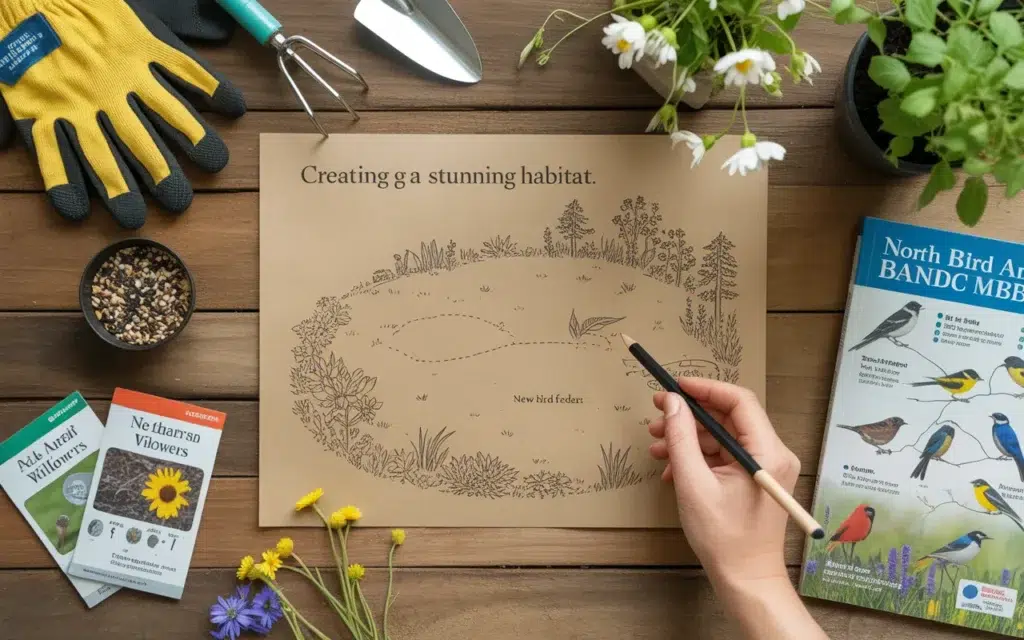
Start with a few different types of feeders to cater to a variety of birds. A great all-around starter is a hopper or house feeder, which can be filled with a good quality seed mix.
The {Gray Bunny Classic Tube Feeder} is fantastic for beginners, as its multiple ports allow several small birds like finches and chickadees to eat at once.
For larger birds like cardinals, jays, and doves, a platform feeder is ideal. They provide a flat, open space that mimics ground-feeding.
Fill it with black oil sunflower seeds, which are a favorite for a wide range of species due to their high oil content and thin shells.
To attract tiny goldfinches, consider adding a thistle feeder. And don’t forget about suet! A simple suet cage feeder filled with a high-energy {C&S High Energy Suet Cake} is a magnet for woodpeckers, nuthatches, and wrens, especially during the cold winter months when insects are scarce.
Plant Native, Food-Producing Plants
Beyond feeders, planting native flora is one of the most effective ways to create a sustainable food source. Native plants provide seeds, berries, nectar, and attract insects—all crucial parts of a bird’s diet.
Consider planting:
- Sunflowers and Coneflowers: Their seed heads provide a natural feast for finches, cardinals, and chickadees in the fall.
- Dogwood and Serviceberry Trees: These produce berries that are gobbled up by robins, waxwings, and bluebirds.
- Trumpet Honeysuckle and Bee Balm: These native flowering vines and perennials offer nectar for hummingbirds.
Using plants to provide food creates a self-sustaining three birds backyard that is both beautiful and functional.
Step 3: Offer a Clean Water Source
Water is just as important as food for birds. They need it for drinking and for bathing, which helps them keep their feathers clean and in top condition for flight and insulation.
Adding a water feature is a simple step that will dramatically increase the bird activity in your yard.
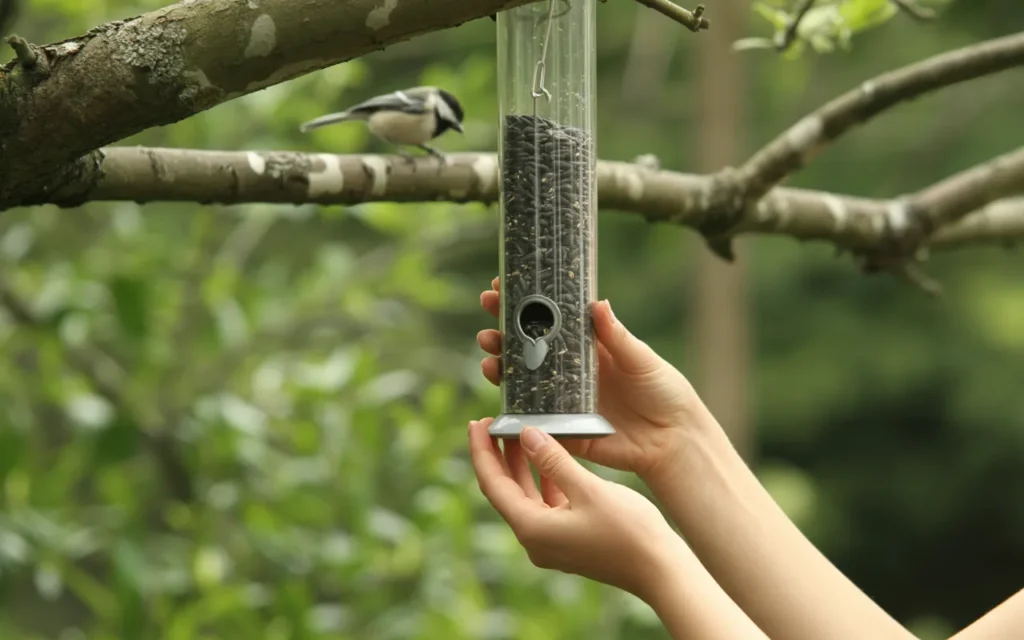
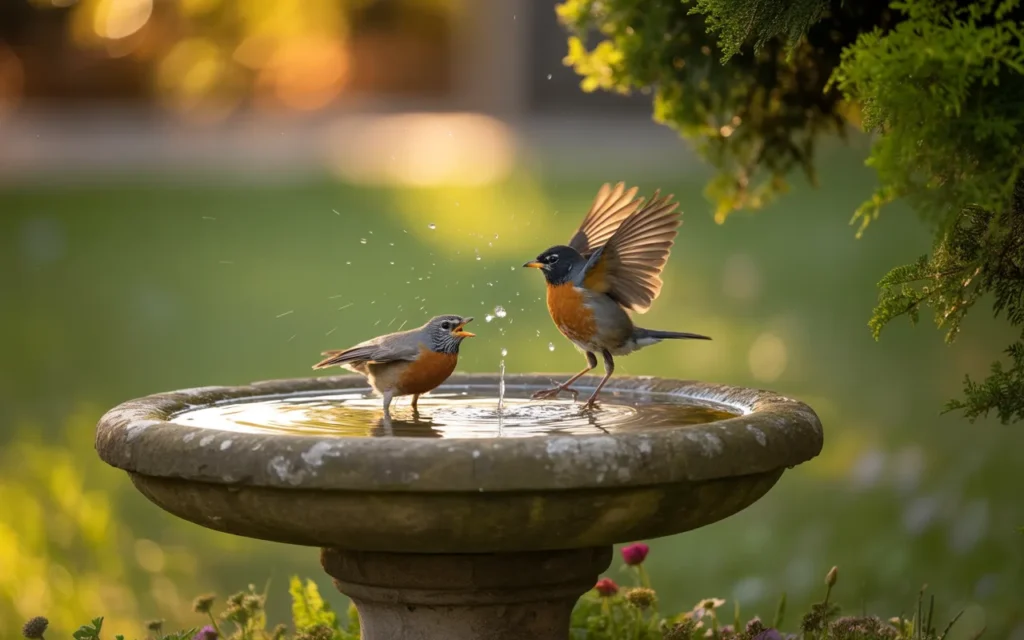
A bird bath is the most common and effective way to provide water. It doesn’t need to be fancy or expensive.
A simple, shallow basin will do the trick. The key is to choose one with a gentle slope and a textured surface to provide good footing.
The {VIVOHOME 2-in-1 Polyresin Bird Bath} is an excellent choice because it’s lightweight, durable, and has a classic look that fits into any garden. Plus, its shallow design is safe for smaller birds.
Maintaining Your Bird Bath
Place your bird bath in a relatively open area, about 10-15 feet from shrubs or trees. This gives birds a clear view of any approaching predators while also providing a quick escape route.
The most important part of having a bird bath is keeping the water clean. Stagnant, dirty water can harbor bacteria and algae.
You should plan to rinse and refill your bath every other day. Once a week, give it a good scrub with a stiff brush to remove any buildup. A simple mixture of nine parts water to one part vinegar works well for cleaning.
To make your water source even more attractive, add movement. Birds are drawn to the sound and sight of moving water. A small solar-powered fountain or a “water wiggler” can create gentle ripples that catch the light and signal a fresh water source to birds flying overhead.
Step 4: Create Shelter and Nesting Sites
The final pillar of a successful three birds backyard is shelter. Birds need safe places to rest, hide from predators, and seek protection from harsh weather. They also need secure locations to build nests and raise their young.
Use Plants to Provide Cover
Dense shrubs, evergreen trees, and climbing vines offer excellent natural cover.
Planting in layers—with taller trees, medium-sized shrubs, and low-growing perennials—creates a complex environment where birds feel safe. A mix of deciduous and evergreen plants ensures year-round shelter.
Some great choices for shelter include:
- Evergreens: Arborvitae, juniper, and spruce trees offer dense foliage that protects birds from winter winds and predators.
- Thorny Shrubs: Barberry and hawthorn provide secure nesting spots, as their thorns deter cats and other predators.
- Climbing Vines: Virginia creeper or native honeysuckle grown on a trellis or fence can become a favorite hiding and nesting spot for many species.
Leaving a small brush pile in a corner of your yard can also provide quick, essential cover for ground-feeding birds like sparrows and towhees.
Add Birdhouses and Nesting Materials
Supplementing natural shelter with birdhouses can encourage specific species to make your yard their home.
Different birds require different types of houses, so it’s important to match the house to the bird you hope to attract.
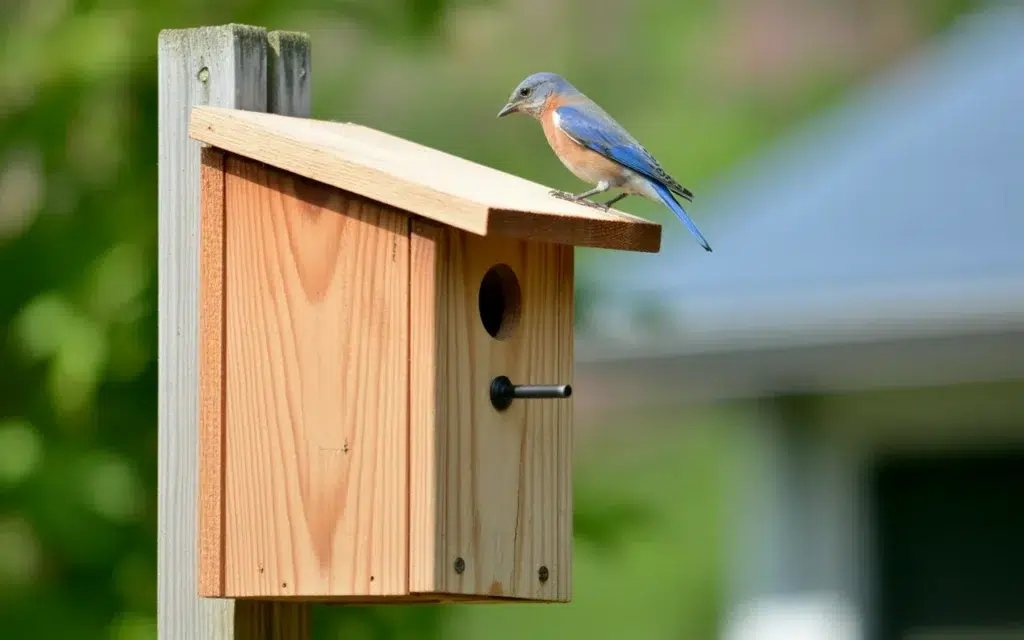
Bluebirds, for example, need a house with a specific entrance hole size (1.5 inches) placed on a pole in an open area. Wrens are less picky and will nest in smaller, hanging houses.
A classic and reliable option is the {Nature’s Way Cedar Birdhouse}, which is designed with features that birds love, like proper ventilation, drainage holes, and a predator guard. The cedar construction is naturally weather-resistant and looks beautiful in the garden.
You can also help birds with their nest-building by providing materials. In the spring, fill a suet cage or a mesh bag with natural materials like:
- Twigs and small sticks
- Dry grass or leaves
- Pet fur (if you don’t use flea/tick treatments)
- Cotton scraps or yarn (cut into short, 2-3 inch pieces)
Hang this near your feeders, and you’ll be delighted to watch birds pull from it to construct their nests. The {Stokes Select Nesting Material Holder} is a simple cage designed specifically for this purpose and makes it easy to offer these valuable resources.
Step 5: Maintain a Healthy and Safe Environment
Creating a three birds backyard is an ongoing commitment. To keep your feathered visitors safe and healthy, it’s crucial to maintain the habitat you’ve built. This means keeping feeders and bird baths clean and being mindful of potential hazards.
Practice Good Hygiene
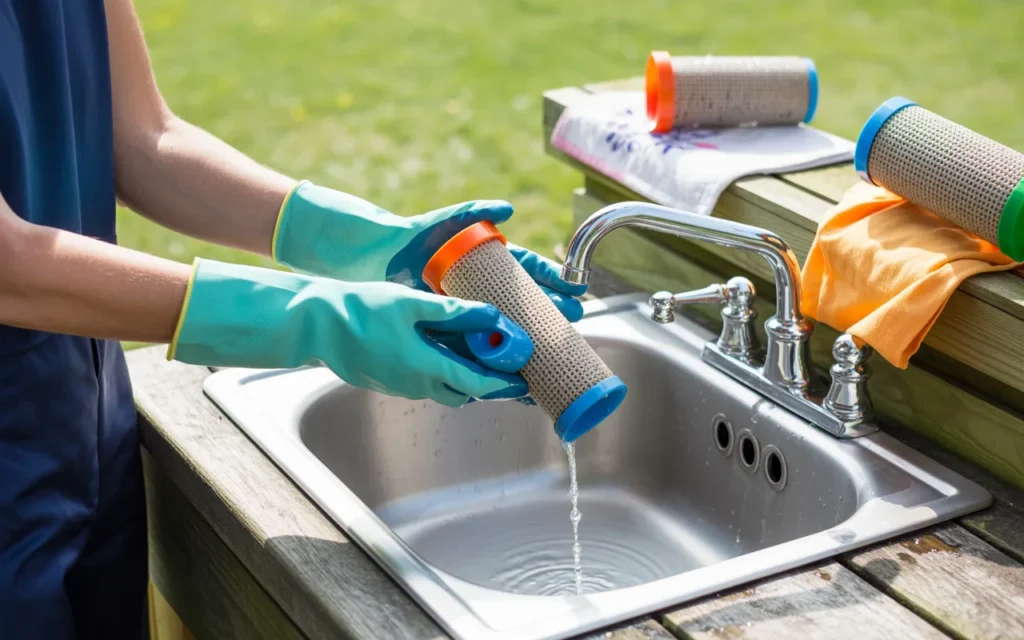
Dirty feeders can spread disease among bird populations. Clean your seed feeders every two weeks with a solution of one part bleach to nine parts hot water.
Rinse them thoroughly and let them dry completely before refilling.
A good set of {Droll Yankees Bird Feeder Brushes} makes this chore much easier, with long, flexible brushes designed to reach inside tubes and other tight spots.
Hummingbird feeders should be cleaned even more frequently—every 3-5 days—to prevent mold and fermentation.
Minimize Window Collisions
Window strikes are a major threat to wild birds. From their perspective, the reflection of trees and sky in your windows looks like a safe place to fly.
You can make your windows more visible to birds by adding decals, tape, or film to the outside of the glass. Simple window alert decals can break up the reflection and prevent deadly collisions.
Go Chemical-Free
Pesticides and herbicides can be harmful to birds. Insecticides reduce their natural food supply (insects), and birds can be poisoned by eating treated seeds or insects.
Opt for natural pest control methods and organic gardening practices whenever possible.
A healthy, balanced garden with native plants will naturally attract beneficial insects that help keep pest populations in check.
By following these maintenance steps, your three birds backyard will remain a true sanctuary where birds can thrive for years to come.
Your Bird-Friendly Product Guide
Here is a quick summary of the products mentioned in this guide to help you get your three birds backyard started.
| Product Name | Brand | Best For |
|---|---|---|
| Classic Tube Feeder | Gray Bunny | Attracting small birds like finches & chickadees |
| High Energy Suet Cake | C&S | Providing winter energy for woodpeckers & wrens |
| 2-in-1 Polyresin Bird Bath | VIVOHOME | Providing a safe and durable water source |
| Cedar Birdhouse | Nature’s Way | Offering a secure nesting site for birds |
| Nesting Material Holder | Stokes Select | Supplying birds with materials for nests |
| Bird Feeder Brushes | Droll Yankees | Keeping feeders clean and disease-free |
Conclusion: Enjoy Your Thriving Backyard Habitat
You now have all the tools and knowledge to create a stunning three birds backyard. By thoughtfully providing food, water, and shelter, you are doing more than just attracting birds—you are supporting your local ecosystem and creating a space of beauty and tranquility for yourself and your family.
Start small with one feeder and a bird bath, and gradually add more elements as you learn what works best for your space.
The most rewarding part of this journey is observing the life that flourishes as a result of your efforts.
So, grab your binoculars, sit back, and enjoy the beautiful, lively sanctuary you have created. Your three birds backyard adventure is just beginning
