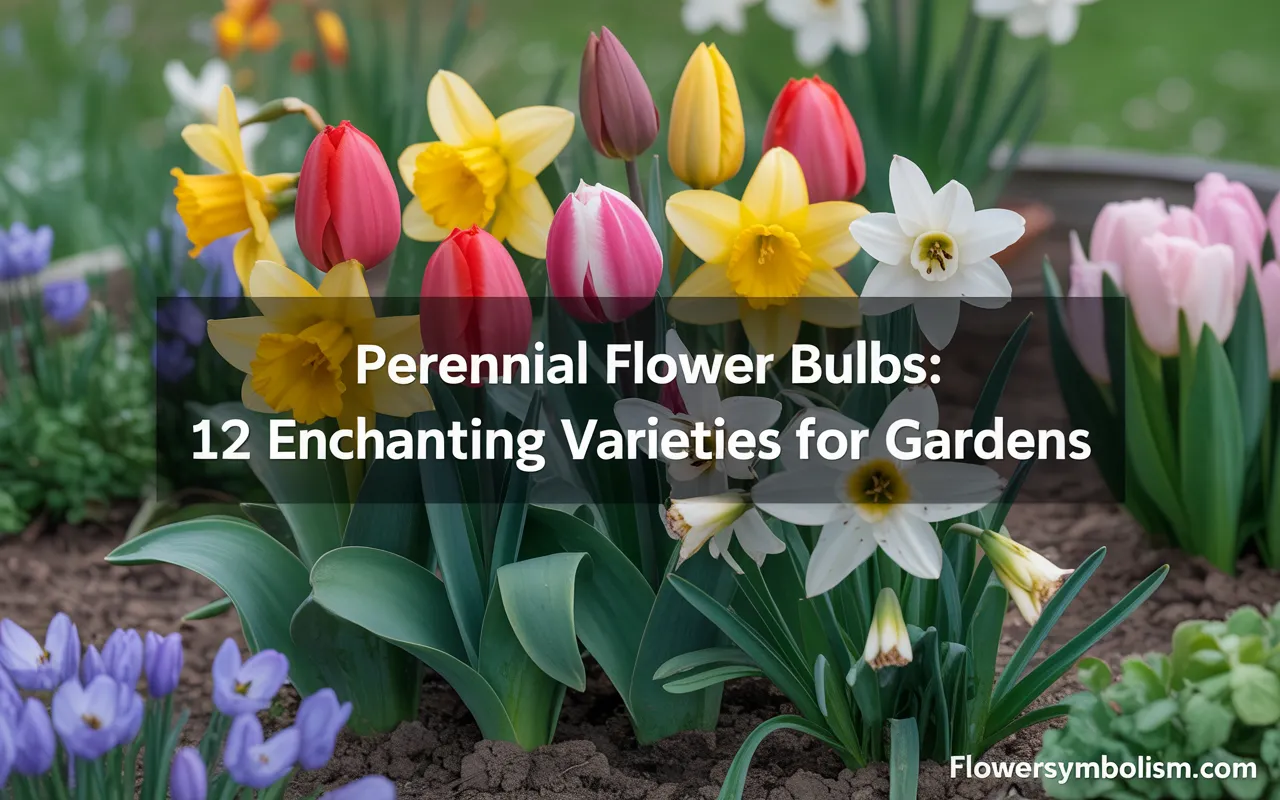
Gardening is an exercise in patience and hope, but few things offer a greater reward than planting something once and watching it return, more beautiful than before, year after year. This is the magic of perennial flower bulbs. Unlike annuals that need to be replanted every spring, these hardy gems establish themselves in your soil, naturalizing and multiplying to create a garden that gets better with age.
Whether you are looking to brighten up a shady corner or create a vibrant, sun-drenched border, there is a perennial bulb for every spot. They are the “set it and forget it” solution for a low-maintenance, high-impact landscape. If you’re ready to invest in a garden that returns the favor, here are 12 enchanting varieties to get you started.
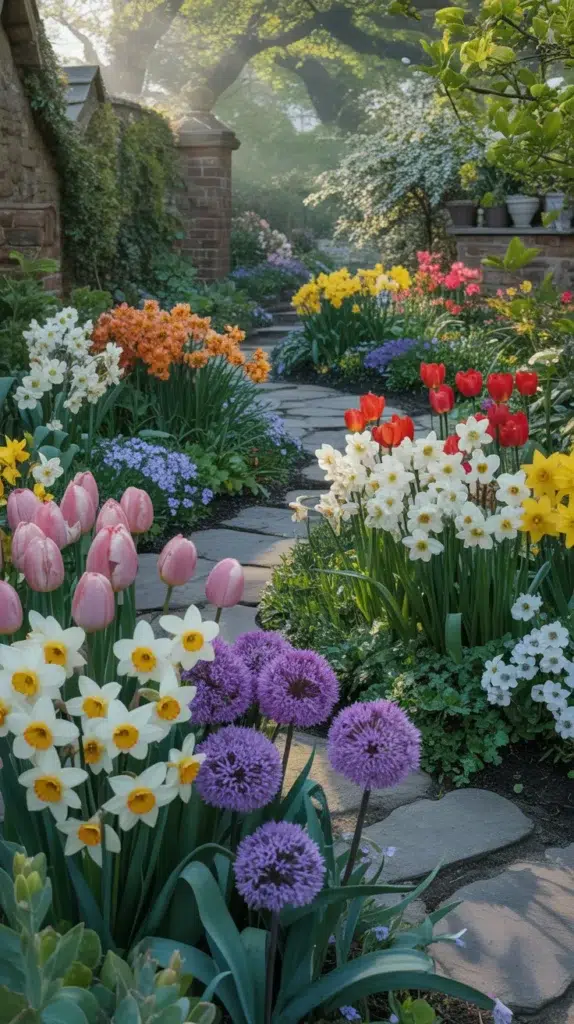
1. The Cheerful Daffodil (Narcissus)
Daffodils are the ultimate symbol of spring. These tough, reliable bulbs are incredibly cold-hardy and deer-resistant, making them a favorite for gardeners across the USA. Once planted, they will return faithfully every year, often multiplying into large, sunny clumps.
They thrive in full sun to partial shade and require very little care. Simply plant them in the fall, and enjoy their bright yellow and white trumpets as soon as winter fades. For planting large drifts effortlessly, an {Edward Tools Bulb Planter} is indispensable for getting the depth just right without straining your wrist.
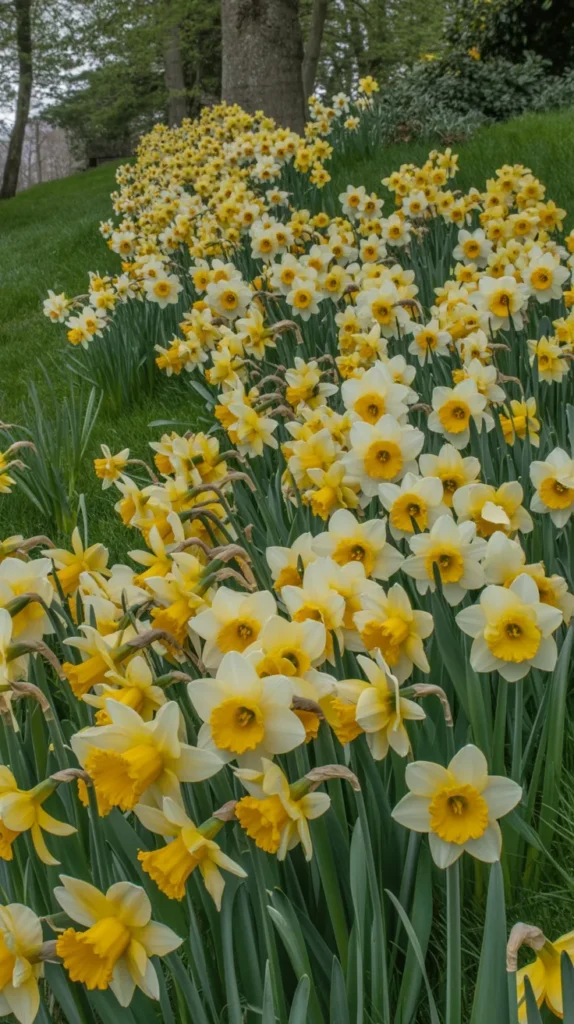
2. The Elegant Siberian Squill (Scilla siberica)
If you crave early spring color, Siberian Squill is a must-have. These tiny bulbs produce intensely blue, bell-shaped flowers that look like a reflection of the sky on the ground. They are perfect for naturalizing in lawns or under deciduous trees.
They are incredibly hardy and will spread rapidly by seed, creating a breathtaking “blue river” effect over time. Plant them in the fall, and watch them emerge just as the snow melts.
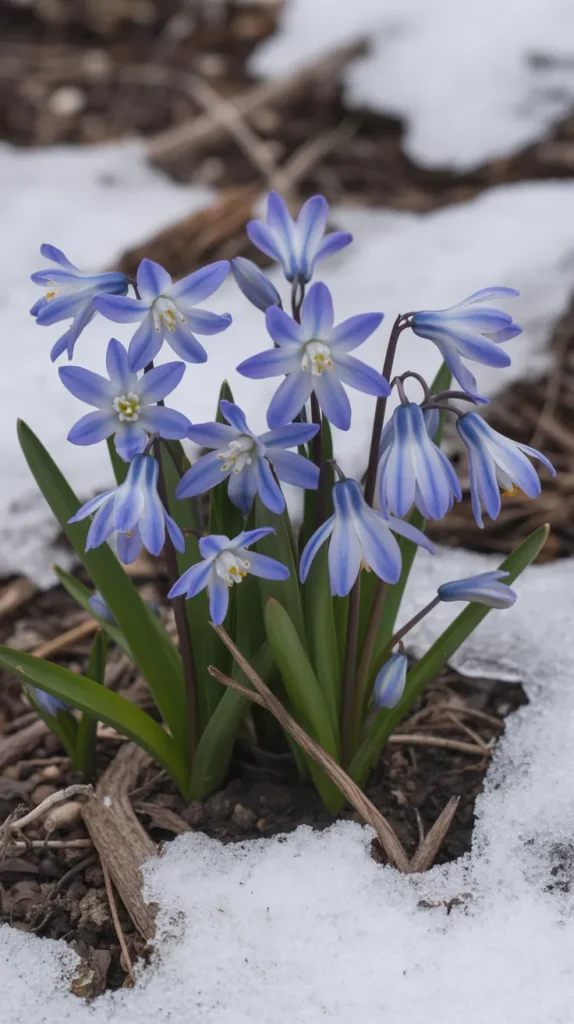
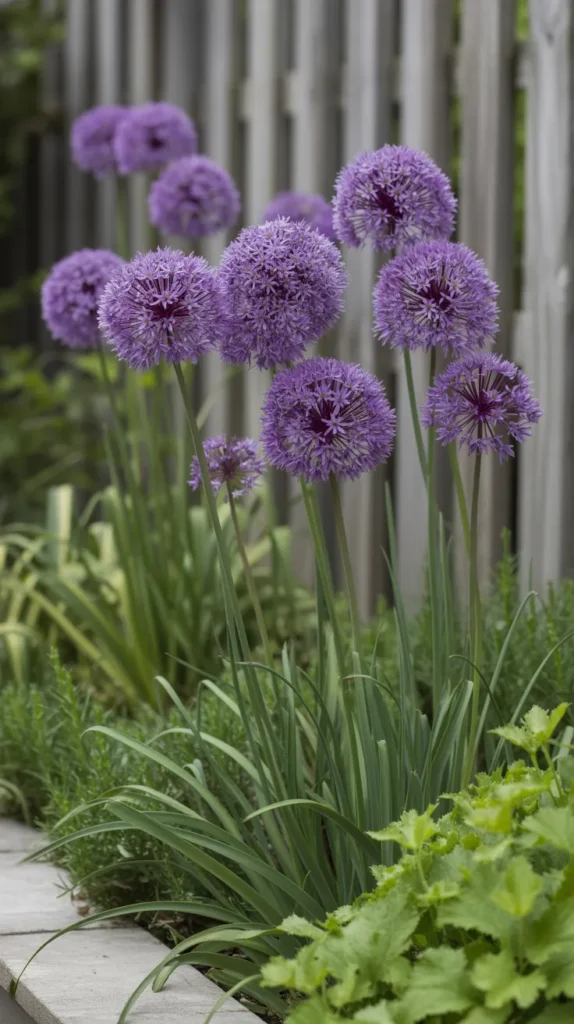
3. The Dramatic Allium (Ornamental Onion)
For architectural interest, nothing beats the allium. With their large, perfect spheres of purple, white, or pink flowers perched atop tall, sturdy stems, they look like something out of a Dr. Seuss book.
They bloom in late spring, bridging the gap between tulips and early summer perennials. Bees adore them, but deer and rodents tend to leave them alone. To keep them standing tall in windy areas, you might use discrete {Gardener’s Blue Ribbon Sturdy Plant Stakes} for the taller giant varieties.
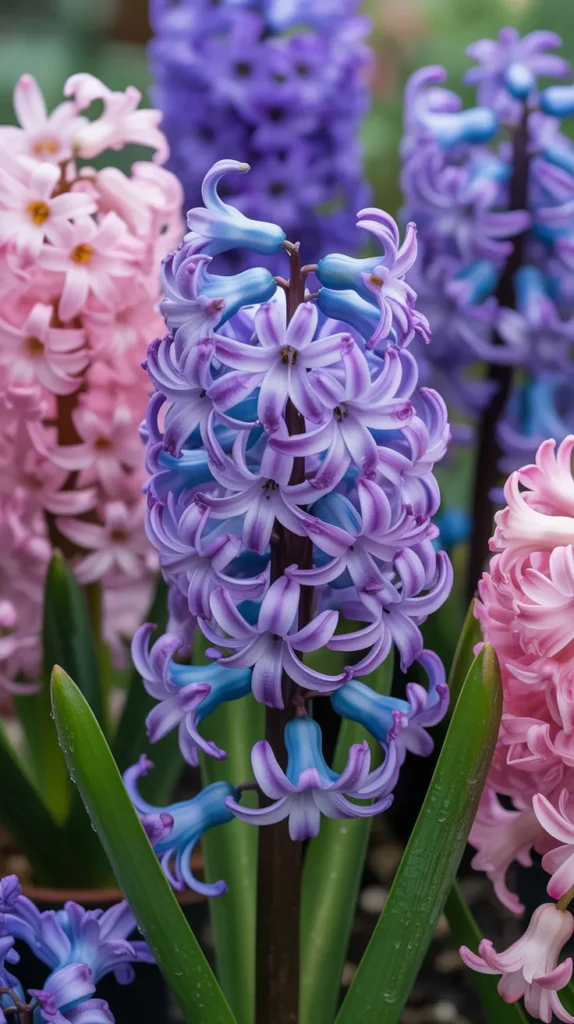
4. The Fragrant Hyacinth (Hyacinthus orientalis)
Hyacinths are beloved for their intoxicating fragrance that can perfume an entire garden. Their dense spikes of starry florets come in a wide range of colors, from deep blues and purples to pinks, whites, and yellows.
While they are technically perennials, their blooms tend to get looser and more spaced out in subsequent years. To keep them thriving, plant them in well-draining soil mixed with some organic fertilizer like {Espoma Organic Bulb-tone} to feed the bulb for future seasons.
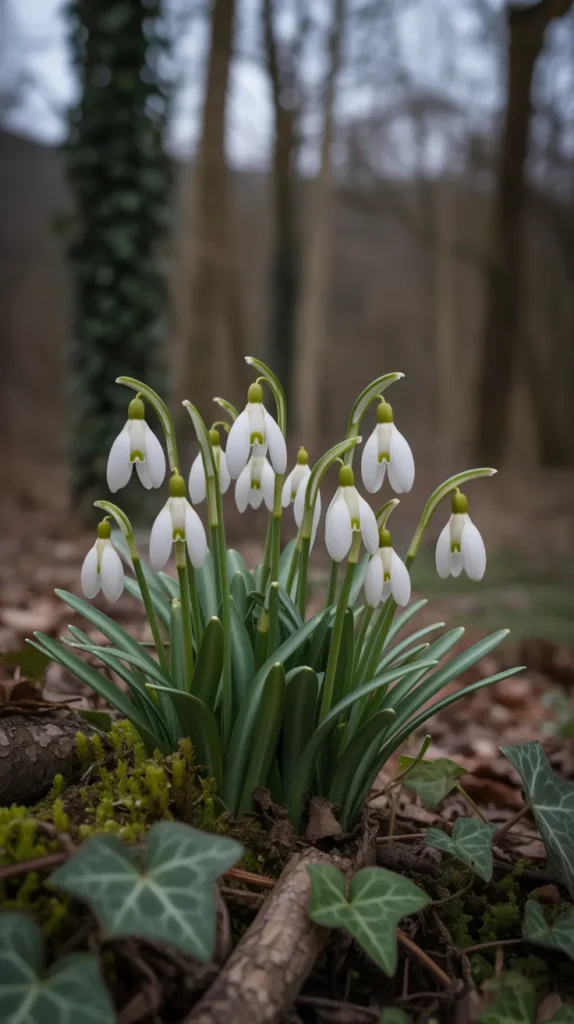
5. The Delicate Snowdrop (Galanthus)
True to their name, snowdrops are often the very first flowers to appear, sometimes pushing their heads up through frozen ground in January or February. These tiny, nodding white flowers are a sign that winter is ending.
They prefer a woodland setting with moist, humus-rich soil. Plant them under trees or shrubs where they can form a carpet of white over time. They are virtually pest-free and incredibly long-lived.
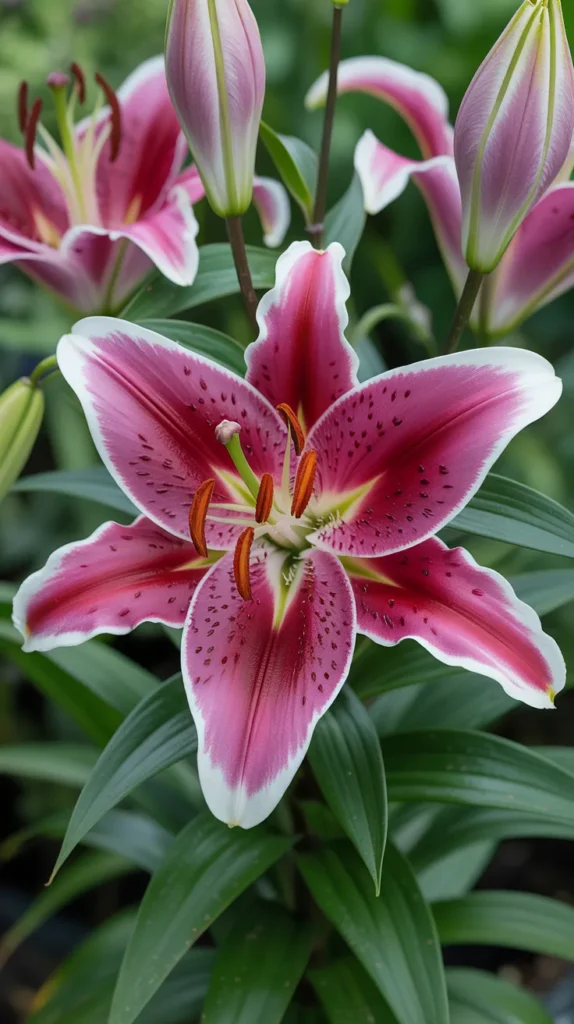
6. The Showstopping Lily (Lilium)
From the fragrant Oriental lilies to the colorful Asiatics, true lilies are the queens of the summer garden. These perennial flower bulbs offer exotic blooms and towering height, making them perfect for the back of a border.
Lilies love to have their “heads in the sun and feet in the shade.” This means the flower stalks need sun, but the bulbs prefer cool soil. Mulching heavily or planting low-growing perennials around their base helps achieve this.
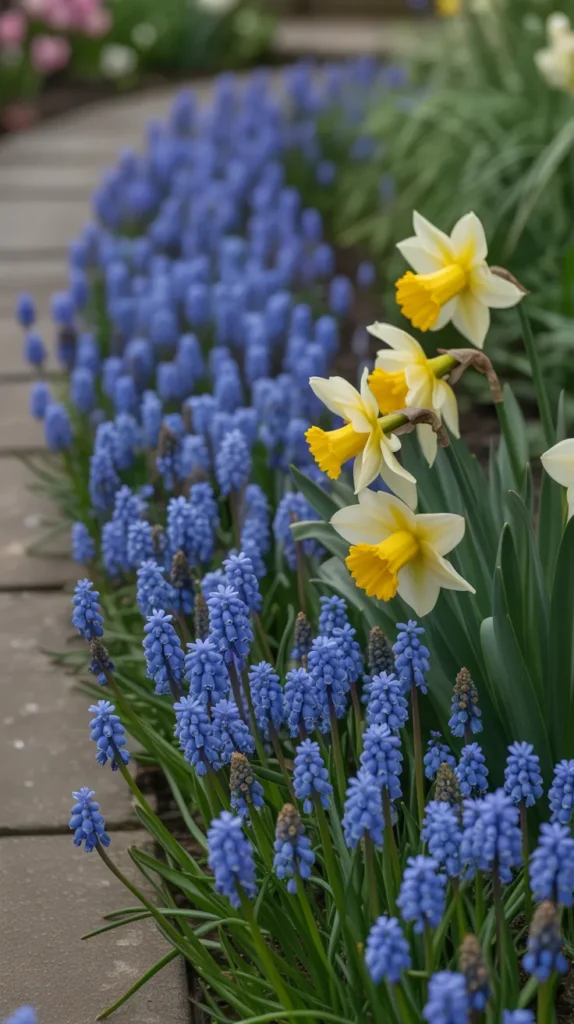
7. The Charming Grape Hyacinth (Muscari)
These petite charmers look like tiny bunches of grapes turned upside down. Muscari produce spikes of cobalt blue beads that are perfect for edging paths or filling the front of a flower bed.
They are incredibly tough and will multiply freely. They pair beautifully with mid-season tulips, creating a sea of blue around the taller red or yellow blooms. Planting hundreds of these tiny bulbs is a breeze if you have a comfortable {Garden Kneeler and Seat} to save your knees.
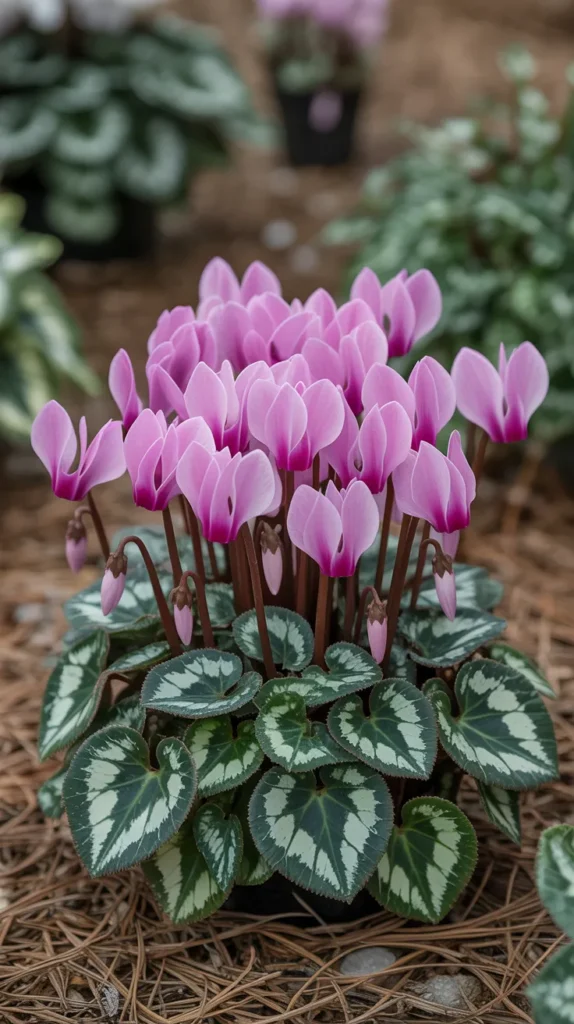
8. The Shade-Loving Cyclamen (Cyclamen hederifolium)
Most bulbs love sun, but the hardy cyclamen is a gem for the shade. Blooming in late summer or autumn, they produce swept-back flowers in shades of pink and white that look like butterflies hovering over the soil.
Their ivy-shaped, silver-marbled foliage is attractive even when the plant isn’t in bloom, providing ground cover through the winter. They thrive in dry shade under trees, a spot where many other plants struggle.
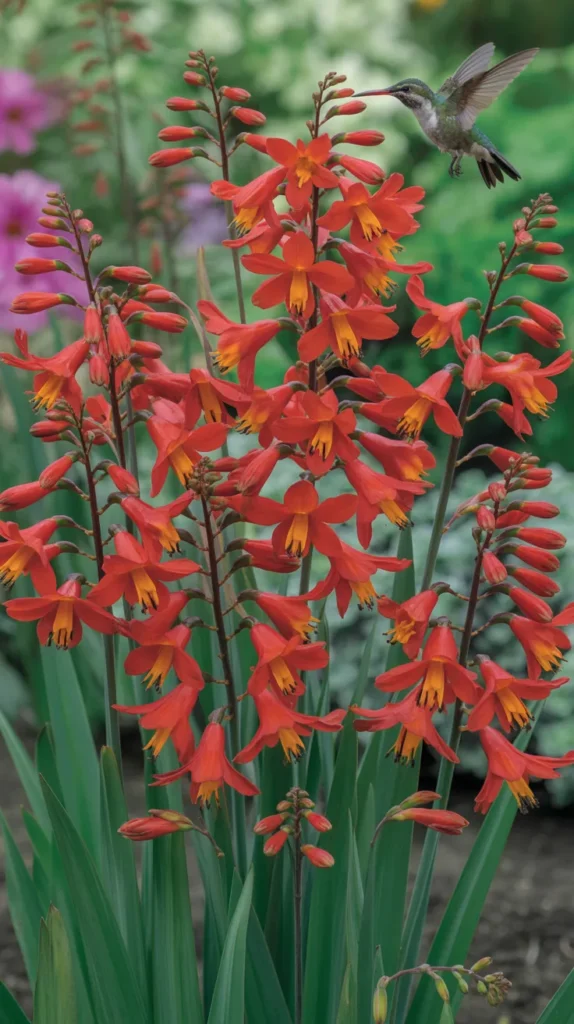
9. The Exotic Crocosmia
If you want to add a splash of tropical heat to your garden, Crocosmia is the answer. These South African natives produce arching stems of brilliant red, orange, or yellow tubular flowers that hummingbirds find irresistible.
They bloom in mid-to-late summer and have sword-like foliage similar to gladiolus. In colder zones (below zone 6), they may need a thick layer of mulch to survive the winter, but in warmer climates, they are vigorous perennials.
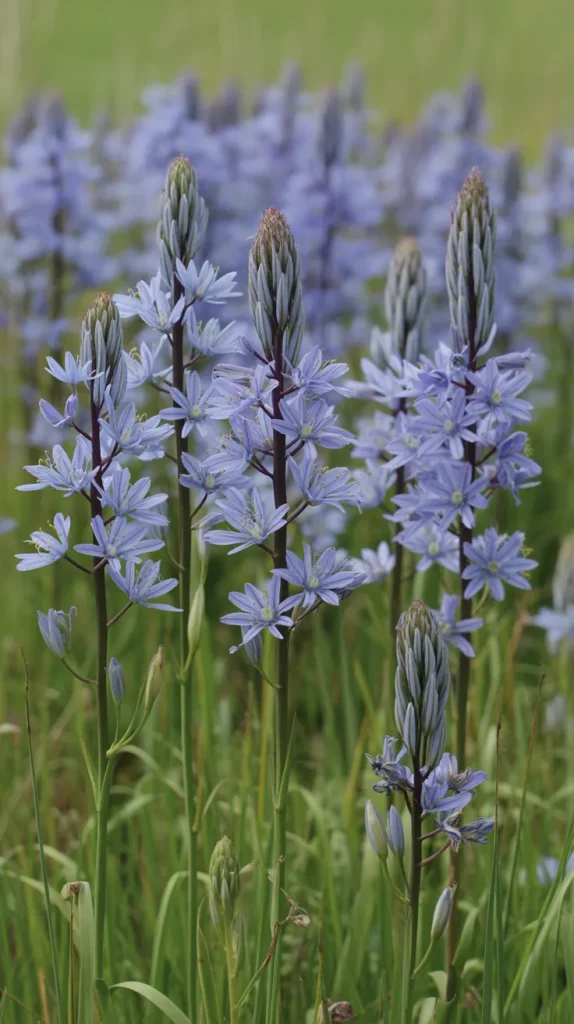
10. The Historic Camassia (Wild Hyacinth)
Native to the Pacific Northwest, Camassia is an underused bulb that deserves more attention. It produces tall, airy spikes of star-shaped blue or white flowers in late spring.
Unlike many bulbs that rot in wet soil, Camassia tolerates damp conditions beautifully. It’s an excellent choice for planting near a pond or in a low spot in the garden that tends to stay moist.
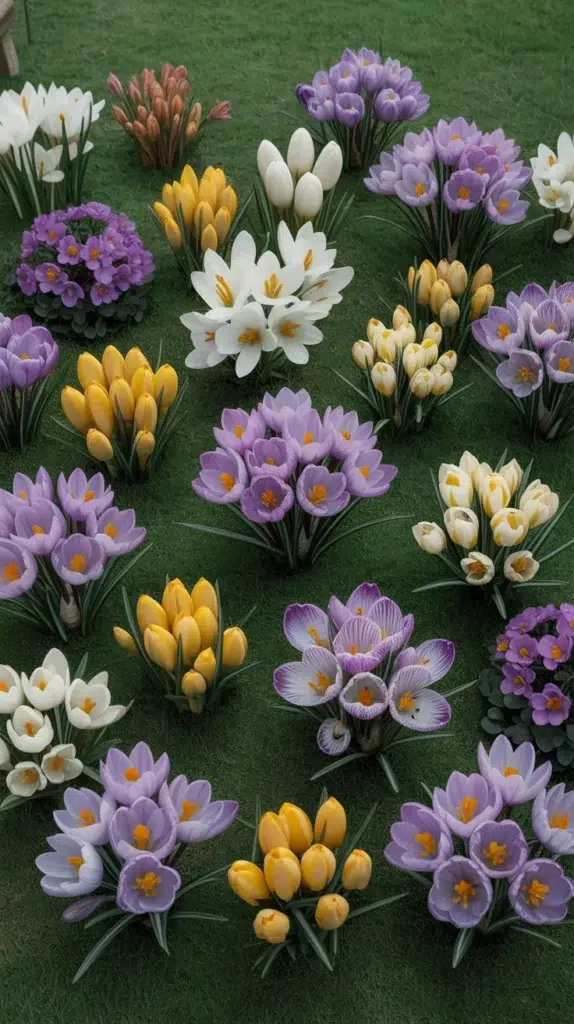
11. The Early Crocus (Crocus vernus)
Crocuses are the “confetti” of the spring garden. These small, cup-shaped flowers bloom just after snowdrops and come in a wide array of purples, yellows, and whites.
They are perfect for planting directly into your lawn. By the time the grass needs its first mow, the crocuses have finished blooming and fading. To plant them in established turf, a {Hori Hori Garden Knife} is perfect for slicing small pockets in the sod without destroying the lawn.
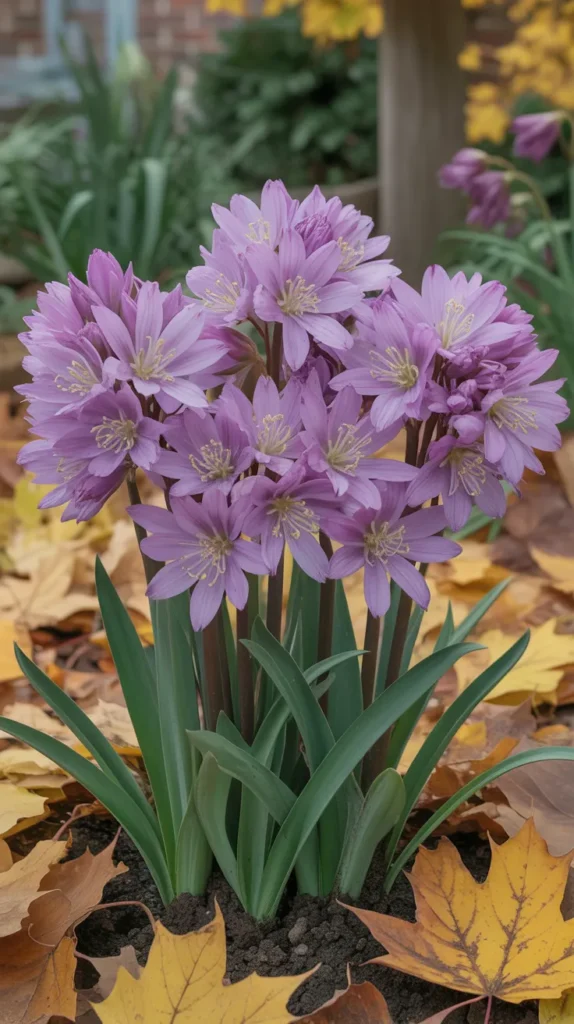
12. The Autumn Colchicum (Autumn Crocus)
Just when you think the bulb season is over, the Colchicum surprises you. Often called “naked ladies,” these bulbs send up large, crocus-like flowers in the fall without any foliage. The leaves appear in spring and die back before summer.
They are magical when planted among low ground covers like ivy or vinca, popping up unexpectedly to offer fresh color in September and October. Handle them with care, as all parts of the plant are toxic if ingested—wear {COOLJOB Gardening Gloves} when planting.
Recommended Products for Your Perennial Bulb Garden
| Product | Use Case |
|---|---|
| {Edward Tools Bulb Planter} | Essential for planting medium-to-large bulbs at the correct depth easily. |
| {Gardener’s Blue Ribbon Sturdy Plant Stakes} | Keeps tall, heavy blooms like giant alliums and lilies upright. |
| {Espoma Organic Bulb-tone} | Provides slow-release nutrients to help bulbs recharge for the next year. |
| {Garden Kneeler and Seat} | Protects knees and back during long planting sessions of small bulbs like Muscari. |
| {Hori Hori Garden Knife} | Perfect for slicing into sod to naturalize bulbs in lawns. |
| {COOLJOB Gardening Gloves} | Protects hands from soil and potentially irritating plant sap. |
A Garden That Returns
Investing in perennial flower bulbs is one of the smartest decisions a gardener can make. By choosing a mix of these 12 enchanting varieties, you can ensure a succession of blooms from the first thaw of January right through to the crisp days of October.
With a little preparation in the planting season and the right tools, you are building a legacy of color that will greet you year after year. So grab your trowel, pick your favorite spots, and get ready to plant a garden that truly keeps on giving.
