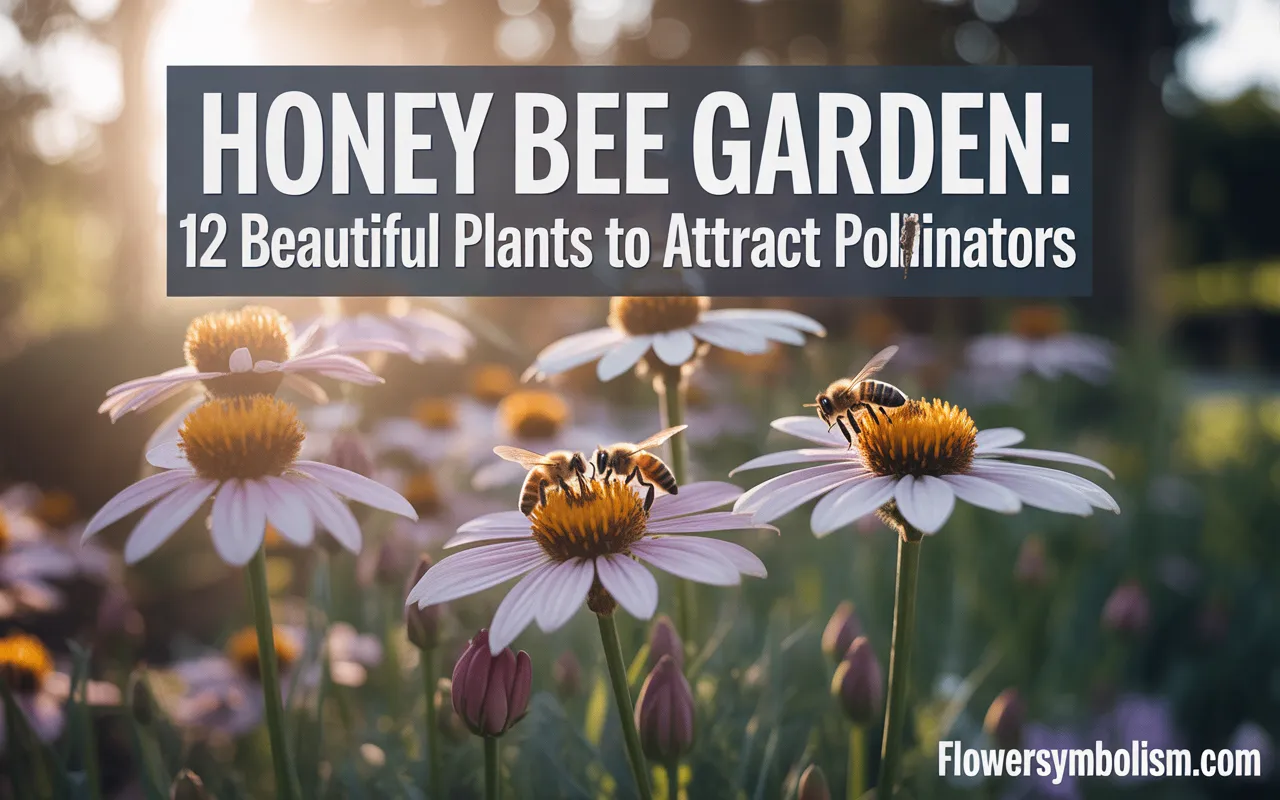
There’s something incredibly rewarding about creating a garden that buzzes with life.
A honey bee garden, in particular, is a beautiful way to support these vital pollinators while filling your outdoor space with color and fragrance. You don’t need to be an expert gardener to make a real difference.
By choosing the right plants, you can easily turn any patch of earth into a haven for honey bees.
This guide is designed to help you create the perfect honey bee garden by highlighting 12 beautiful and easy-to-grow plants that they absolutely love.
We’ll cover everything from vibrant flowers to fragrant herbs, ensuring your garden provides a feast for bees from spring through fall.
Whether you have a large yard or a small balcony, you’ll find plants here that will work for you. Let’s get started and plant a garden that will have your local honey bees buzzing with delight.
What Makes a Great Honey Bee Garden?
Before we dive into our list of plants, it’s helpful to know what makes a garden truly attractive to honey bees. They are looking for three main things: a reliable food source, fresh water, and a safe environment.
- Food (Nectar and Pollen): Honey bees need a continuous supply of food. Planting a variety of flowers that bloom at different times ensures they have something to eat throughout their active season.
- Water: Bees need water for drinking and for cooling their hive. A simple, shallow dish of water with pebbles or marbles for them to land on makes a perfect bee bath.
- A Safe Space: Using pesticides can be harmful to bees. Opt for natural pest control methods to keep your honey bee garden a safe and healthy place for them to visit.
Now, let’s explore 12 of the best plants to include in your honey bee garden.
1. Lavender
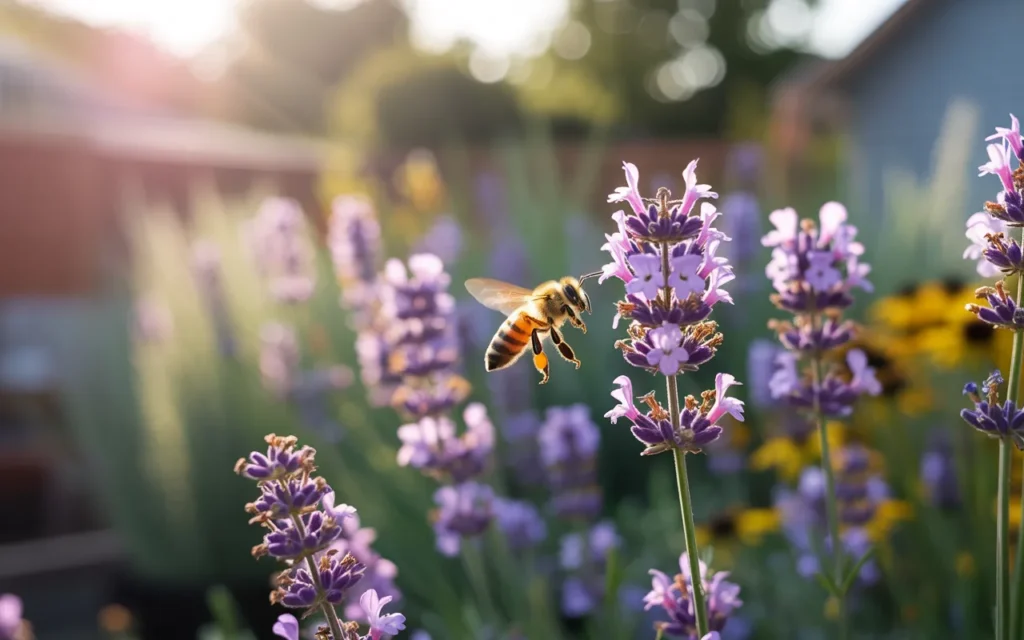
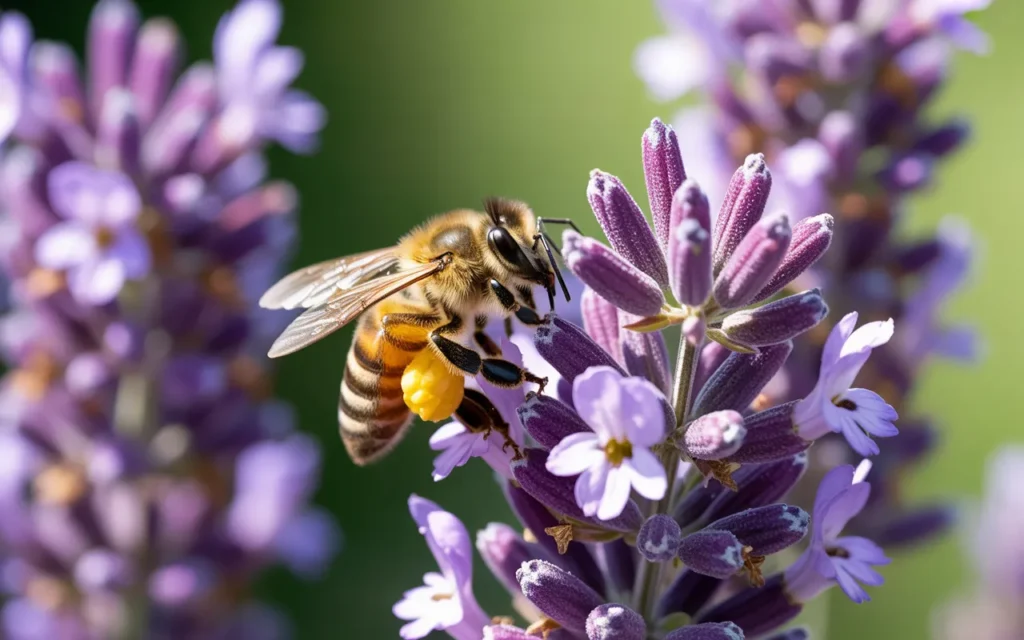
Lavender is a classic choice for any garden, and it’s a top-tier plant for attracting honey bees. Its fragrant purple spikes are not only beautiful but also rich in nectar. Bees are drawn to both the color and the scent, making it a must-have for any honey bee garden.
There are many varieties, like English and French lavender, that thrive in sunny, well-drained spots. You can plant it in garden beds, along walkways, or in pots.
When it’s time to harvest some of the fragrant stems for your home, a sharp and precise tool like the {Fiskars Bypass Pruning Shears} makes it easy to snip them without damaging the plant.
2. Coneflowers (Echinacea)
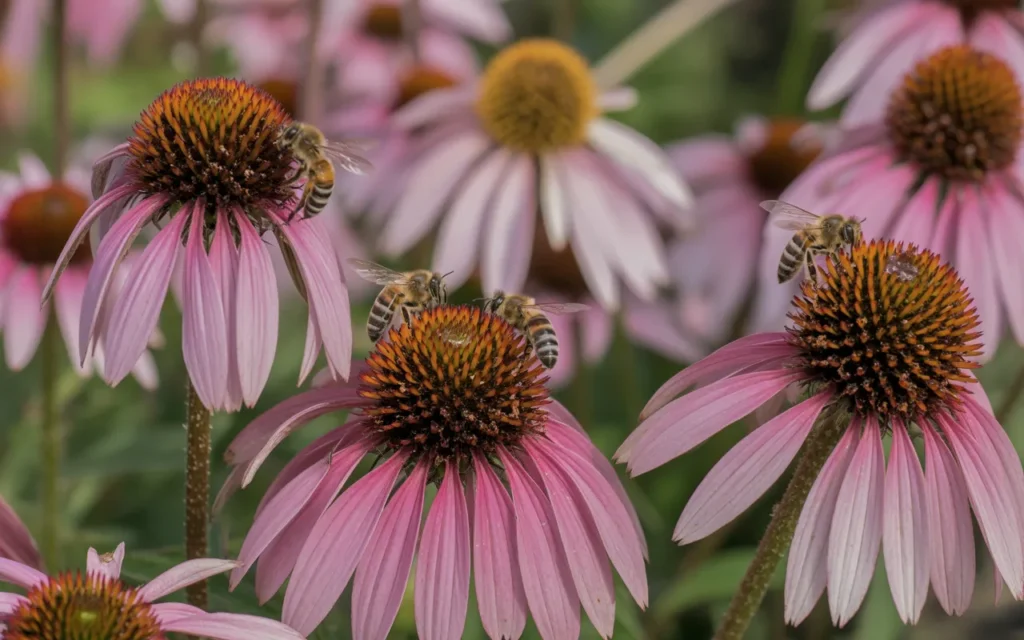
Coneflowers are hardy, drought-tolerant perennials that bees can’t resist. Their large, distinctive centers are like landing pads, making it easy for honey bees to access both pollen and nectar.
They come in shades of purple, pink, white, and yellow, blooming from mid-summer into the fall.
These flowers are perfect for adding height and structure to your honey bee garden. They thrive in full sun and are relatively low-maintenance once established.
Their long bloom time provides a reliable food source for bees during the hottest parts of the year.
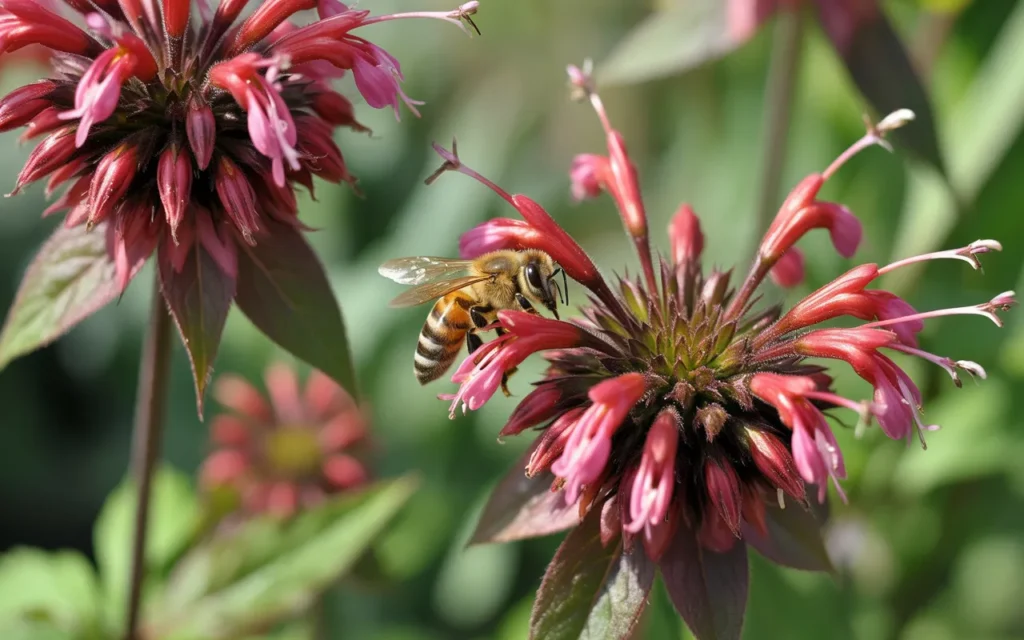
3. Bee Balm (Monarda)
With a name like bee balm, you know it has to be good! This plant is a member of the mint family and produces unique, tubular flowers in shades of red, pink, and purple.
Honey bees, along with other pollinators like hummingbirds and butterflies, are highly attracted to its nectar-rich blooms.
Bee balm prefers sunny locations and moist soil. It can spread, so give it some space to grow or plant it in a container. To keep your hands protected from dirt and thorns while planting, a durable pair of {Cooljob Gardening Gloves} is a great accessory to have.
4. Sunflowers
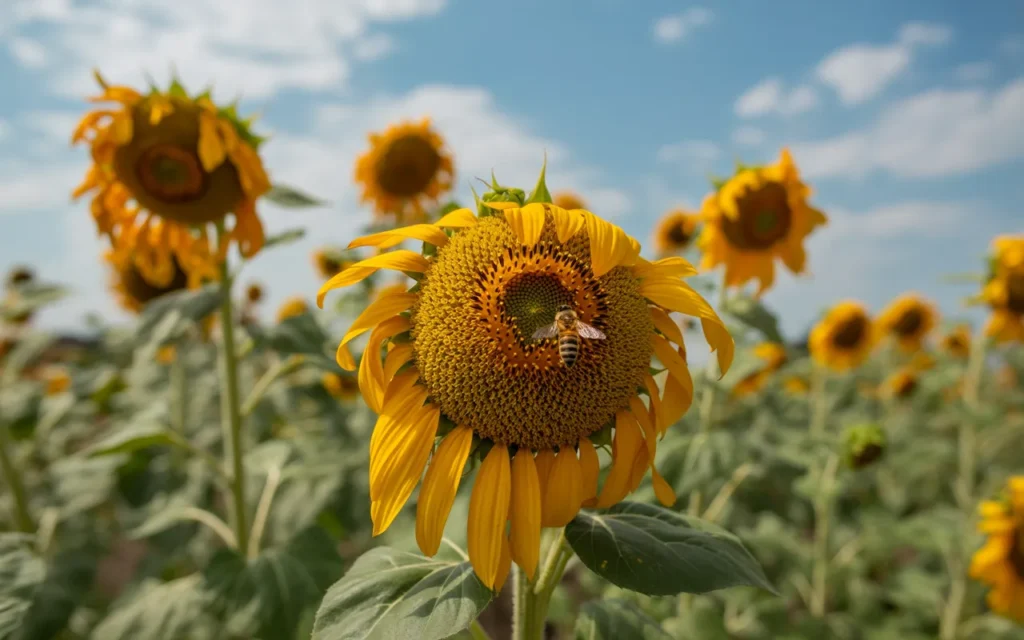
Sunflowers are the cheerful giants of the garden, and their massive heads are a treasure trove for honey bees. The center of a sunflower is actually composed of thousands of tiny individual flowers, each one producing nectar and pollen. As the bees move across the flower head, they become covered in pollen.
Plant sunflowers in a spot that gets at least 6-8 hours of direct sunlight per day. There are many varieties, from towering giants to smaller types perfect for pots.
Using a rich, well-draining soil like {Miracle-Gro Potting Mix} for container-grown sunflowers will help them produce big, beautiful blooms.
5. Crocuses
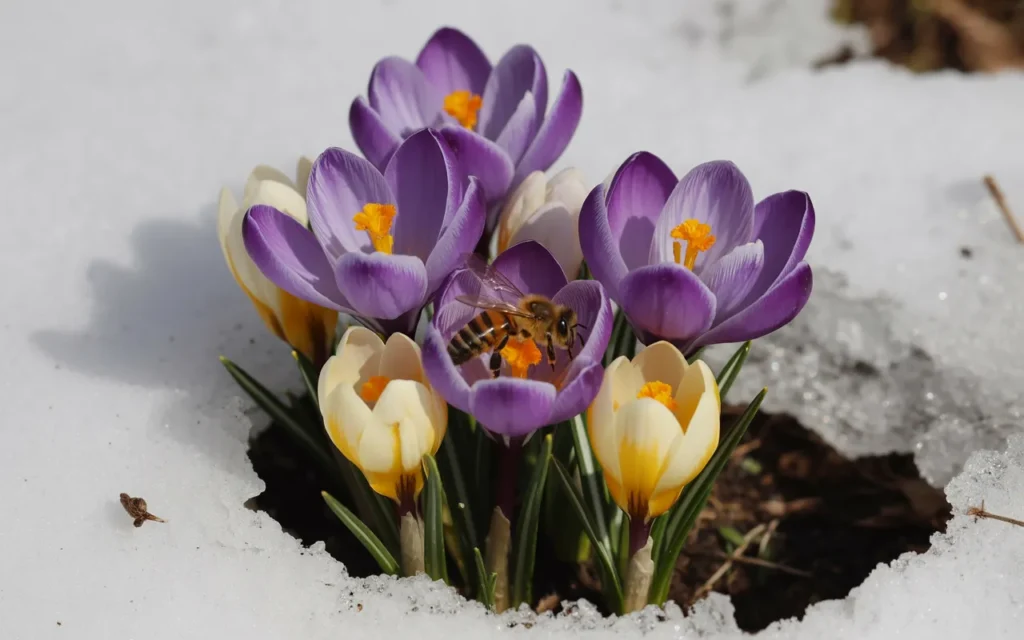
Crocuses are one of the first signs of spring, often popping up while there’s still snow on the ground. For queen bees emerging from winter hibernation, these early blooms are a critical first meal. Planting a patch of crocuses is a simple way to make your honey bee garden a vital resource early in the season.
These small, hardy bulbs are easy to plant in the fall. They come in beautiful shades of purple, yellow, and white. Plant them in lawns, under trees, or in rock gardens for a cheerful burst of early spring color.
6. Borage
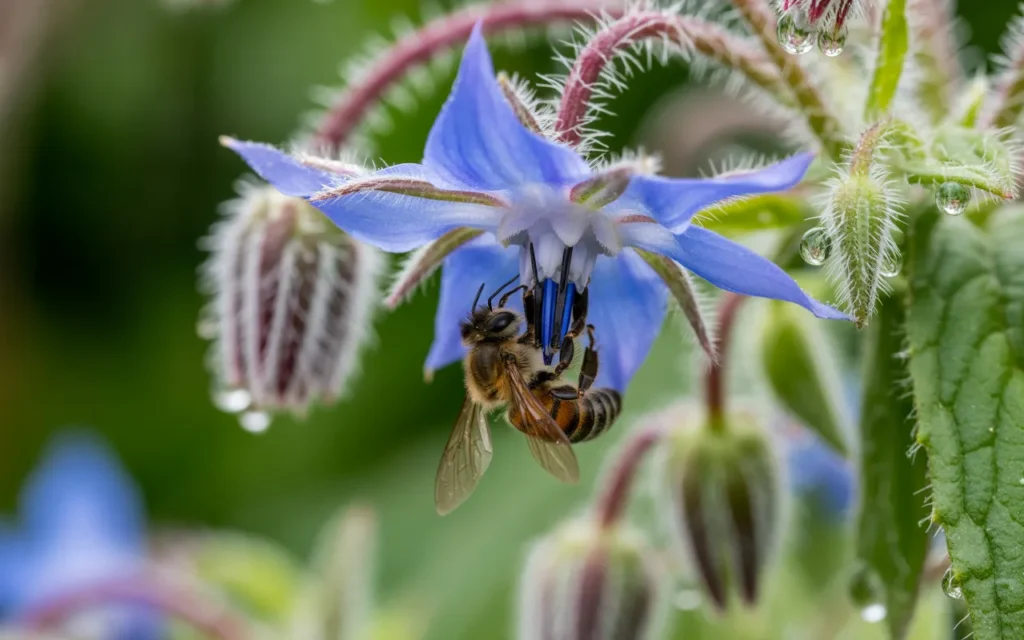
Borage is a fantastic, fast-growing herb with vibrant blue, star-shaped flowers that bees find irresistible. The plant cleverly refills its flowers with nectar frequently, so bees will return to the same plant again and again throughout the day.
Borage is also a wonderful companion plant in a vegetable garden, and its flowers and leaves are edible for humans, with a taste similar to cucumber. It readily self-seeds, so once you have it, you’ll likely have it for years to come.
Planning your companion planting layout is easier with a durable notebook like the {Rite in the Rain Weatherproof Top-Spiral Notebook} to keep your notes safe from water and dirt.
7. Black-Eyed Susans (Rudbeckia)
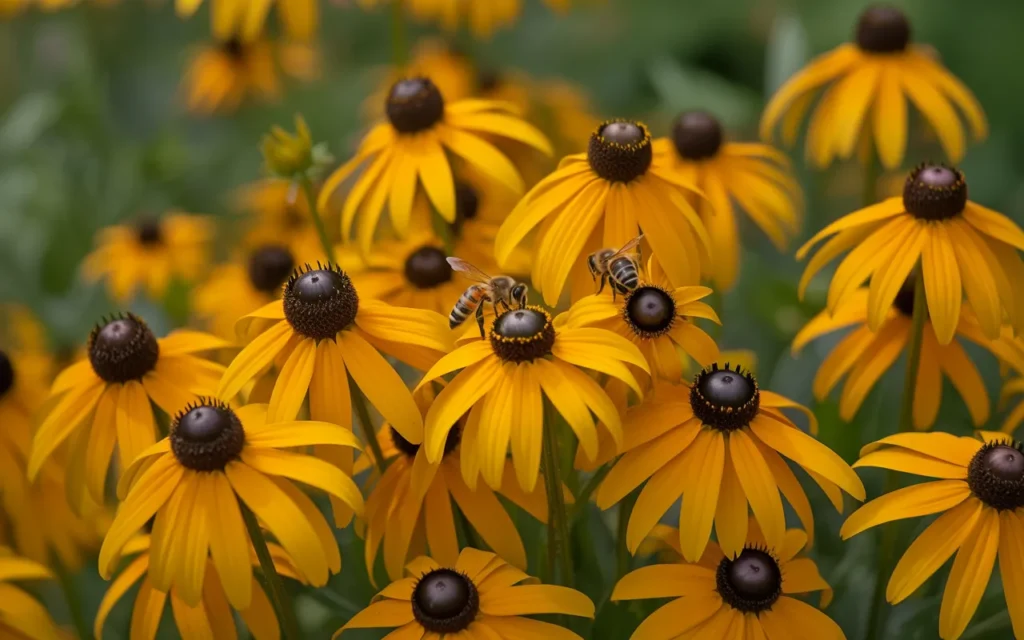
With their sunny yellow petals and dark brown centers, Black-Eyed Susans provide a cheerful splash of color in any honey bee garden. Like coneflowers, their large centers offer an easy-to-access platform for bees to collect pollen and nectar.
These hardy perennials bloom from mid-summer until the first frost, providing a long-lasting food source. They thrive in full sun and can tolerate a variety of soil types, making them a very low-maintenance choice for beginner gardeners.
8. Chives
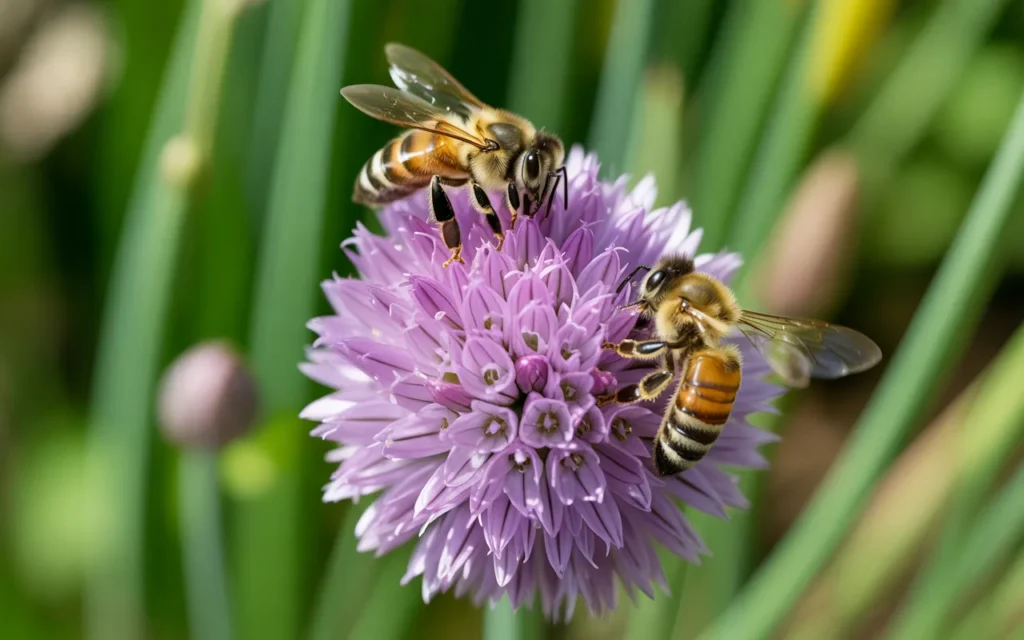
If you let them, chives will produce lovely purple puffball flowers that are magnets for honey bees. This is a great dual-purpose plant for your garden, providing fresh herbs for your kitchen and a feast for pollinators.
Chives are easy to grow in the ground or in containers. For container gardening, using fabric pots like the {VIVOSUN 5-Pack 7 Gallon Plant Grow Bags} can help promote a healthy root system through better aeration and drainage. Simply let some of your chive plants flower to support your local honey bee population.
9. Sedum (Stonecrop)
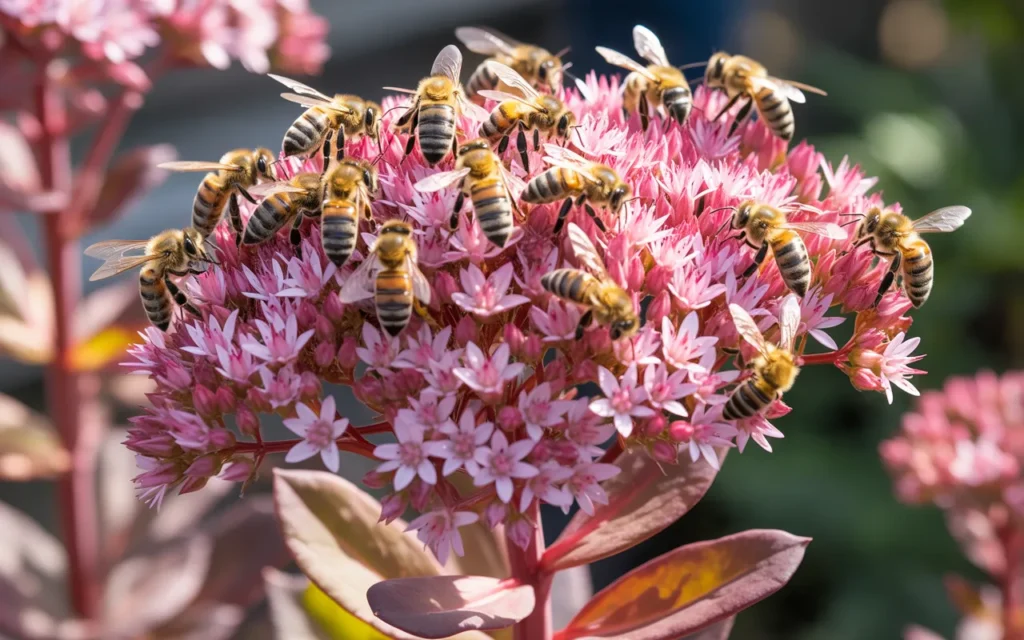
Sedum, particularly autumn-blooming varieties like ‘Autumn Joy’, is a crucial late-season food source for honey bees. When many other flowers have faded, sedum bursts into bloom with dense flower heads in shades of pink and red, providing one last big meal before winter.
These succulent plants are incredibly tough and drought-tolerant. They prefer full sun and well-drained soil, making them a perfect choice for rock gardens or dry areas of your honey bee garden.
10. Goldenrod (Solidago)
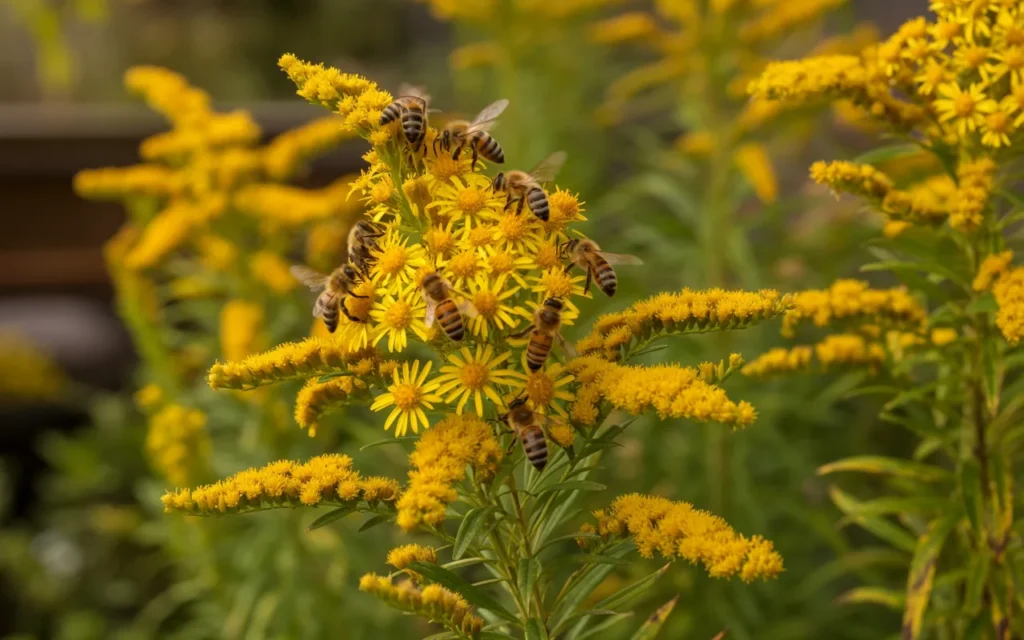
Often unfairly blamed for seasonal allergies (the real culprit is usually ragweed), goldenrod is a powerhouse plant for pollinators. In late summer and fall, its brilliant yellow plumes become a critical food source, absolutely swarming with honey bees and other beneficial insects.
There are many well-behaved, clump-forming varieties of goldenrod available that won’t take over your garden. Planting this native perennial is one of the best things you can do to support bees as they prepare for winter.
11. Salvia
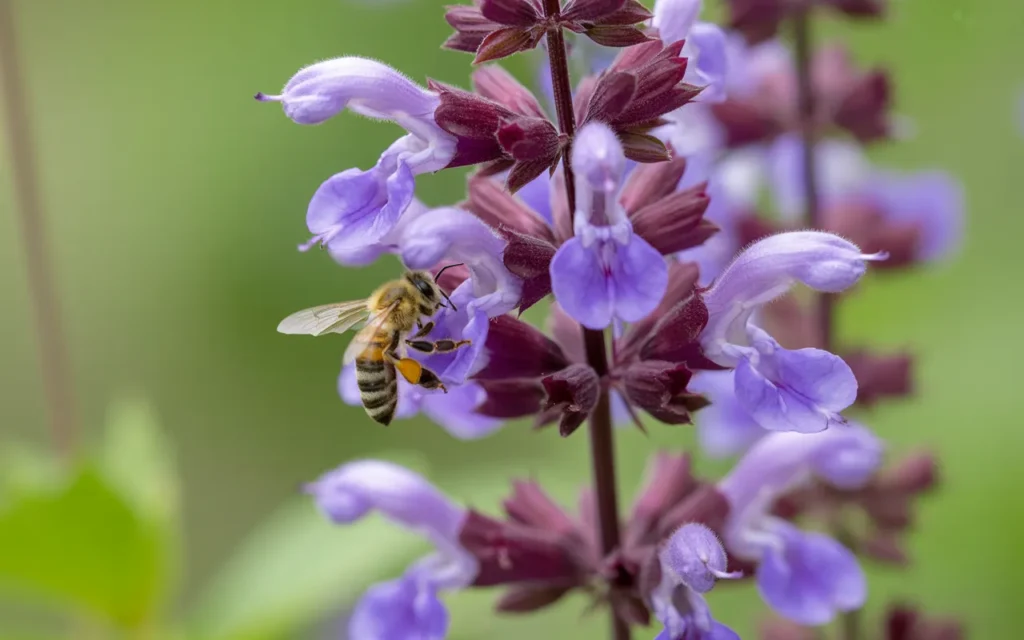
Salvia, also known as sage, is a large family of plants with varieties that are irresistible to honey bees. Their spiky, tubular flowers, often in shades of blue, purple, and red, are perfectly shaped for bees to access nectar.
Varieties like ‘May Night’ and ‘Caradonna’ are reliable bloomers that will flower for weeks in the summer. They love sun and are generally drought-tolerant once established, making them a beautiful and low-fuss addition to any honey bee garden.
12. Phlox
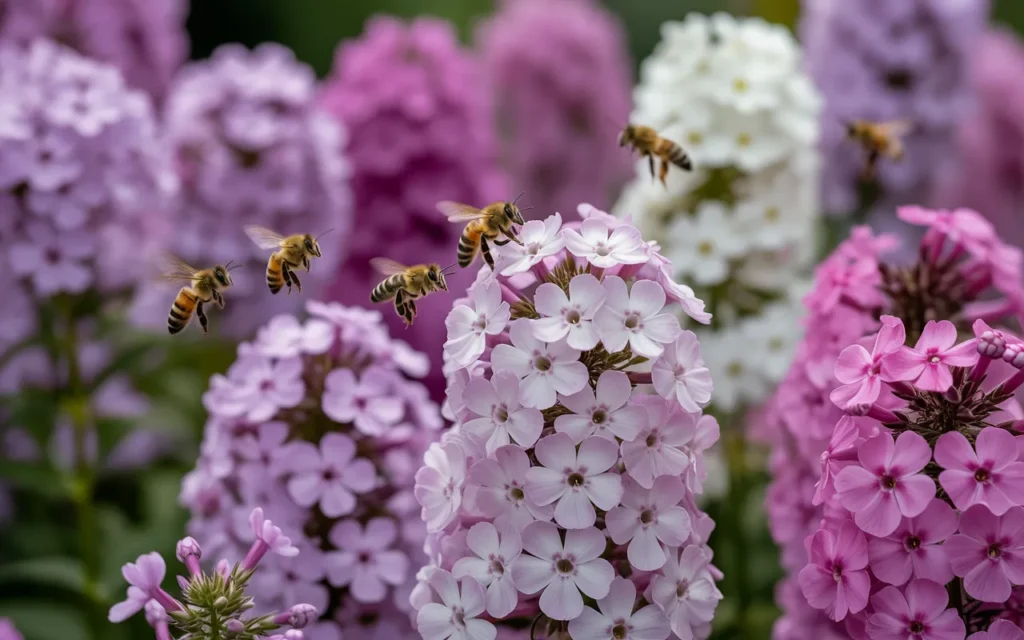
Garden phlox produces large clusters of fragrant flowers that attract a wide range of pollinators, including honey bees. The tall garden varieties provide a wonderful splash of color in mid to late summer, while the low-growing creeping phlox is perfect for a spring groundcover.
Phlox comes in a rainbow of colors, from pure white and pink to vibrant purples and reds. They perform best in full sun with good air circulation to prevent powdery mildew.
Product Recommendations for Your Honey Bee Garden
Here is a quick summary of the helpful tools and products mentioned to help you create a beautiful garden for bees.
| Product Name | Brand | Use in the Garden |
|---|---|---|
| Bypass Pruning Shears | Fiskars | For making clean cuts when harvesting herbs or deadheading flowers. |
| Gardening Gloves | Cooljob | Protects your hands from dirt and thorns while you work. |
| Potting Mix | Miracle-Gro | Provides essential nutrients for healthy, blooming container plants. |
| Weatherproof Top-Spiral Notebook | Rite in the Rain | Perfect for planning your garden and taking notes outdoors. |
| 7 Gallon Plant Grow Bags | VIVOSUN | Offer great aeration and drainage for herbs and other container plants. |
Your Beautiful Honey Bee Garden Awaits
Planting a honey bee garden is a simple and joyful way to help these essential pollinators. By choosing a variety of these plants, you can provide a season-long buffet that will keep your local honey bees happy and healthy.
Start with just a few of these plants, and watch as your garden comes alive with their gentle buzzing.
Remember that the most successful honey bee garden is one that you enjoy. Experiment with different combinations, observe which plants the bees love most, and have fun with it. Your efforts will result in a beautiful, vibrant space for both you and the bees to enjoy.
