Every gardener knows the feeling of eager anticipation as the last threat of frost fades away. We rush to plant our favorite flowers, only to be hit by an unexpected late-season cold snap that turns our tender new plants into a sad, wilted mess. It’s a heartbreaking start to the gardening season.
What if you could extend your blooming season, starting earlier in the spring and lasting longer into the fall, without that constant worry?
You can, and the secret is a special category of plants known as hardy annuals.
These resilient beauties are the unsung heroes of the garden, capable of shrugging off light frosts and cool temperatures that would spell disaster for their more delicate cousins.
They are the key to a garden that is bursting with color when others are just beginning or have already faded.
In this guide, we’re going to introduce you to 15 stunning hardy annual flowers that will revolutionize your gardening calendar.
You’ll learn which flowers can be planted in the cool weather of early spring and fall, how to care for them, and how to create a garden that provides breathtaking beauty for more months of the year.
Let’s dive in and discover the tough, beautiful world of hardy annuals.
What Exactly Are Hardy Annual Flowers?
So, what makes a flower a “hardy annual”? It sounds a bit like a contradiction, but it’s a simple and powerful concept that can transform your garden. Let’s break it down.
- Annual: An annual plant is one that completes its entire life cycle—from seed, to flower, to seed again—within a single growing season. You plant it in the spring, and it dies with the first hard frost of fall.
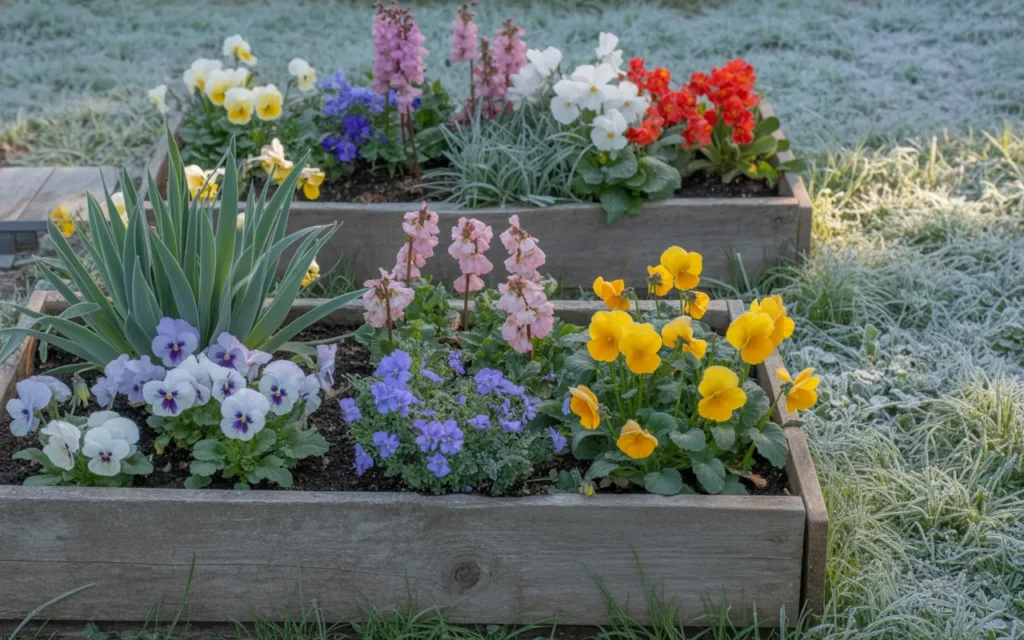
- Hardy: The “hardy” part is what makes these plants special. It means they are tolerant of cold temperatures and can withstand light frosts. While tender annuals like zinnias and impatiens need warm soil and will die at the slightest hint of frost, hardy annuals thrive in the cooler temperatures of early spring and autumn.
This cold tolerance means you can plant them much earlier in the season, often 4-6 weeks before your last expected frost date.
Many can even be planted in the fall in milder climates to overwinter and provide the very first blooms of spring. By embracing hardy annual flowers, you are unlocking a longer, more colorful gardening season.
15 Stunning Hardy Annual Flowers for a Longer Blooming Season
Ready to add some resilience and extended color to your garden? Here are 15 of the best and most beautiful hardy annual flowers that are perfect for beginners and seasoned gardeners alike.
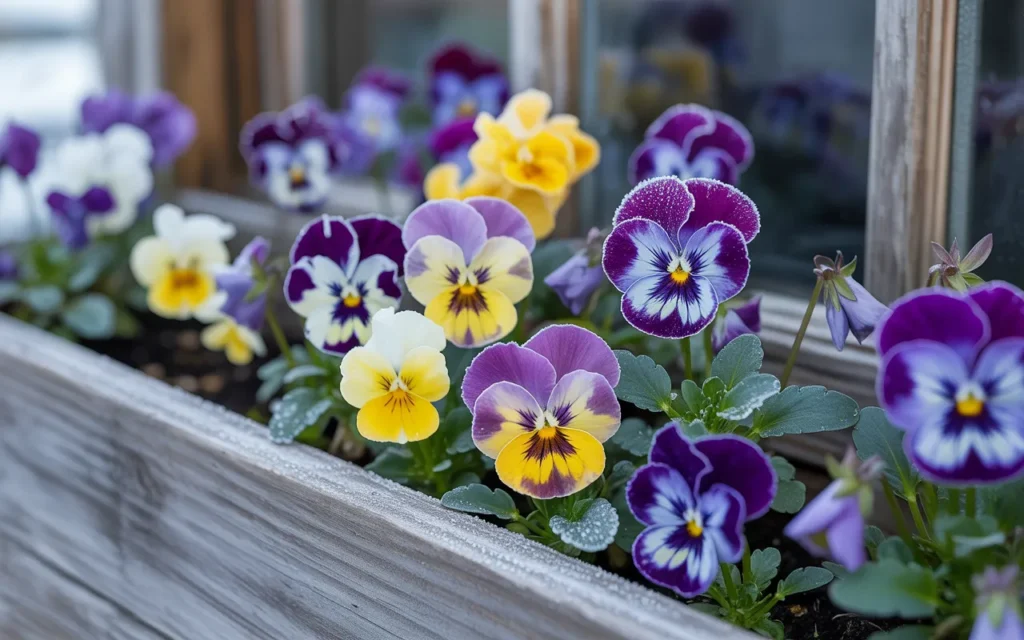
1. Pansy & Viola (Viola x wittrockiana / Viola tricolor)
Pansies and their smaller cousins, violas, are the cheerful faces of the cool-season garden. These charming little flowers are incredibly frost-tolerant and come in an endless array of colors and patterns, from deep velvets to bright yellows and blues, often with adorable “whisker” markings.
They are the first flowers to appear in garden centers in spring and the last to leave in the fall, providing reliable color when little else is blooming.
- Why They’re Great: They are incredibly cold-tolerant and can even survive being frozen solid, popping right back up once the sun thaws them.
- Best Uses: Perfect for early spring and fall containers, window boxes, and for lining the front of a garden bed for a splash of cheerful color.
- Gardening Tip: Pansies are heavy feeders. To keep them blooming profusely, it helps to start with a nutrient-rich potting soil. Amending your containers with a high-quality mix like {FoxFarm Ocean Forest Potting Soil} gives them the rich organic matter they love.
2. Snapdragon (Antirrhinum majus)
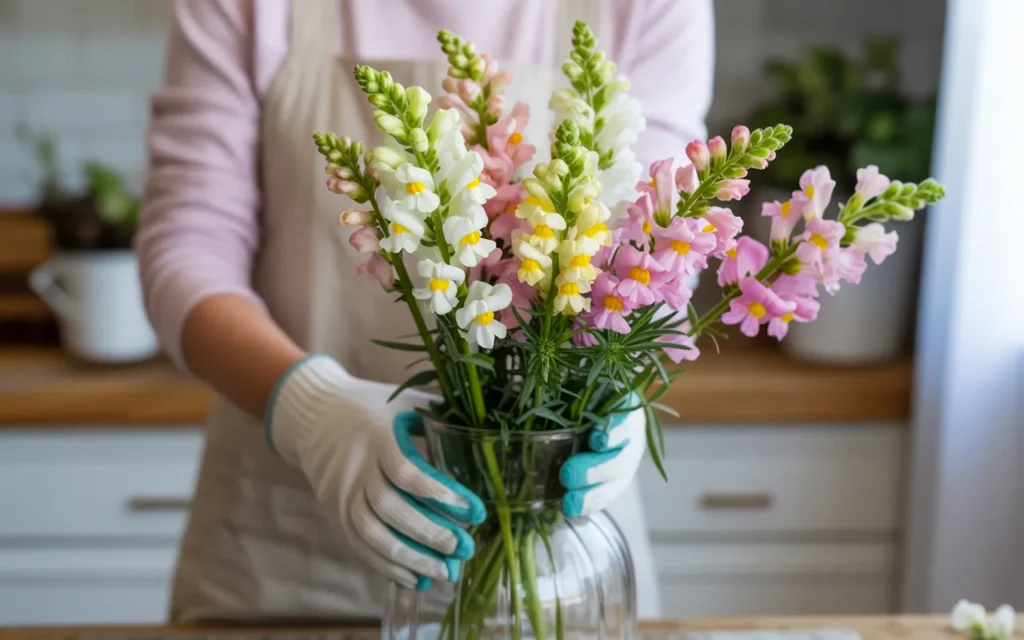
Snapdragons are a classic cottage garden flower, beloved for their tall, elegant spires of uniquely shaped blossoms that you can gently squeeze to open the “dragon’s jaw.”
While they may look delicate, snapdragons are surprisingly tough and thrive in the cooler weather of spring and fall.
In fact, they often stop blooming during the peak heat of summer, only to put on a spectacular second show as temperatures cool down.
- Why They’re Great: Their ability to handle light frosts makes them one of the best hardy annual flowers for early spring planting. The tall varieties are also exceptional cut flowers.
- Best Uses: Adding vertical height and drama to the back or middle of a border, in cutting gardens, and as a “thriller” in large cool-season container arrangements.
- Gardening Tip: Starting snapdragons from seed is very rewarding. You can get an early start by using a simple seed starting kit like the {Jiffy Professional Greenhouse Seed Starting Kit} indoors about 6-8 weeks before your last frost date.
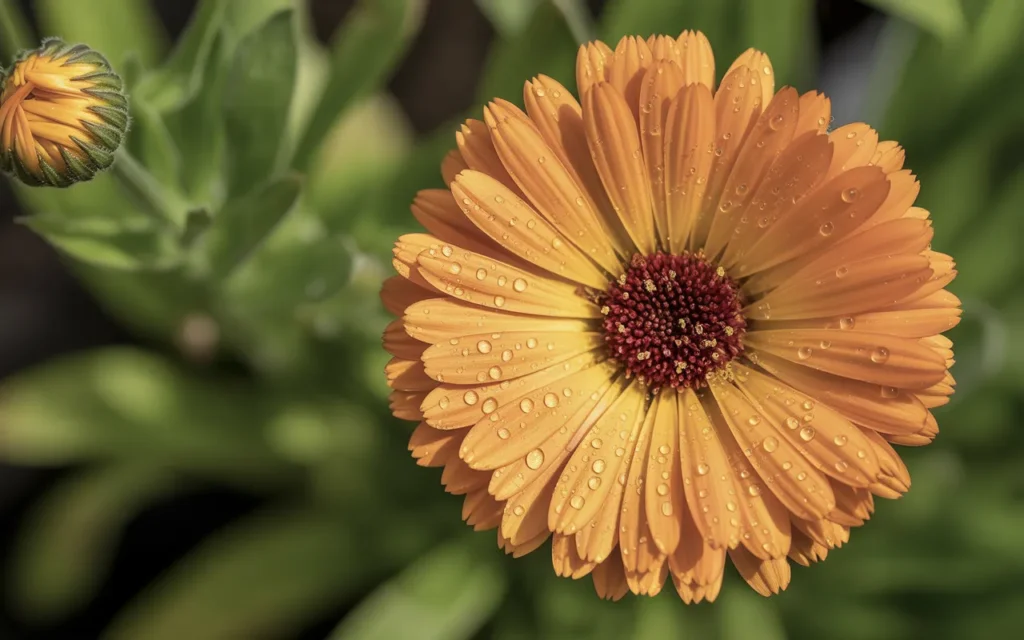
3. Calendula (Calendula officinalis)
Often called “pot marigold,” calendula is a cheerful, easy-to-grow hardy annual with daisy-like flowers in sunny shades of orange, yellow, and soft apricot.
Not only is it beautiful, but it’s also edible—the petals can be sprinkled on salads for a peppery splash of color.
Calendula prefers cooler weather and will bloom profusely from spring through early summer, and then again in the fall.
- Why They’re Great: It readily self-sows, meaning you’ll often get volunteer seedlings the following year. It’s also known for its skin-soothing properties.
- Best Uses: In herb gardens, vegetable gardens (it’s a great companion plant), informal cottage-style beds, and containers. The flowers are wonderful for cutting.
- Gardening Tip: Calendula is one of the easiest flowers to grow directly from seed sown in the garden in early spring as soon as the soil can be worked.
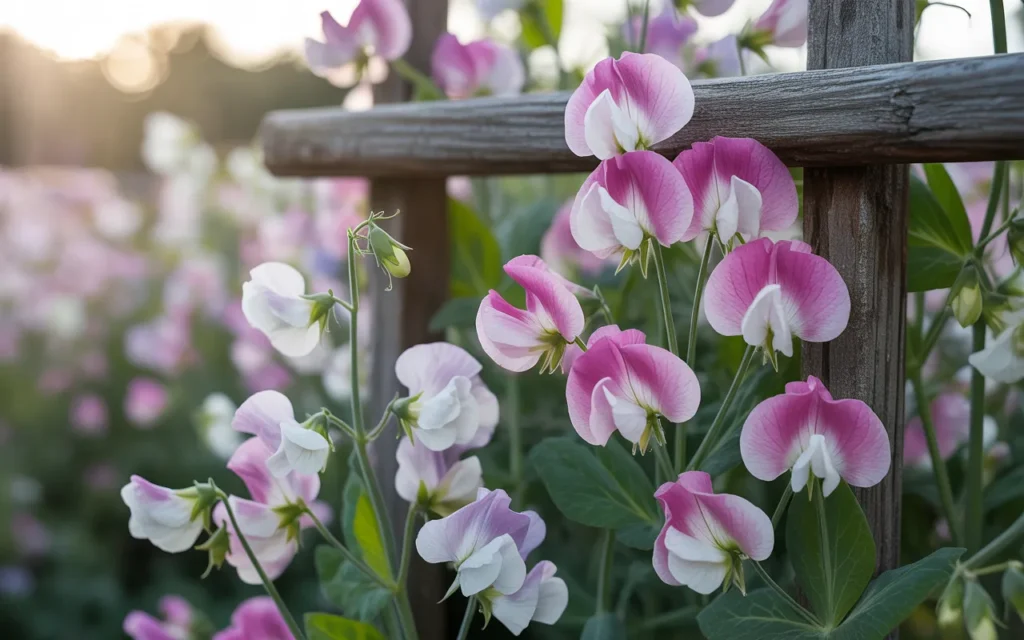
4. Sweet Pea (Lathyrus odoratus)
There is nothing quite like the heavenly, sweet fragrance of sweet peas. These beautiful vining flowers are the epitome of a spring garden, producing delicate, ruffled blooms in a huge range of colors.
Sweet peas are true hardy annuals that must have cool temperatures to thrive. They should be planted as early as possible in the spring, as they will fade once the summer heat arrives.
- Why They’re Great: Their incredible fragrance is reason enough to grow them. They are also one of the most beautiful cut flowers for spring bouquets.
- Best Uses: Growing up trellises, fences, or obelisks in the garden. They must have something to climb on.
- Gardening Tip: Sweet pea seeds have a hard coat. To improve germination, either nick the seed coat with a nail file or soak them in water overnight before planting. A sturdy trellis, like the {Gardener’s Blue Ribbon Sturdy Vine Support}, is essential for their success.
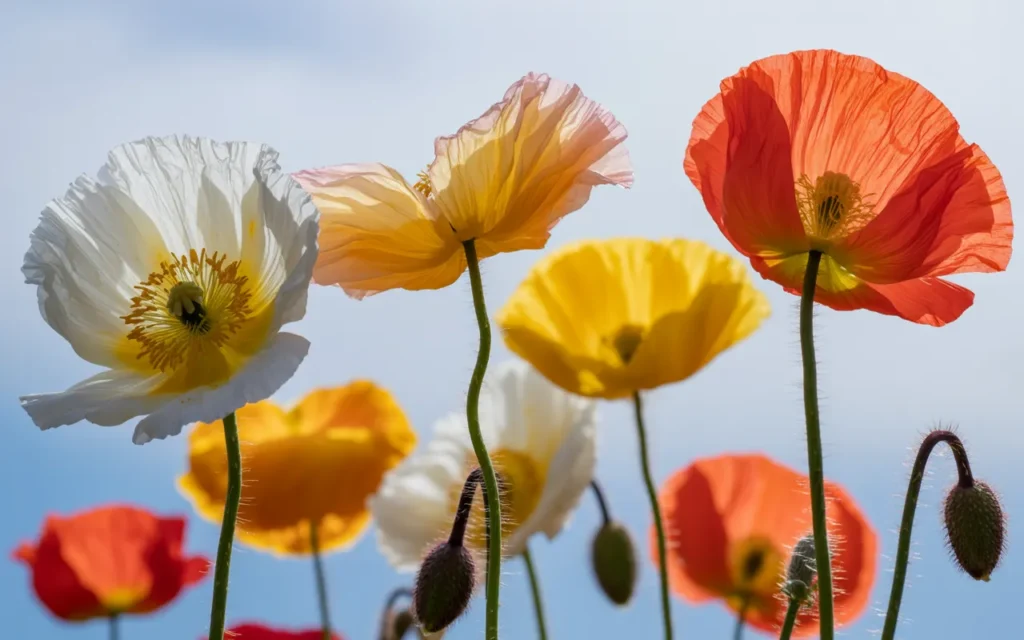
5. Iceland Poppy (Papaver nudicaule)
Iceland poppies are absolute jewels of the cool-season garden. They produce stunning, cup-shaped flowers with tissue-paper-like petals that seem to float on top of long, wiry stems.
The colors are breathtaking, ranging from pure white and sunny yellow to vibrant orange and soft salmon pink. They love cool weather and will put on their best show in the spring.
- Why They’re Great: Their ethereal, delicate beauty is unlike any other flower. They make exquisite, if short-lived, cut flowers.
- Best Uses: Planted in drifts in a sunny border for a stunning visual impact. They look best when planted in groups rather than as single specimens.
- Gardening Tip: Poppies resent having their roots disturbed. It’s best to sow the tiny seeds directly in the garden in late fall or very early spring.
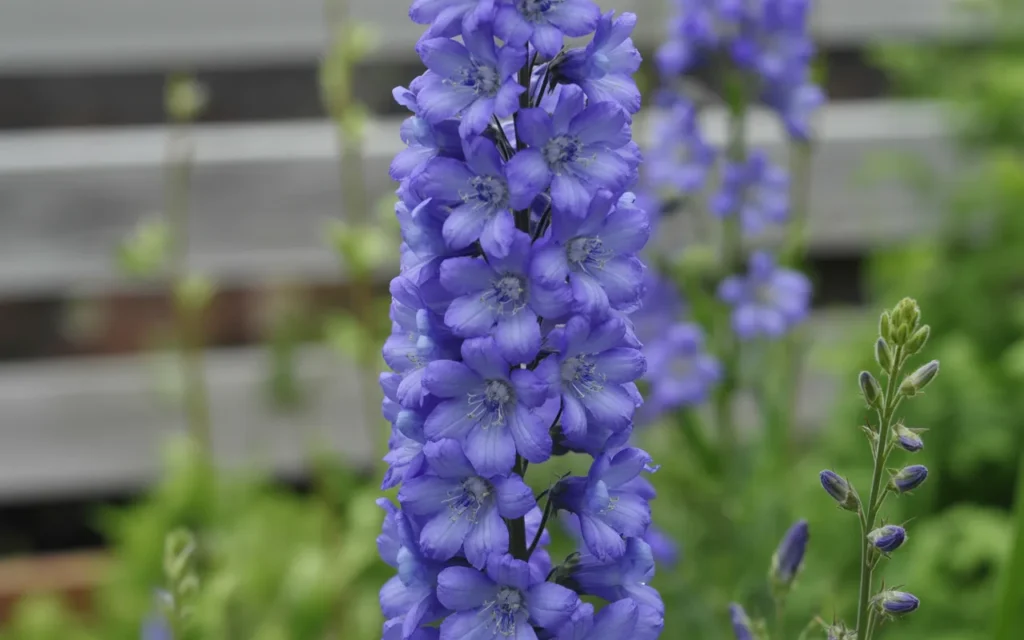
6. Larkspur (Consolida ajacis)
Larkspur is the annual version of the stately delphinium, producing tall, magnificent spires of densely packed flowers in beautiful shades of blue, purple, pink, and white.
It’s a quintessential cottage garden plant that thrives in the cool weather of late spring and early summer. It adds a wonderful vertical element to the garden before the true summer flowers take over.
- Why They’re Great: It provides incredible height and drama in the spring garden. It’s also a fantastic, long-lasting cut flower and dries beautifully.
- Best Uses: At the back of a border for a stunning vertical accent, or in a dedicated cutting garden.
- Gardening Tip: Larkspur needs a period of cold to germinate properly (cold stratification). For best results, direct sow the seeds in the garden in the fall so they can overwinter, or in very early spring while the ground is still cold.
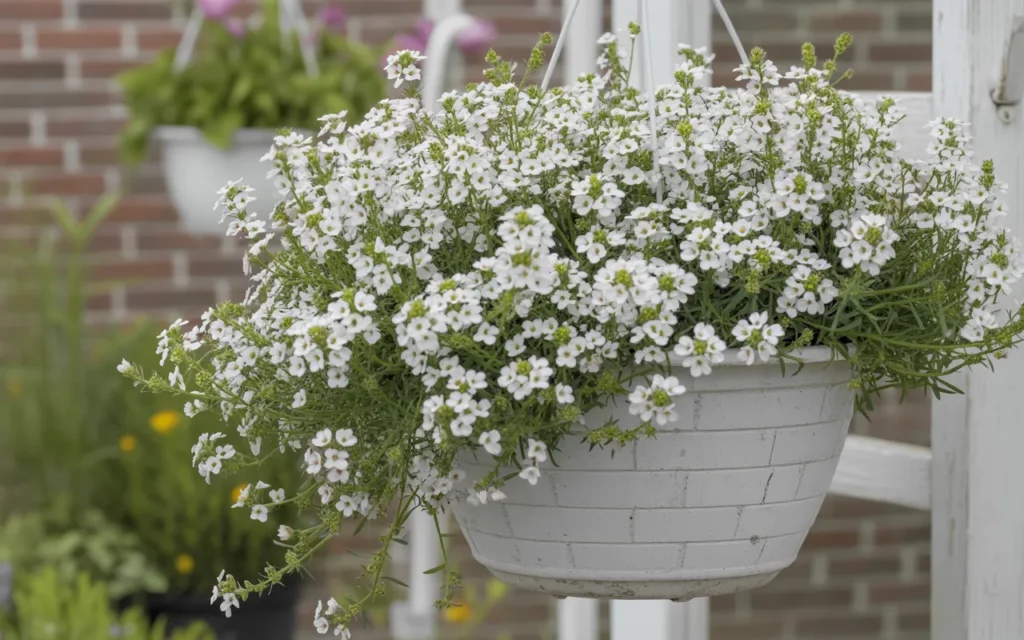
7. Sweet Alyssum (Lobularia maritima)
This low-growing, spreading annual is a powerhouse of fragrance and delicate beauty. Sweet alyssum is covered in tiny, honey-scented flowers from early spring until a hard frost, though it may slow down in extreme heat. I
t forms a frothy carpet of white, pink, or purple blooms and is incredibly easy to grow. It handles light frosts with ease, making it a reliable performer for the entire season.
- Why They’re Great: Its sweet fragrance is delightful, and it’s a perfect “spiller” and filler plant for containers and beds, weaving its way around other plants.
- Best Uses: Cascading over the edges of pots and window boxes, as a living mulch at the base of taller plants, or as a fragrant edging along a pathway.
- Gardening Tip: If it starts to look leggy mid-season, don’t be afraid to give it a light “haircut” with a pair of shears. This will encourage a fresh new flush of dense growth and blooms. A good pair of {Fiskars All-Purpose Garden Shears} makes this quick and easy.
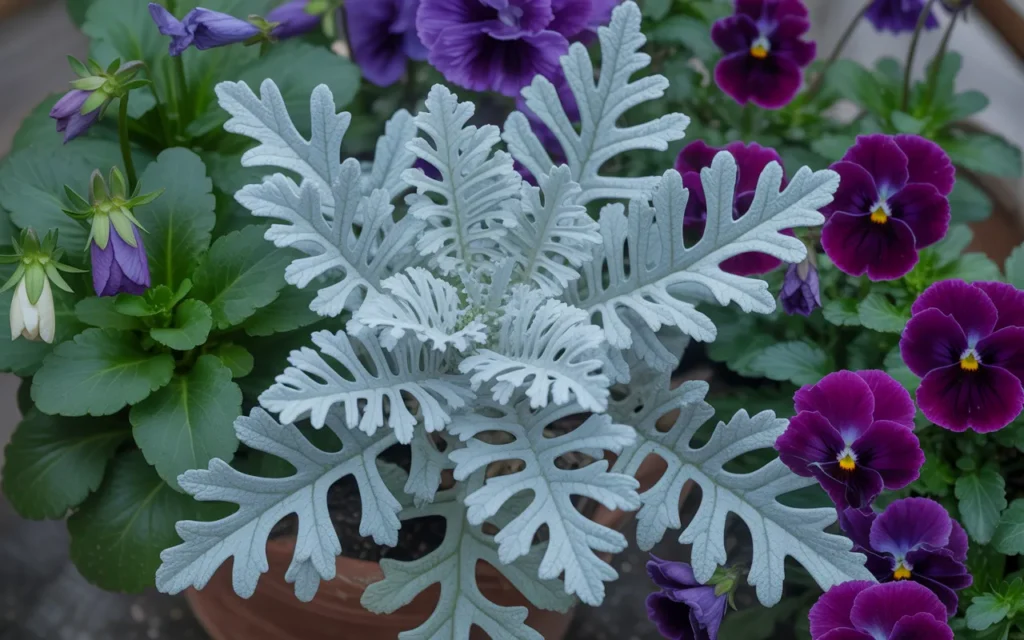
8. Dusty Miller (Jacobaea maritima)
While it does produce small yellow flowers, dusty miller is grown for its stunningly beautiful foliage. The leaves are a brilliant silvery-white and are covered in a soft, felt-like fuzz.
This cool, silvery tone provides a fantastic contrast to both colorful flowers and green-leaved plants. It’s extremely tough and can handle both frost and heat, making it a season-long performer.
- Why They’re Great: Its unique color and texture make other plants pop. It’s incredibly versatile and looks good with literally any color combination.
- Best Uses: As a contrasting element in container arrangements, as a silvery edging along a border, or to create patterns in a formal garden bed.
- Gardening Tip: Dusty miller is very drought-tolerant once established, making it a great choice for low-water areas.
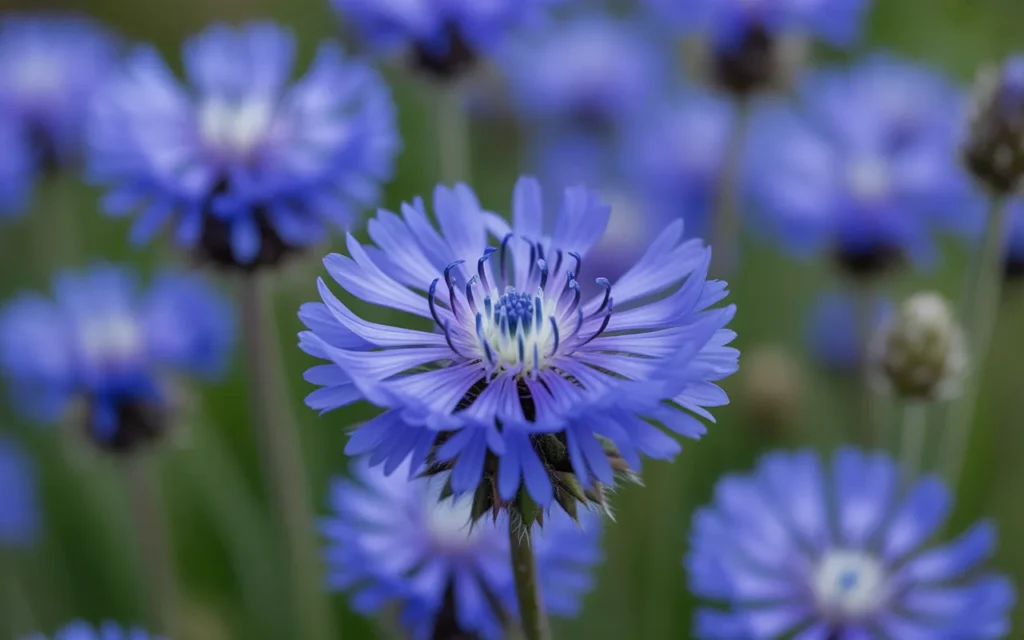
9. Bachelor’s Button (Centaurea cyanus)
Also known as cornflower, this old-fashioned favorite is a wonderfully easy and productive hardy annual. It produces charming, thistle-like flowers, most famously in a brilliant, true blue, but also in shades of pink, maroon, and white. They have a long bloom season, starting in late spring, and are a favorite of bees and other pollinators.
- Why They’re Great: That intense blue color is rare in the flower world. They are excellent cut flowers and can also be dried for crafts.
- Best Uses: In informal cottage gardens, wildflower meadows, and cutting gardens. They look best planted in large drifts.
- Gardening Tip: For the longest bloom season, sow seeds in succession every 2-3 weeks in the early spring. They are very easy to direct sow in the garden.
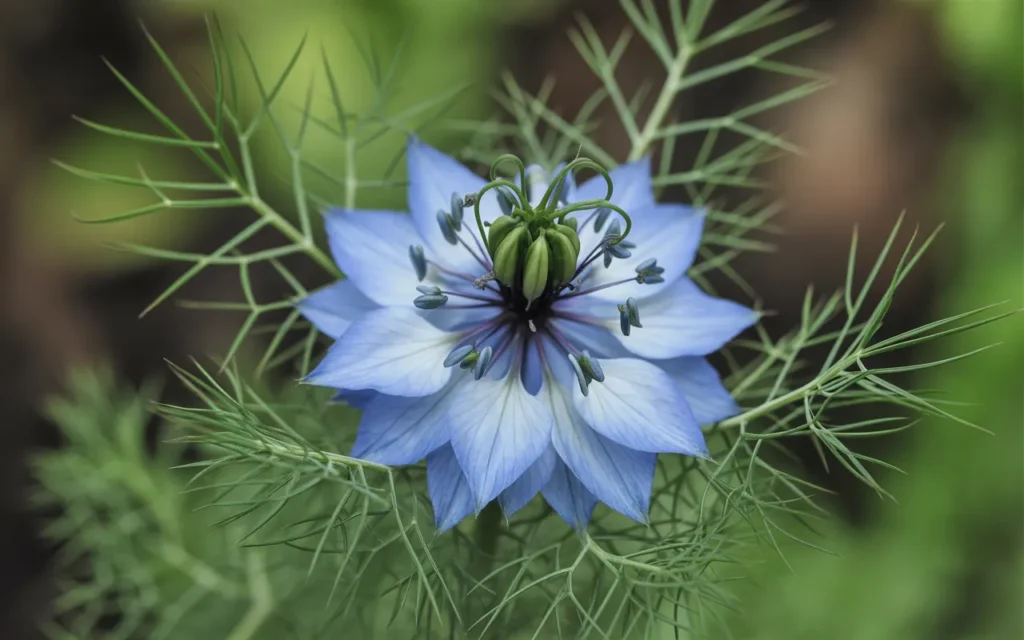
10. Nigella (Nigella damascena)
Commonly known as “Love-in-a-Mist,” nigella is one of the most enchanting hardy annuals you can grow. It has extremely fine, feathery, fennel-like foliage that forms a “mist” around its unique jewel-like flowers.
The flowers, typically in shades of blue, white, or pink, are followed by equally attractive, striped, balloon-like seed pods that are fantastic in dried arrangements.
- Why They’re Great: Its unique texture, beautiful flowers, and fascinating seed pods provide interest in the garden for many weeks.
- Best Uses: Woven throughout a cottage garden border where its fine texture can contrast with bolder leaves. It’s also great for cutting gardens.
- Gardening Tip: Nigella despises being transplanted. Always direct sow the seeds in the garden where you want them to grow, either in fall or early spring.
11. Clarkia (Clarkia amoena)
Also known as Godetia or Farewell-to-Spring, clarkia is a beautiful West Coast native that has become a favorite of cut flower growers.
It produces lovely, cup-shaped, satin-textured flowers in shades of pink, salmon, lavender, and white, often with beautiful bi-color patterns. It thrives in cool weather and, as its name suggests, blooms as spring is transitioning to summer.
- Why They’re Great: The flowers have a gorgeous, silky sheen and come in incredibly beautiful, soft colors. They are long-lasting in a vase.
- Best Uses: In mass plantings for a stunning effect, in cutting gardens, and in wildflower mixes.
- Gardening Tip: Clarkia needs cool soil to germinate and grow well. Direct sow in early spring. It does not perform well in hot, humid climates.
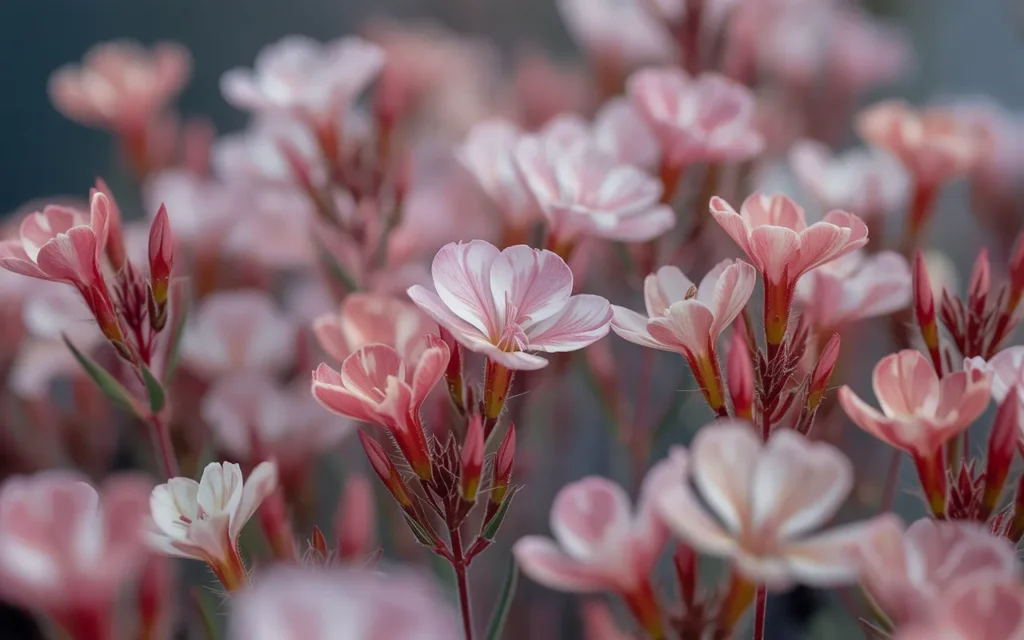
12. Stock (Matthiola incana)
If you love fragrant flowers, you must grow stock. This wonderful hardy annual produces dense spikes of flowers that have a heavenly, sweet, and spicy clove-like scent.
The blooms come in a range of soft pastel colors like pink, lavender, white, and pale yellow. They love cool weather and are a staple of early spring bouquets.
- Why They’re Great: The fragrance is simply intoxicating. It’s one of the best-smelling flowers you can plant in your cool-season garden.
- Best Uses: In a cutting garden, near a patio or window where its fragrance can be enjoyed, or in the middle of a border for vertical interest.
- Gardening Tip: To ensure a steady supply of these fragrant beauties, it helps to feed them regularly. A water-soluble fertilizer like {Miracle-Gro Water Soluble All Purpose Plant Food}, applied every couple of weeks with a watering can, will encourage strong growth and abundant blooms.
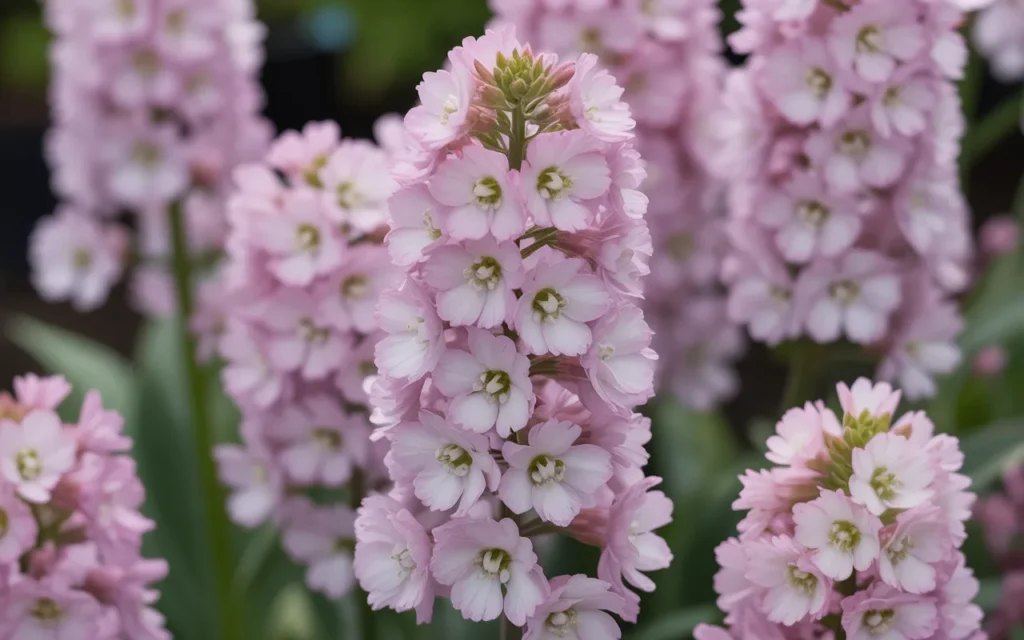
13. Forget-Me-Not (Myosotis sylvatica)
These charming little plants produce clouds of tiny, sky-blue flowers with bright yellow centers in the spring. Forget-me-nots are the perfect plant for creating a romantic, woodland feel.
They are technically biennials but self-seed so prolifically that they behave like hardy annuals, returning year after year to create a beautiful blue carpet.
- Why They’re Great: They create a magical, river-like effect when planted in large drifts and are a perfect groundcover under spring-blooming bulbs like tulips and daffodils.
- Best Uses: As a groundcover in woodland gardens, underplanting taller shrubs or bulbs, or in shady, moist corners of the garden.
- Gardening Tip: Forget-me-nots thrive in moist, shady conditions. They will happily spread to fill a space, so plant them where you don’t mind them naturalizing.
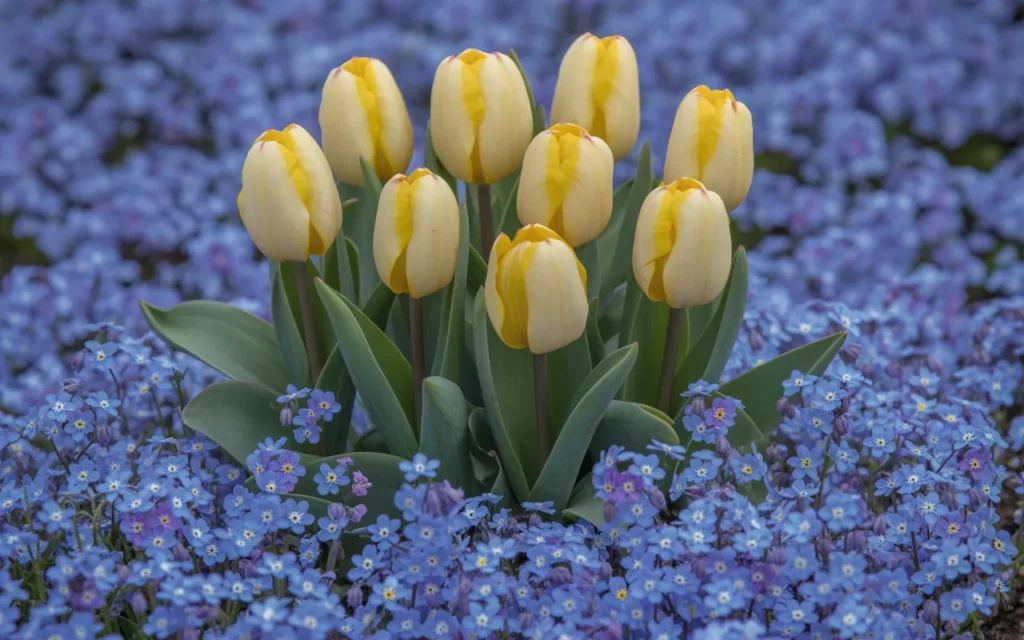
14. Scabiosa (Scabiosa atropurpurea)
Commonly known as Pincushion Flower, the annual scabiosa produces wonderful, intricate flowers that look like little pincushions stuck with pins.
They have a long bloom time, a gentle, sweet scent, and come in a wide range of colors from deep burgundy and lavender to pink and white. They are very attractive to butterflies.
- Why They’re Great: Their unique flower form adds interesting texture to the garden and bouquets. They have long, wiry stems that are perfect for cutting.
- Best Uses: In cottage gardens, butterfly gardens, and cutting gardens. They mix beautifully with other informal flowers.
- Gardening Tip: For the best-looking plants, it’s a good idea to protect your hands while you work. A comfortable pair of gloves like the {Pine Tree Tools Bamboo Working Gloves} offers great dexterity for planting seeds or small seedlings.
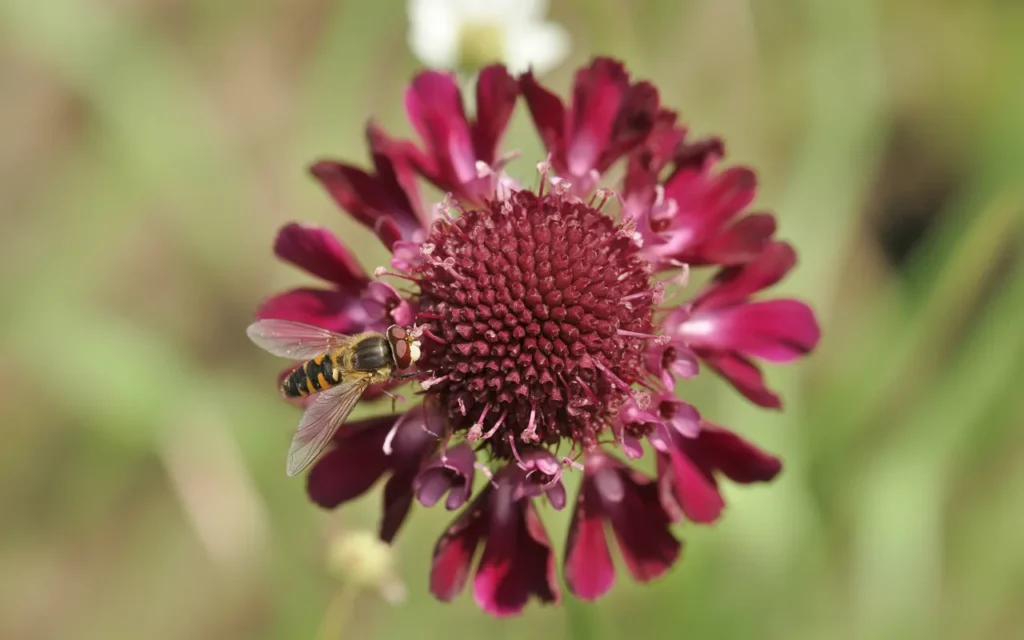
15. China Aster (Callistephus chinensis)
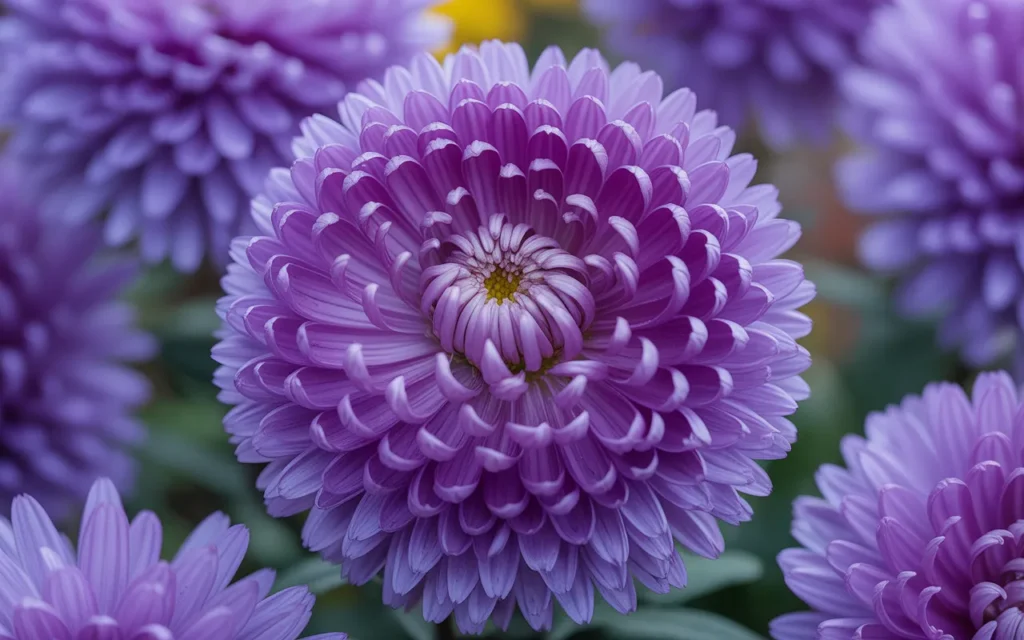
Not to be confused with the perennial fall-blooming asters, China asters are spectacular hardy annuals that produce lush, chrysanthemum-like flowers in late summer and early fall.
They come in an amazing array of forms—from single and daisy-like to huge, fluffy pom-poms—and in every color except true blue. They thrive as the weather cools, providing brilliant color when summer annuals begin to fade.
- Why They’re Great: They are one of the best and most productive cut flowers for the late season, filling the gap between summer and the first frost.
- Best Uses: In a dedicated cutting garden or planted in a large group in a border for a stunning autumn display.
- Gardening Tip: Asters can be prone to fungal diseases. Ensure they have good air circulation by not overcrowding them, and try to water the base of the plant rather than the leaves.
Recommended Products for Your Hardy Annual Garden
Here is a quick summary of the helpful products mentioned to help you succeed with your cool-season flowers.
| Product Name | Brand | Key Benefit |
|---|---|---|
| {FoxFarm Ocean Forest Potting Soil} | FoxFarm | A rich, organic soil perfect for containers. |
| {Jiffy Professional Greenhouse Kit} | Jiffy | An easy, all-in-one system for starting seeds indoors. |
| {Gardener’s Blue Ribbon Vine Support} | Gardener’s Blue Ribbon | A sturdy trellis for supporting climbing flowers like sweet peas. |
| {Fiskars All-Purpose Garden Shears} | Fiskars | Great for trimming back plants to encourage new growth. |
| {Miracle-Gro Water Soluble Plant Food} | Miracle-Gro | An easy-to-use fertilizer for promoting abundant blooms. |
| {Behrens Steel Watering Can} | Behrens | A durable, classic can for gentle watering and feeding. |
| {Pine Tree Tools Bamboo Working Gloves} | Pine Tree Tools | Comfortable gloves that offer good dexterity and protection. |
Conclusion: Extend Your Garden’s Beauty with Hardy Annuals
Gardening doesn’t have to be confined to the three short months of summer. By embracing the world of hardy annual flowers, you can unlock weeks, or even months, of additional color and beauty.
From the first cheerful pansies of spring to the last magnificent asters of fall, these resilient plants offer a strength and beauty all their own.
You no longer need to wait anxiously for the weather to be “perfect.” You can get out in your garden earlier, enjoy your blooms longer, and create a landscape that is dynamic and full of life for more of the year.
So this season, try planting a few of these tough beauties. You’ll be rewarded with a garden that is not only more beautiful but also more resilient.
