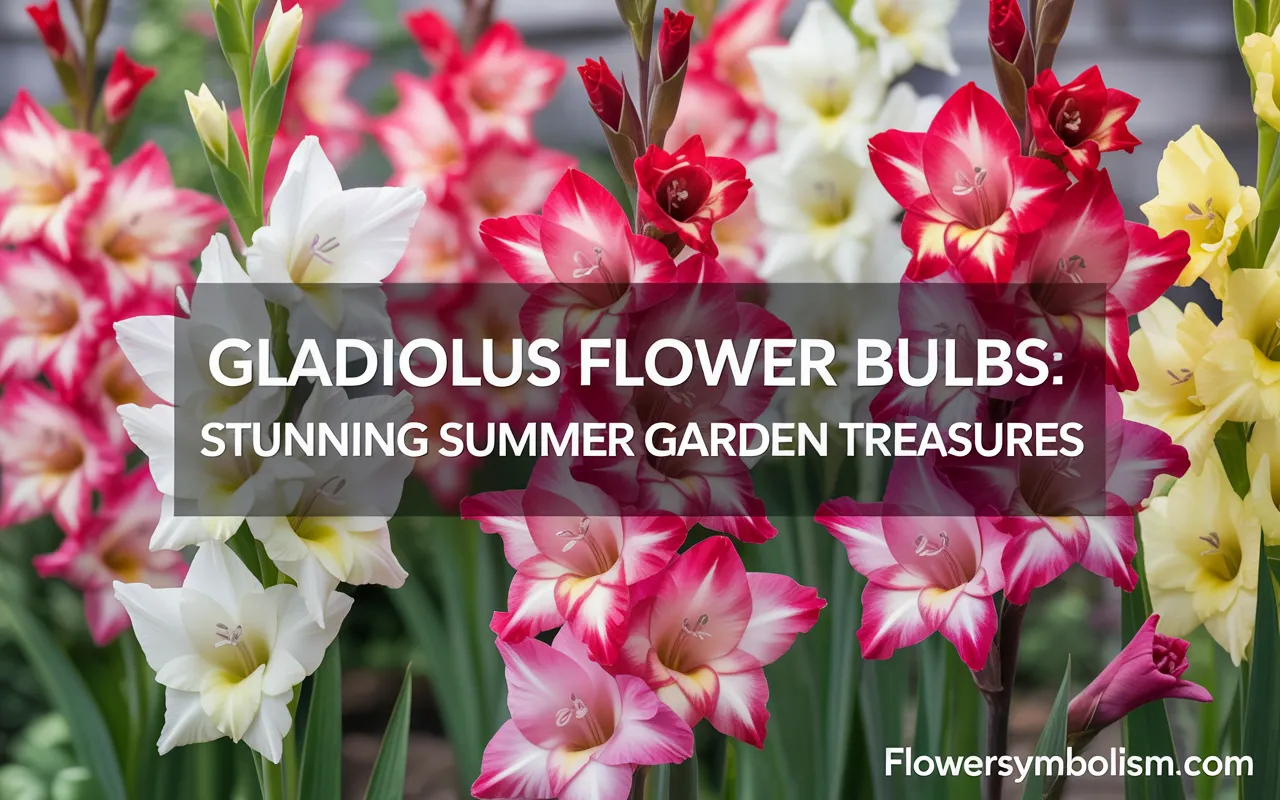
If you have ever walked through a summer garden and stopped in your tracks to admire a tower of ruffled, vibrant blooms reaching for the sky, you were likely looking at gladiolus. These majestic flowers, affectionately known as “glads,” are the exclamation points of the flower bed.
Planting gladiolus flower bulbs (technically corms) is one of the easiest ways to add dramatic height and a riot of color to your backyard landscape.
Whether you want to create show-stopping floral arrangements or simply enjoy a colorful view from your kitchen window, gladiolus are the perfect choice. They are inexpensive, easy to grow, and come in nearly every color of the rainbow.
If you are ready to elevate your garden game this season, here is your complete guide to planting, caring for, and enjoying these stunning summer treasures.
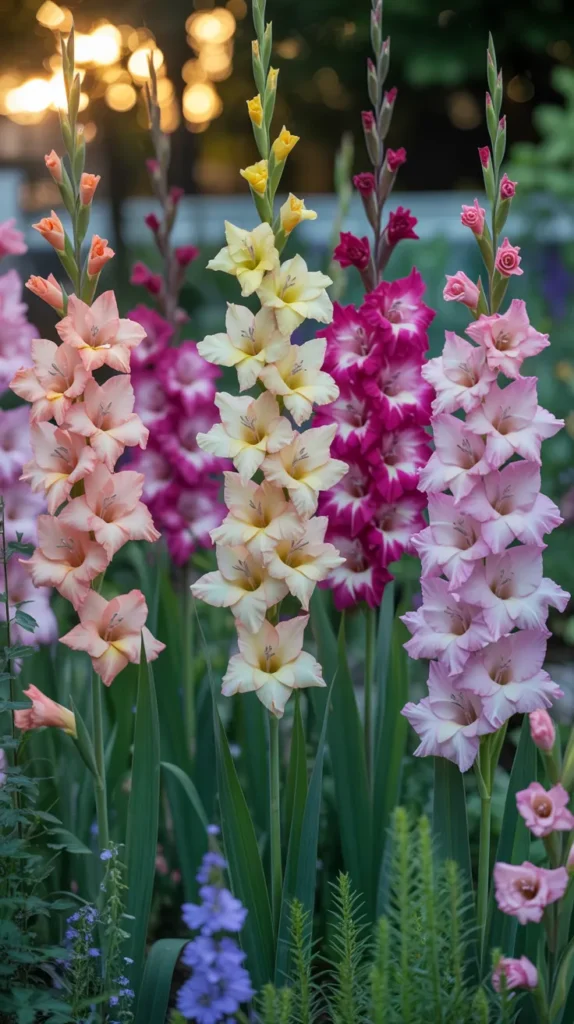
1. Timing is Everything: Spring Planting
Unlike tulips and daffodils which are planted in the chill of autumn, gladiolus flower bulbs love the warmth. They are tender corms that cannot survive freezing soil temperatures.
Wait until the danger of frost has passed in your area and the soil has warmed up to at least 55°F before planting. This usually means late spring for most US gardeners. If you plant too early in cold, wet soil, the corms are prone to rot before they ever get a chance to sprout.
2. Succession Planting for Non-Stop Blooms
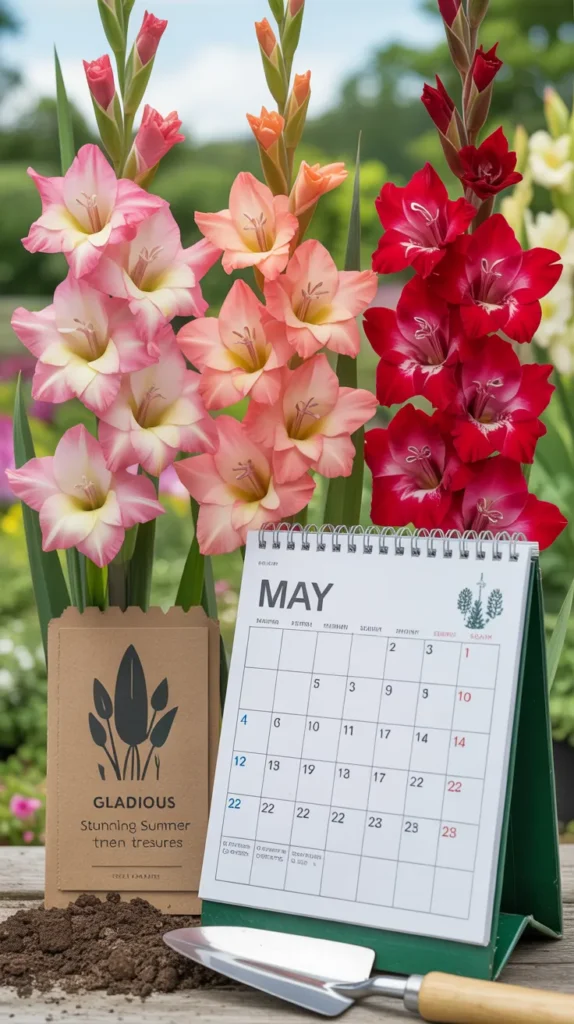
A single gladiolus stalk is glorious, but it only blooms for about two weeks. To ensure your garden is filled with color all summer long, borrow a trick from professional flower farmers called “succession planting.”
Instead of planting all your corms at once, plant a new batch every two weeks from your last frost date until early July. This staggers the bloom time, ensuring that as one set of flowers fades, a fresh new wave is just beginning to open.
Use a simple labeling system to keep track of your batches. {WHATOOK Plant Labels} are durable and perfect for marking the date each group went into the ground, so you don’t accidentally dig up a spot you’ve already planted.
3. Dig Deep for Sturdy Stalks
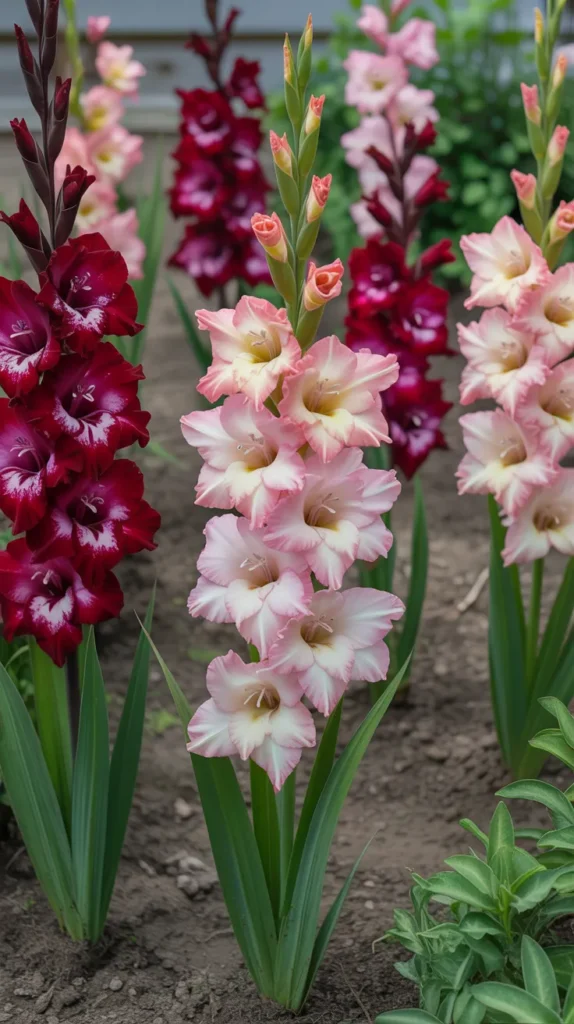
One of the most common issues with gladiolus is their tendency to lean or fall over once the heavy flower spikes develop. A great way to give them a fighting chance against gravity is to plant them deep.
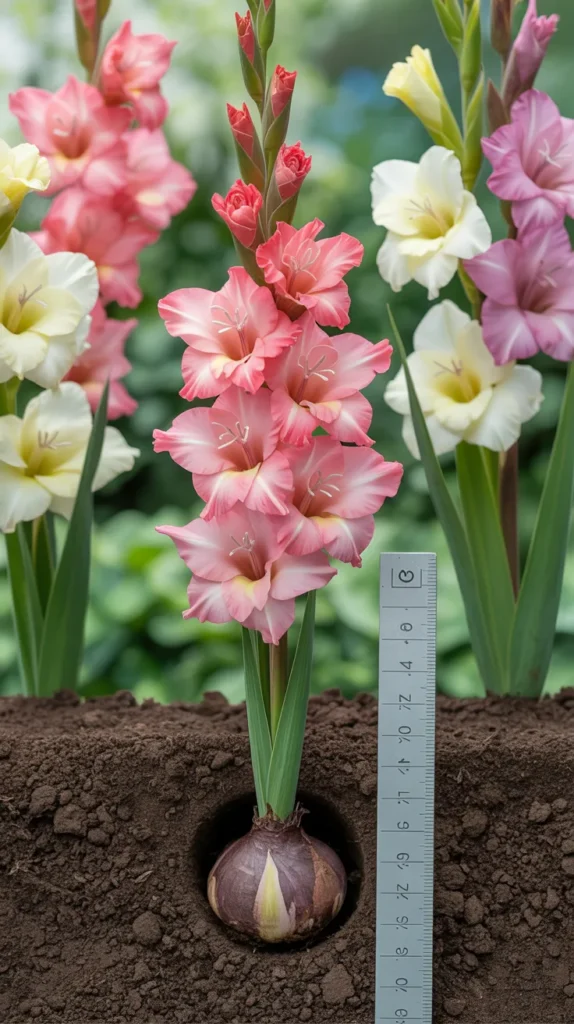
Aim to plant your gladiolus flower bulbs about 4 to 6 inches deep. This deeper planting depth encourages strong root systems that can better anchor the tall stalks.
Place the corm in the hole with the pointed side facing up (that’s where the sprout comes from) and the flat side down (where the roots grow).
4. Feed Them for Fabulous Flowers
Gladiolus are hungry plants. Growing those massive flower spikes takes a lot of energy. To get the biggest blooms and brightest colors, you need to provide plenty of nutrition.
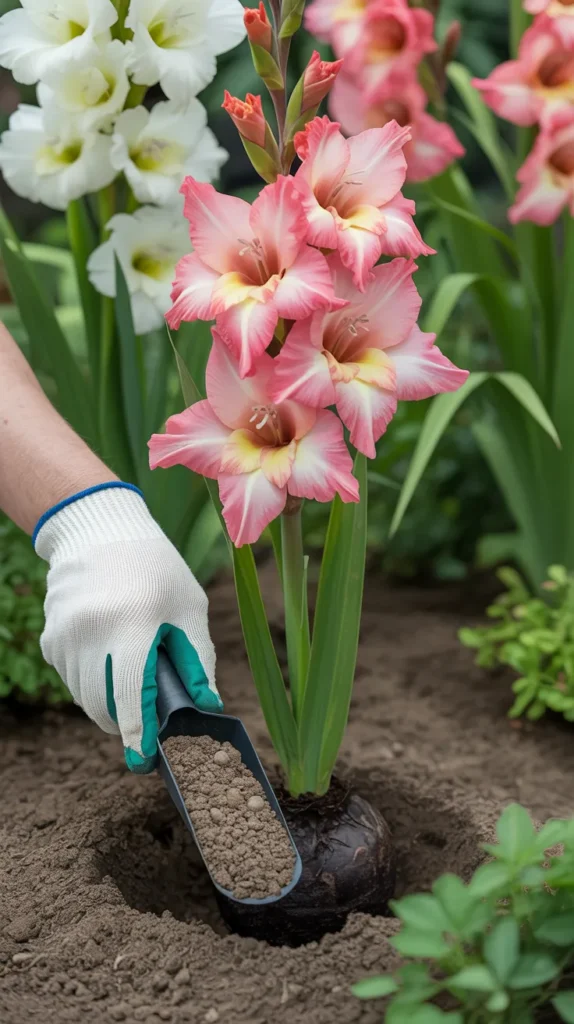
Mix a slow-release fertilizer into the soil at planting time. A phosphorus-rich option like {Jobe’s Organics Bone Meal} is ideal because it specifically promotes strong root development and vibrant flowering. Just a sprinkle in the planting hole goes a long way.
5. Stake Them Early
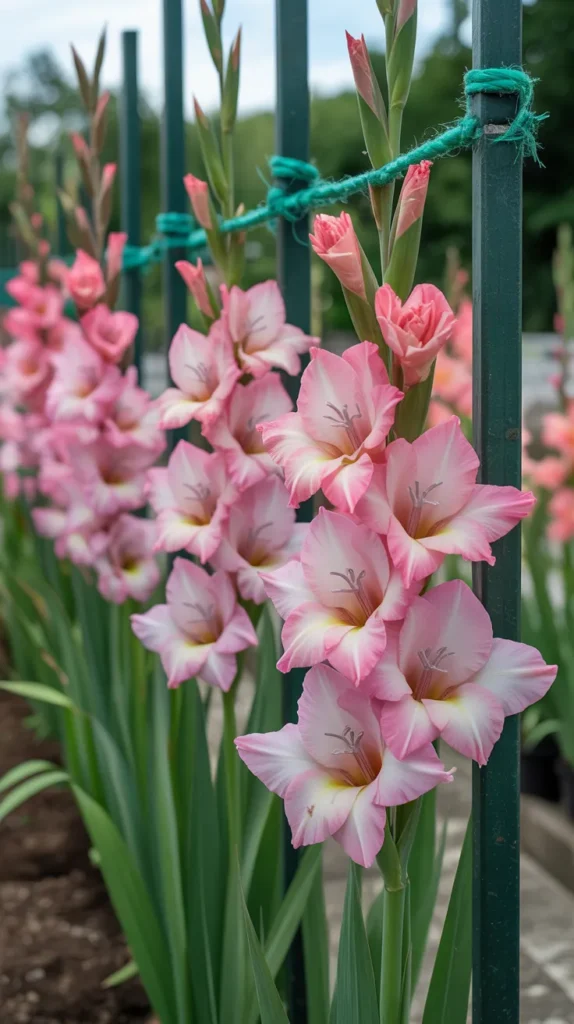
Even with deep planting, some gladiolus varieties grow so tall (up to 5 feet!) that they will need extra support, especially in windy areas. It is much easier to stake them when you plant them than to try to prop up a fully grown plant later.
You can use individual bamboo stakes or a grid system for a larger patch. {Gardener’s Blue Ribbon Sturdy Plant Stakes} are excellent for this purpose. Simply insert the stake next to the corm at planting time, being careful not to pierce it. As the plant grows, you can gently tie the stalk to the stake.
6. Water Wisely
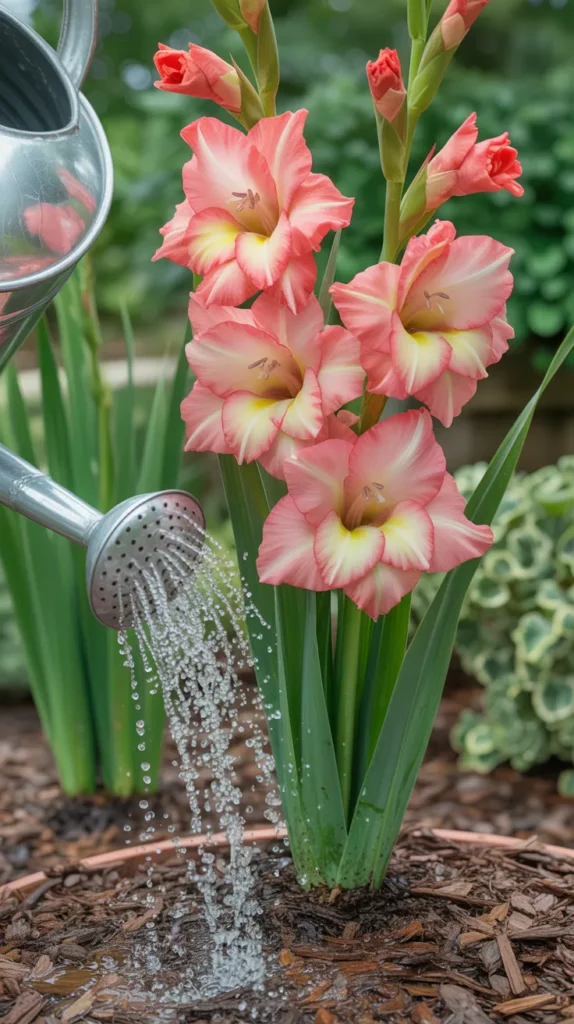
Consistent moisture is key to happy gladiolus. They need about an inch of water per week, especially once the flower stalks start to form. Irregular watering can lead to shorter spikes and smaller flowers.
However, they hate soggy feet. Ensure your soil drains well. To keep the soil moist without promoting fungal diseases on the leaves, water at the base of the plant rather than overhead. A layer of mulch will also help retain moisture and suppress weeds.
7. Harvest for Breathtaking Bouquets
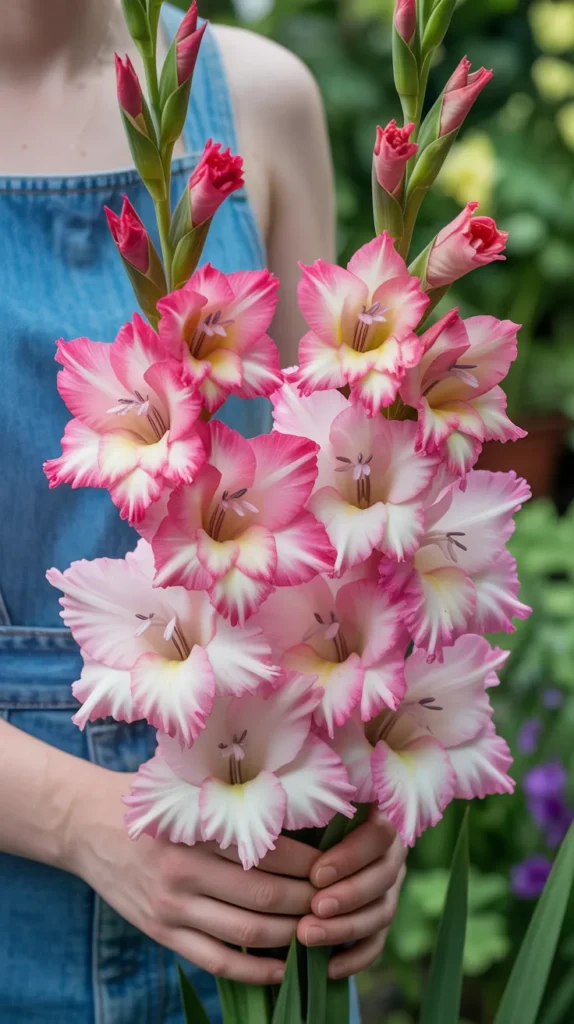
Gladiolus are legendary cut flowers. They last for over a week in a vase and add unmatched drama to arrangements. The secret to a long vase life is to harvest them at the right moment.
Cut the stalk when only the bottom one or two flowers have fully opened. The remaining buds will continue to open day by day once they are in water.
Use sharp, clean tools to make a clean cut. {Gonicc Professional Pruning Shears} are perfect for slicing through the thick stalks without crushing them.
8. Winter Care: Digging and Storing
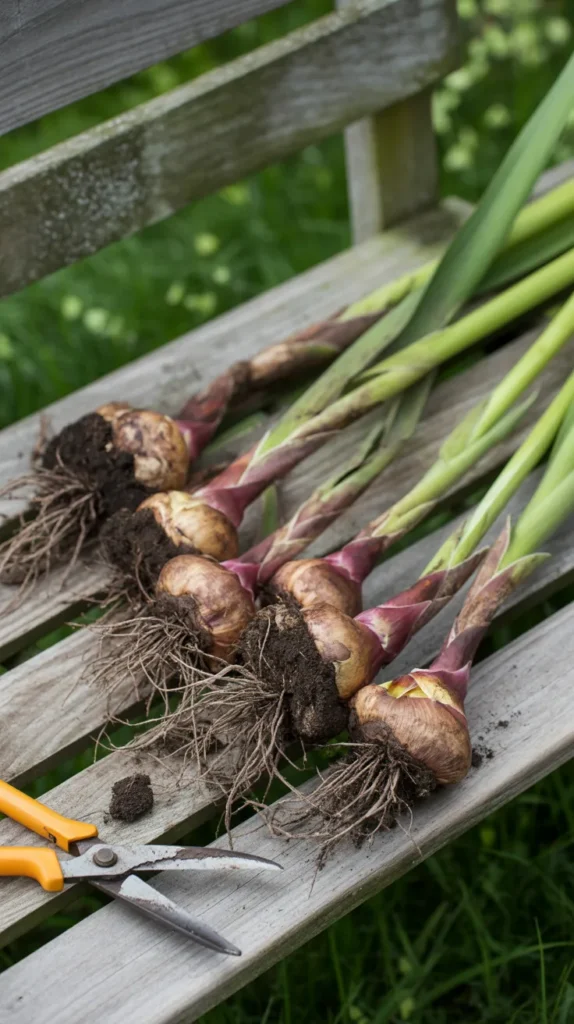
In USDA zones 8 and warmer, you can leave your gladiolus flower bulbs in the ground year-round (with a layer of mulch). But for colder zones, you’ll need to dig them up in the fall to save them for next year.
Wait until the first frost has killed the foliage. Dig up the corms, cut off the stalk about an inch above the corm, and let them cure (dry out) in a warm, airy place for a few weeks.
This process involves a lot of kneeling and digging. Protect your joints with a comfortable {Garden Kneeler and Seat}, which makes the fall cleanup much less of a chore.
9. Pest Patrol: Thrips
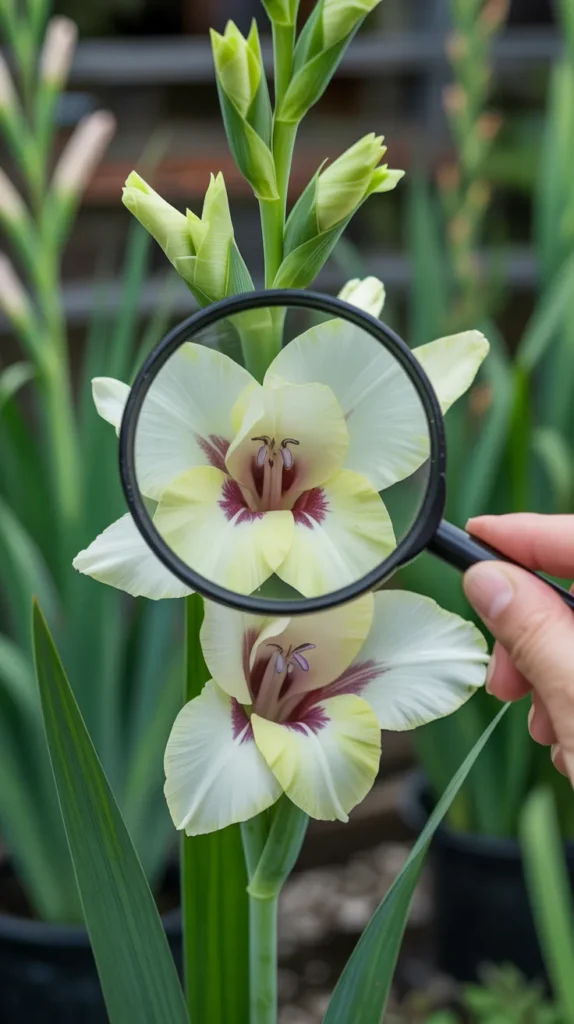
The biggest enemy of the gladiolus is a tiny insect called the thrip. These microscopic pests feed on the flowers and leaves, causing streaks and discoloration. If your blooms look deformed or fail to open, thrips are likely the culprit.
Prevention is the best medicine. Inspect your corms before planting and discard any that look suspicious. During the growing season, keep an eye out for silvery streaks on the leaves. Wearing {COOLJOB Gardening Gloves} while inspecting your plants keeps your hands clean and protected from potential irritants.
10. Creative Garden Design
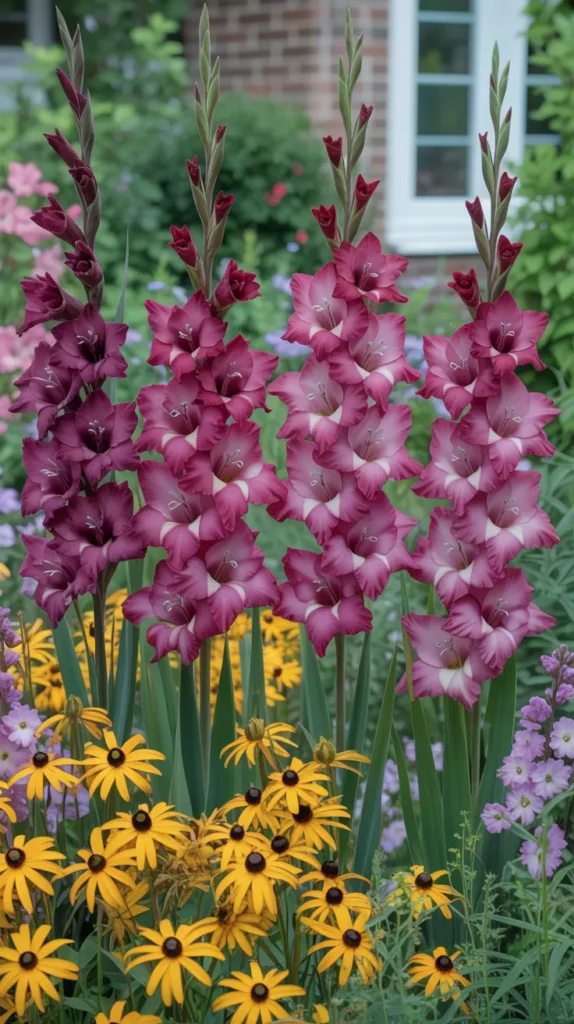
Don’t just relegate your gladiolus to a cutting garden row. Use them as design elements! Their vertical habit makes them perfect for the back of a flower border, where they can rise above mounding perennials like daylilies or coneflowers.
They also look stunning in containers. Plant a cluster of 10-12 corms in a large pot for a portable explosion of color. Just make sure the pot is heavy enough that it won’t tip over when the tall flowers bloom.
Recommended Products for Your Gladiolus Garden
| Product | Use Case |
|---|---|
| {WHATOOK Plant Labels} | Essential for tracking succession planting dates and varieties. |
| {Jobe’s Organics Bone Meal} | Provides phosphorus for strong roots and massive blooms. |
| {Gardener’s Blue Ribbon Sturdy Plant Stakes} | Keeps tall, heavy flower spikes from falling over in the wind. |
| {Gonicc Professional Pruning Shears} | Ensures clean cuts when harvesting thick stalks for bouquets. |
| {Garden Kneeler and Seat} | Saves your knees and back during planting and fall digging. |
| {COOLJOB Gardening Gloves} | Protects hands during planting, weeding, and pest inspection. |
A Summer of Splendor
There is a reason gladiolus have remained a garden favorite for generations. They offer a huge reward for relatively little effort, transforming sunny spots into showcases of color and form.
By following these simple tips for planting and caring for your gladiolus flower bulbs, you are setting yourself up for a summer filled with breathtaking beauty. So grab your trowel, pick out your favorite colors, and get ready to enjoy the show!
