Whether you are an aspiring artist or a gardener dreaming of your next landscaping project, putting pen to paper can be a transformative experience. A flower garden sketch isn’t just about drawing pretty petals; it’s about capturing the soul of a garden, planning future blooms, and finding a moment of mindfulness amidst the chaos of life.
In this guide, we will explore how to create captivating sketches that bring your botanical visions to life. From choosing the right tools to understanding composition, these inspirations will help you master the art of the garden sketch. Let’s grab our sketchbooks and head into the garden!
Why Every Gardener Needs a Flower Garden Sketch
Sketching your garden is one of the most practical tools you can have in your horticultural arsenal. Beyond the artistic value, a flower garden sketch serves as a roadmap for your planting seasons. It allows you to visualize height differences, color palettes, and seasonal changes before you ever dig a hole in the ground.
By drawing out your ideas, you save time and money. You won’t accidentally plant a tall sunflower in front of a delicate petunia because you’ve already “seen” the mistake on paper. Plus, keeping a sketchbook creates a beautiful visual diary of your garden’s evolution over the years.
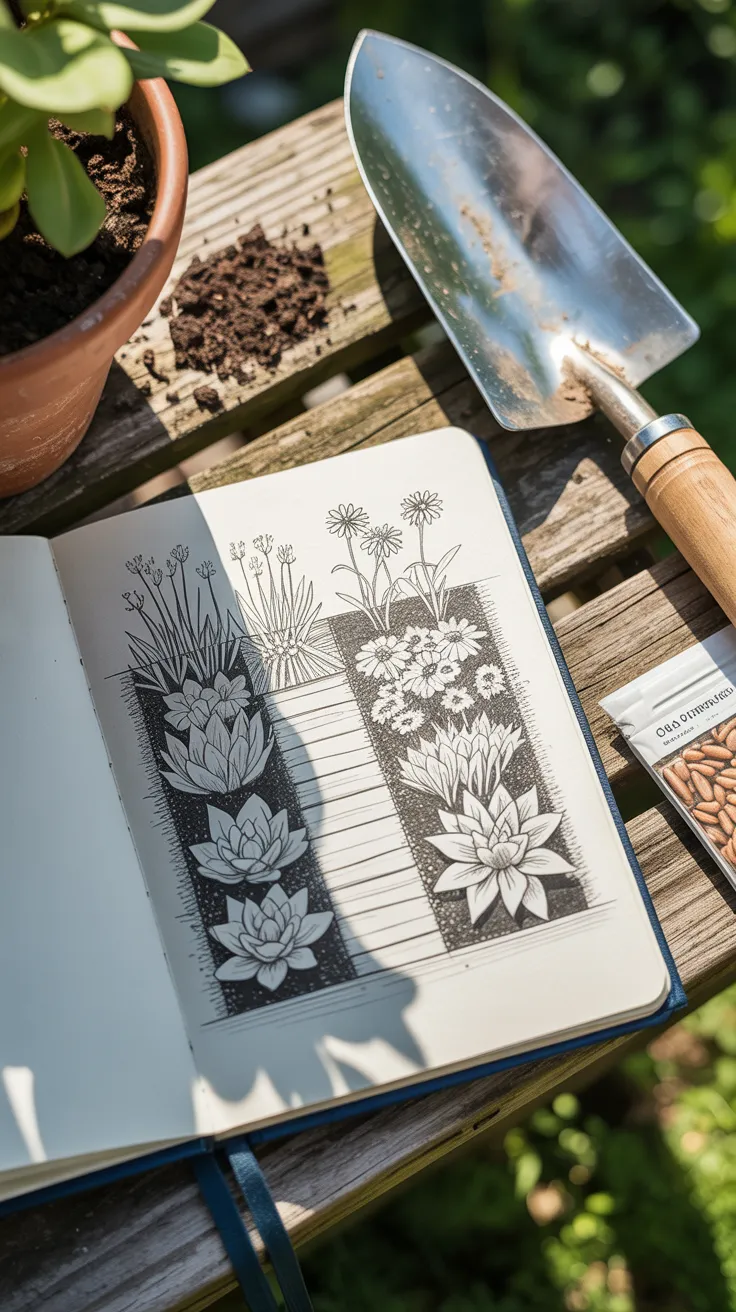
Essential Tools for Your Botanical Art
You don’t need a studio full of expensive supplies to start. The beauty of sketching lies in its simplicity. However, having reliable tools makes the process smoother and more enjoyable.
Pencils and Pens
Start with a range of graphite pencils. A simple HB is great for initial outlines, while softer pencils like 4B allow for rich, dark shading. If you prefer ink, waterproof fine liners are excellent for adding crisp details over watercolor washes.
The Right Paper
Paper quality matters. If you plan to add watercolor to your flower garden sketch, ensure you use mixed-media or watercolor paper that won’t buckle when wet. A sturdy, hardcover sketchbook is perfect for outdoor use as it provides its own support surface.
For those ready to add color, a portable watercolor set is indispensable. The {Windsor & Newton Cotman Watercolor Sketchers Pocket Box} is a favorite among outdoor artists because it fits right in your pocket and offers high-quality pigments that bring floral colors to life.
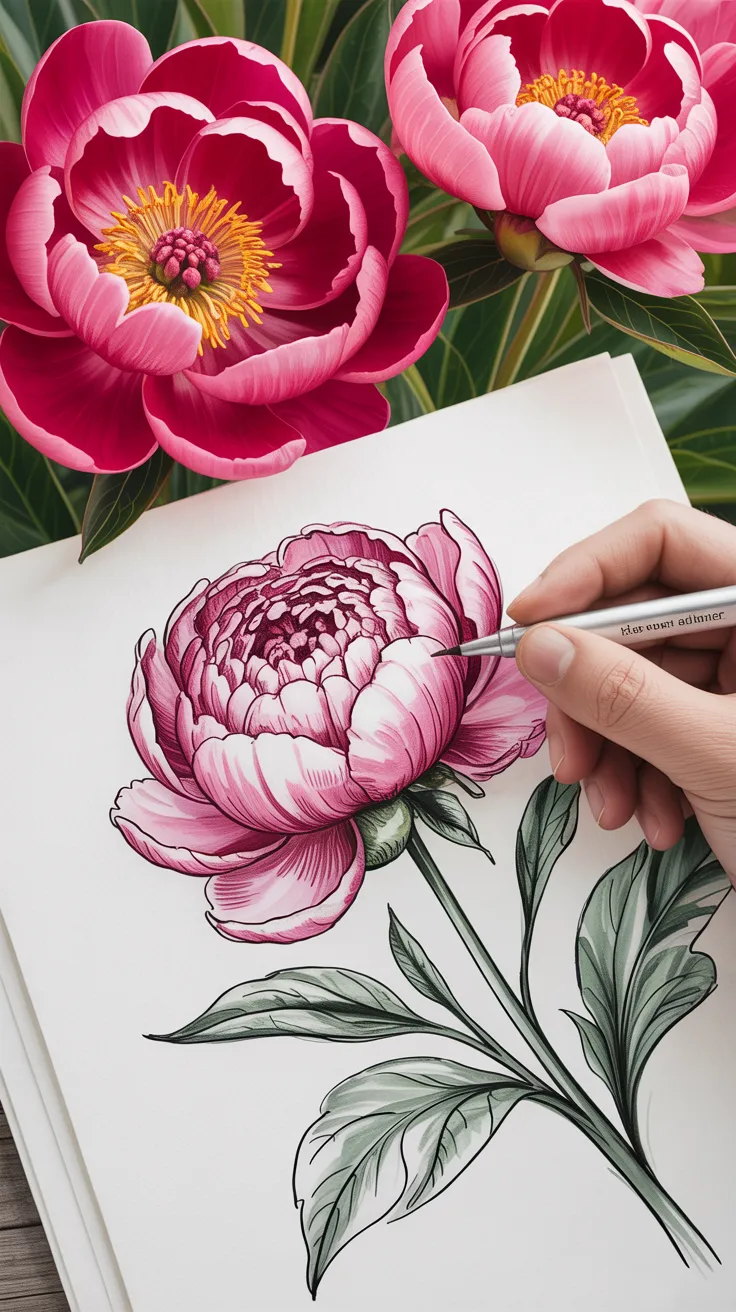
Mastering Composition in a Flower Garden Sketch
Composition is what separates a random doodle from a captivating piece of art. When you look at a chaotic flower bed, it can be overwhelming to decide what to draw. The key is to simplify.
The Rule of Thirds
Imagine a grid over your paper. Place the focal point of your sketch—perhaps a stunning rose bush or a garden gate—at one of the intersections of these lines. This creates a natural balance that is pleasing to the eye.
Foreground, Middle Ground, Background
To give your flower garden sketch depth, include elements from different distances. Draw a detailed flower close up in the foreground, the main flower bed in the middle ground, and perhaps a hint of trees or a fence in the background.
To help visualize these layers before you draw, some artists use a viewfinder. You can also use a high-quality eraser to lift graphite and create highlights. The {Faber-Castell Kneaded Eraser} is perfect for this, as it can be molded to a fine point for precise lifting without damaging the paper.
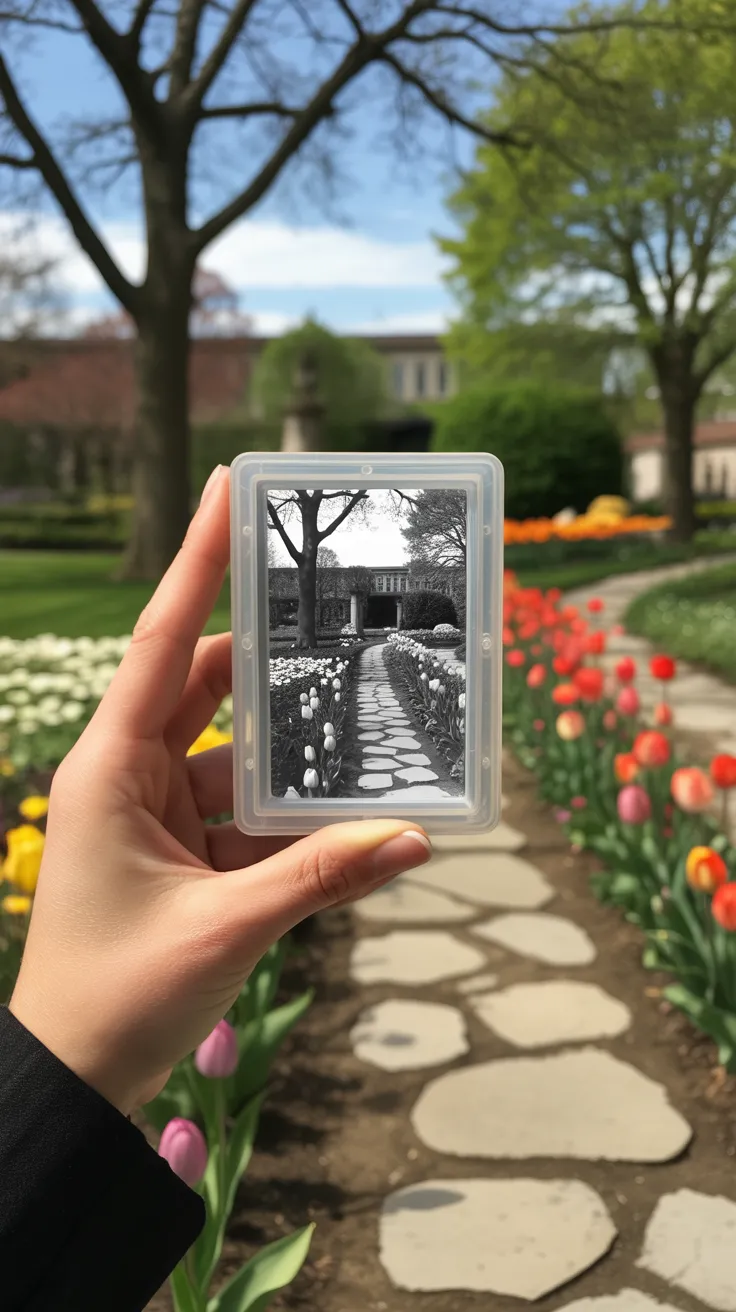
Capturing Texture and Movement
Flowers are rarely stiff and still; they sway in the breeze and have distinct textures. A successful flower garden sketch captures this energy.
loose Lines vs. Hard Edges
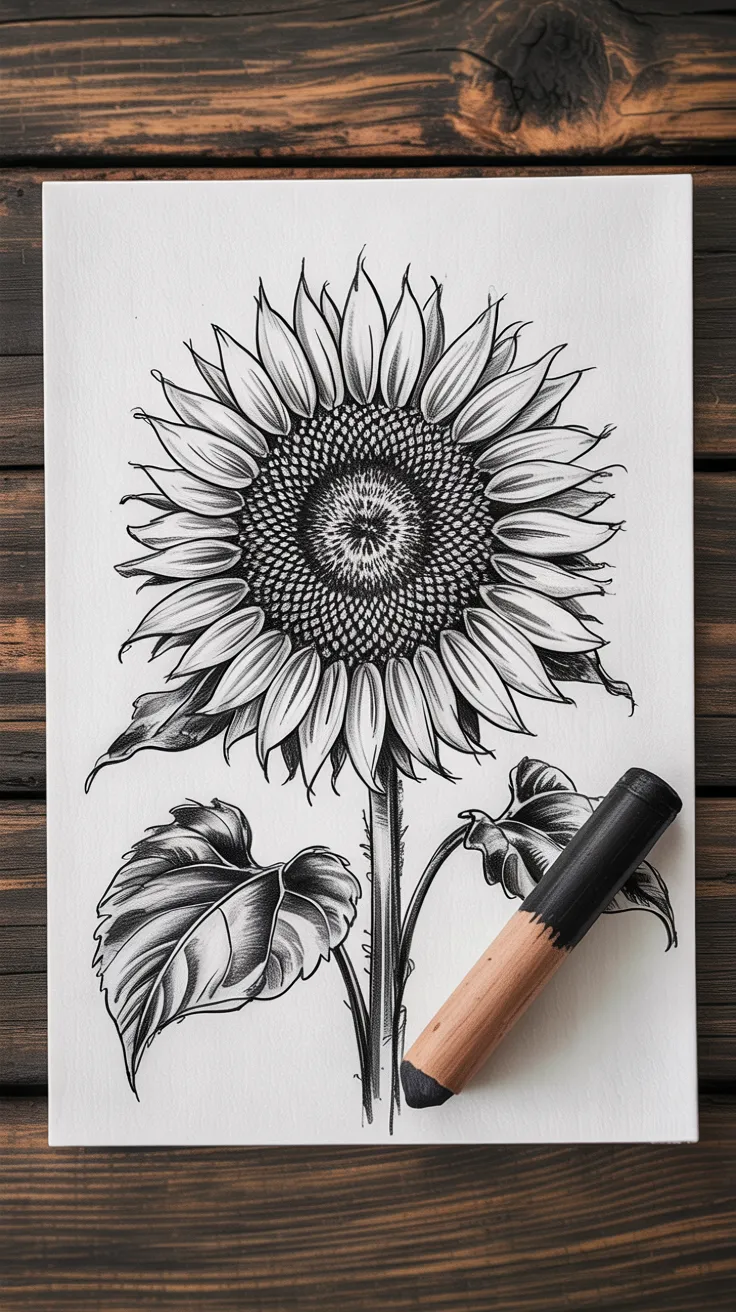
Avoid rigid, continuous outlines. Instead, use broken, loose lines to suggest the delicate nature of petals. Quick, gestural strokes can mimic the movement of tall grasses or wind-blown stems better than slow, heavy lines.
shading for Volume
Use cross-hatching or stippling (dots) to show where the shadows fall. This gives your flowers 3D volume. Observe where the light hits the bloom and leave that area of the paper white.
If you want to add precise highlights later, a white gel pen is a secret weapon. The {Sakura Gelly Roll White Gel Pens} are fantastic for adding dew drops or bright highlights on top of dark shaded areas or watercolor paint.
Adding Color to Your Garden Drawings
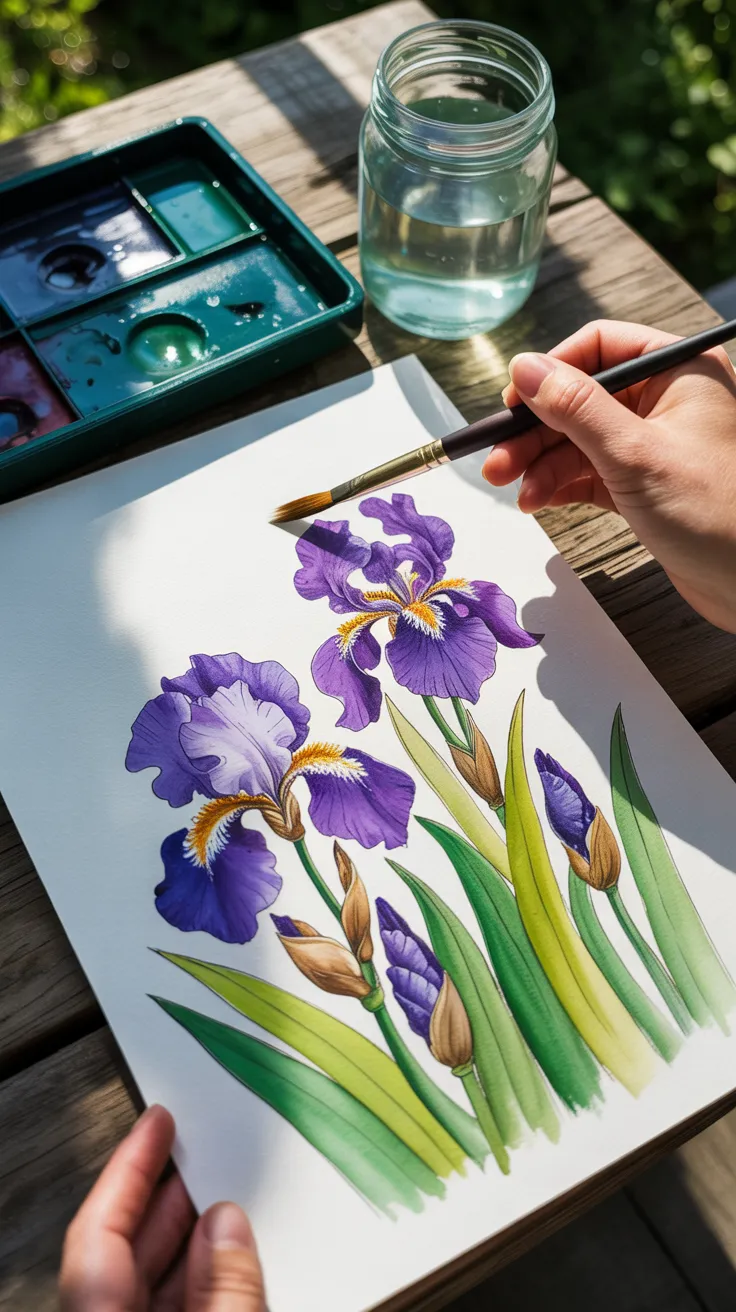
While black and white sketches are elegant, a garden is defined by color. Adding pigment to your flower garden sketch can help you plan color schemes for your actual planting.
Watercolor Washes
Watercolor is the perfect medium for botanicals because of its transparency. Lay down a light wash of green for foliage and let it dry before adding darker layers to define the leaves. This layering technique mimics the way light filters through a canopy.
Colored Pencils
For more control, colored pencils are excellent. You can layer them to create custom shades that match your specific flowers. Combining watercolor for the base and colored pencils for details is a popular mixed-media technique.
To keep your pencils sharp and ready for fine details, a reliable sharpener is a must. The {Prismacolor Premier Pencil Sharpener} is designed specifically to handle soft colored pencil cores without breaking them, ensuring you get the most out of your art supplies.
Using Sketches for Garden Design Planning
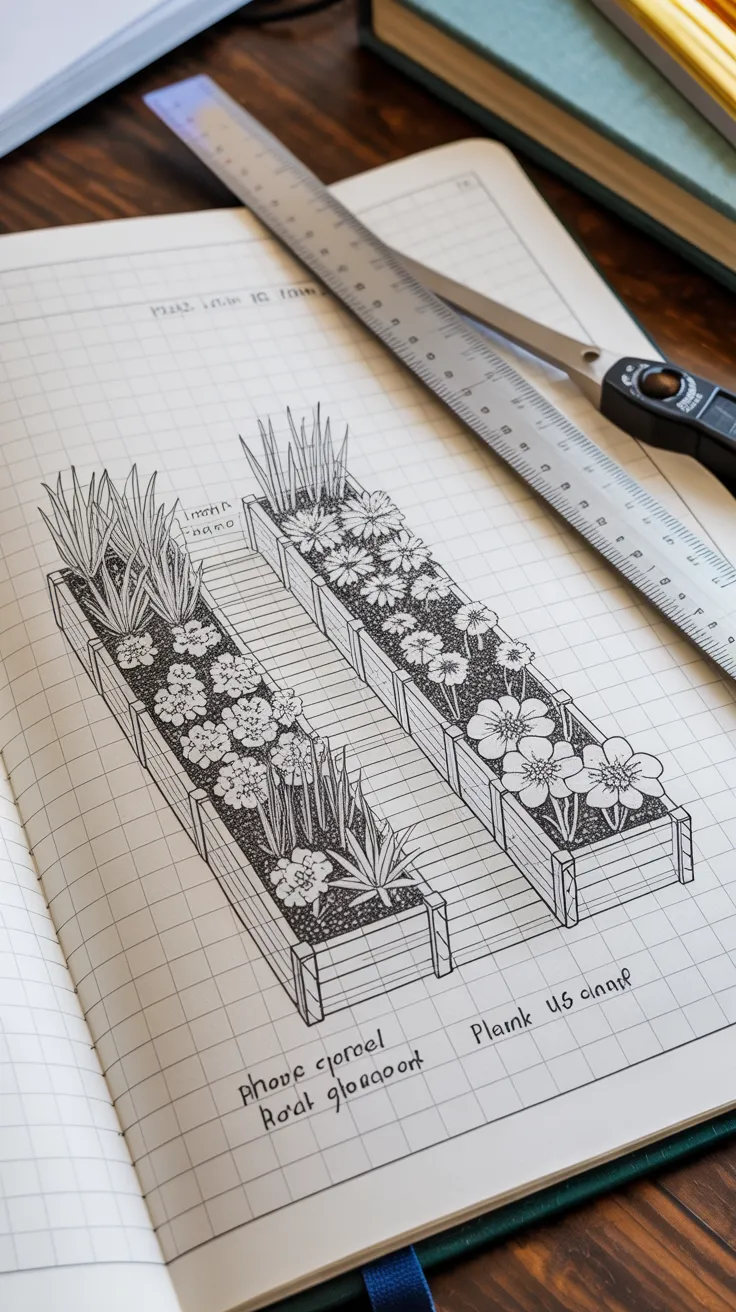
The ultimate practical application of your flower garden sketch is planning. Use your sketches to experiment with layouts before committing to them.
Seasonal Planning
Create four sketches of the same garden bed, one for each season. This helps you identify “dead zones” where you might need to plant evergreens or winter-blooming bulbs.
Space Visualization
Draw your garden to scale on graph paper to ensure your plants have enough room to grow. This technical type of sketch prevents overcrowding.
For precise technical drawings, a good set of fineliners with different nib sizes is essential. The {Sakura Pigma Micron Pen Set} provides archival quality ink that won’t fade, perfect for garden journals that you want to keep for years.
Finding Inspiration: Where to Look
Sometimes the blank page is intimidating. If you are stuck on what to include in your flower garden sketch, look for inspiration in the details.
Macro Sketches
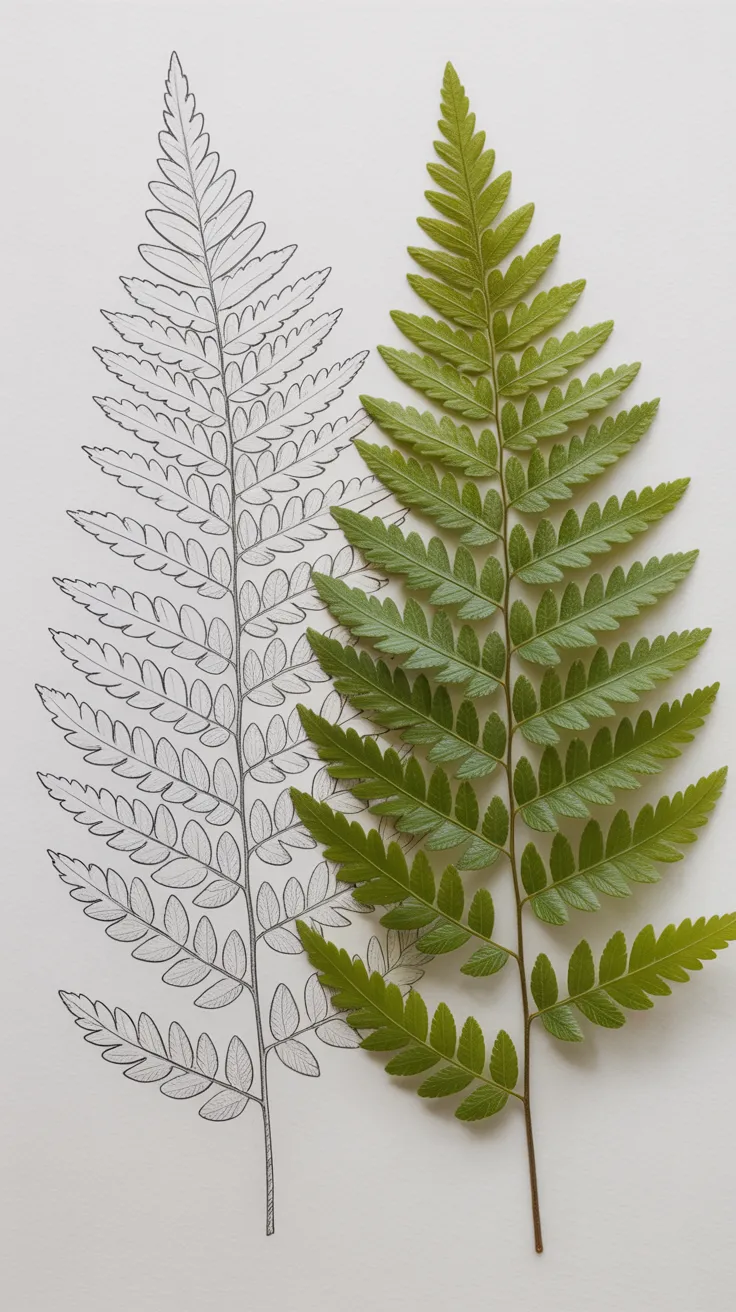
Don’t feel pressured to draw the whole garden. Zoom in on a single seed pod, a curling leaf, or the complex center of a Zinnia. These macro studies improve your observational skills.
Garden Architecture
Incorporate non-plant elements. A weathered bench, a stone birdbath, or an old gate adds narrative to your sketch. These hardscape elements provide contrast to the soft organic shapes of the plants.
If you need reference material on rainy days, a good botanical illustration book is invaluable. {Botanical Line Drawing by Peggy Dean} is a wonderful resource that breaks down complex flowers into simple, easy-to-draw shapes, perfect for beginners building their confidence.
Summary of Recommended Art Tools
Here is a quick reference guide to the creative tools mentioned to help you start your sketching journey.
| Product Name | Best Used For |
|---|---|
| {Windsor & Newton Cotman Watercolor Sketchers Pocket Box} | Portable painting for outdoor sketching |
| {Faber-Castell Kneaded Eraser} | Lifting graphite for highlights without damage |
| {Sakura Gelly Roll White Gel Pens} | Adding bright highlights and dew drops |
| {Prismacolor Premier Pencil Sharpener} | sharpening soft-core colored pencils safely |
| {Sakura Pigma Micron Pen Set} | Creating crisp, archival-quality outlines |
| {Botanical Line Drawing by Peggy Dean} | Learning simple steps to draw flowers |
Final Thoughts on Your Garden Art
Creating a flower garden sketch is a practice of patience and observation. It forces you to slow down and really look at the natural world around you. Whether you use these sketches to plan a massive landscape renovation or simply to relax on a Sunday afternoon, the connection you build with your garden will be invaluable.
Don’t worry about perfection. The most charming sketches are often the ones that show the artist’s hand—the smudges, the loose lines, and the personal style. So, open that sketchbook, step outside, and let the garden inspire you.
