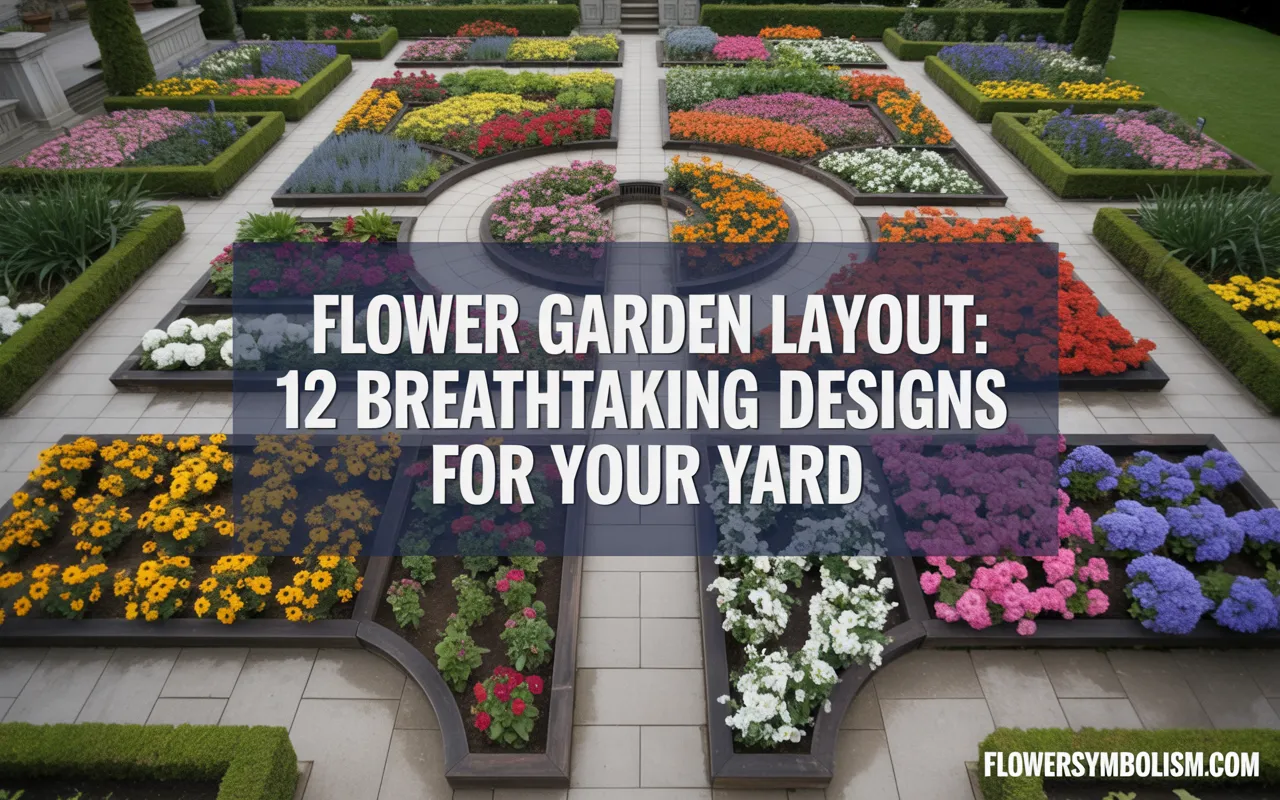
Creating a stunning garden starts with a plan. Whether you have acres of land or a cozy urban plot, choosing the right flower garden layout is the secret to a professional-looking landscape. It’s not just about picking pretty flowers; it’s about arranging them in a way that creates flow, balance, and breathtaking beauty.
If you are staring at a patch of dirt and feeling overwhelmed, don’t worry. We have gathered 12 incredible design ideas to spark your imagination. From classic formal grids to wild cottage drifts, these beginner-friendly layouts will help you transform your yard into the envy of the neighborhood. Let’s dig in!
1. The Classic English Cottage Layout
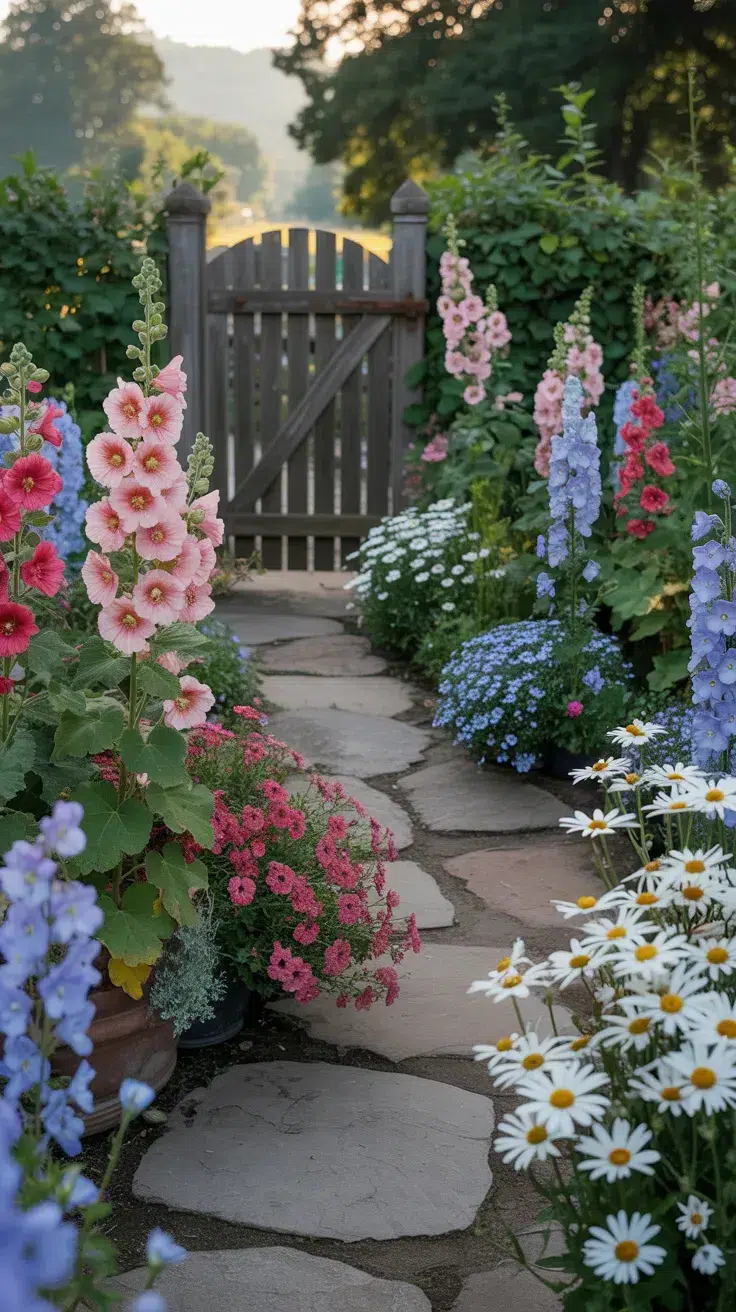
The cottage garden is all about organized chaos. This flower garden layout relies on curving borders and dense planting to create a romantic, overflowing look. Instead of straight lines, let your flower beds wander naturally along pathways.
Key plants include hollyhocks, delphiniums, and rambling roses. To keep the look cohesive, repeat clusters of the same flower throughout the border. This style is forgiving for beginners because nature does most of the styling for you.
2. Symmetrical Formal Garden Layout
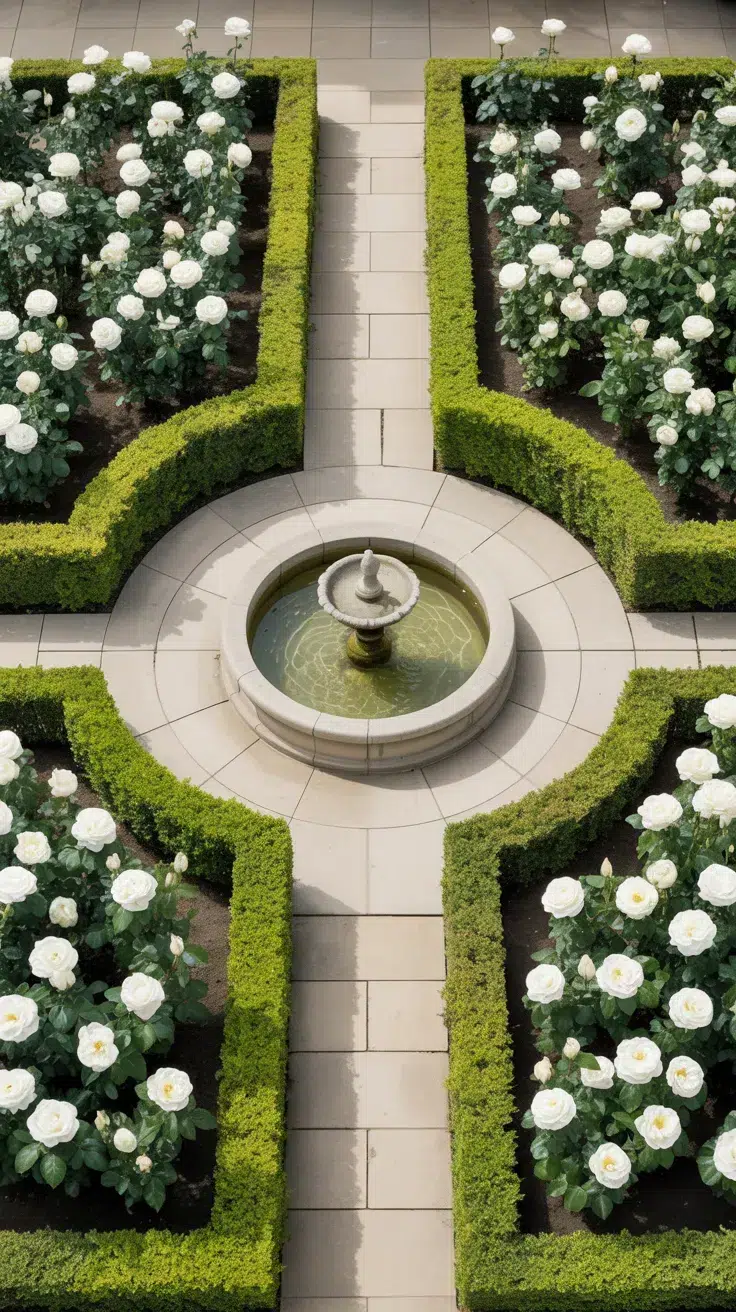
If you love order and clean lines, a formal layout is perfect for you. This design uses geometric shapes—squares, circles, or rectangles—mirrored on either side of a central axis, usually a walkway or a fountain.
To maintain those crisp edges, you will need good tools. A sharp edger is essential for keeping grass from creeping into your beds. The {Radius Garden Root Slayer Edger} creates clean, professional lines with minimal effort, making your formal garden look manicured and high-end.
3. Island Flower Beds in a Sea of Lawn
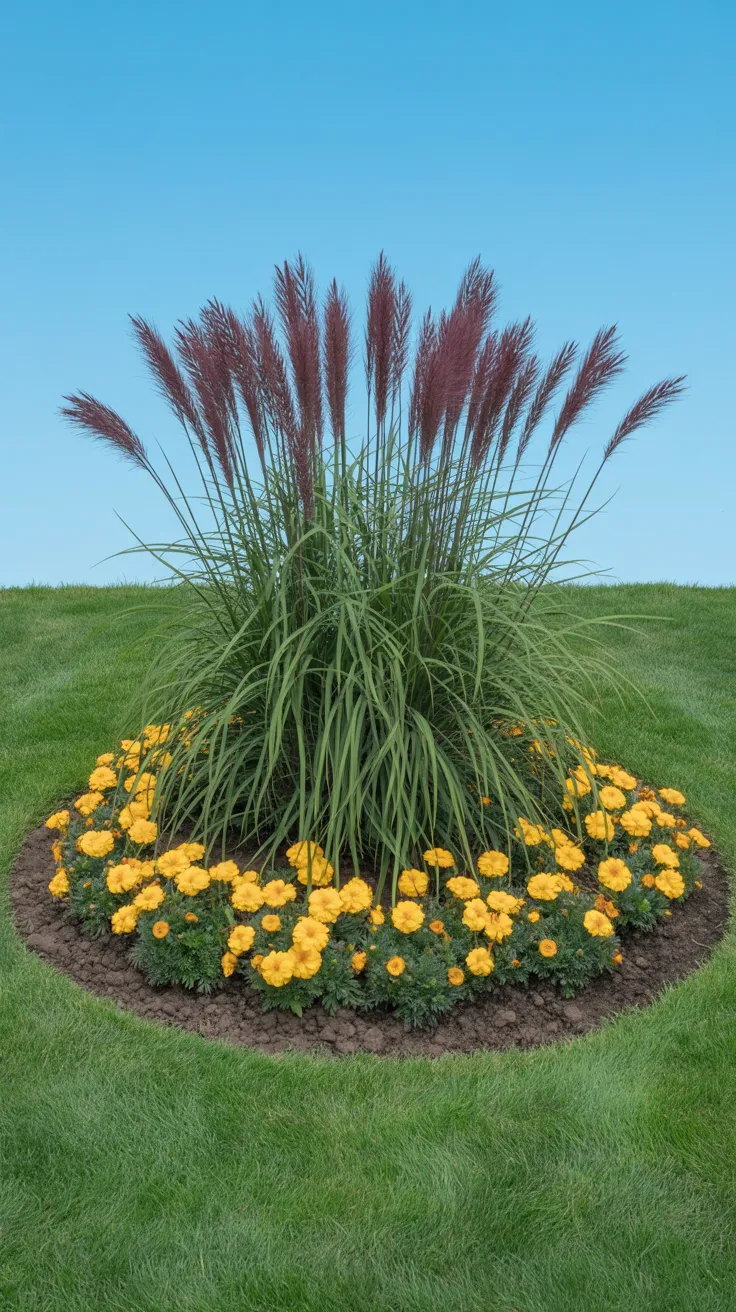
Break up a large, boring expanse of grass with island beds. These are free-standing flower beds that you can walk all the way around. Kidney bean shapes or ovals work best because they look natural from every angle.
Place taller plants like ornamental grasses or shrub roses in the center of the island and shorter annuals around the perimeter. This tiered flower garden layout ensures the bed looks great no matter where you are standing in the yard.
4. Vertical Garden Wall Layout
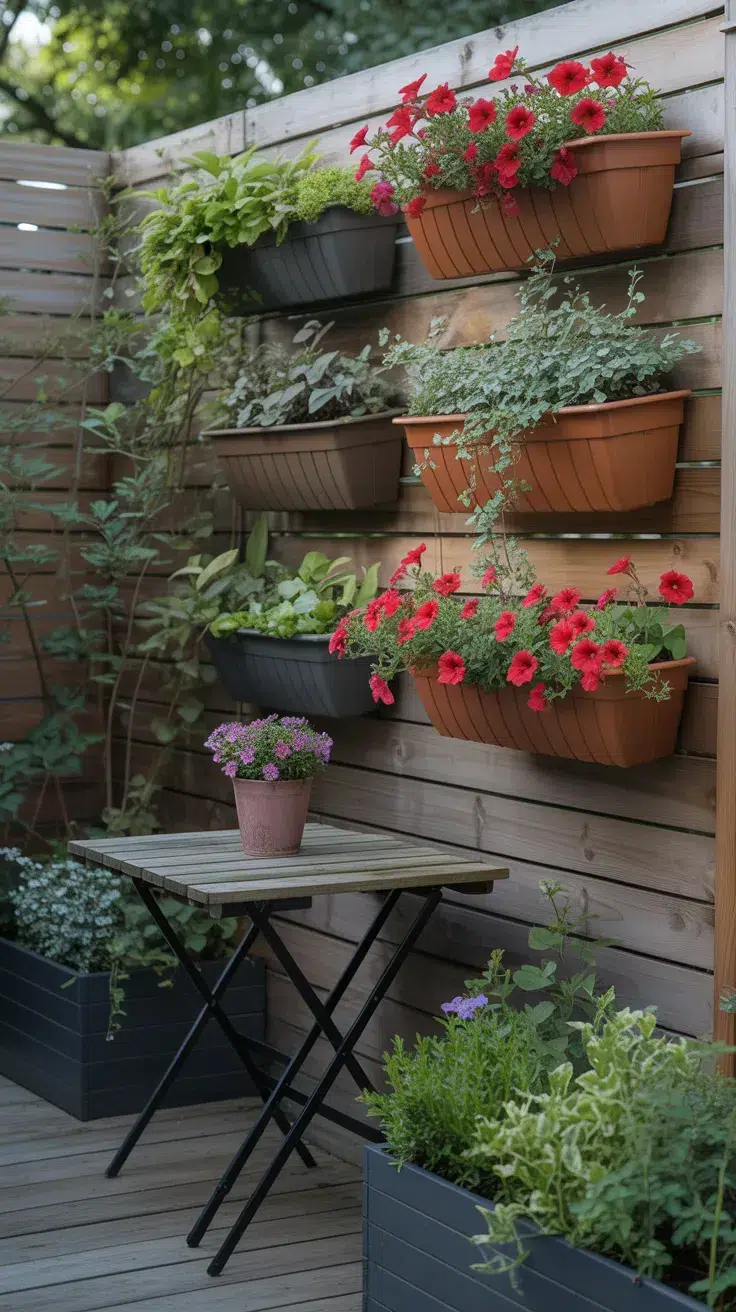
Short on ground space? Look up! A vertical flower garden layout utilizes fences, walls, or trellises to grow upwards. This is ideal for small courtyards or balconies where floor space is premium.
Use wall planters or train climbing vines like clematis or jasmine. To keep your vertical garden watered without the hassle of a ladder, a wand sprayer is a lifesaver. The {Orbit SunMate Hose-End Wand Sprayer} allows you to reach high baskets easily, ensuring your vertical blooms stay hydrated.
5. The Pollinator Pathway Layout
Design your garden to host nature’s helpers. A pollinator layout focuses on native plants arranged in large drifts or blocks. Bees and butterflies prefer large patches of a single color rather than scattered individual blooms.
Group coneflowers, bee balm, and black-eyed Susans together. This flower garden layout isn’t just beautiful; it supports the local ecosystem. Plus, native plants are generally lower maintenance and drought-resistant.

6. Circular “Moon Gate” Layout
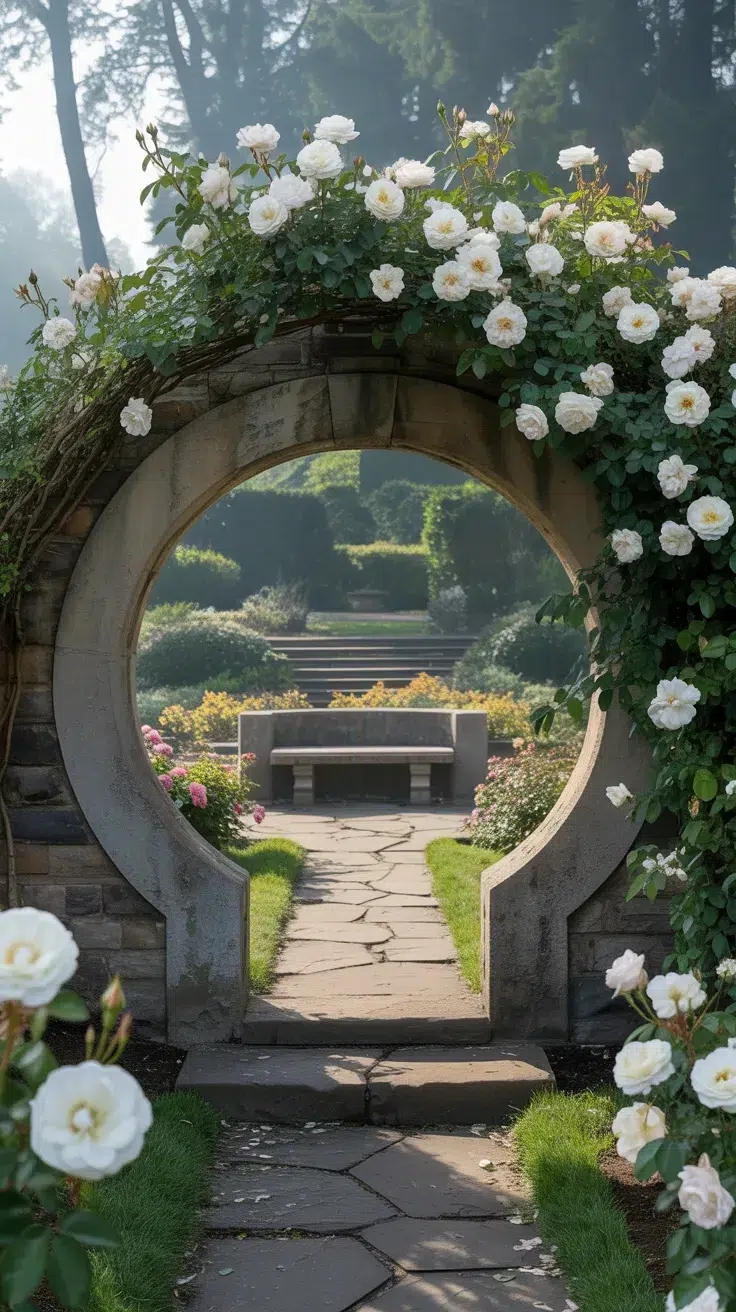
Create a sense of mystery with a circular layout that centers around a “moon gate” or a round archway. This design draws the eye through the circle to a focal point beyond, like a bench or a statue.
Plant white or pale-colored flowers like white hydrangeas or moonflowers around the circle. These reflect moonlight, making your garden magical at night. Good soil prep is vital here; {FoxFarm Ocean Forest Potting Soil} is nutrient-rich and perfect for giving these focal plants a strong start.
7. Ribbon Border Layout
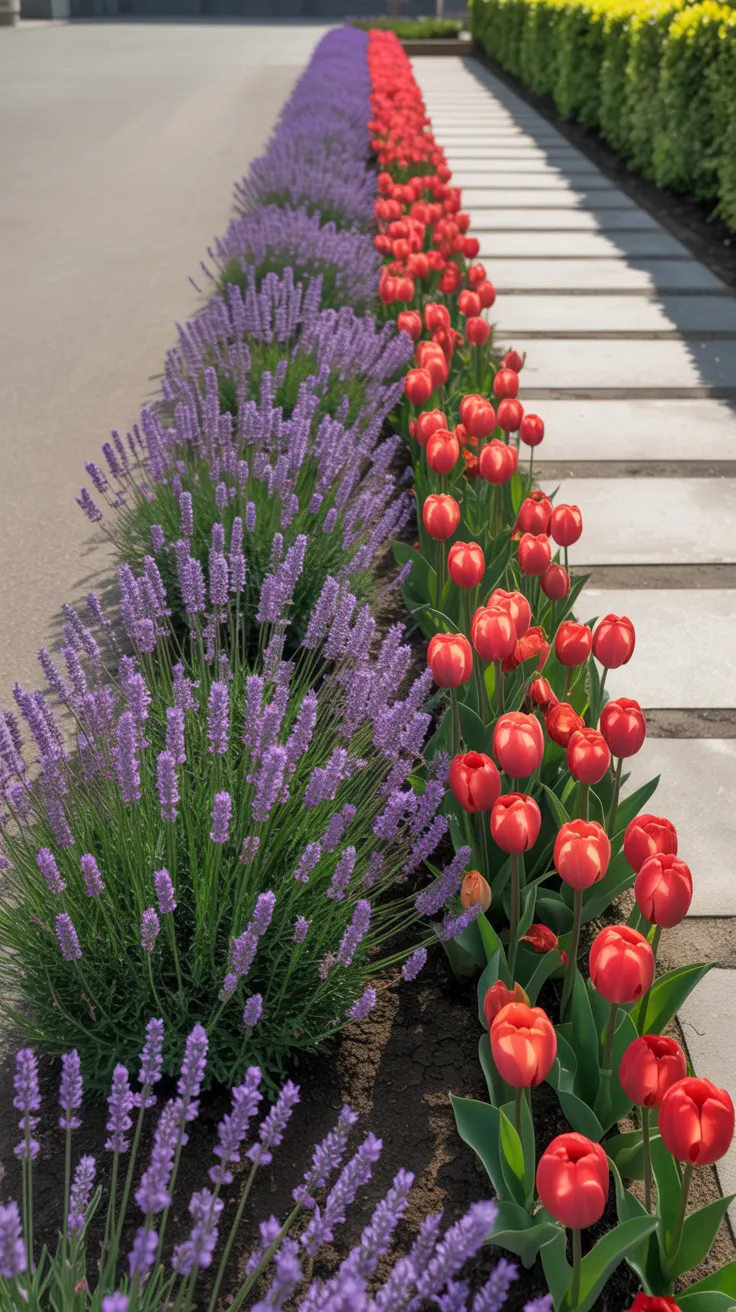
For a modern and striking look, try planting in “ribbons.” This flower garden layout involves planting long, sweeping rows of a single type of flower, followed by a row of a different color, creating a striped effect.
Tulips, lavender, and salvia work wonderfully for this. It creates a bold visual impact that looks amazing along driveways or long fences. Ensure you space plants evenly for that seamless ribbon effect.
8. The Four-Square Kitchen Garden Layout
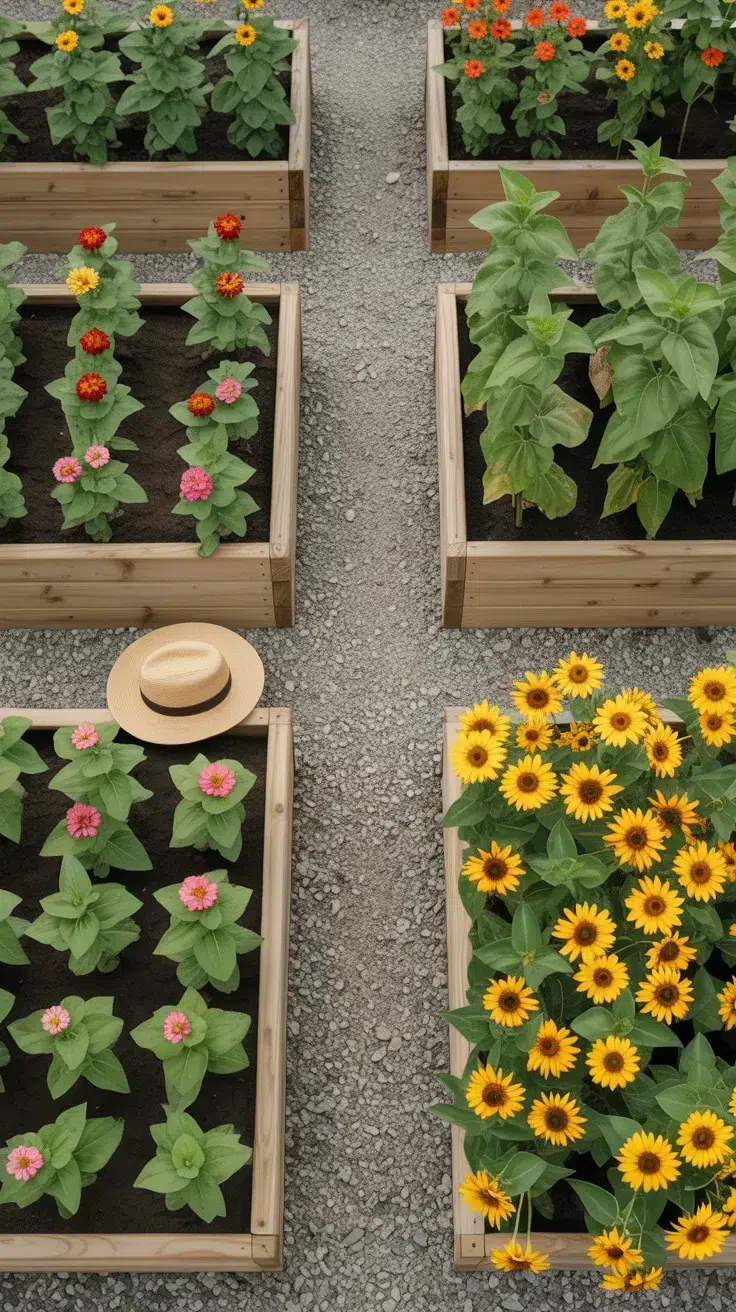
Combine beauty and utility with a four-square layout. Divide a square plot into four smaller squares using paths. While traditionally used for vegetables, filling these quadrants with cut flowers creates a stunning display.
Use raised beds for the four squares to add height and structure. Raised beds warm up faster in spring, giving you earlier blooms. Building them is easier with sturdy corner brackets like the {Oldcastle Planter Wall Block}, which lets you stack wood boards without complex carpentry.
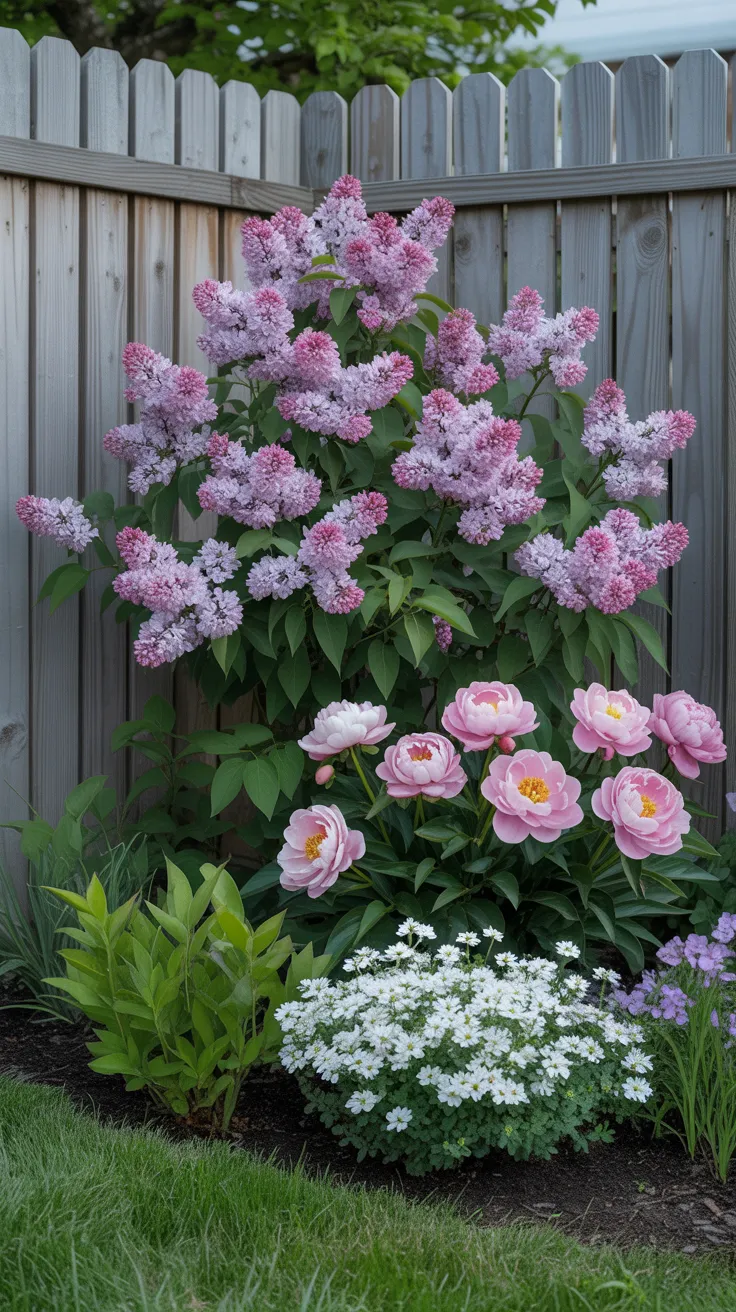
9. Corner Softening Layout
Corners of yards are often neglected or become dumping grounds for tools. A corner flower garden layout softens these sharp angles and turns a dead zone into a focal point.
Layer plants by height: plant a tall shrub or small tree in the back corner, medium perennials in the middle, and creeping ground cover in the front. This triangular layering adds depth and makes your yard feel larger.
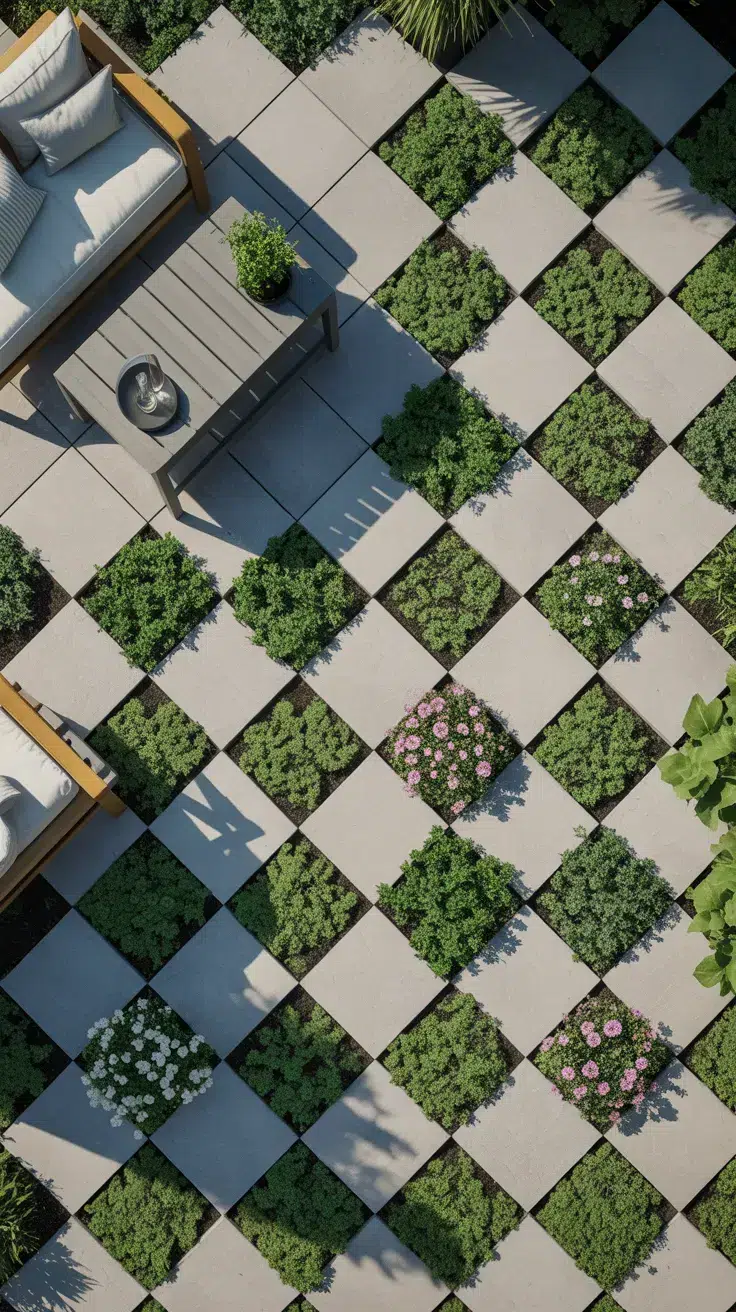
10. The Checkerboard Paver Layout
For a contemporary and low-maintenance yard, the checkerboard design is a winner. Use square paving stones alternating with square planting pockets. This geometric flower garden layout is architectural and chic.
Fill the planting squares with low-growing, hardy plants like creeping thyme or succulents. This design is perfect for patios where you want greenery without the mud. Keeping weeds out of the small squares is crucial; a precise tool like the {Grampa’s Weeder – The Original Stand Up Weed Puller} saves your back while keeping the grid pristine.
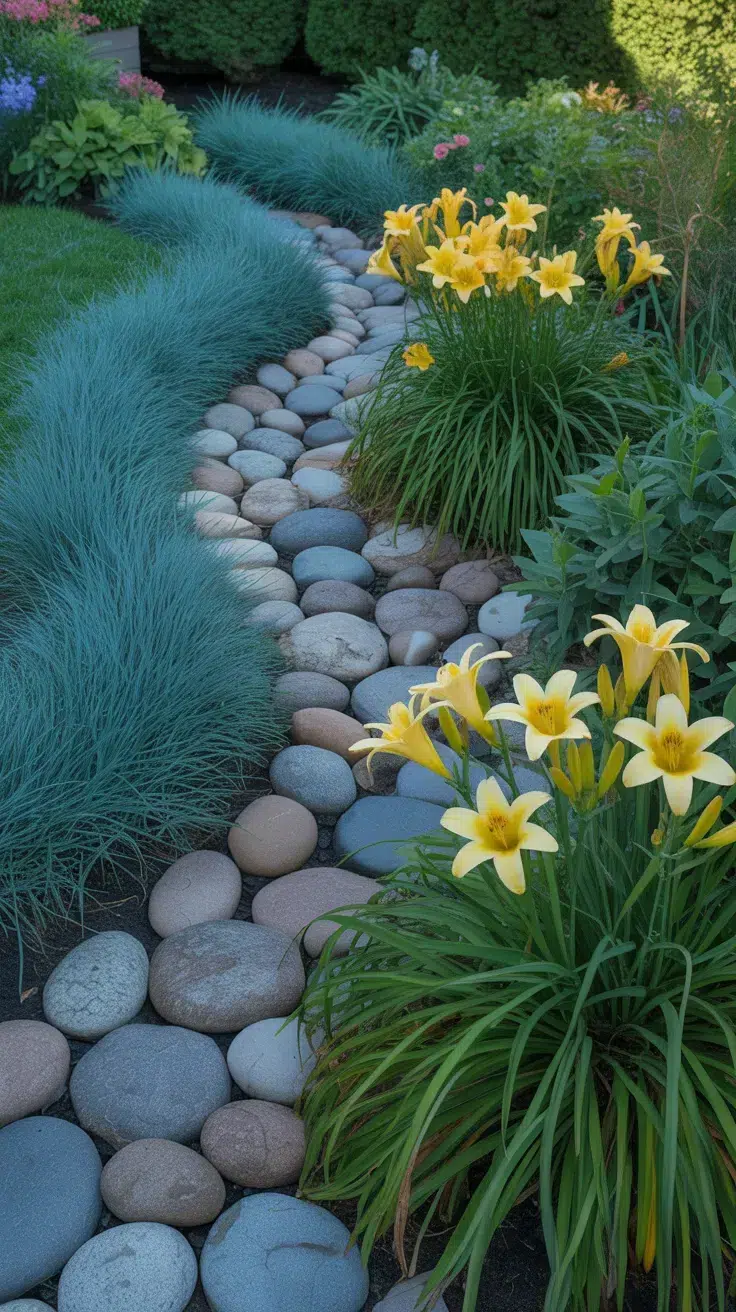
11. Meandering Dry Creek Bed Layout
If you have drainage issues or a sloping yard, turn it into a feature. Create a “dry creek bed” using river rocks and line the banks with flowers. This flower garden layout mimics a natural stream.
Plant moisture-loving plants like Irises or Hostas along the “banks” of the rock river. It adds movement and texture to your yard, creating a serene, Zen-like atmosphere that requires very little water once established.
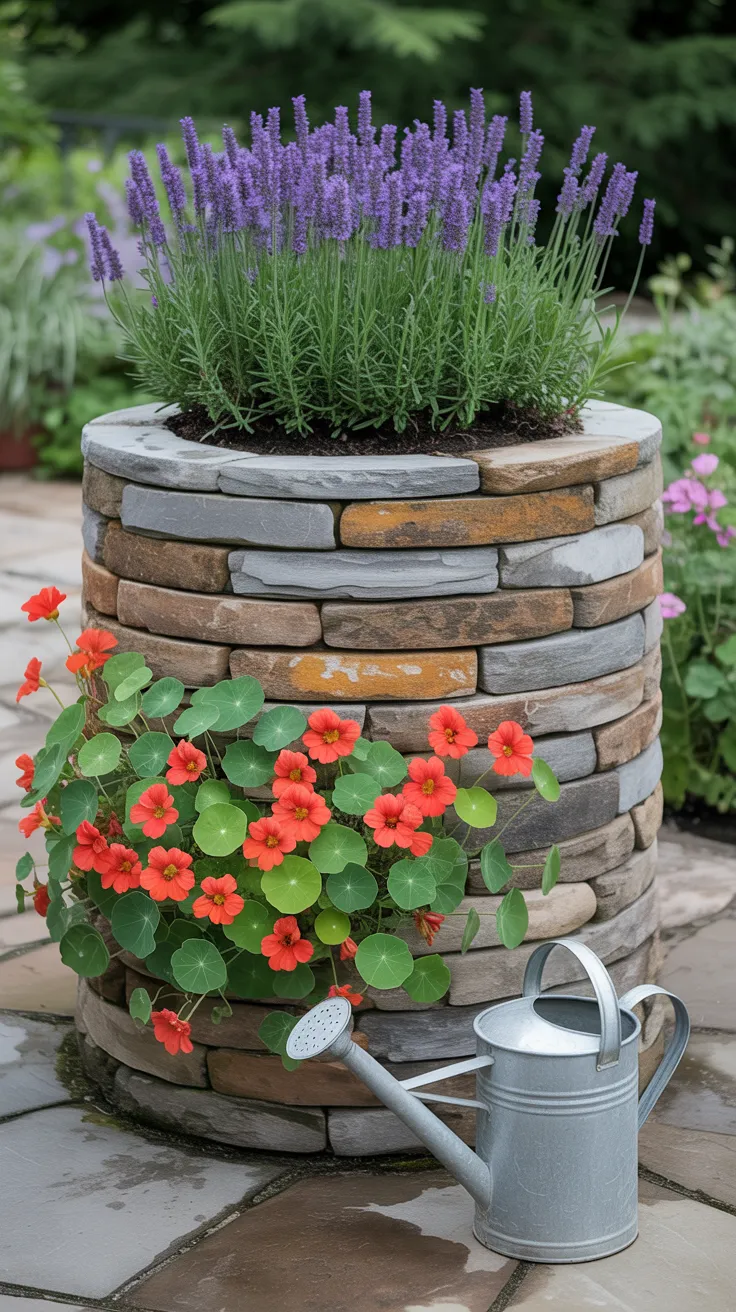
12. Spiral Herb and Flower Layout
Combine fragrance and form with a spiral layout. A spiral garden, often built with stones or bricks, creates a vertical coil that offers different microclimates for plants.
Sun-loving flowers go at the top, while moisture-loving ones sit at the base. It’s a permaculture favorite that creates a stunning architectural centerpiece. To keep your spiral flourishing, feed your plants regularly. {Dr. Earth Flower Girl Bud & Bloom Booster} provides the organic nutrients needed for dense, vibrant growth in this intensive planting system.
Summary of Recommended Products
Here are the tools and products mentioned to help you execute these breathtaking designs.
| Product Name | Best Used For |
|---|---|
| {Radius Garden Root Slayer Edger} | Creating crisp edges for formal layouts |
| {Orbit SunMate Hose-End Wand Sprayer} | Watering high vertical garden planters |
| {FoxFarm Ocean Forest Potting Soil} | Nutrient-rich soil for focal point plants |
| {Oldcastle Planter Wall Block} | Easily building raised beds for grid layouts |
| {Grampa’s Weeder – The Original Stand Up Weed Puller} | Removing weeds from pavers without bending |
| {Dr. Earth Flower Girl Bud & Bloom Booster} | promoting vibrant blooms in intensive plantings |
Final Thoughts on Your Garden Layout
Choosing the perfect flower garden layout is the first step toward creating your personal outdoor sanctuary. Whether you are drawn to the wild romance of a cottage garden or the clean lines of a checkerboard patio, the key is to pick a style that brings you joy.
Don’t be afraid to start small. Pick one corner or one bed and experiment with these designs. With a little planning and the right tools, your yard will be blooming with beauty in no time. Happy planting!
