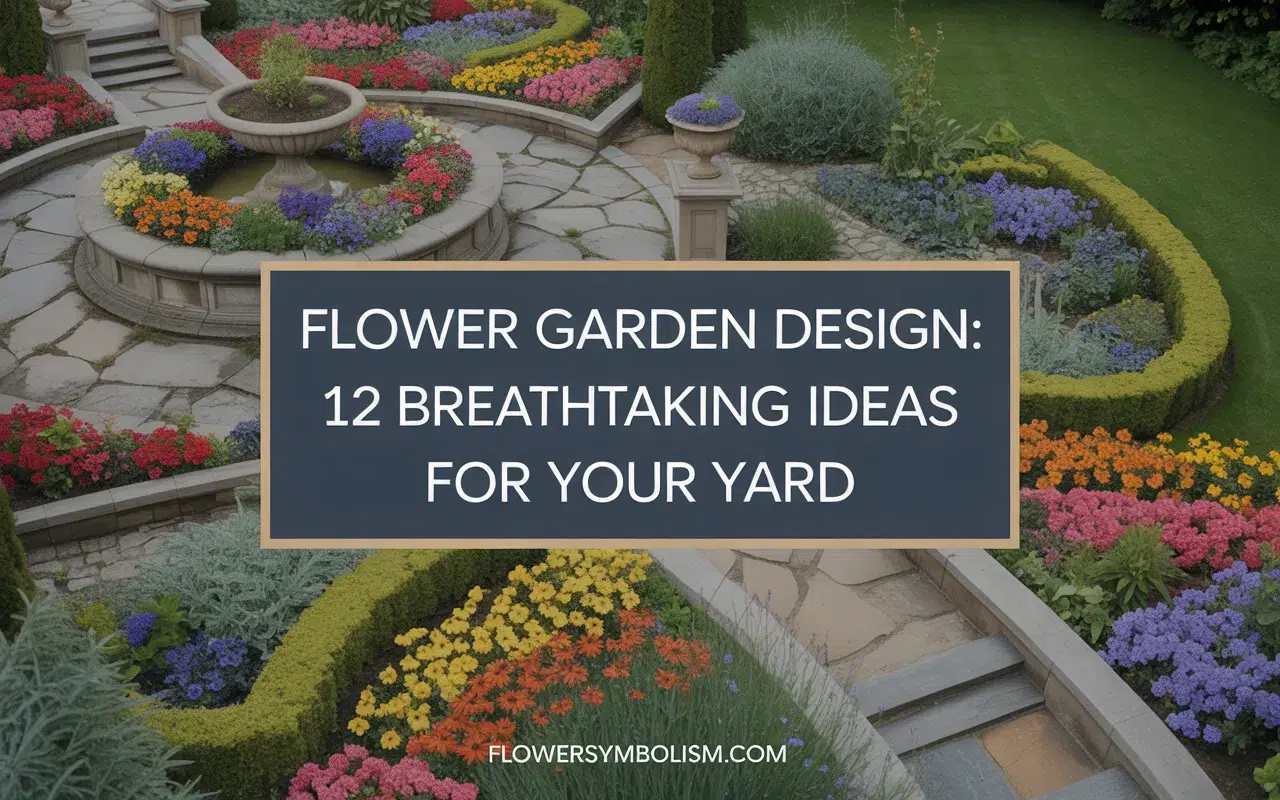
Is your backyard looking a little lackluster? Do you dream of sipping your morning coffee surrounded by vibrant blooms and buzzing butterflies? Transforming a plain patch of grass into a personal paradise is easier than you think. The secret lies in a solid plan. A thoughtful flower garden design can completely change the way you use and enjoy your outdoor space.
Whether you have a sprawling estate or a tiny urban patio, there is a layout perfect for your needs. From romantic cottage borders to sleek modern beds, the possibilities are endless.
We have curated 12 breathtaking ideas to spark your imagination and help you dig into your next project. Let’s explore how you can bring color, texture, and life to your yard!
1. The Classic English Cottage Border
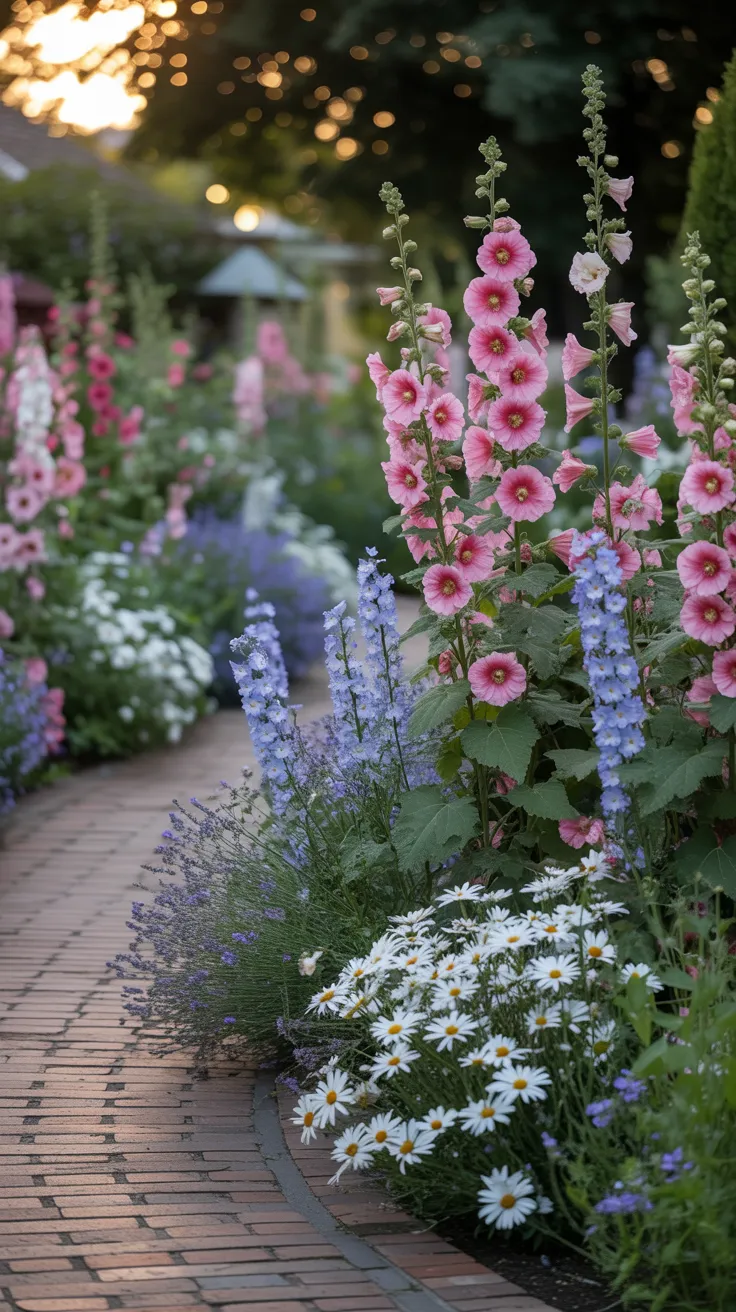
When most people picture a dream garden, they envision the cottage style. This flower garden design is all about organized chaos and abundance. It embraces a romantic, slightly wild look where plants spill over pathways and intermingle freely.
To achieve this, forget about straight lines and rigid spacing. Plant in dense layers, mixing tall spikes like foxgloves and delphiniums in the back with mounding peonies and roses in the middle. Let low-growing ladys mantle or catmint soften the edges of your walkways. Ideally, no bare soil should be visible!
2. The Island Bed Centerpiece
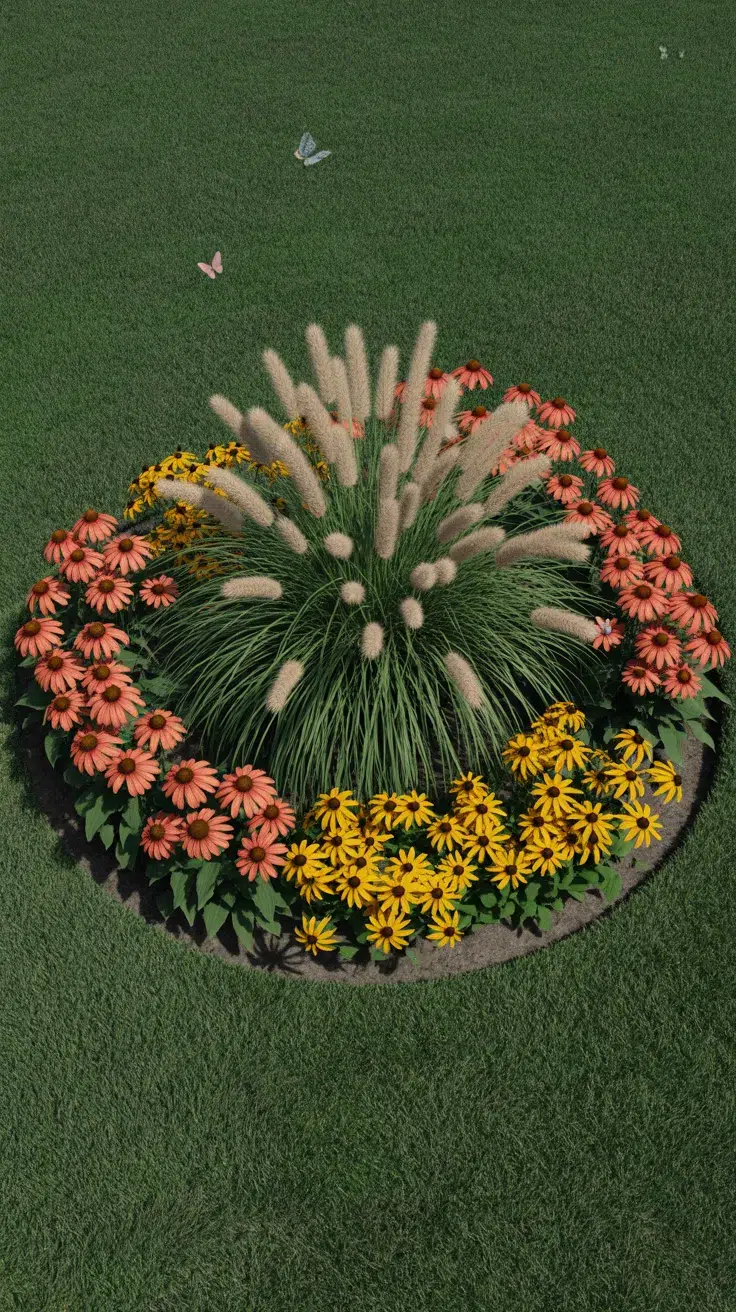
If you are staring at a large, empty rectangle of lawn, an island bed is the perfect solution. Breaking up the green expanse with a standalone garden creates a stunning focal point. Because you view an island bed from all sides, the flower garden design needs to be interesting from every angle.
Place your tallest elements—like a small ornamental tree, a birdbath, or tall grasses—in the dead center. Work your way outward with rings of medium-sized perennials, and finish with a low border of annuals. Kidney or oval shapes tend to look more organic than perfect circles.
3. The Monochromatic “Moon Garden”
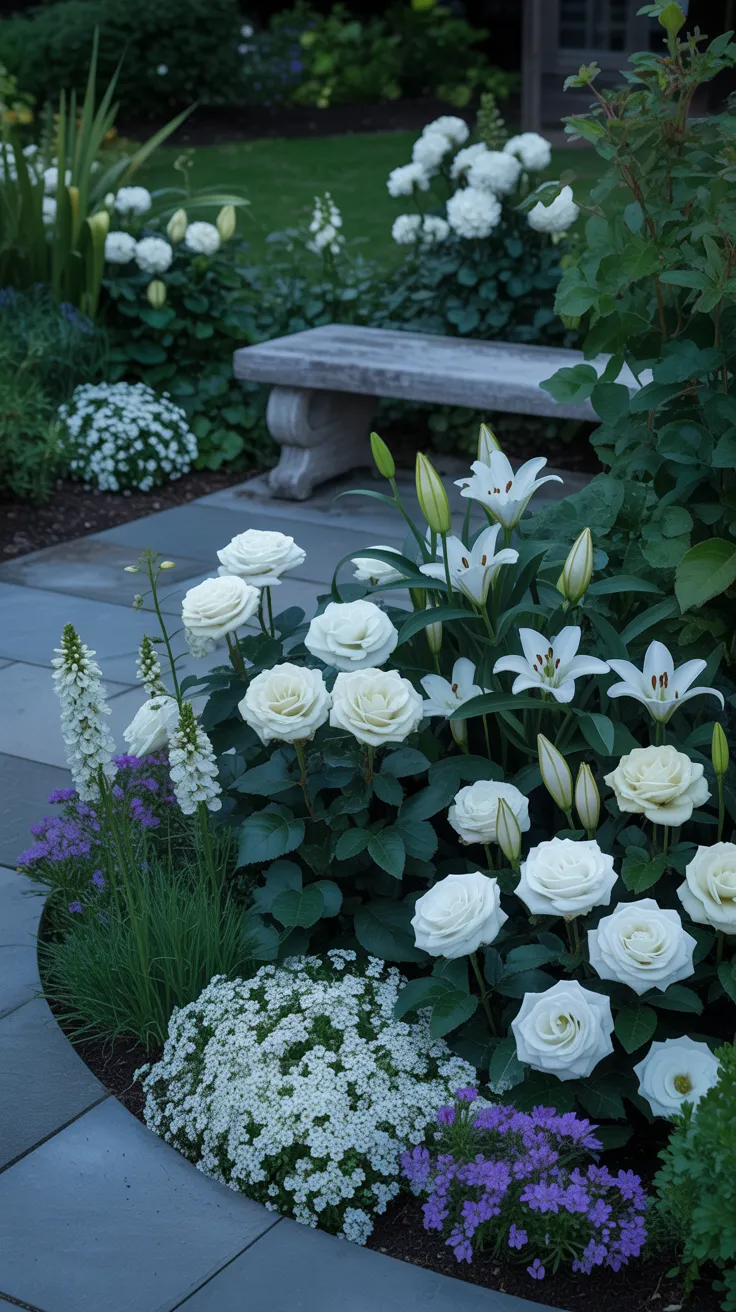
For a sophisticated and serene look, consider a monochromatic color scheme. An all-white garden, often called a “moon garden,” is designed to reflect moonlight and glow in the evening. This specific flower garden design is perfect for homeowners who work during the day and relax outside at night.
Combine white hydrangeas, white roses, and Shasta daisies with silvery foliage plants like dusty miller or lamb’s ear. The absence of bright colors creates a calming atmosphere, making your yard feel like a peaceful sanctuary.
4. The Formal Boxwood Parterre
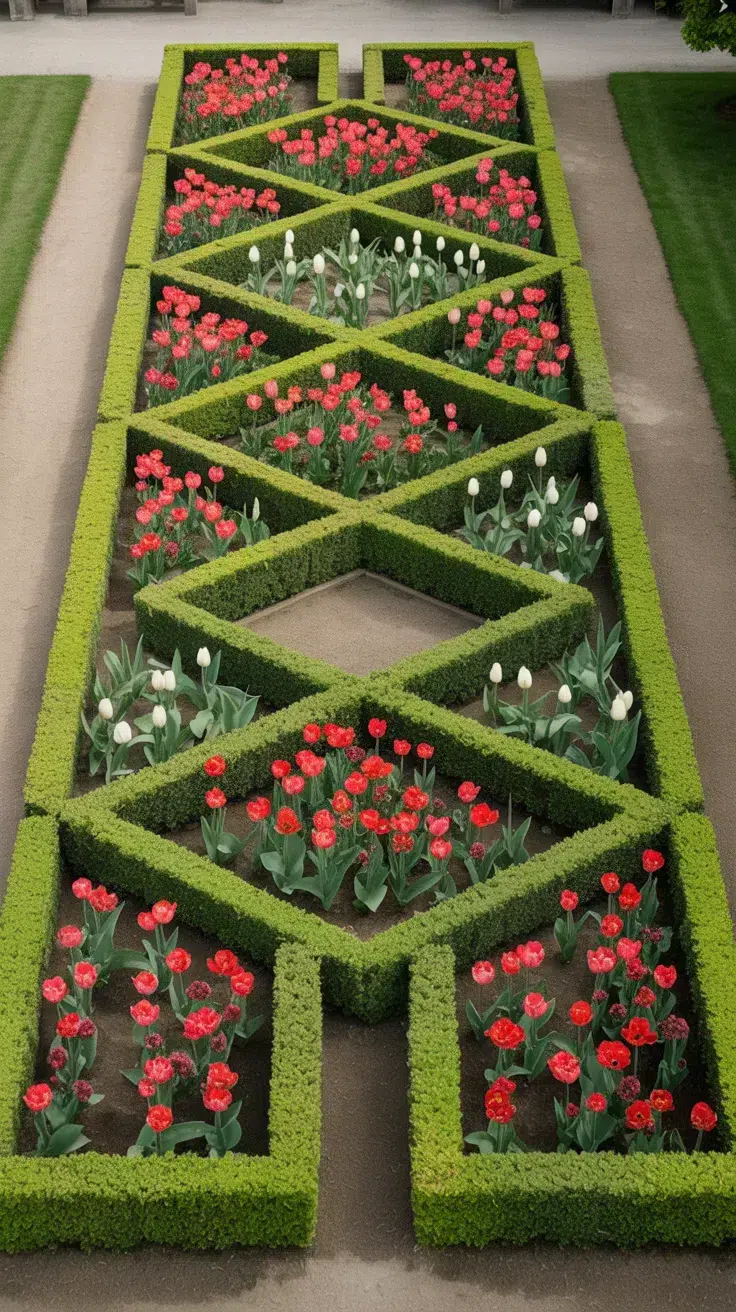
Do you crave order and symmetry? A formal parterre might be the flower garden design for you. This style uses clipped evergreen hedges, usually boxwood, to create geometric patterns that frame your flowers. It’s a timeless look often seen in grand estates but scalable for smaller yards.
Create squares, diamonds, or intricate knots with your hedges. Inside these green frames, plant neat rows of uniform flowers like tulips in spring or begonias in summer. The contrast between the rigid structure and the soft blooms is visually striking.
5. The Pollinator-Friendly Habitat
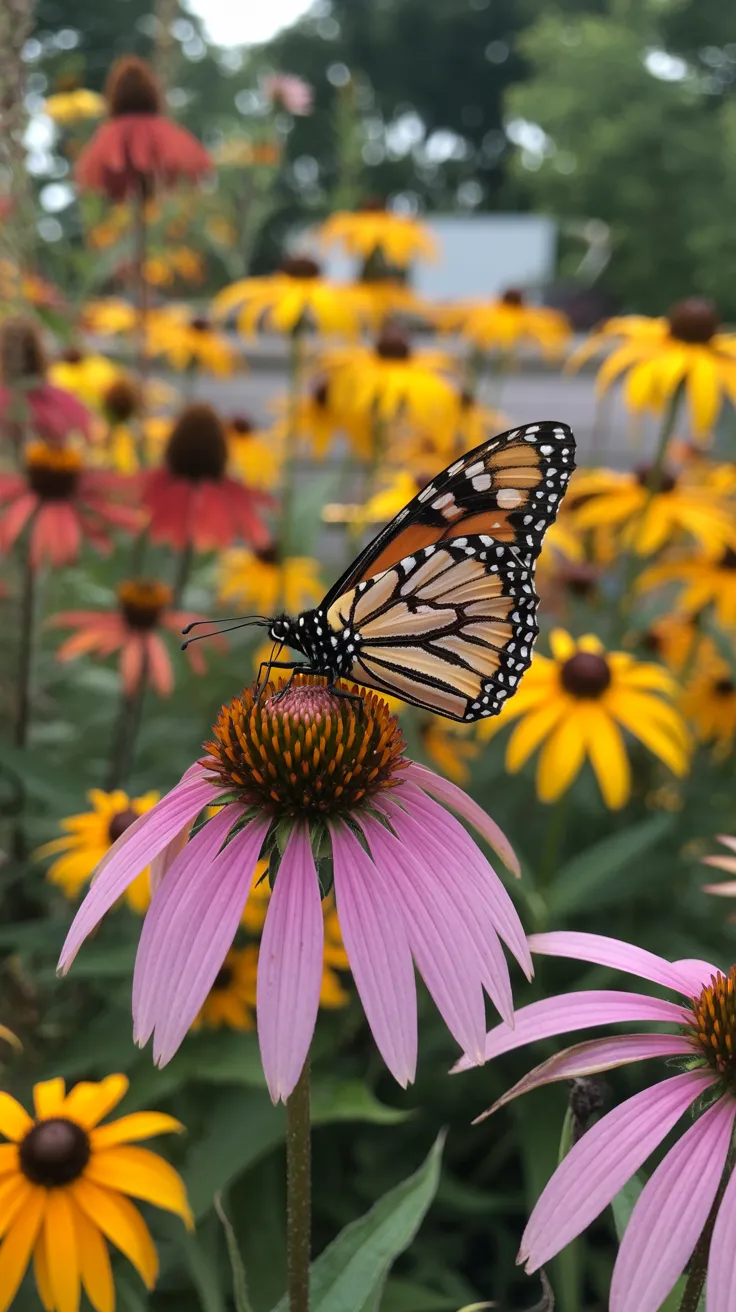
Gardening isn’t just about aesthetics; it’s about supporting the ecosystem. A pollinator garden focuses on native plants that provide nectar and habitat for bees, butterflies, and hummingbirds. This type of flower garden design brings movement and life to your yard.
Plant in large drifts of color rather than single specimens to help pollinators find the flowers from the air. Choose hardy favorites like bee balm, coneflowers (Echinacea), and milkweed. You will be rewarded with a garden that is literally buzzing with activity.
6. The Raised Bed Cutting Garden
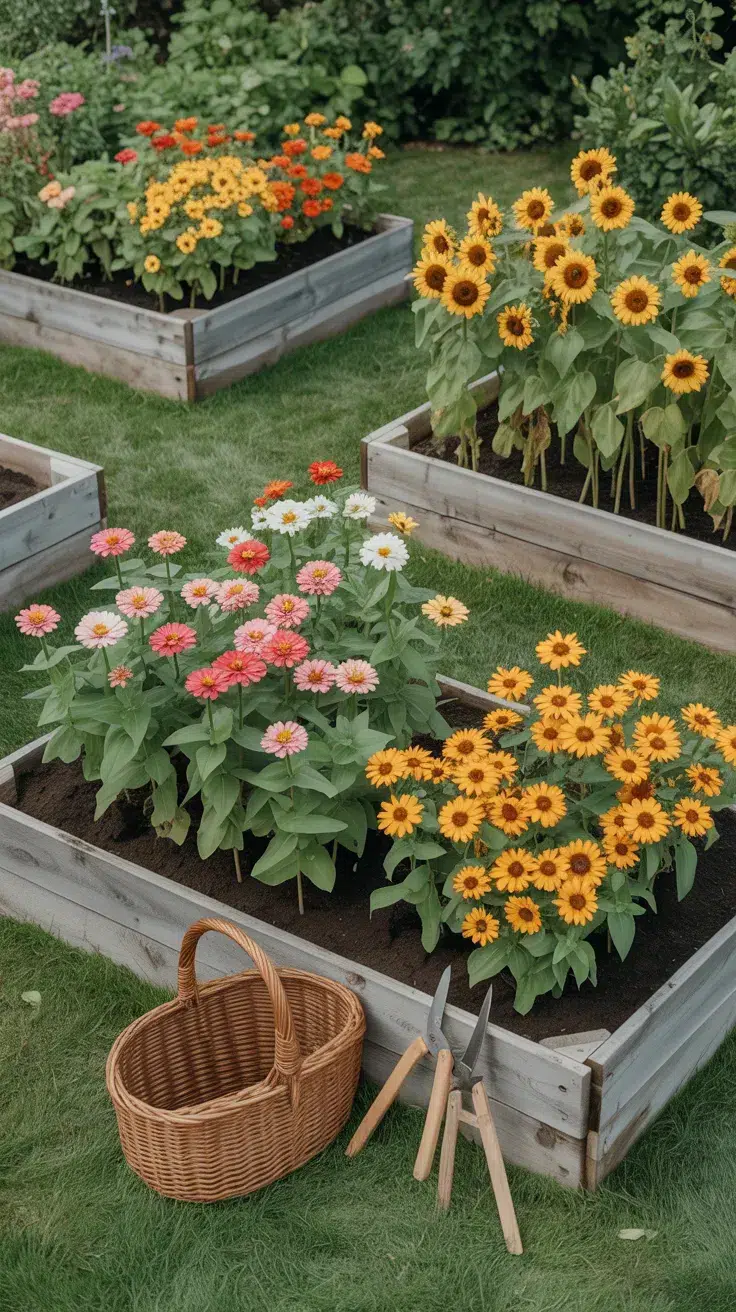
If your goal is to have fresh bouquets on your kitchen table all summer, design a cutting garden. Raised beds are ideal for this purpose, as they keep the soil loose and make harvesting easy on your back. This utilitarian flower garden design focuses on production.
Arrange your beds in a grid with wide paths in between. Fill them with “cut-and-come-again” annuals like zinnias, cosmos, and dahlias. Planting in straight rows makes weeding and cutting simple, ensuring you get the maximum yield of blooms.
7. The Shady Woodland Retreat
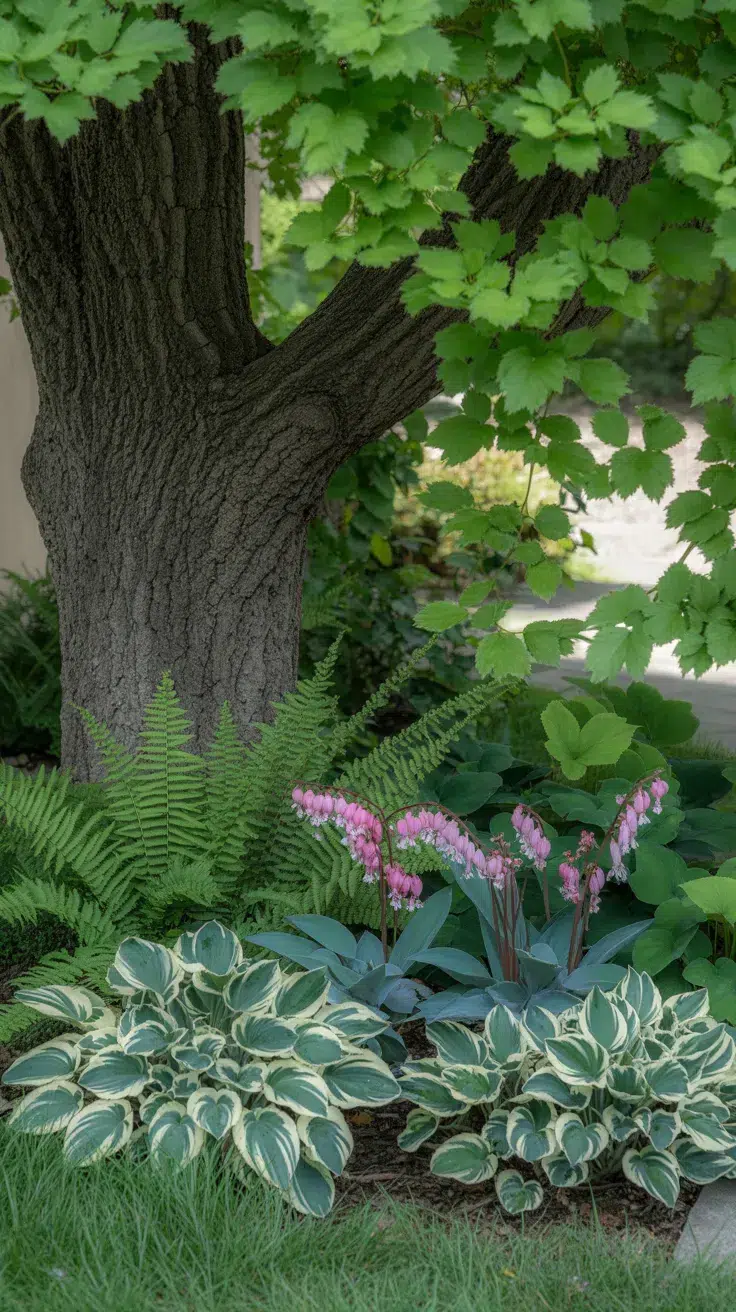
Don’t let a lack of direct sun discourage you. A shady corner under a large tree is an opportunity to create a cool, woodland retreat. This flower garden design relies heavily on texture and foliage variation rather than just bright blooms.
Pair the bold, broad leaves of hostas with the delicate, lacy fronds of ferns. Add splashes of color with shade-lovers like bleeding hearts, astilbe, and impatiens. It creates a lush, green oasis that feels refreshing on hot summer days.
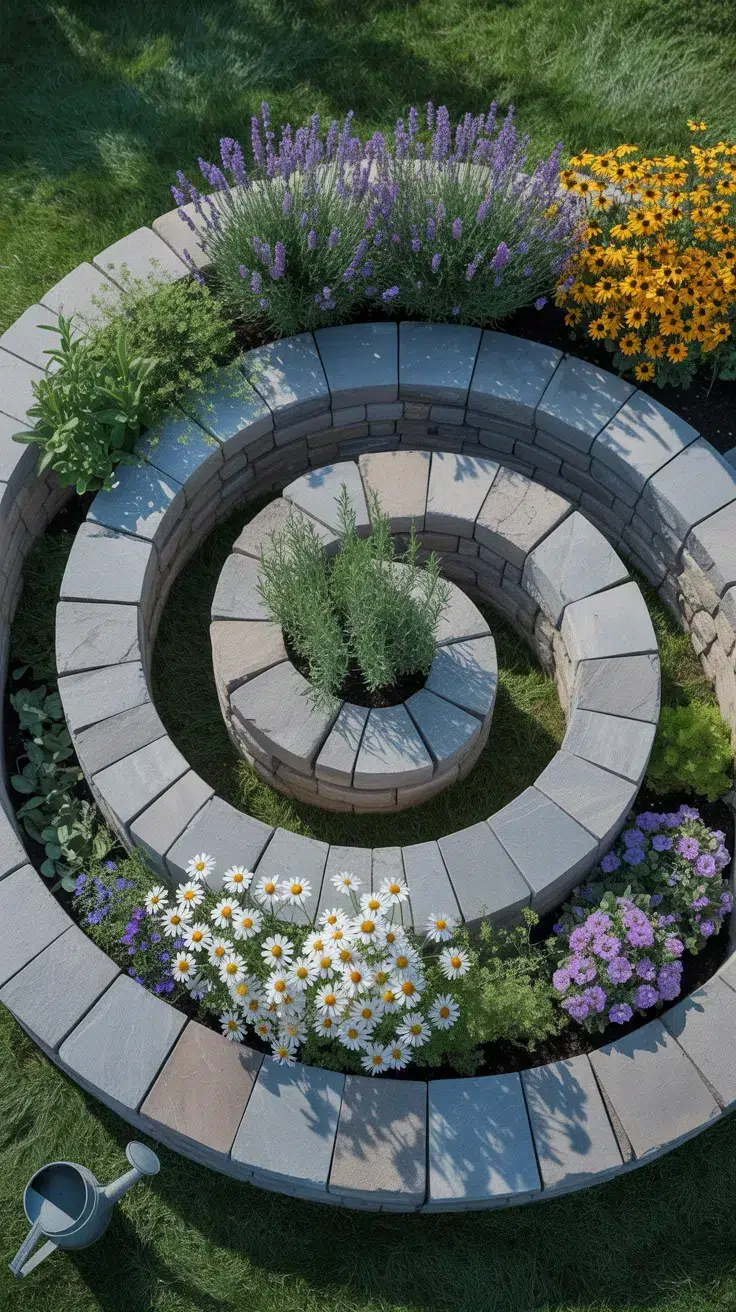
8. The Spiral Herb and Flower Tower
For small spaces or permaculture enthusiasts, a spiral garden is a brilliant choice. By building a spiral mound using stones or bricks, you increase your planting surface area vertically. This clever flower garden design creates different microclimates in a small footprint.
The top of the spiral is sunny and dry, perfect for Mediterranean herbs like rosemary and lavender. The bottom is cooler and moister, ideal for mint or violas. It’s a sculptural feature that is as functional as it is beautiful.
9. The Dry Creek Bed Feature
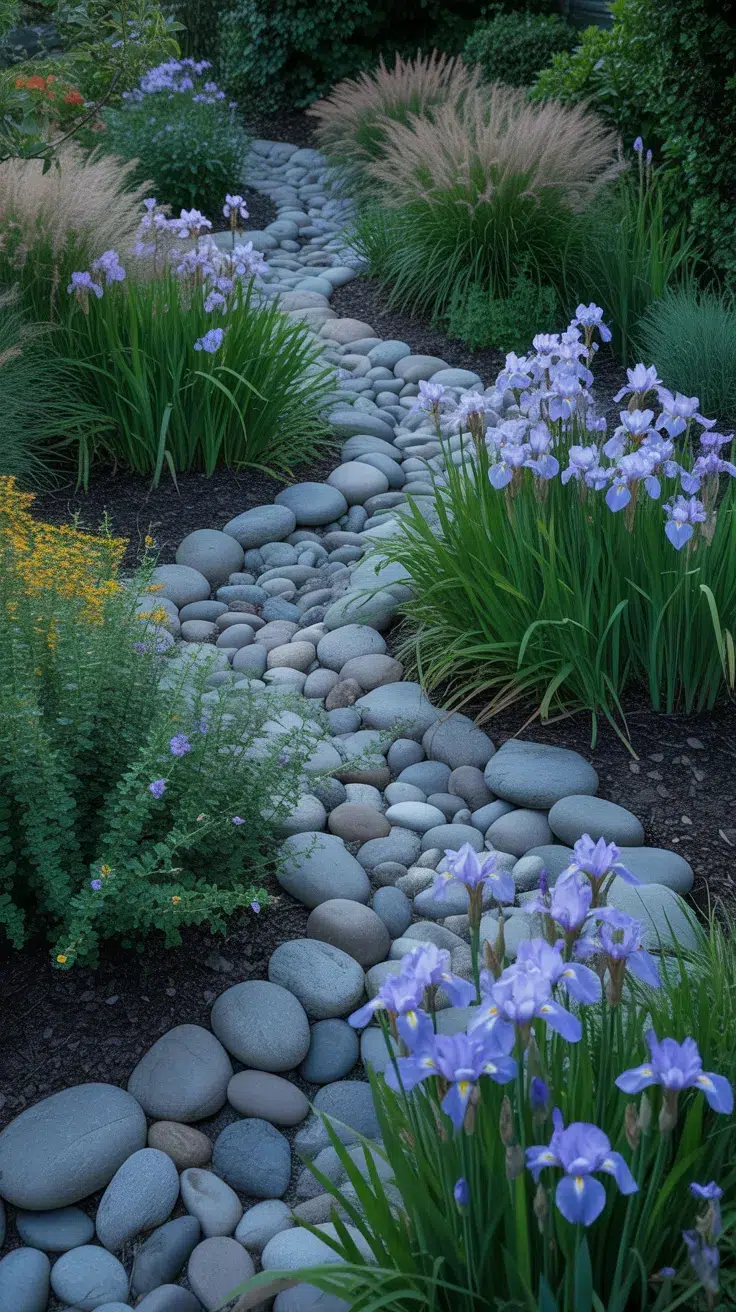
Turn a drainage problem or a boring slope into a highlight with a dry creek bed. Use river rocks and stones to create a winding “stream” through your yard. This flower garden design adds a natural, rugged element to your landscape.
Plant along the “banks” of your dry creek with moisture-loving plants like irises, sedges, and daylilies. The combination of hard stone and soft petals creates a beautiful textural contrast that looks good year-round.
10. The Vertical Trellis Wall
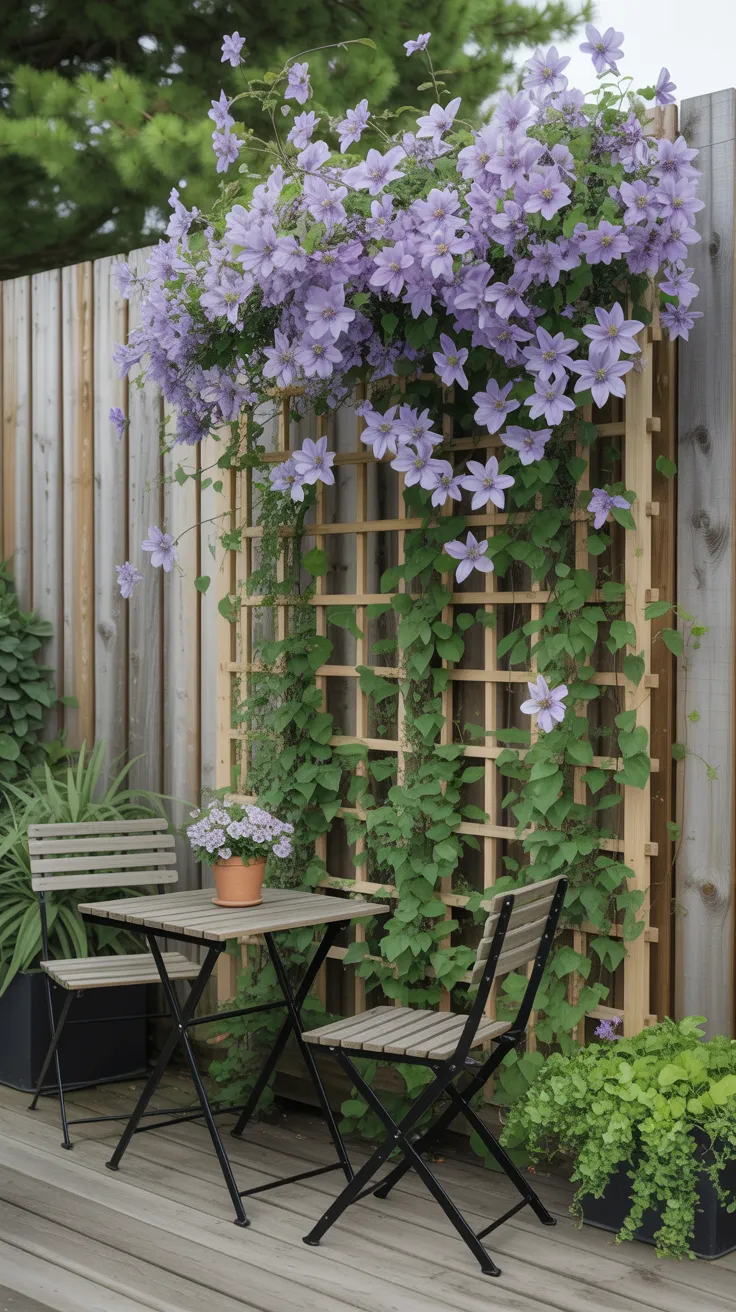
When horizontal space is tight, grow up! Vertical gardening is a fantastic way to add greenery to fences, walls, or privacy screens. This flower garden design adds height and drama without taking up precious ground space.
Install a trellis, arbor, or wire system and train climbing plants to cover it. Classic choices include climbing roses, clematis, or fast-growing annual vines like morning glories. It turns a flat, boring wall into a lush tapestry of blooms.
11. The Succulent Tapestry
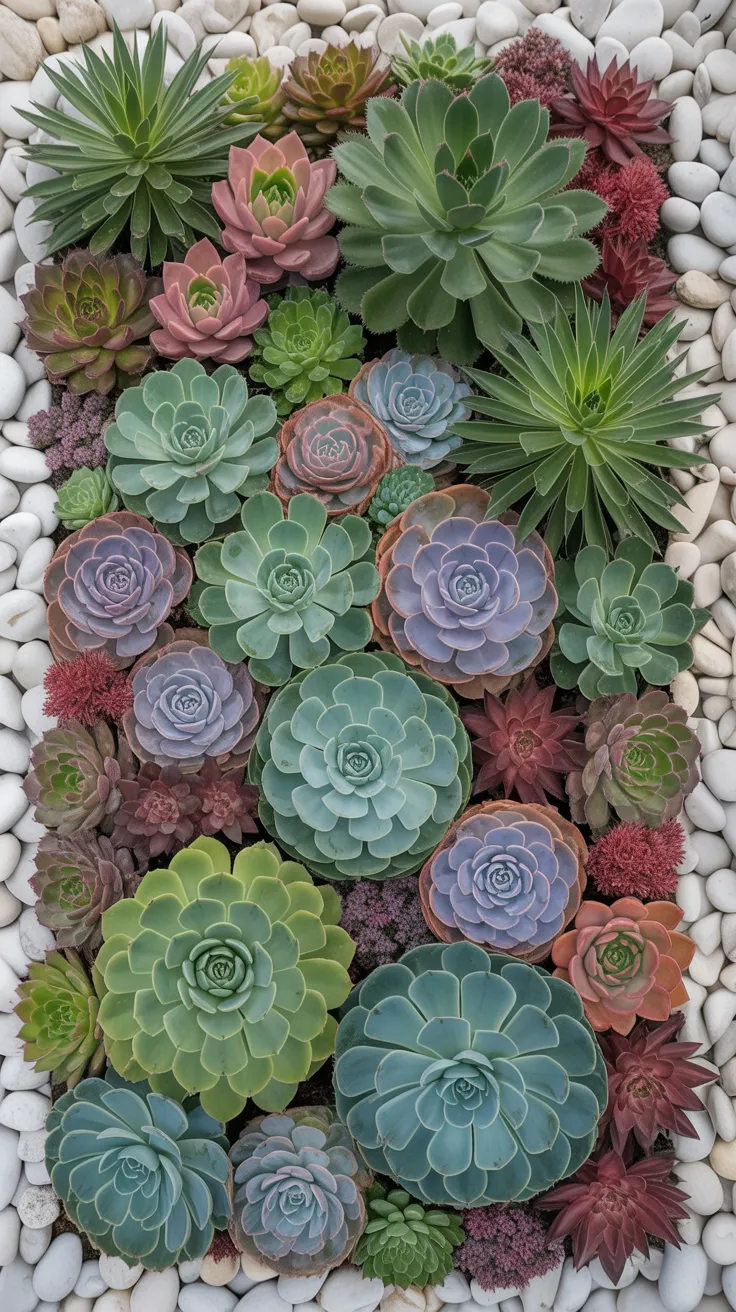
For those in dry climates or who want a low-maintenance option, a succulent garden is a stunning alternative. Instead of traditional flowers, use the shapes and colors of succulents to create a living mosaic. This modern flower garden design is practically drought-proof.
Mix rosette shapes like Echeveria with spiky Agave and trailing Sedum. The variety of colors—from deep burgundy to dusty blue and bright lime—can be arranged to create intricate patterns that look like a piece of art on the ground.
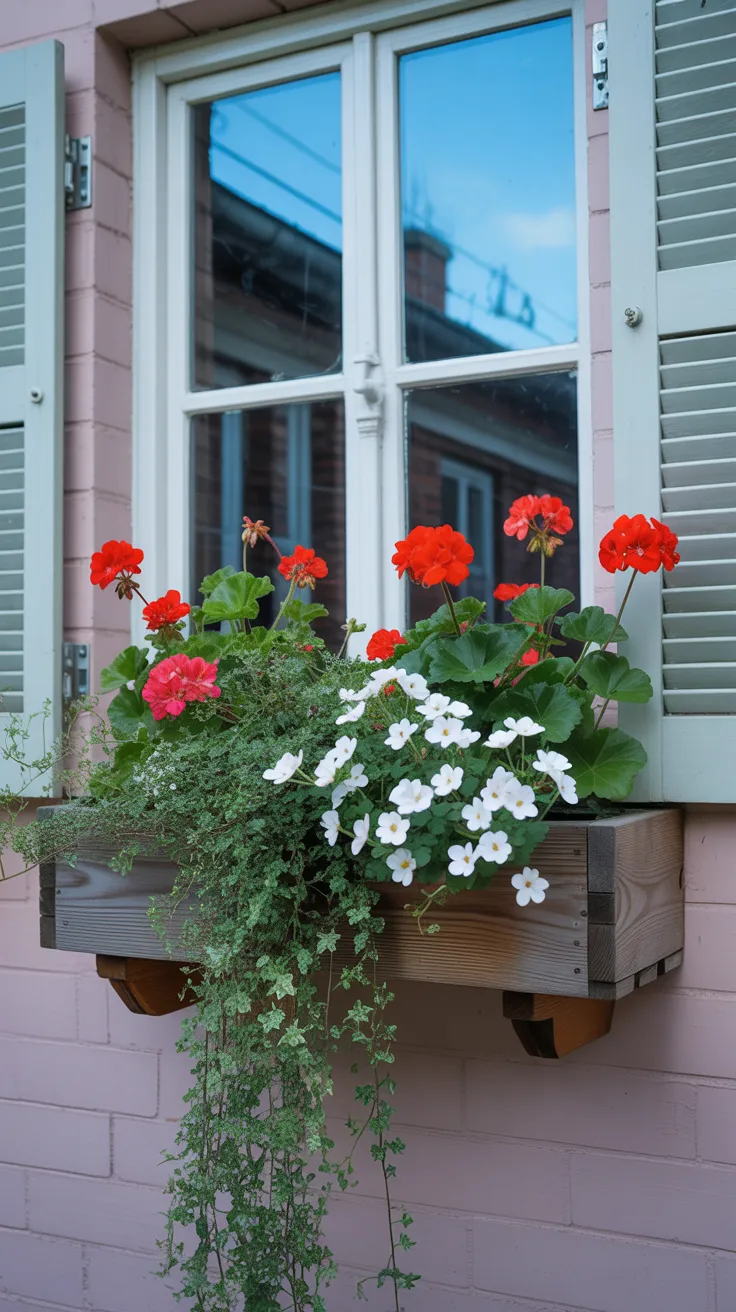
12. The Window Box Display
Even if you have zero yard space, you can still garden. Window boxes bring the garden right to your eye level and boost your home’s curb appeal instantly. This miniature flower garden design allows you to change your look with the seasons.
Follow the “thriller, filler, spiller” formula: place a tall plant in the center, fill around it with bushy plants, and let trailing vines cascade over the edge. It’s a simple way to frame your view with happiness.
Final Thoughts on Your Garden Vision
The best flower garden design is the one that brings you joy. Whether you love the wild abundance of a cottage border or the clean lines of a succulent bed, your yard is a canvas waiting for your personal touch.
Start small, pick one area to transform, and don’t be afraid to experiment. With a little planning and patience, you can cultivate a space that is breathtakingly beautiful. Happy planting!
