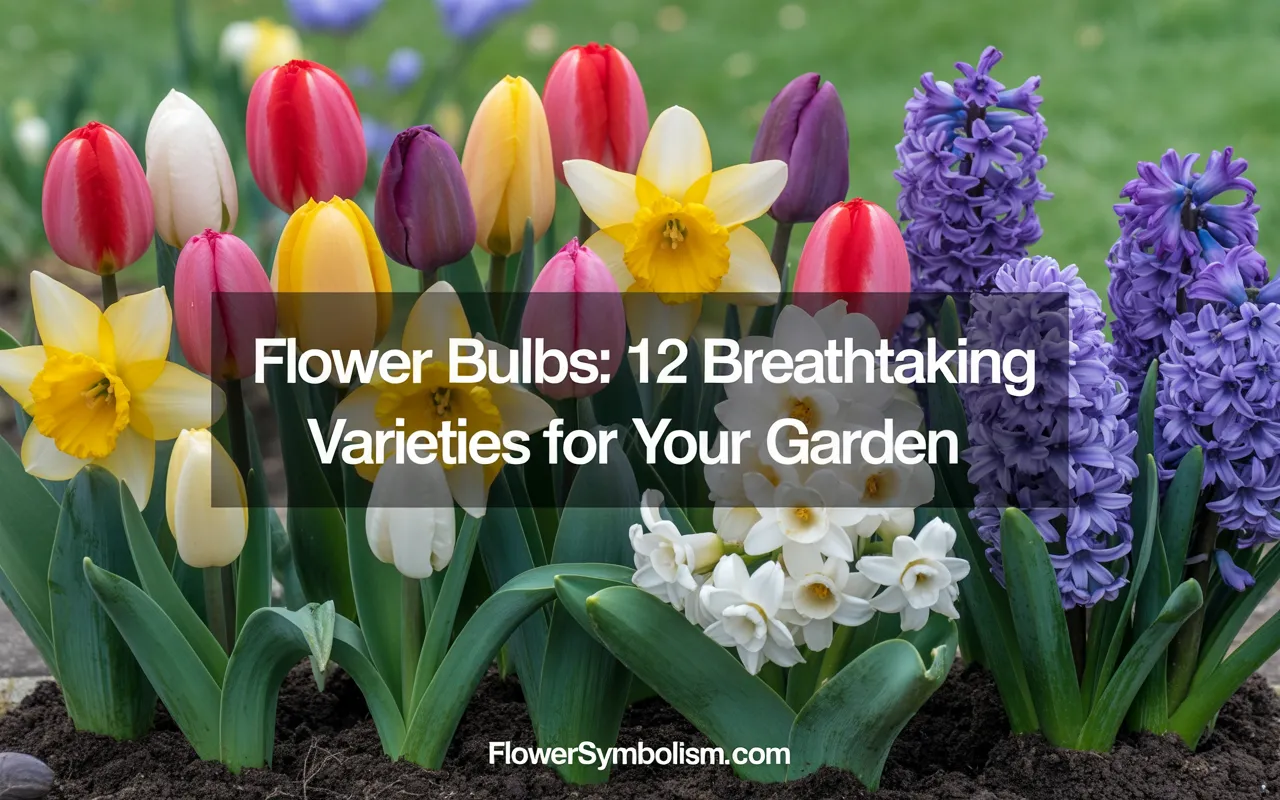
Every gardener knows that patience is a virtue, but when it comes to flower bulbs, that patience is rewarded tenfold. There is something truly magical about burying a dry, brown nugget in the soil and watching it transform into a vibrant explosion of color months later. Whether you are planting in the crisp air of autumn for a spring display or digging in the warm spring earth for summer blooms, bulbs are the backbone of a stunning landscape.
From the first snowdrop pushing through the frost to the last dahlia standing tall in October, flower bulbs offer a continuous parade of beauty. They are surprisingly low-maintenance, often returning year after year to greet you like old friends. If you are looking to elevate your garden design, here are 12 breathtaking varieties that deserve a spot in your flower beds.
1. The Show-Stopping Tulip
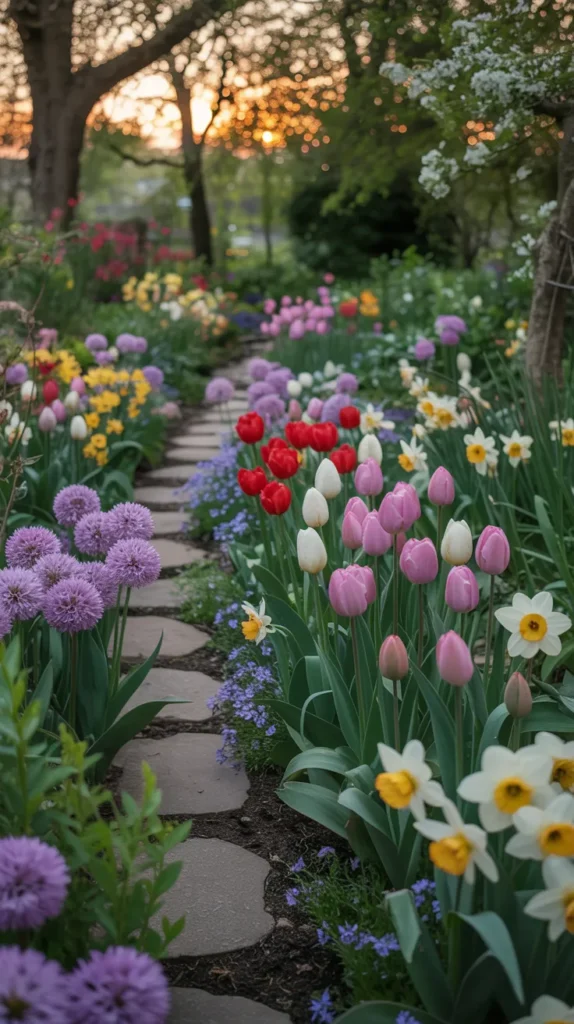
No list of flower bulbs would be complete without the tulip. They are the icons of spring, offering an incredible range of colors, shapes, and sizes. From elegant, single-cup varieties to flamboyant “parrot” types with ruffled edges, there is a tulip for every taste.
To create a professional-looking display, avoid planting them in single rows. Instead, plant them in clusters or “drifts” of at least 10 bulbs. This creates a solid block of color that draws the eye.
Since planting this many bulbs can be tiring, an {Edward Tools Bulb Planter} is a lifesaver. It removes a clean core of soil, speeding up the process significantly so you can get hundreds of bulbs in the ground in an afternoon.
2. The Reliable Daffodil (Narcissus)
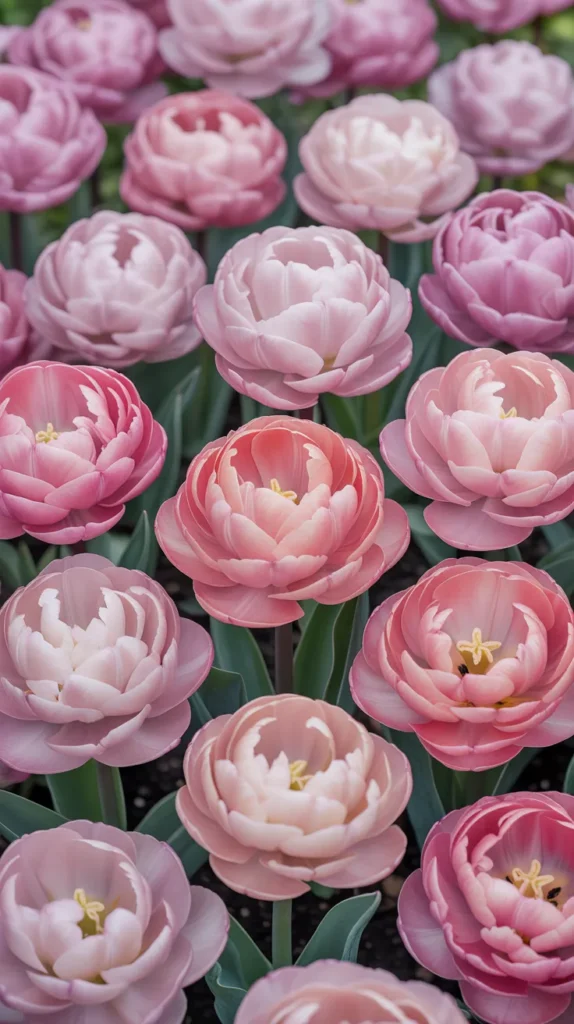
If you want a bulb that is practically indestructible, choose the daffodil. These cheerful yellow and white trumpets are deer-resistant, rodent-resistant, and incredibly hardy. They are often the first sign that winter is finally releasing its grip.
Daffodils are perfect for “naturalizing,” which means planting them in your lawn or under trees to grow wild. Over time, they multiply, creating larger and more impressive clumps. Just toss the bulbs gently onto the grass and plant them where they land for a truly natural look.
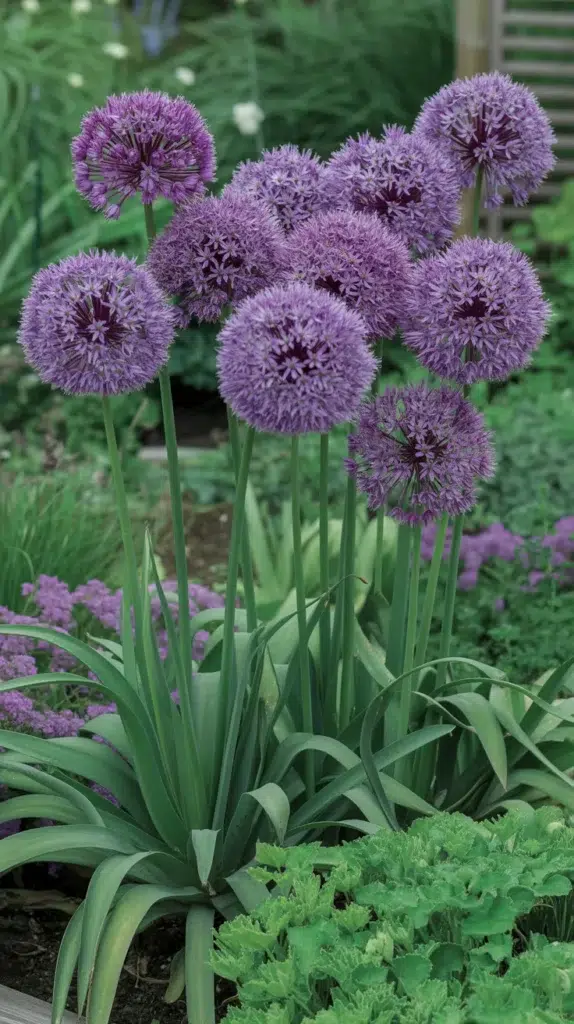
3. The Dramatic Allium
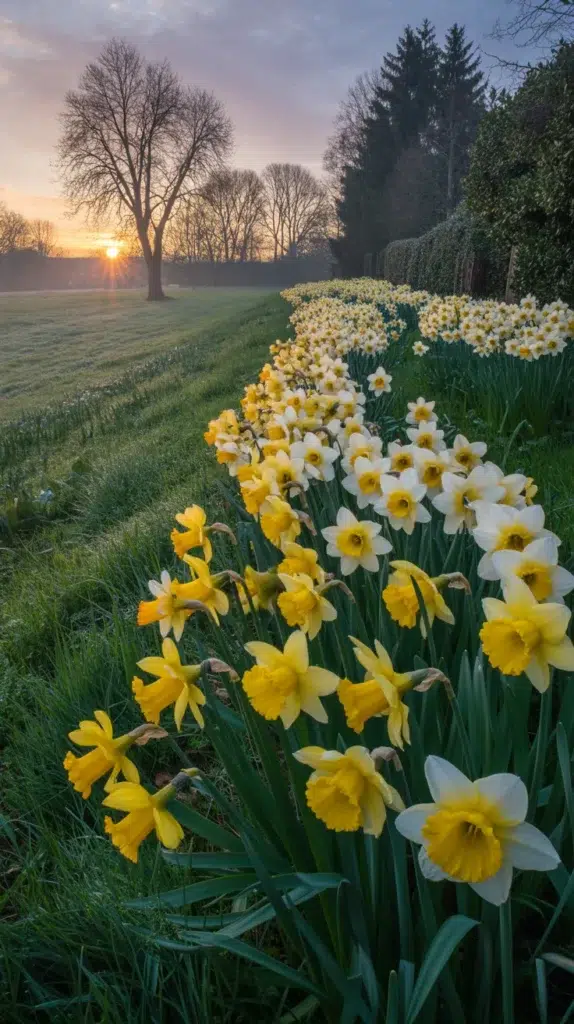
For a touch of architectural drama, look no further than the Allium. These ornamental onions produce large, perfect spheres of purple, white, or blue flowers on top of tall, sturdy stems. They look like colorful lollipops floating above the garden border.
Because their foliage tends to fade before the flowers bloom, it is best to plant Alliums in the middle of the flower bed. Surround them with bushy perennials like hostas or lady’s mantle to hide the leaves while letting the purple globes soar high.
4. The Fragrant Hyacinth
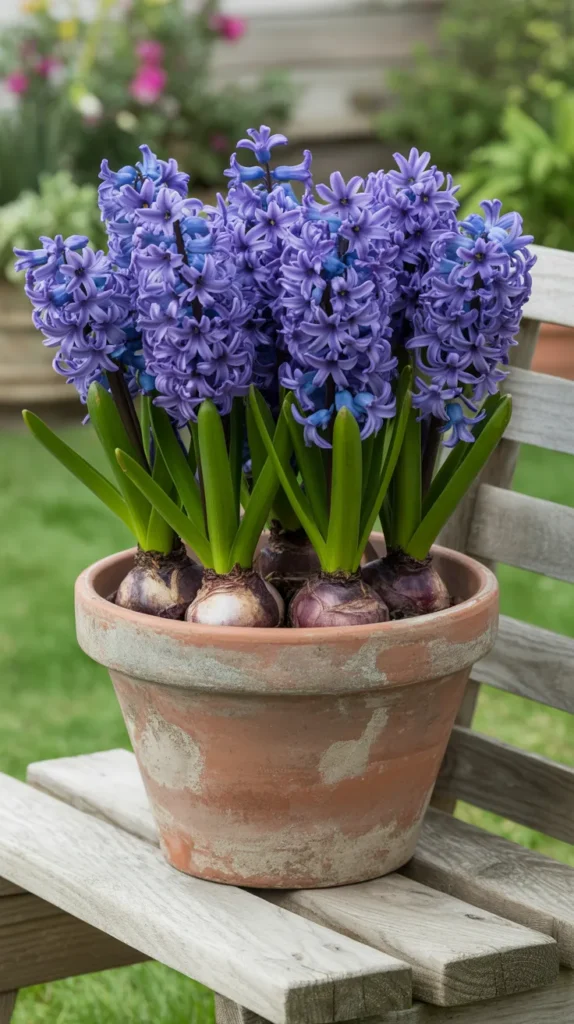
Engage your sense of smell with the intoxicating perfume of hyacinths. These spring bloomers produce dense spikes of star-shaped flowers in rich shades of blue, pink, purple, and white. Just a few spikes can scent an entire patio.
Hyacinths are ideal for containers or planting near walkways where you can enjoy their fragrance up close. To give them a strong start, mix a little {Espoma Organic Bulb-tone} into the soil at planting time. This slow-release fertilizer provides the specific nutrients bulbs need for strong root development and vibrant blooms.
5. The Elegant Calla Lily
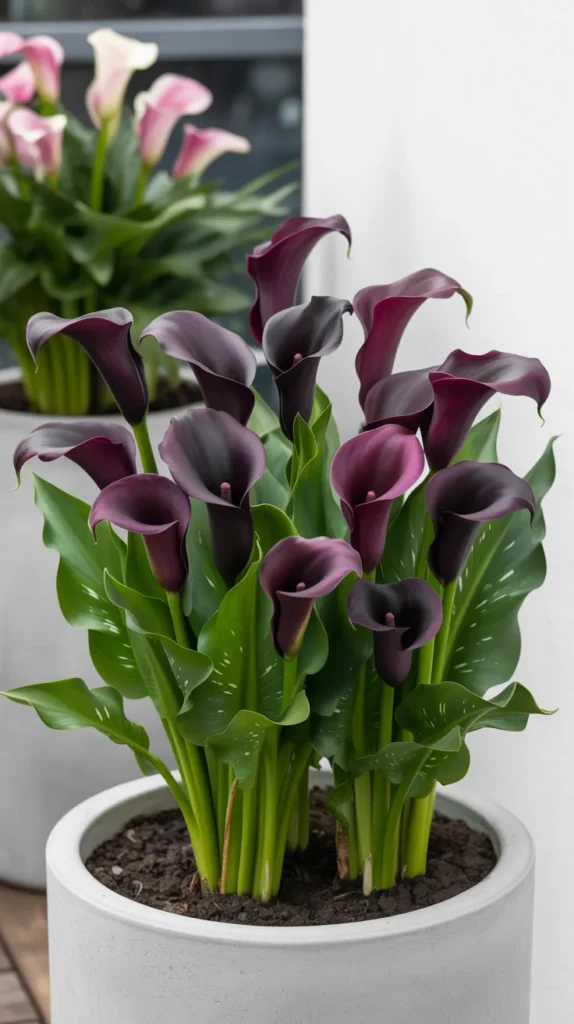
With their sleek, modern lines and trumpet-shaped blooms, Calla Lilies bring a touch of sophistication to any garden. Unlike spring bulbs, these are planted in the spring for summer blooms. They thrive in warm soil and love moisture.
Callas are fantastic for cutting gardens because the flowers last a long time in a vase. They also come in stunning colors beyond white, including deep plum, sunny yellow, and burnt orange. Their broad, speckled leaves are ornamental even when the plant isn’t blooming.
6. The Long-Lasting Gladiolus
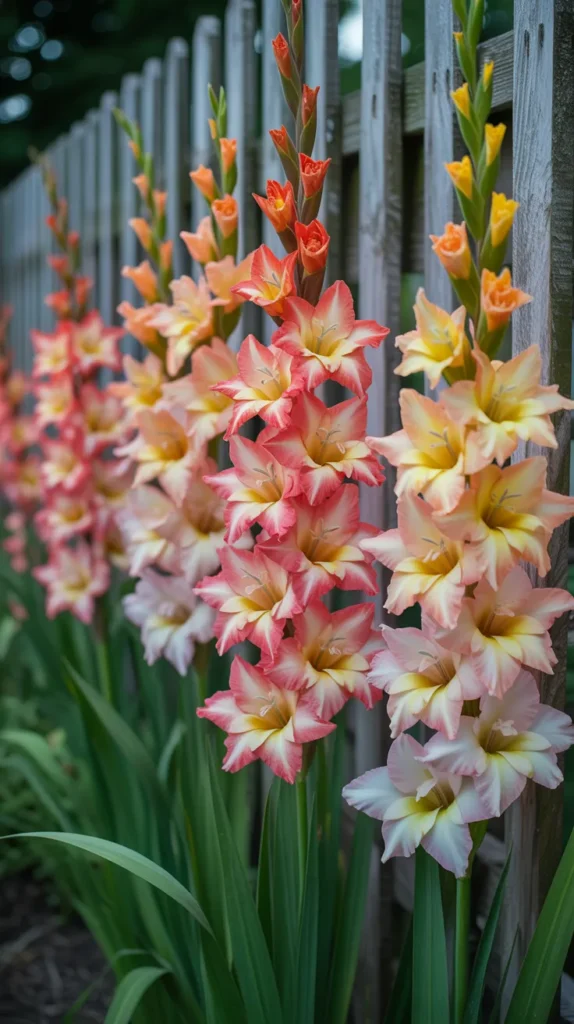
Gladiolus, or “glads,” are the exclamation points of the summer garden. Their tall, sword-like spikes are covered in ruffled blooms that open from the bottom up. They add incredible vertical interest to the back of a border.
Because they grow so tall (sometimes up to 5 feet!), they often need support to keep from toppling over in the wind. Installing {Gardener’s Blue Ribbon Sturdy Plant Stakes} at planting time allows you to tie the stems loosely as they grow, keeping your display neat and upright without damaging the bulbs later.
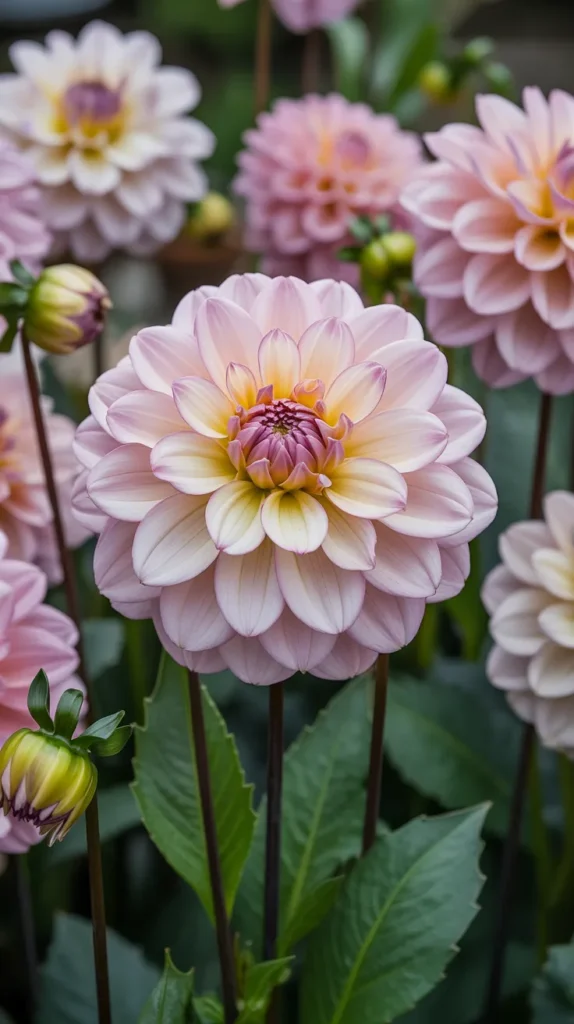
7. The Exotic Dahlia
Dahlias are the divas of the late summer garden—demanding but undeniably worth it. Technically tubers rather than true bulbs, they produce a non-stop supply of blooms from mid-summer until the first frost.
The variety is endless, from tiny pompoms to massive dinner-plate varieties. They love full sun and rich soil. Because you might need to dig them up in colder climates to store over winter, marking them clearly is essential. Use durable {WHATOOK Plant Labels} to write down the variety name so you know exactly what to replant next spring.
8. The Charming Crocus
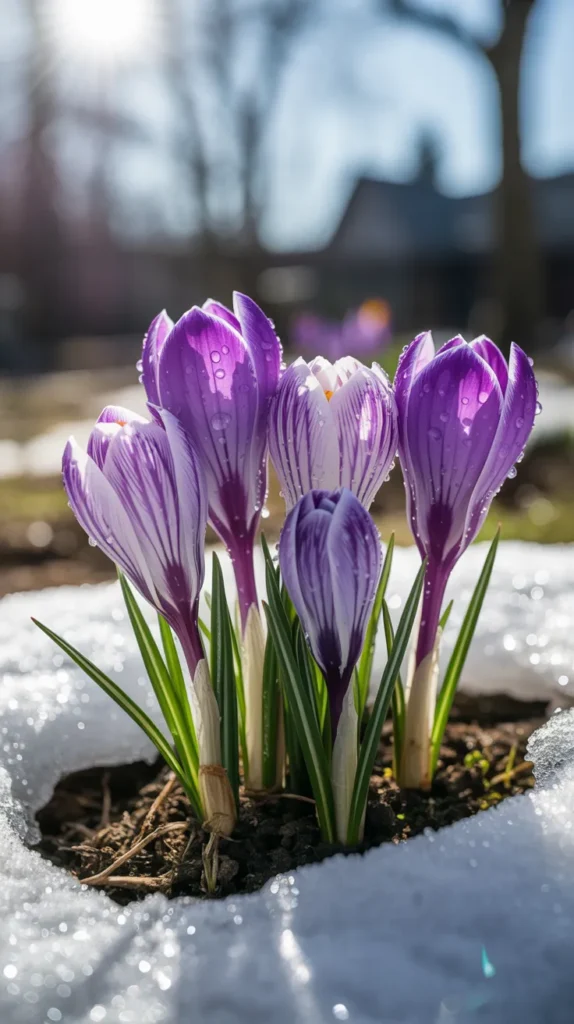
Just when you think winter will never end, the crocus arrives. These tiny, cup-shaped flowers often push right through the snow, offering a vital source of nectar for early bees. They come in cheerful shades of purple, yellow, and white.
Crocuses look best when planted in massive quantities. They are perfect for rock gardens or tucked into the front edge of a flower bed. Because they are small, planting them can involve a lot of time on your knees. A {Garden Kneeler and Seat} makes this task much more comfortable, protecting your joints from the cold, hard ground.
9. The Delicate Snowdrop (Galanthus)
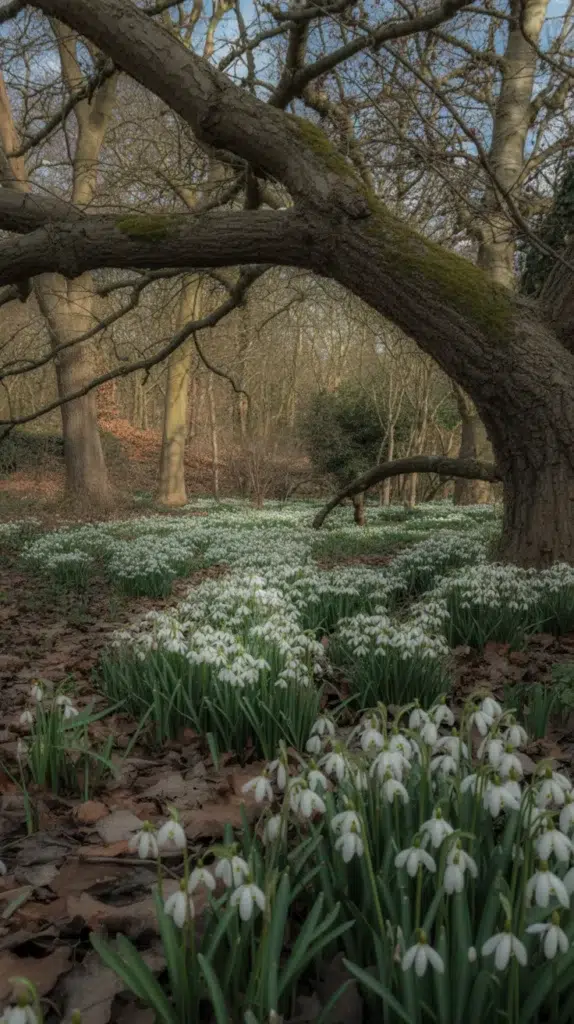
Even earlier than the crocus is the humble snowdrop. These delicate, nodding white flowers are true harbingers of spring. They have a subtle, quiet beauty that is best appreciated in a woodland setting or under deciduous trees.
Snowdrops prefer cool, moist soil and dappled shade. Unlike many other bulbs, they don’t like to dry out completely in the summer. Plant them where they can be left undisturbed to form large, natural colonies over the years.
10. The Vibrant Begonia
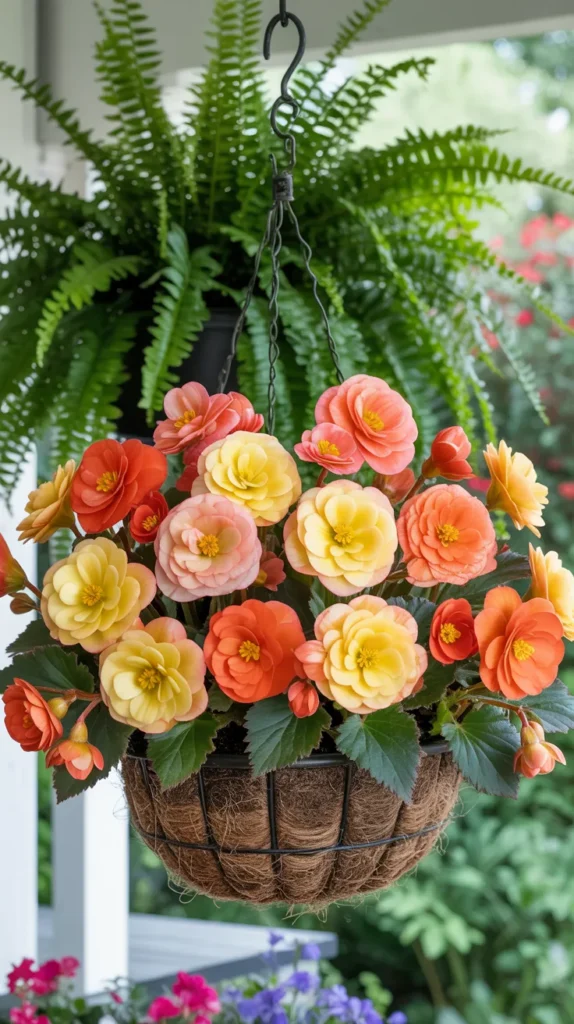
For shady corners that need a pop of color, Tuberous Begonias are the answer. These summer-blooming bulbs produce lush, rose-like flowers in brilliant shades of red, orange, pink, and yellow.
They are perfect for hanging baskets and window boxes where their cascading stems can drape beautifully. Unlike most bulbs, begonias prefer shallow planting. Keep the soil moist but not waterlogged to prevent rot.
11. The Unique Fritillaria
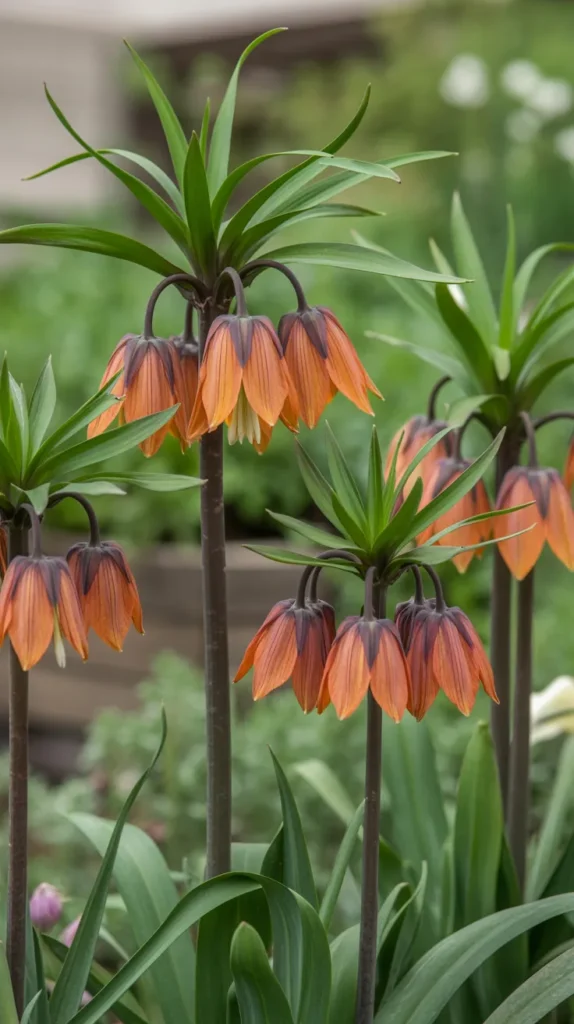
If you want a conversation starter, plant Fritillaria. The “Crown Imperial” variety is particularly striking, featuring a tall stalk topped with a ring of downward-facing bell flowers and a tuft of spiky green leaves on top—like a pineapple.
They have a unique, musky scent that actually helps deter rodents from your garden beds. Plant them deeply in well-draining soil to ensure they return year after year. When handling bulbs and soil, always protect your hands with {COOLJOB Gardening Gloves}, which offer great grip and breathability.
12. The Asiatic Lily
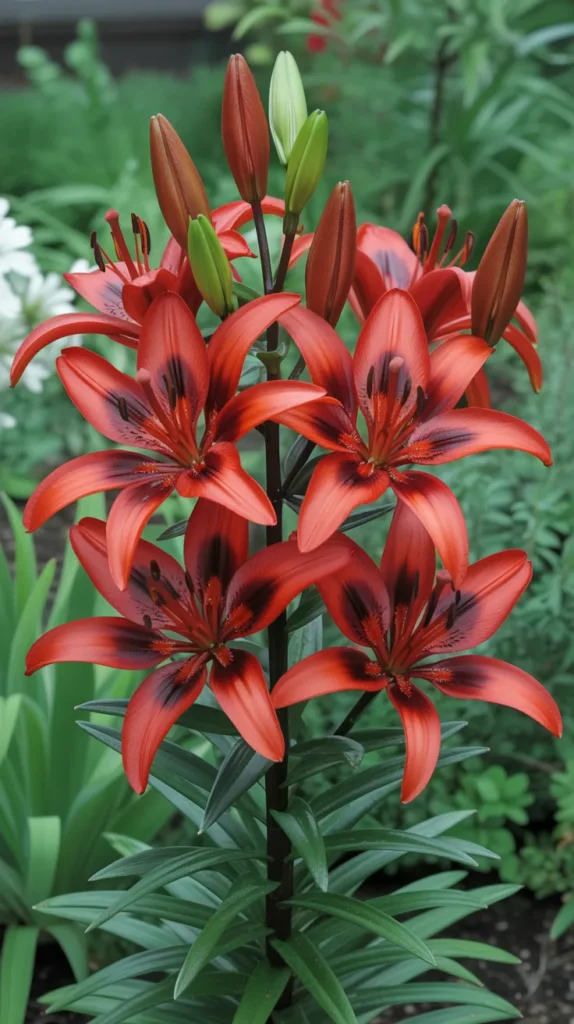
For a burst of early summer color, Asiatic Lilies are unbeatable. They are the easiest lilies to grow, boasting strong stems and upward-facing flowers in bright, bold colors.
They multiply quickly, giving you more blooms every year. They look stunning when planted in groups of three or five between low-growing perennials. Just be sure to remove the orange pollen-bearing anthers if you bring them inside, as the pollen can stain blooming fabrics.
Recommended Products for Your Bulb Garden
| Product | Use Case |
|---|---|
| {Edward Tools Bulb Planter} | Speeds up planting by removing clean soil cores; essential for mass plantings. |
| {Espoma Organic Bulb-tone} | Provides essential slow-release nutrients for strong roots and future blooms. |
| {Gardener’s Blue Ribbon Sturdy Plant Stakes} | Supports tall, top-heavy blooms like Gladiolus to prevent toppling. |
| {WHATOOK Plant Labels} | Durable markers to identify bulb varieties, especially those dug up for winter. |
| {Garden Kneeler and Seat} | Saves knees and back during long planting sessions in the fall or spring. |
| {COOLJOB Gardening Gloves} | Protects hands from dirt, moisture, and rough bulb skins. |
A Garden That Blooms in Layers
Incorporating a variety of flower bulbs into your landscape ensures that your garden is always waking up to something new. By mixing early spring risers like snowdrops with late-summer showstoppers like dahlias, you create a dynamic, ever-changing display.
So grab your trowel and your favorite varieties. Whether you have a sprawling backyard or a few patio pots, there is a bulb waiting to bring breathtaking beauty to your world.
