
There is a special kind of magic that happens when a pencil meets paper. It’s a quiet moment of creation where you can bring a world of beauty to life with just a few simple lines.
A flower box, with its rustic charm and overflowing blooms, is one of the most delightful subjects an artist can capture. It’s a self-contained world of color, texture, and life, offering endless possibilities for a beautiful flower box drawing.
This guide is your personal sketchbook, designed to spark your imagination and fill your pages with floral beauty.
We’re going to explore twelve beautiful and inspiring ideas that will help you create a stunning flower box drawing, no matter your skill level.
From simple line art to detailed, colorful masterpieces, you’ll find techniques and compositions to try, and you’ll learn how to break down this charming subject into simple, manageable steps.
It’s time to sharpen your pencils, open your sketchbook, and let the simple joy of drawing a world in bloom wash over you.
Essential Supplies for Your Flower Box Drawing
Before you start sketching, having a few key supplies will make the creative process more enjoyable and help you achieve the beautiful results you’re imagining.
These artist-approved tools are perfect for bringing your flower box drawing ideas to life.
- {Strathmore 400 Series Sketch Pad} by Strathmore: The foundation of any good drawing is good paper. This sketch pad from Strathmore has a fine-tooth surface that is perfect for graphite, colored pencils, and ink. It’s durable enough to handle erasing and layering, making it a reliable choice for both quick sketches and finished pieces.
- {STAEDTLER Mars Lumograph Graphite Drawing Pencil Set} by STAEDTLER: A quality set of graphite pencils is an artist’s best friend. This set offers a range of hardness levels, from hard (for light, initial sketches) to soft (for creating deep shadows and rich, dark lines). This variety is essential for giving your flower box drawing depth and dimension.
- {Sakura Pigma Micron Fineliner Pens} by Sakura: For creating clean, crisp line art, these pens are the industry standard. The Pigma ink is archival, waterproof, and fade-resistant. The set comes with multiple tip sizes, allowing you to create a variety of line weights, from delicate flower petals to bold outlines on your wood box.
- {Prismacolor Premier Colored Pencils, 72-Pack} by Prismacolor: When you’re ready to add vibrant color, Prismacolor pencils are a dream to work with. They have soft, creamy cores that are perfect for blending, layering, and shading, allowing you to capture the rich, beautiful colors of your flower box flowers.
- {Tombow Dual Brush Pen Art Markers, Pastel} by Tombow: These markers are incredibly versatile. They have a fine tip on one end for precise lines and a flexible brush tip on the other, perfect for coloring larger areas or creating beautiful, watercolor-like effects. The pastel palette is perfect for capturing soft, delicate floral scenes.
- {General’s Kneaded Rubber Eraser} by General Pencil: A good eraser is crucial. A kneaded eraser is excellent because it won’t tear your paper. You can mold it to a fine point to lift out small highlights or erase tiny mistakes, giving you incredible control over your final flower box drawing.

12 Beautiful Flower Box Drawing Ideas
Ready to fill your sketchbook with floral beauty? Here are twelve inspiring ideas, from simple sketches to detailed illustrations, to get you started on your next flower box drawing.
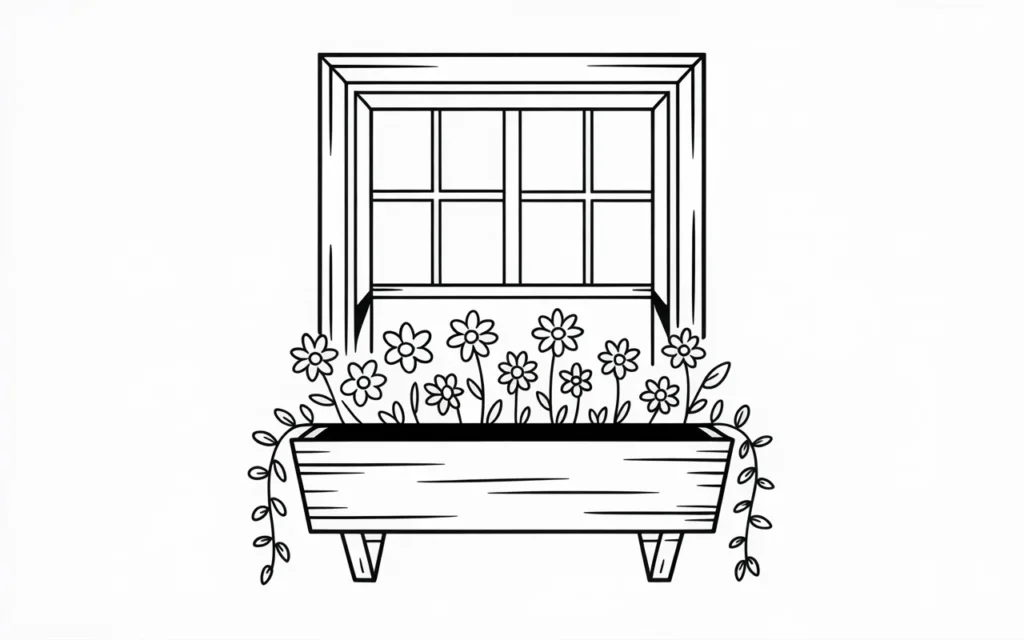
1. The Simple Farmhouse Window Box
Let’s start with a classic. A simple wooden flower box mounted under a window is a timeless and charming subject. This is a great exercise for practicing basic perspective and combining simple architectural elements with organic floral shapes.
- The Box: Begin by drawing the window and the box itself. Don’t worry about perfect lines; a little bit of wobble can add to the rustic charm. Use simple perspective to give the box a three-dimensional feel. Add a few vertical lines to suggest wooden planks and a couple of horizontal lines for the trim.
- The Flowers: You don’t need to draw every single petal. Start by sketching in the large, mounded shapes of the main flowers, like geraniums. Use loose, circular scribbles to represent the flower heads.
- The Greenery: Add some simple leaf shapes peeking out from between the flowers. Then, draw a few trailing vines (like ivy) with simple, heart-shaped leaves cascading down from the box. This “spilling” element adds life and movement to your flower box drawing.
This is a wonderful warm-up exercise that captures a complete, charming scene with just a few basic shapes.
2. The “Anatomy of a Flower Box” Study
This is a fantastic educational exercise that is also a beautiful piece of art in itself. Instead of drawing a finished arrangement, this idea is about creating a “field guide” or study page that deconstructs the elements of a flower box.
- The Layout: Divide your page into sections. In the center, draw a simple, empty wood flower box.
- The “Thriller”: In one section, draw a single, detailed study of a “thriller” plant—a tall, spiky flower like a snapdragon or salvia. You can label it with its name.
- The “Filler”: In another section, draw a study of a “filler” flower, like a lush petunia or a multi-petaled zinnia.
- The “Spiller”: In a third section, draw a detailed rendering of a “spiller” plant, focusing on how the trailing vine and leaves look. Sweet potato vine or trailing verbena are great subjects.
- The Notes: Add handwritten, call-out style notes around your drawings, pointing out details like “ruffled petals” or “cascading vine.”
This approach results in a beautiful, informative, and artistic sketchbook page.

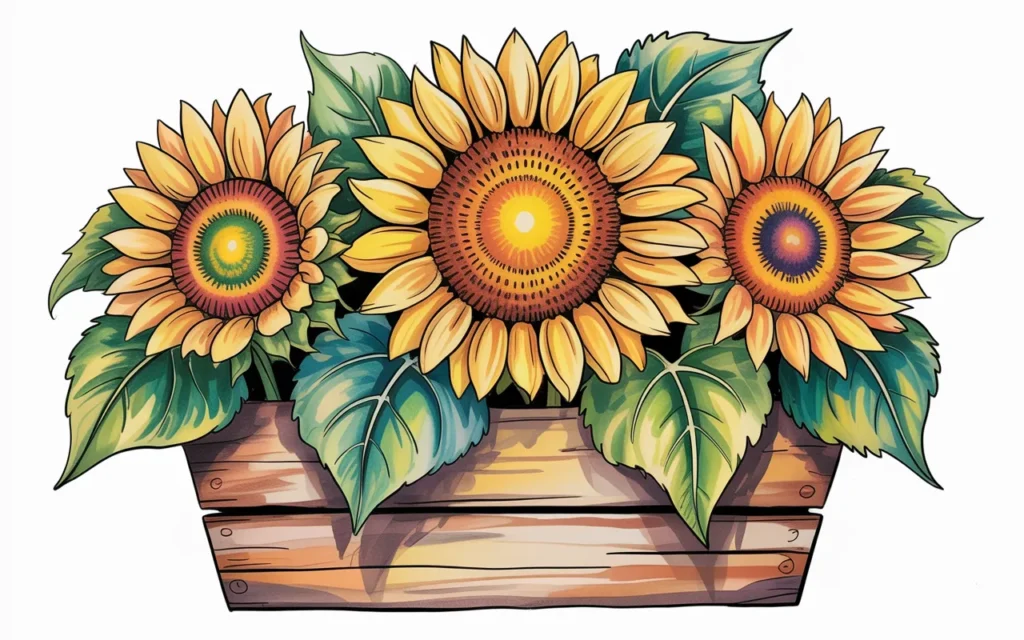
3. The Cheerful Sunflower Box
Nothing says “happy” quite like a sunflower. Dedicating your flower box drawing to these cheerful giants is a wonderful way to practice drawing large, bold shapes and creating a piece of art that is bursting with positive energy.
- The Focal Point: Sunflowers are the undeniable star. Start by drawing two or three large circles for the flower heads. Don’t place them all at the same height; variety creates a more natural look.
- The Petals: Draw the bright yellow petals radiating out from the center. They don’t have to be perfect; some can be slightly bent or overlapping.
- The Center: The center of a sunflower is a complex grid of seeds. You can suggest this texture by drawing a cross-hatching pattern or a series of small, tight circles.
- The Box: Keep the wood flower box itself simple and rustic, perhaps with a few visible wood grain lines, to provide a humble base for the magnificent blooms above.
This is a joyful subject that is perfect for a full-color drawing with colored pencils or markers.
4. The Modern Minimalist Succulent Box
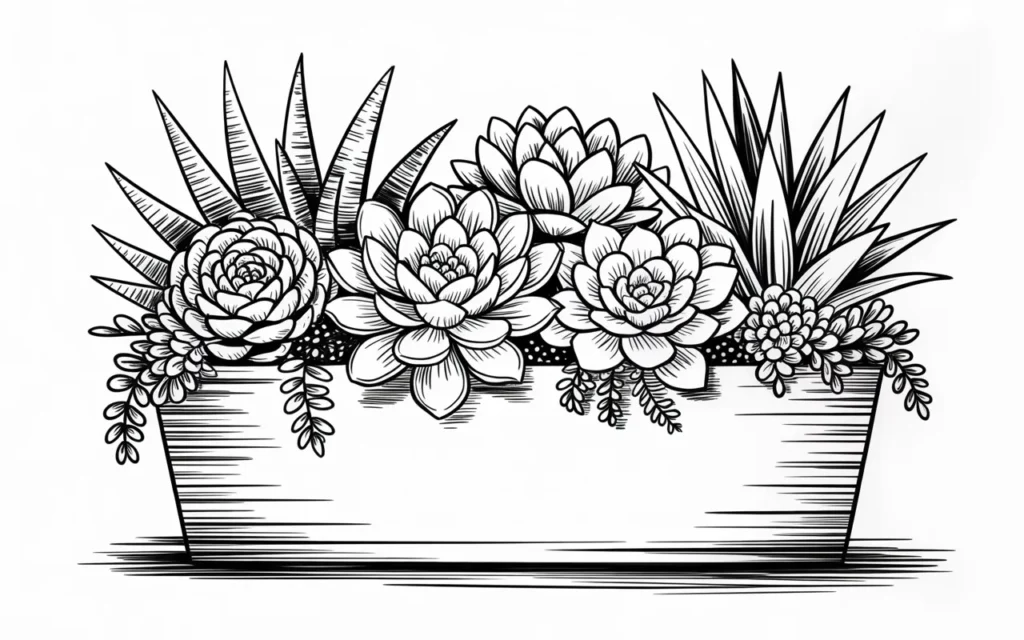
For a completely different aesthetic, a flower box drawing featuring succulents offers a wonderful opportunity to focus on clean lines, geometric shapes, and subtle color gradients. This is a perfect subject for practicing with fineliner pens.
- The Shapes: The beauty of succulents is in their diverse and architectural forms. Focus on drawing a variety of shapes: the perfect rosette of an Echeveria, the spiky points of a Haworthia, and the round, bead-like forms of a “String of Pearls.”
- The Line Work: Use a fine-tipped black pen to create a clean, graphic illustration. Pay attention to the outline of each plant. You can add texture and shadow with simple techniques like stippling (dots) or hatching (parallel lines).
- The Box: Draw a sleek, modern container. A simple, unadorned rectangle or a box with a concrete-like texture will complement the minimalist style of the plants.
This is a chic, modern, and very trendy subject that looks fantastic as a simple black and white line drawing.
5. The Overflowing Wildflower Meadow Box
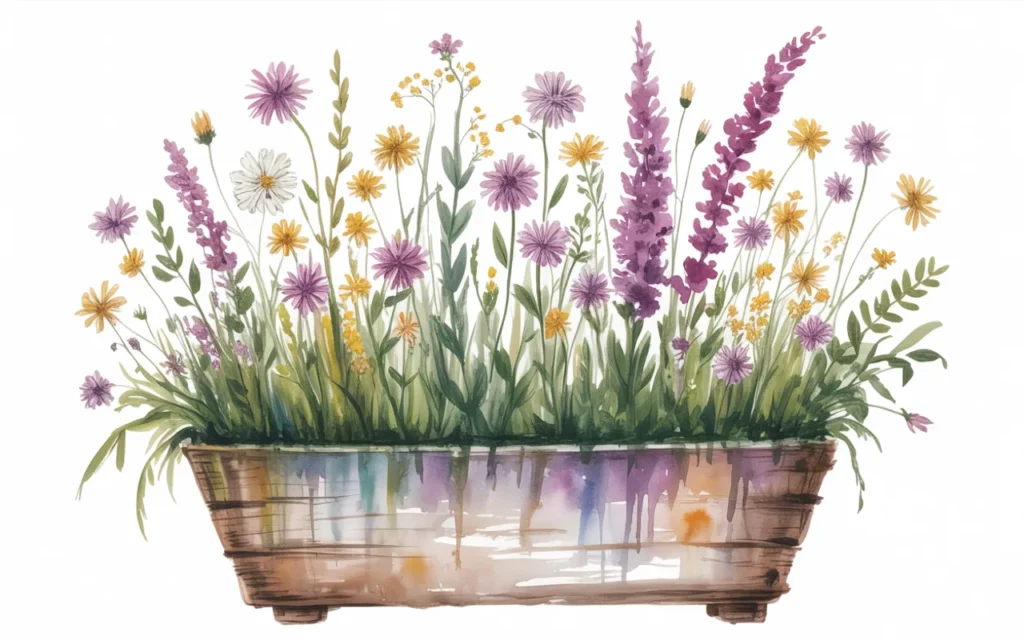
Capture the carefree, whimsical beauty of a wildflower meadow in your drawing. This style is less about perfect structure and more about capturing a sense of movement, variety, and natural, untamed beauty.
- The Approach: Think loose and free. Don’t try to draw every single flower perfectly. The goal is to create the impression of an abundant, overflowing mix of blooms.
- The Flowers: Use a variety of simple flower shapes. Draw simple daisies with radiating petals, tall stalks of lavender with small dots for blooms, and delicate Queen Anne’s lace with its lacy, flat tops.
- The Greenery: The key to the “meadow” look is lots of wispy, varied greenery. Draw tall, thin blades of grass, feathery fern fronds, and a mix of different leaf shapes peeking through the flowers.
- The Medium: This subject is perfect for watercolor. The fluid, slightly unpredictable nature of watercolor can beautifully capture the soft, airy feel of a wildflower arrangement.
This is a fun, expressive style that encourages you to loosen up and enjoy the process.
6. The Edible Herb Garden Sketch
An herb box is a wonderful subject that allows you to focus on the beauty of green in all its shades and textures. It’s a great exercise in drawing different leaf shapes and creating a composition that feels both lush and organized.
- The Textures: The key to a great herb drawing is capturing the different leaf textures. Contrast the tall, needle-like leaves of rosemary with the broad, smooth leaves of basil and the feathery, delicate fronds of dill.
- The Composition: Arrange the herbs at different heights. Place the tall rosemary in the back, the bushy basil in the middle, and a trailing oregano or thyme spilling over the front edge.
- The Details: Add small labels to your drawing. You can draw little wooden plant markers sticking out of the soil with the name of each herb written on them. This adds a charming, personal touch to your flower box drawing.
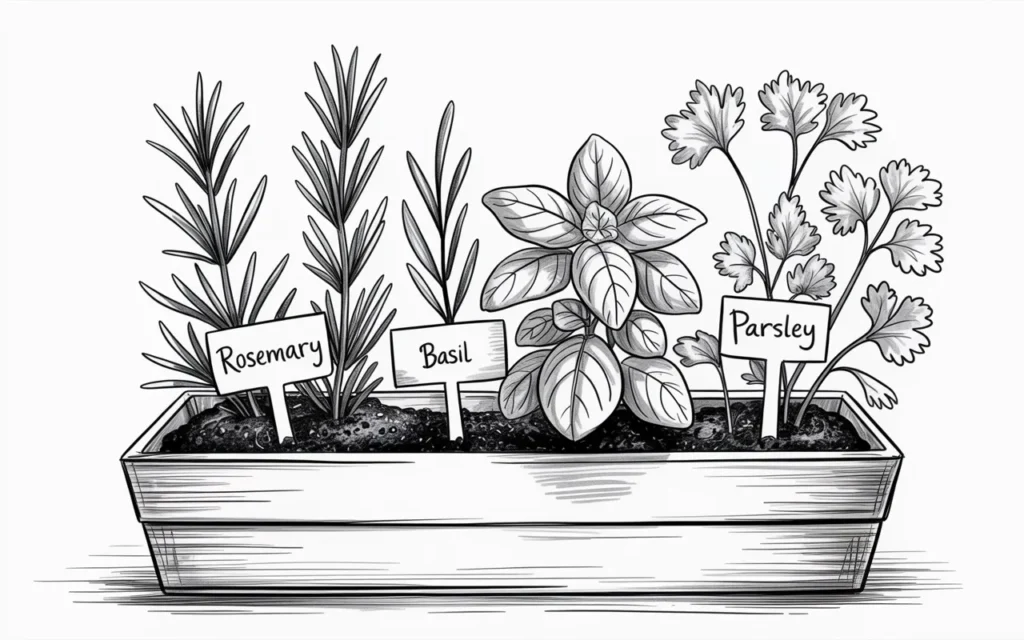
This is a fresh and charming subject that looks wonderful as a simple pencil sketch or a detailed ink drawing.
7. The Detailed Single Bloom Study
Sometimes, focusing on a single, perfect flower can be more impactful than drawing a whole box. This exercise is about slowing down and really observing the intricate details of one magnificent bloom that is sitting in a flower box.
- The Subject: Choose one large, complex flower to be your star. A lush, multi-petaled peony, a classic rose, or a dramatic dahlia are all excellent choices. Draw it as if it’s the only flower in your box.
- The Details: This is where you can really zoom in. Pay attention to the delicate veins on each petal, the way the petals curl and overlap, and the subtle shifts in color and shadow.
- The Context: Draw just a corner of the wood flower box beneath the bloom to give it context and ground it in the scene. The contrast between the perfect, delicate flower and the rustic, textured wood can be beautiful.
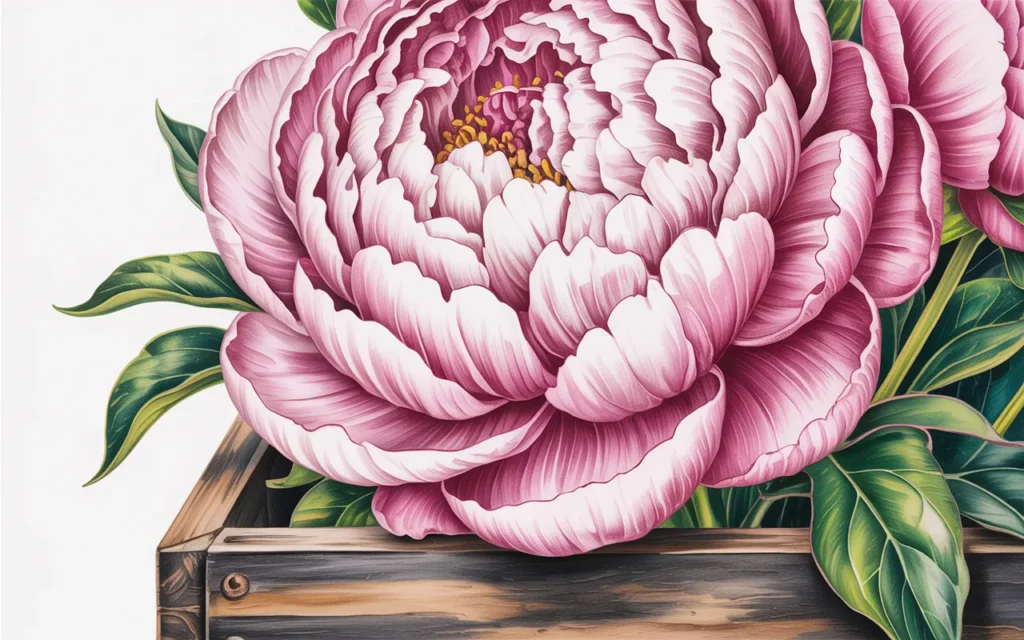
This is a meditative drawing exercise that will improve your observation skills and result in a stunning, portrait-like piece of art.
8. The “Pop of Color” Technique
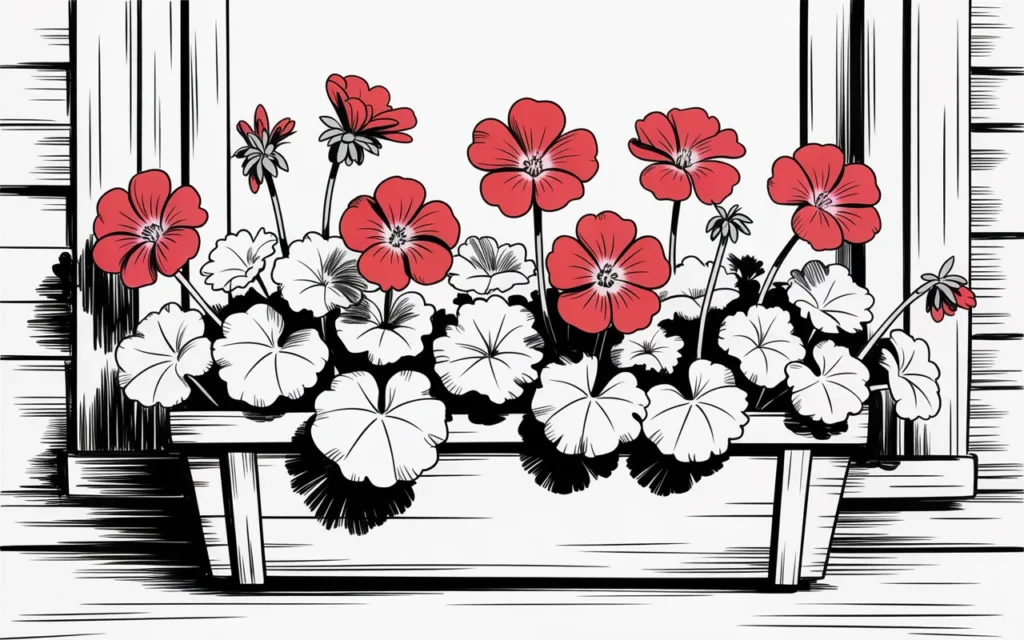
This is a dramatic and stylish drawing technique that combines black and white line art with a single, vibrant splash of color. It’s a great way to create a high-impact flower box drawing that really catches the eye.
- The Line Art: Start by creating a complete, detailed drawing of your flower box and flowers using a black fineliner pen. Draw the wood grain on the box, the centers of the flowers, and the veins on the leaves.
- Choose Your Color: Pick one single, bold color to be your accent. A vibrant red, a sunny yellow, or a deep blue works well.
- Apply the Color: Using a colored pencil, marker, or watercolor, color in only the petals of the flowers. Leave the leaves, the stems, and the box itself as black and white line art.
The contrast between the detailed black and white drawing and the single pop of vibrant color is incredibly striking and modern.
9. A View From Above (Flat Lay)
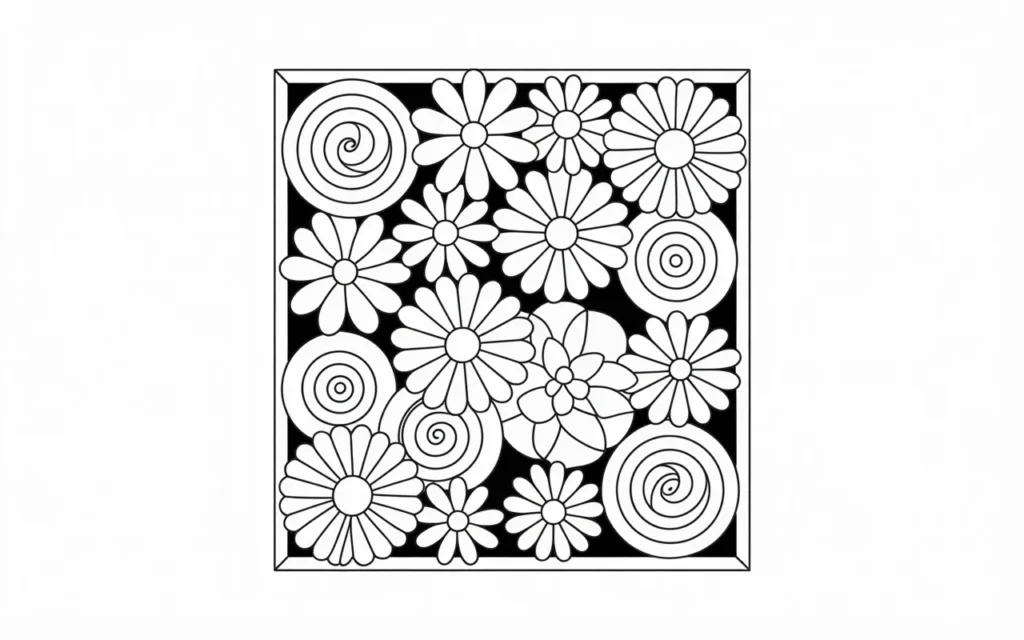
Change your perspective! Instead of drawing your flower box from the side or at an angle, draw it directly from above, as if you are looking down on it. This “flat lay” perspective creates a beautiful, pattern-like composition.
- The Composition: This perspective turns your drawing into a beautiful tapestry of shapes and colors. You will see the top-down view of all the flower heads and leaves, creating a dense, floral pattern.
- The Flowers: This view is perfect for drawing flowers with interesting top-down shapes, like roses (which look like spirals), zinnias (which have many layers of petals), and succulents (which have a beautiful, geometric, rosette shape).
- The Box: From this angle, all you will see of the box is the top rim, which acts as a simple frame around your beautiful floral pattern.
This is a unique and modern way to approach your flower box drawing, resulting in a piece that feels like a textile or wallpaper design.
10. The Cozy Winter Box Illustration
A flower box drawing doesn’t have to be about summer blooms. A winter-themed box is a cozy and festive subject, perfect for a holiday card or a piece of seasonal art.
- The Elements: This drawing is all about texture. Focus on drawing the spiky needles of evergreen cuttings, the rough, bumpy texture of pinecones, and the smooth, round shapes of red winterberries.
- The “Thriller”: A small, conical evergreen tree (like a dwarf spruce) or a few beautiful birch branches can provide height and a focal point.
- The Details: Add a light dusting of “snow” on the branches and the rim of the wood flower box. You can do this by leaving parts of the paper white or by using a white gel pen to add highlights. A cheerful red cardinal perched on a branch is another charming detail to include.
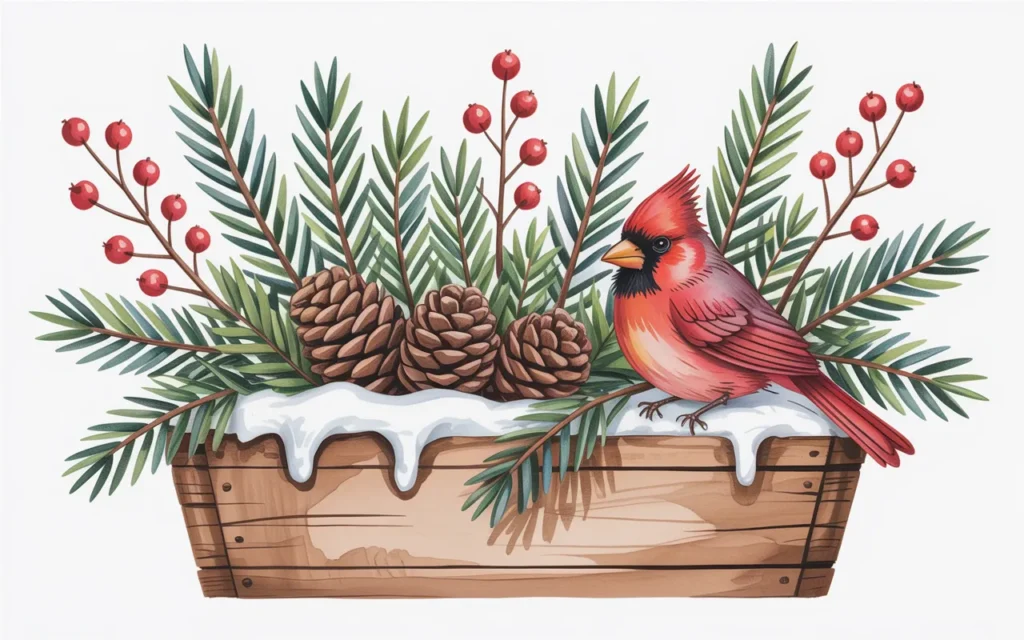
This is a wonderful way to capture the quiet, festive beauty of the winter season.
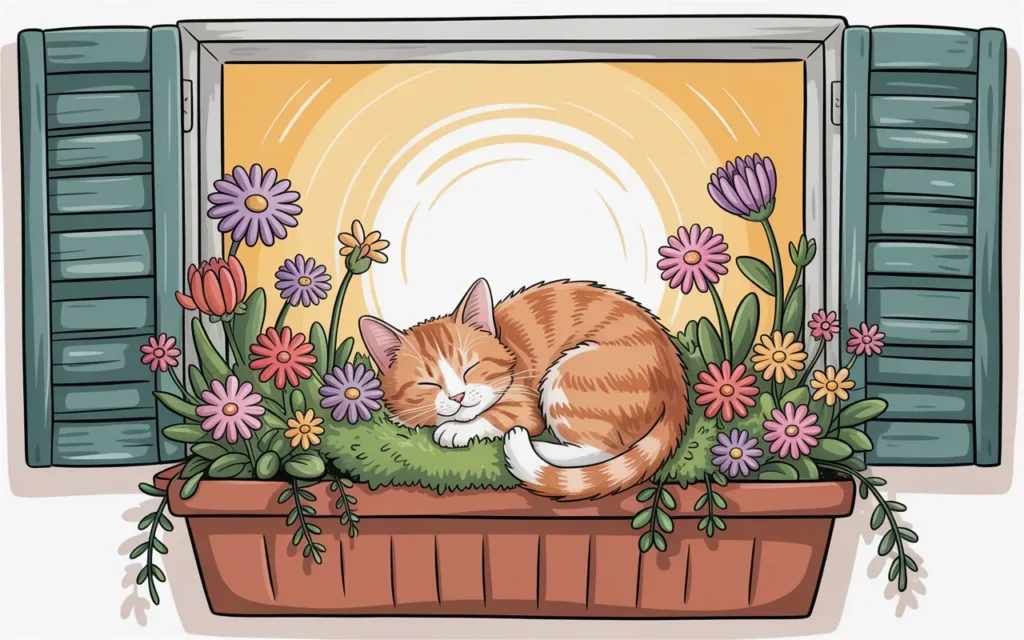
11. The Cat in the Window Box
Add a touch of narrative and personality to your drawing by including a charming character. A sleepy cat curled up amongst the flowers in a sunny window box is an incredibly endearing and heartwarming scene to capture.
- The Story: This drawing tells a simple, sweet story. It’s not just a drawing of flowers; it’s a drawing of a cozy, happy home.
- The Cat: Start by sketching the simple, curved shape of a sleeping cat. It could be an orange tabby, a black cat, or a fluffy white cat. Draw it nestled amongst the mounded “filler” flowers.
- The Interaction: Draw a few leaves or petals gently resting on the cat’s back. Maybe its tail is lazily draped over the edge of the box. These small details show the interaction between the character and the environment.
This is a surefire way to create a flower box drawing that will make everyone who sees it smile.
12. The Step-by-Step Tutorial Drawing
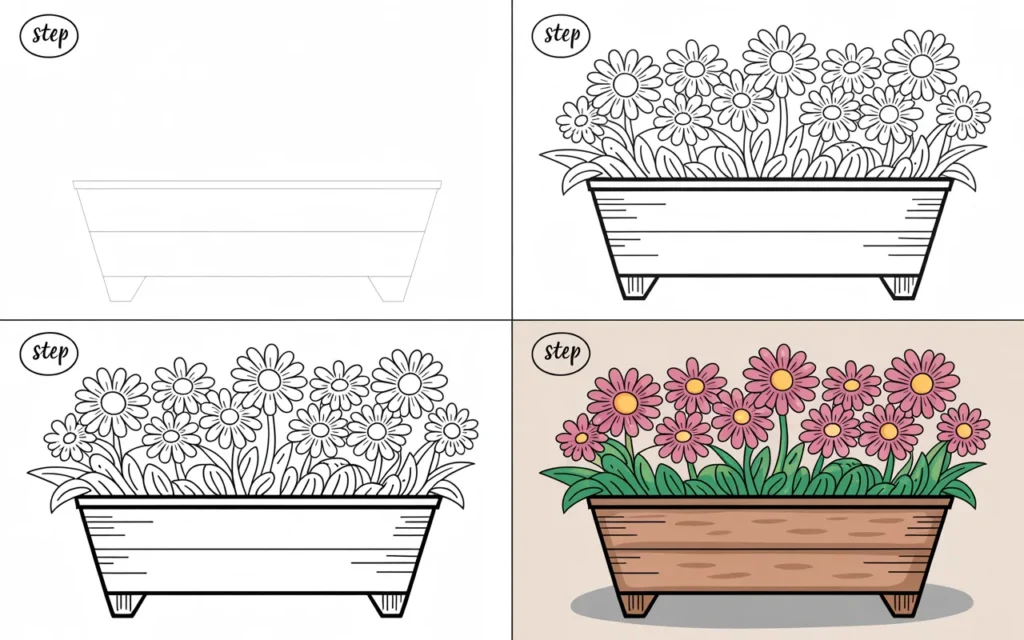
Turn your art into a lesson! This is a great idea for a blog, a Pinterest pin, or just a fun page in your sketchbook. It involves creating a mini-tutorial that shows the process of your flower box drawing.
- The Layout: Divide your page into 3 or 4 horizontal panels.
- Step 1: In the first panel, show the very basic initial sketch: just the simple rectangular shape of the box and a few circles and ovals for the main flower masses. Label it “Step 1: Basic Shapes.”
- Step 2: In the next panel, show the drawing with more detail added. The flowers have petals, the leaves have shapes, and the box has some texture. Label it “Step 2: Add Details.”
- Step 3: In the final panel, show the finished drawing, complete with shading, color, and all the final touches. Label it “Step 3: Add Color & Shading.”
This is a fun, meta-drawing project that is both a beautiful piece of art and a helpful guide for other aspiring artists.
Recommended Product Summary
Here is a quick reference table of the essential art supplies that will help you create the flower box drawing of your dreams.
| Product Name | Brand | Use Case |
|---|---|---|
| {Strathmore 400 Series Sketch Pad} | Strathmore | A high-quality, versatile paper perfect for a variety of media. |
| {STAEDTLER Mars Lumograph Pencil Set} | STAEDTLER | Provides a range of hardness for everything from light sketches to deep shadows. |
| {Sakura Pigma Micron Fineliner Pens} | Sakura | The artist’s choice for creating crisp, permanent, and detailed line art. |
| {Prismacolor Premier Colored Pencils} | Prismacolor | Creamy, blendable pencils perfect for creating rich, vibrant color. |
| {Tombow Dual Brush Pen Art Markers} | Tombow | Versatile markers for both fine lines and broad strokes of color. |
| {General’s Kneaded Rubber Eraser} | General Pencil | A gentle, moldable eraser for precise erasing and creating highlights. |
Pick Up Your Pencil and Create
A flower box drawing is a journey into a small, beautiful world of your own making. It’s a subject that offers endless variety, from the rustic texture of the wood to the delicate petals of the flowers.
It’s a chance to practice perspective, to play with color, and to capture the simple, joyful feeling of life in full bloom.
The most important thing is not to worry about perfection, but to enjoy the quiet, meditative process of creating.
So, choose an idea that sparks your interest, grab your favorite tools, and let your creativity blossom on the page.
