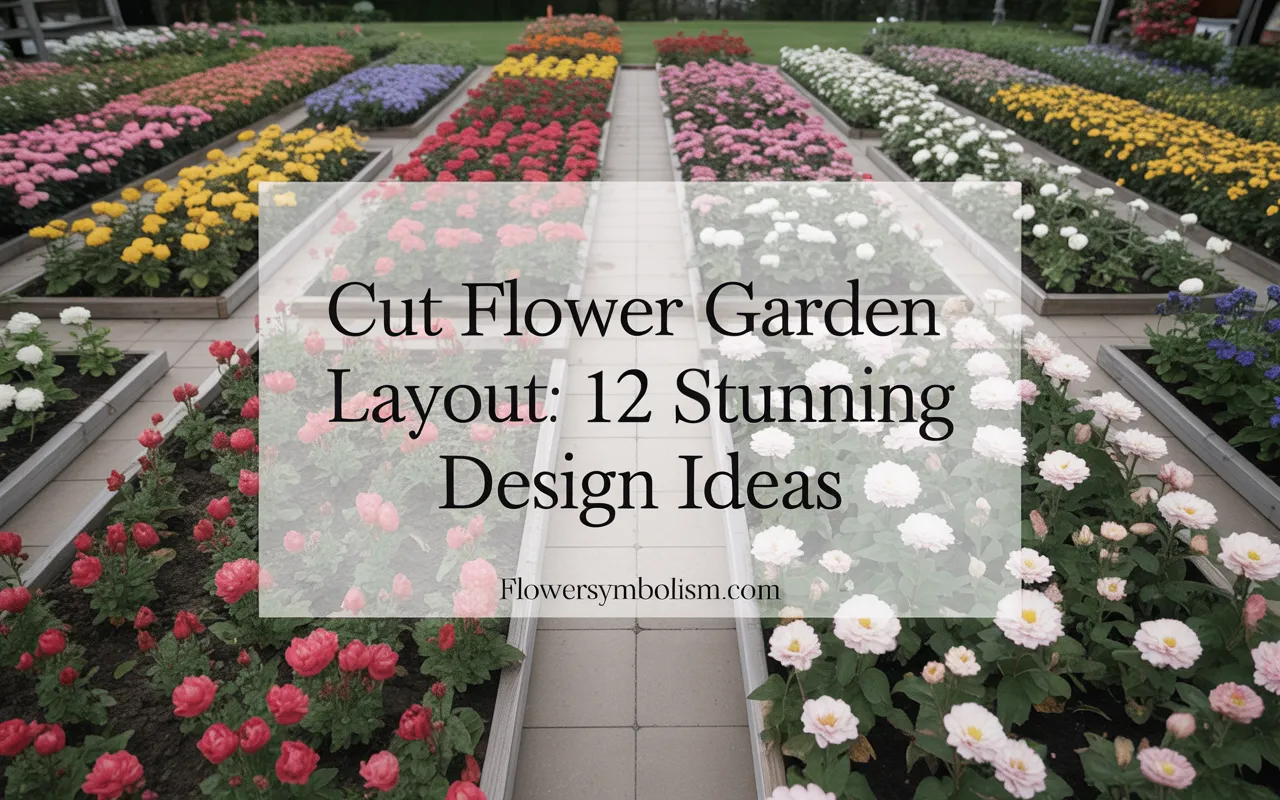
Imagine walking out your back door, shears in hand, and gathering a fresh armful of zinnias, dahlias, and cosmos before breakfast. There is nothing quite like the luxury of having fresh bouquets on demand. But to turn that dream into a reality, you need more than just seeds—you need a plan.
A well-thought-out cut flower garden layout is the difference between a chaotic jungle and a productive, beautiful floral factory.
Designing a space specifically for cutting is different from designing a decorative border. It’s about efficiency, accessibility, and abundance.
Whether you have acres of land or just a few raised beds, the right design helps you maximize your harvest while keeping maintenance low. We’ve gathered 12 stunning ideas to help you create a space that is as functional as it is breathtaking. Let’s get growing!
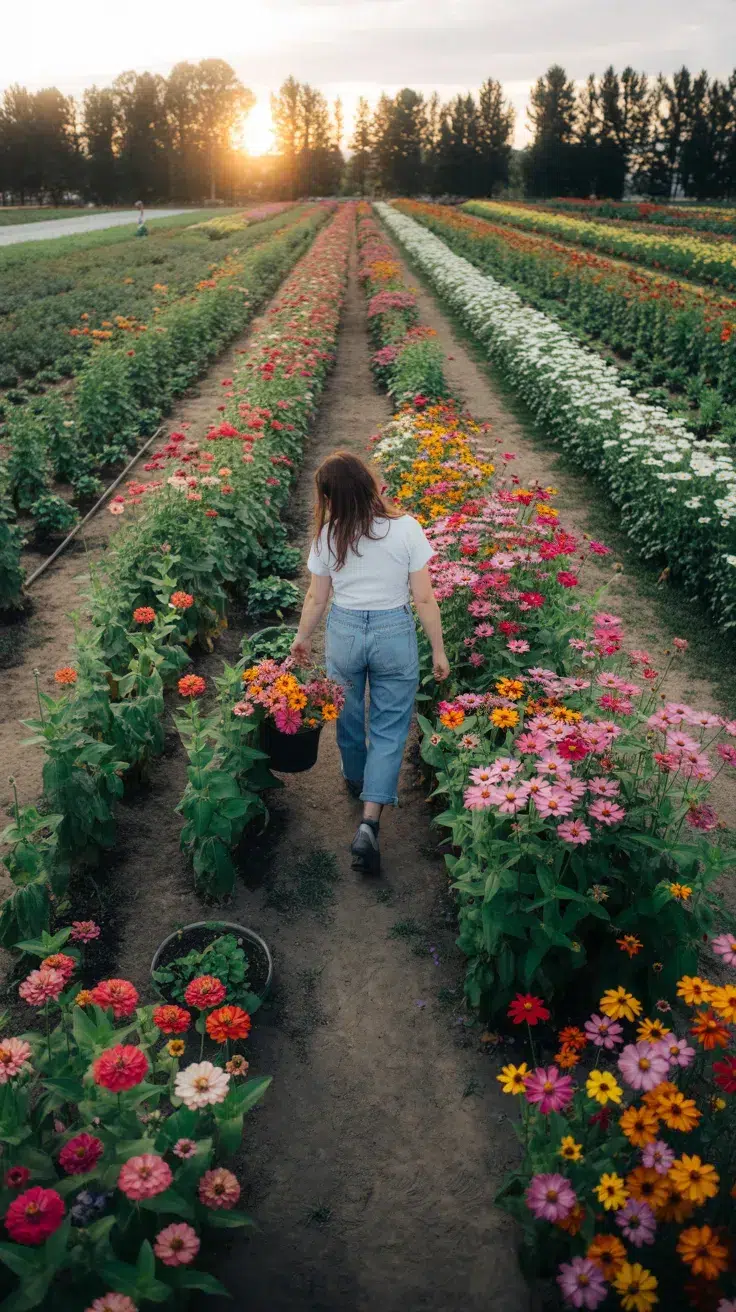
1. The Classic Row Crop Method
If your primary goal is production, look to the farmers. Planting in long, straight rows is the most efficient cut flower garden layout for harvesting. This method mimics a vegetable garden, giving every plant ample space and light.
By spacing your rows about 18 to 24 inches apart, you create clear pathways for walking, weeding, and cutting. It might not look like a traditional English cottage garden, but the sight of hundreds of blooms standing at attention is its own kind of beautiful. It makes staking tall plants like snapdragons and sunflowers incredibly simple, too.
2. The U-Shaped Raised Bed Efficiency
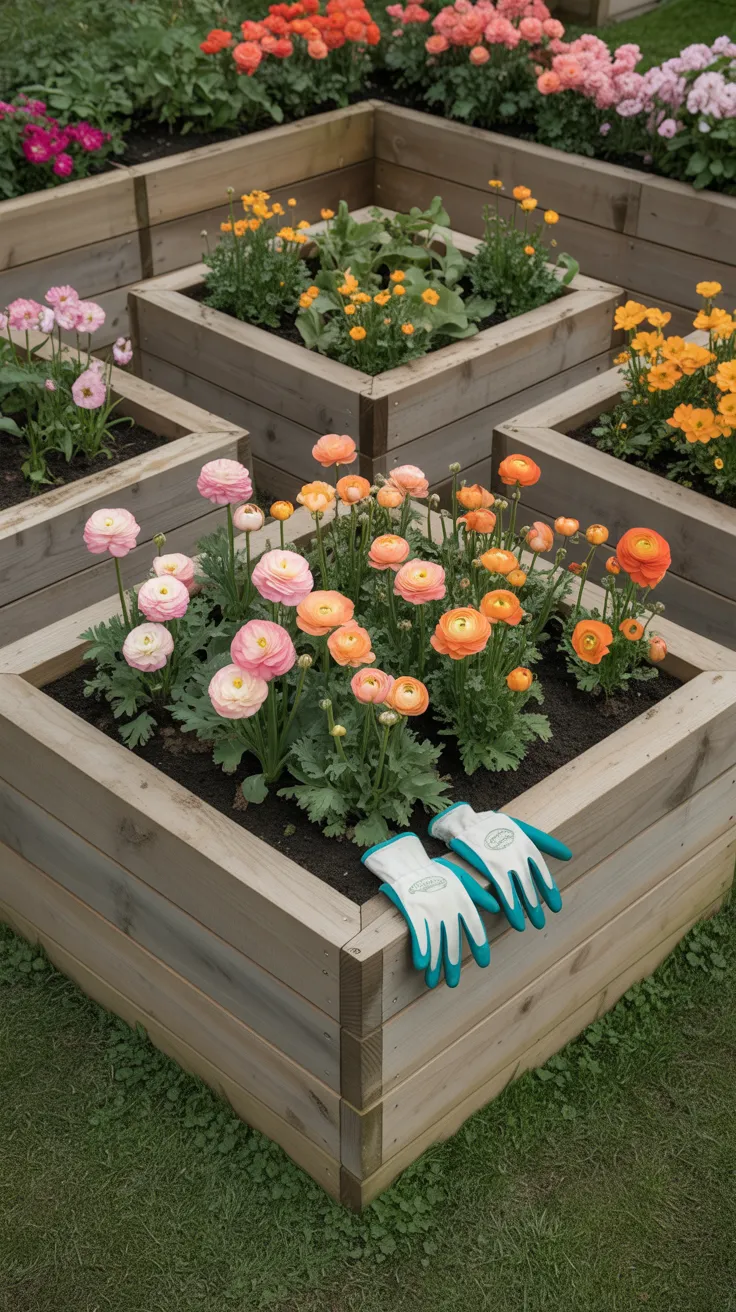
For those with limited space or bad backs, U-shaped raised beds offer incredible accessibility. This cut flower garden layout wraps the garden around you, allowing you to reach every single stem without ever stepping into the bed and compacting the soil.
Build three connecting raised beds in a ‘U’ shape. Stand in the middle “keyhole,” and you become the center of your floral universe. It’s perfect for intensive planting of high-value flowers like ranunculus or anemones, maximizing every inch of growing space.
3. The Grid Block System
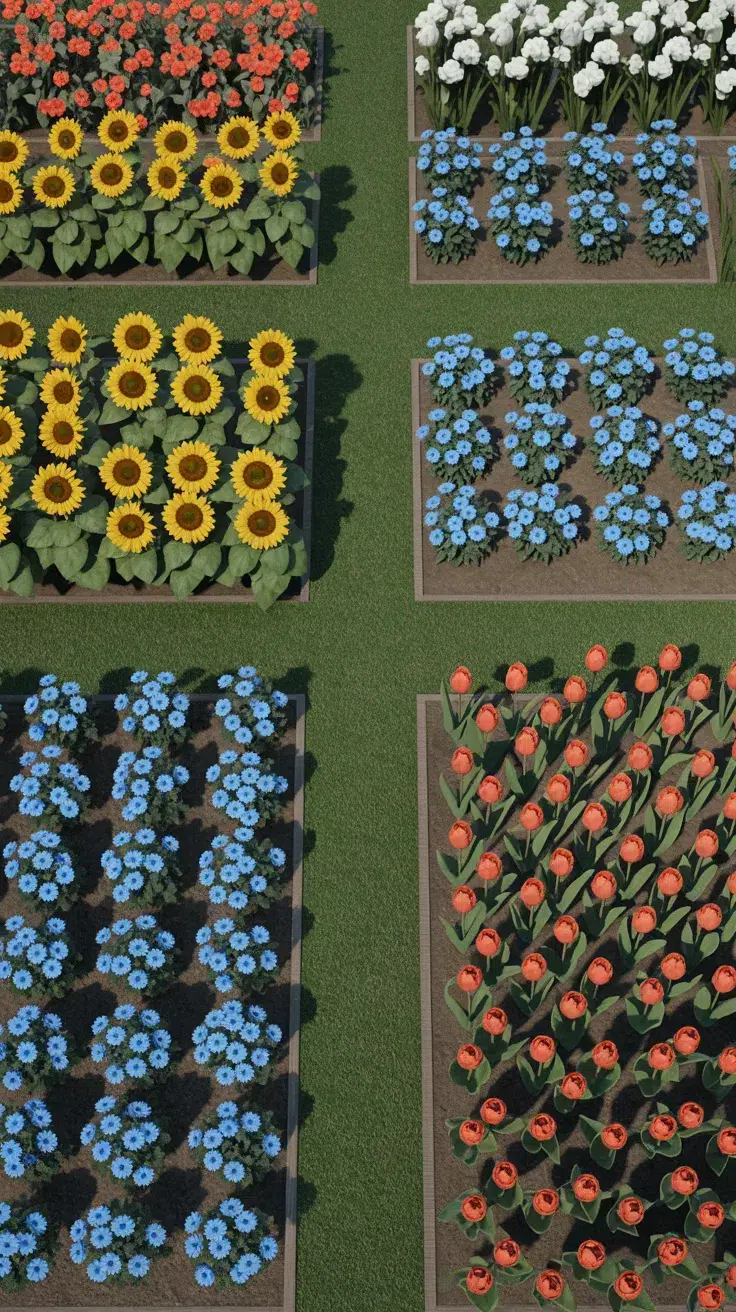
If you love organization, the block system is for you. Instead of long rows, divide your garden into square planting blocks, each dedicated to a single variety. This cut flower garden layout creates a patchwork quilt effect that is visually stunning.
Planting in blocks makes it easier to manage the specific needs of each flower type. You can water the thirsty dahlias heavily in one block while keeping the drought-tolerant lavender in the next block drier. It also prevents aggressive plants from taking over the whole garden.
4. The Companion Planting Permaculture Mix
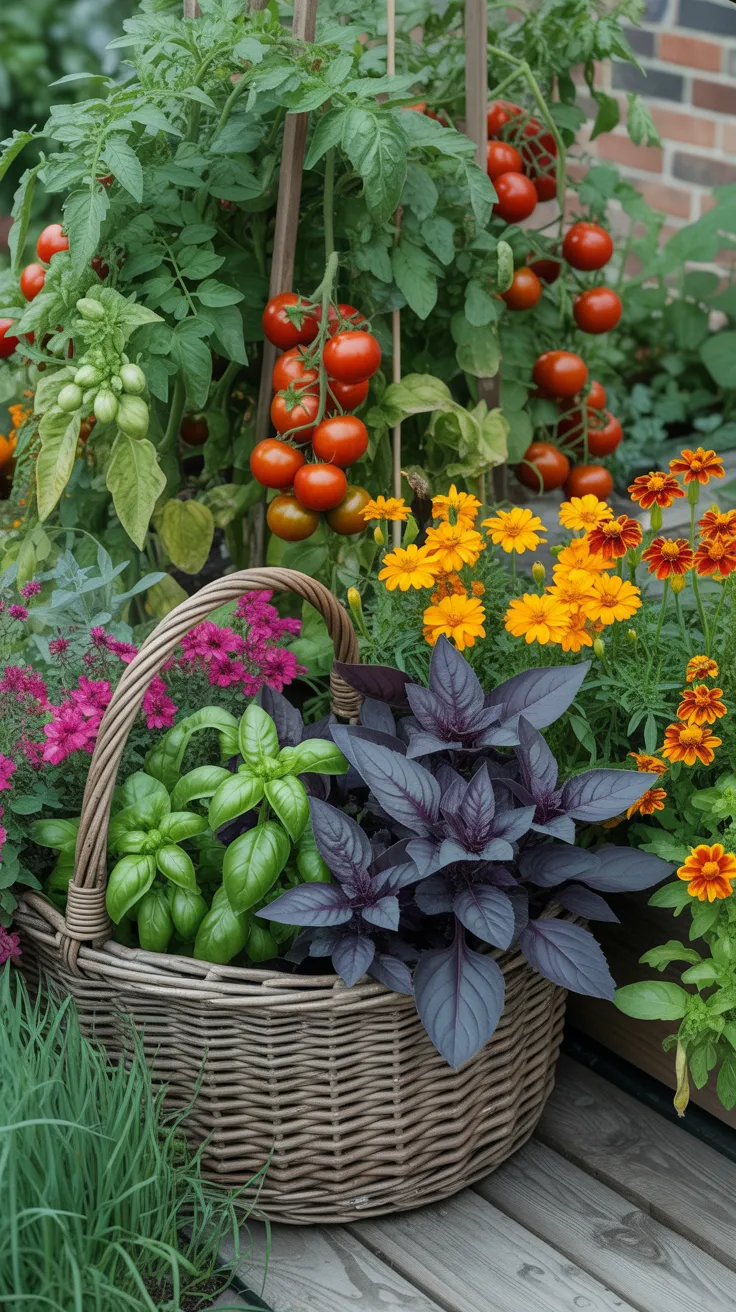
Who says a cutting garden has to be just for flowers? A permaculture-inspired layout mixes flowers with vegetables and herbs. This cut flower garden layout promotes biodiversity and confuses pests, leading to healthier plants without chemicals.
Plant marigolds alongside your tomatoes, or line your lettuce beds with sweet peas. The vegetables benefit from the pollinators attracted by the flowers, and you get a double harvest of food and beauty from the same footprint.
5. The Accessible Pathway Design
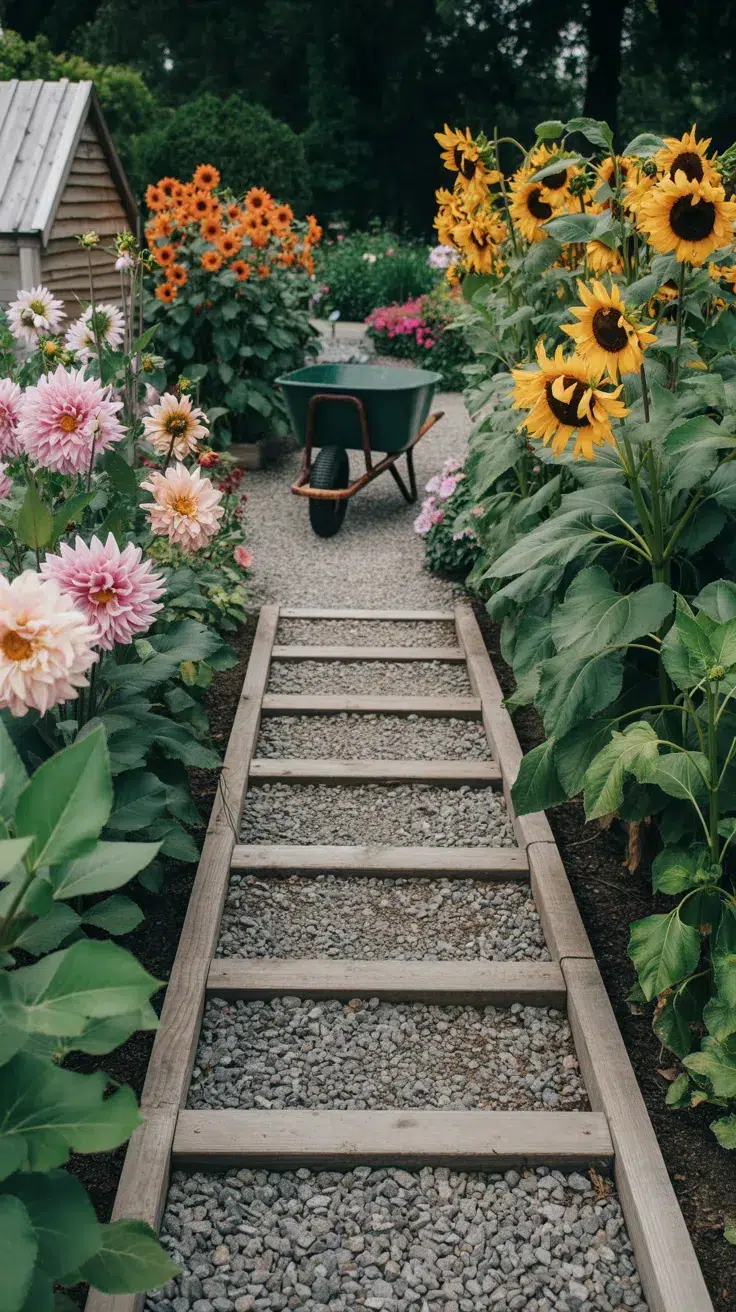
One of the biggest mistakes beginners make is forgetting about the paths. You need room to move! Prioritizing wide, stable pathways is a crucial part of a functional cut flower garden layout.
Ensure your main paths are at least 3 feet wide—wide enough for a wheelbarrow. Use gravel, wood chips, or pavers to keep your feet dry and mud-free during morning harvests. A beautiful path invites you into the garden, making the chore of deadheading feel like a leisurely stroll.
6. The Vertical Trestle Wall
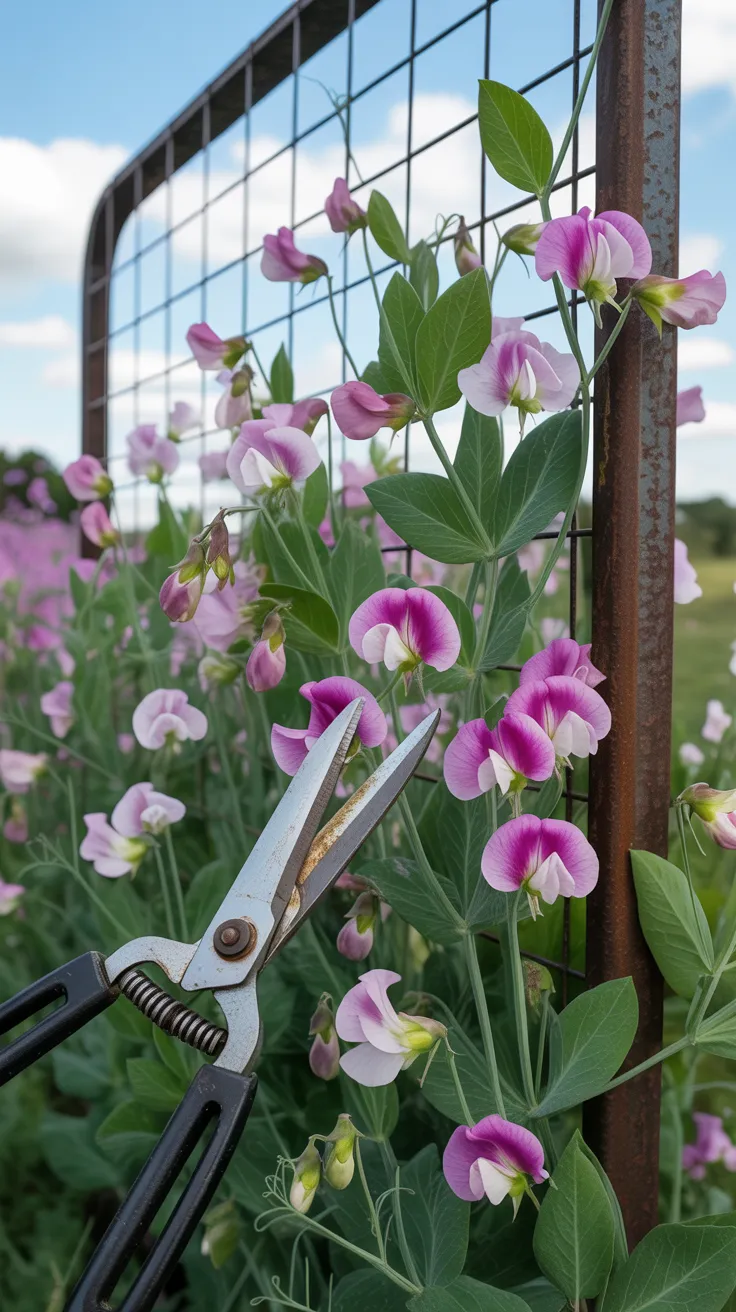
When horizontal space is tight, the only way to grow is up. Incorporating vertical structures is a smart cut flower garden layout for vining plants like sweet peas, climbing roses, or nasturtiums.
Install cattle panels, trellis netting, or sturdy arbors along the north side of your garden (so they don’t shade other plants). This not only saves ground space but also keeps the flower stems straight and clean, making them perfect for bouquets.
7. The Color-Coded Zonal Layout
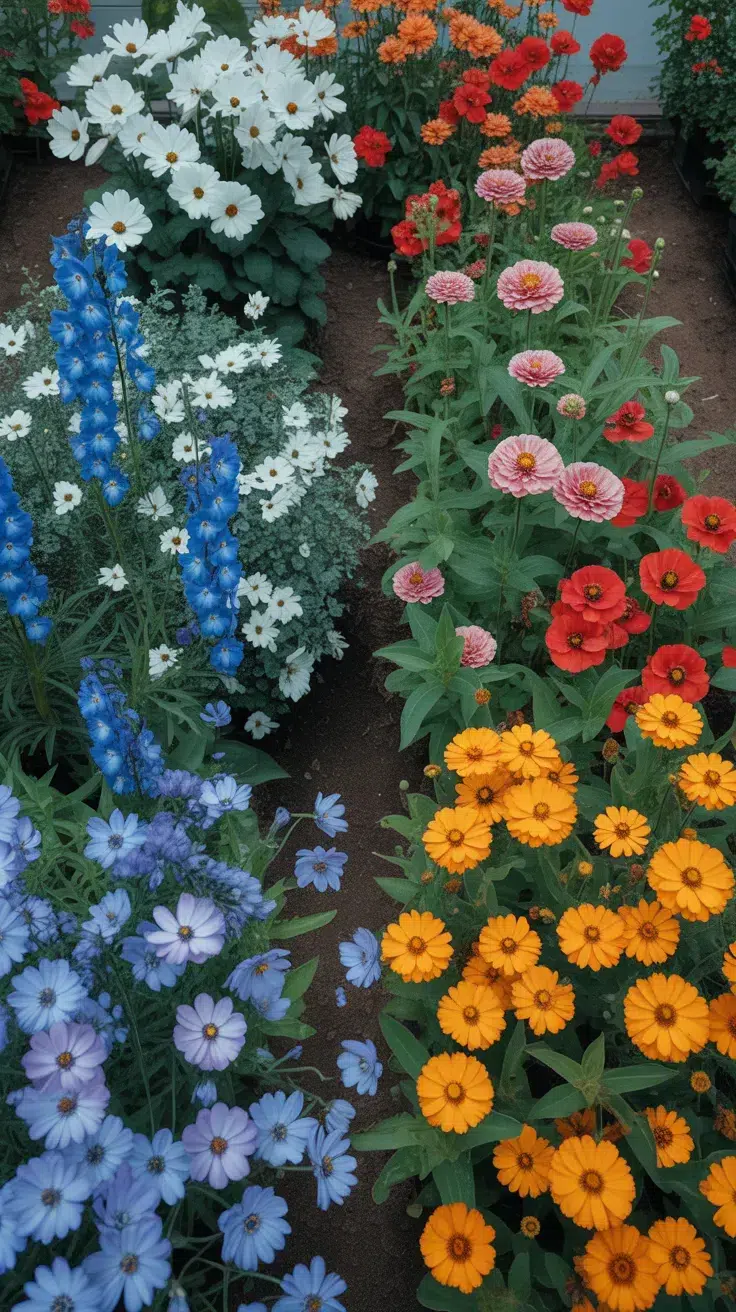
Do you love monochrome bouquets? Organize your garden by color. This aesthetic cut flower garden layout makes it incredibly easy to see what’s available for specific color palettes without running all over the yard.
Dedicate one bed to “cool” tones like blues, purples, and whites, and another to “warm” tones like reds, oranges, and yellows. It turns your garden into a living painter’s palette and looks incredibly organized and professional.
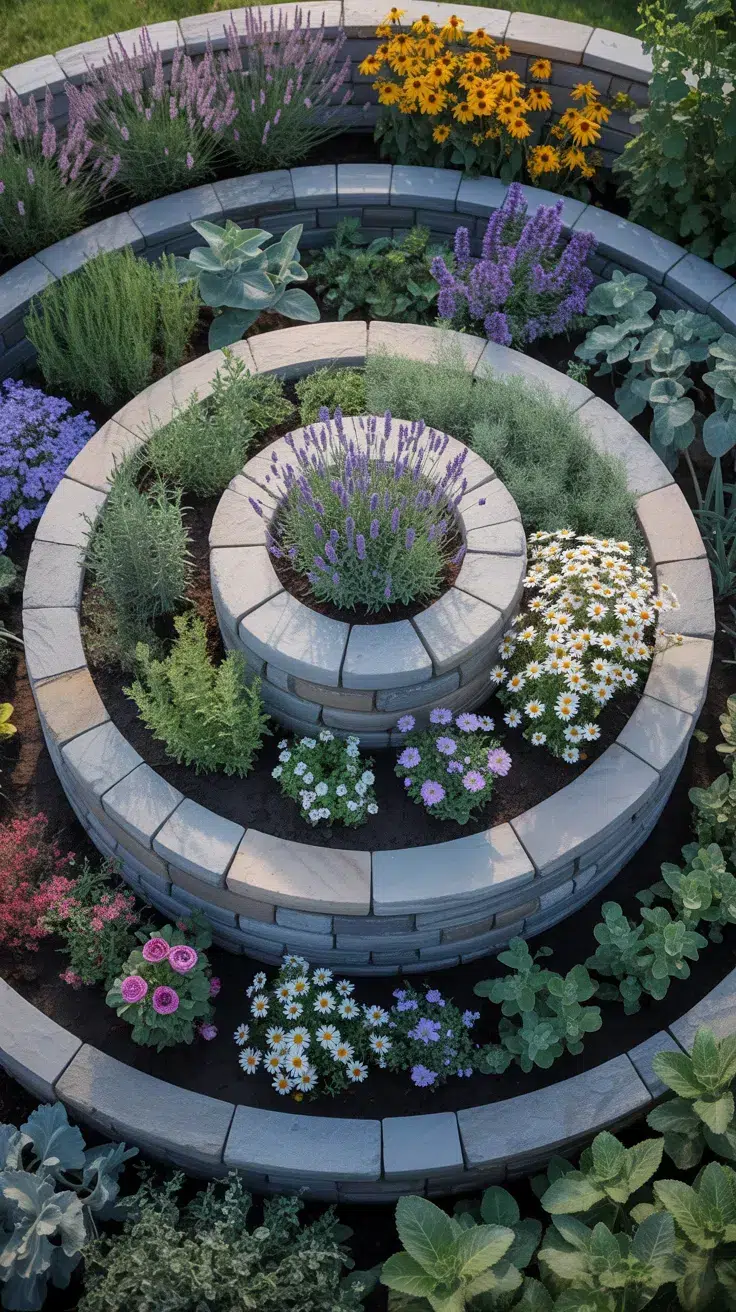
8. The Spiral Herb and Flower Garden
For a touch of whimsy and efficiency in a small footprint, try a spiral layout. Building a spiral mound creates different microclimates and maximizes surface area. This sculptural cut flower garden layout is perfect for shorter stems and filler foliage.
Plant sun-loving herbs like rosemary and lavender at the top, and moisture-loving fillers like mint or lady’s mantle at the bottom. It’s a beautiful focal point that provides textured greenery to flesh out your floral arrangements.
9. The Perennial Backbone Border
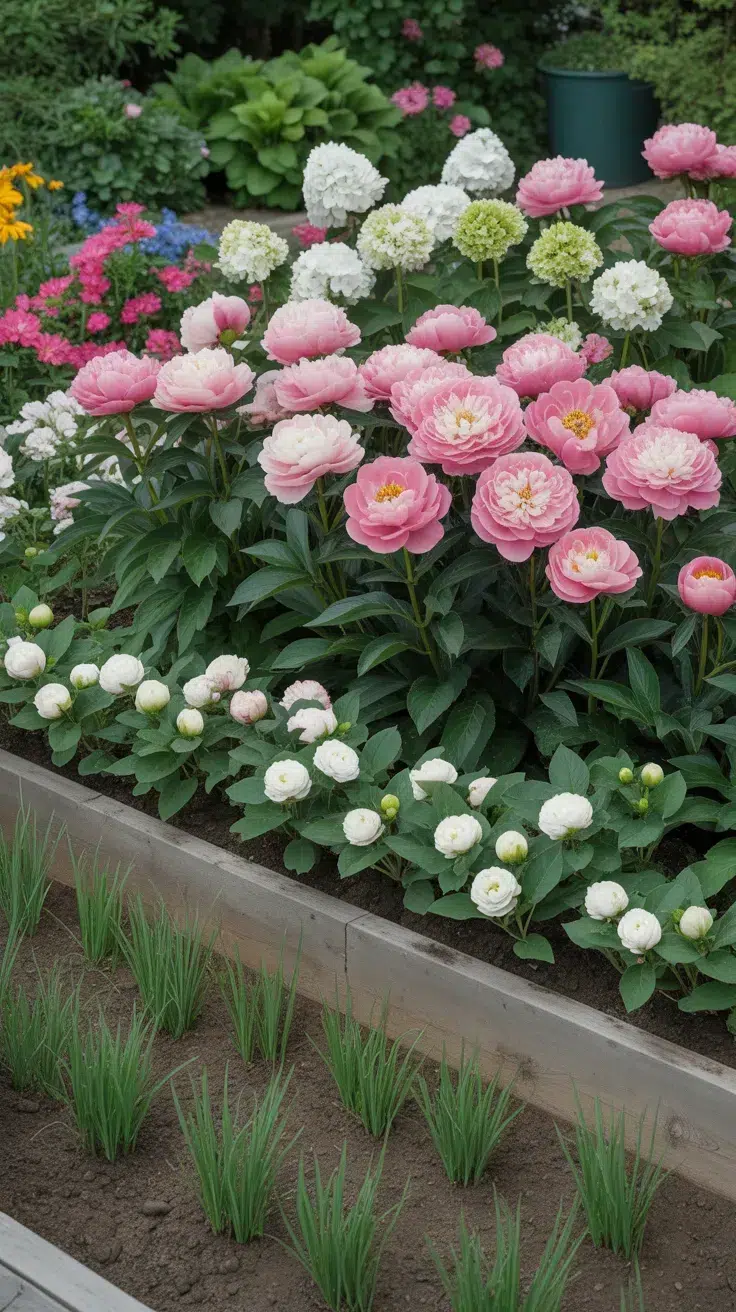
While annuals produce the most stems, perennials come back every year. Designing a cut flower garden layout with a “backbone” of perennials ensures you have blooms early in the season before the annuals take off.
Place large perennials like peonies, hydrangeas, and rudbeckia at the back or center of your beds. Leave the front and edges open for rotating seasonal annuals. This combination gives you the stability of permanent plants with the flexibility of annuals.
10. The Succession Planting Strips
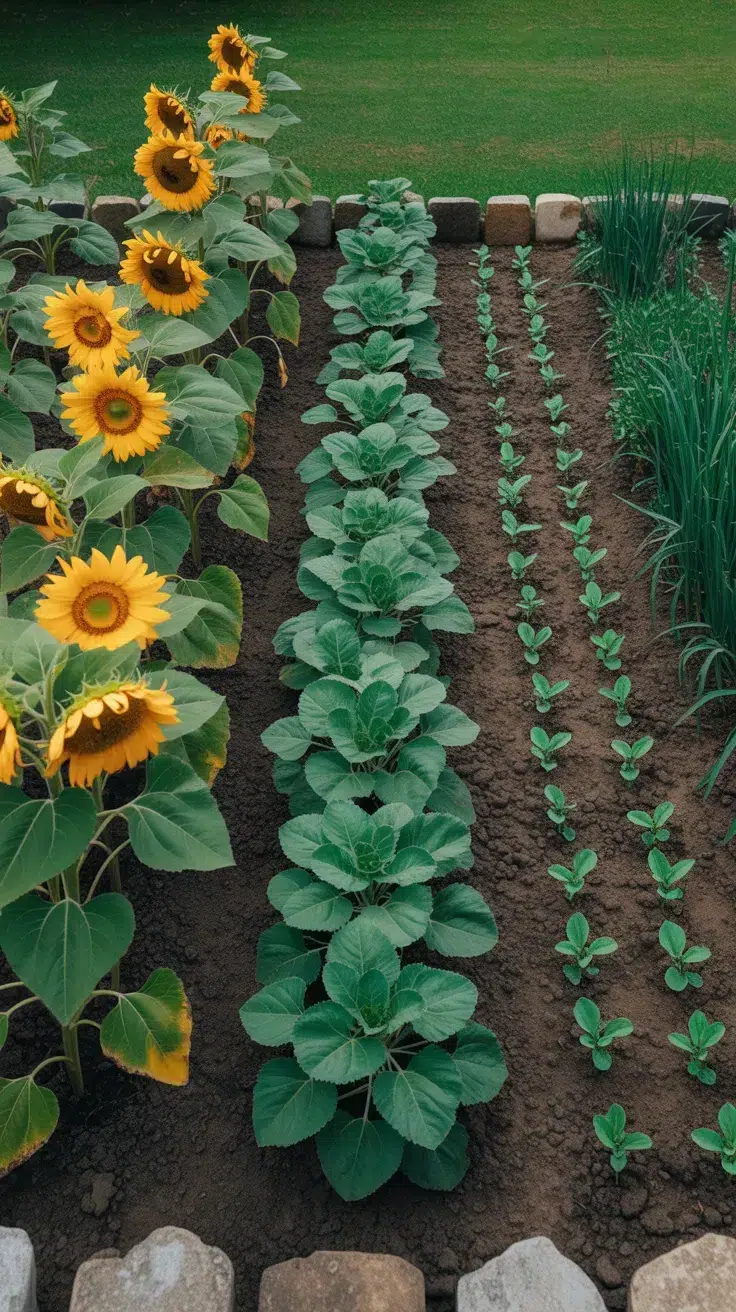
To keep the bouquets coming from spring until frost, you need succession planting. This technique involves planting new batches of seeds every few weeks. A cut flower garden layout designed with “succession strips” makes this easy.
Divide your beds into narrow strips. Plant strip A in early spring, strip B two weeks later, and so on. As the first strip fades, you can rip it out and replant it for a fall harvest while the other strips are still blooming. It ensures you never have a gap in production.
11. The Cutting Garden “Room”
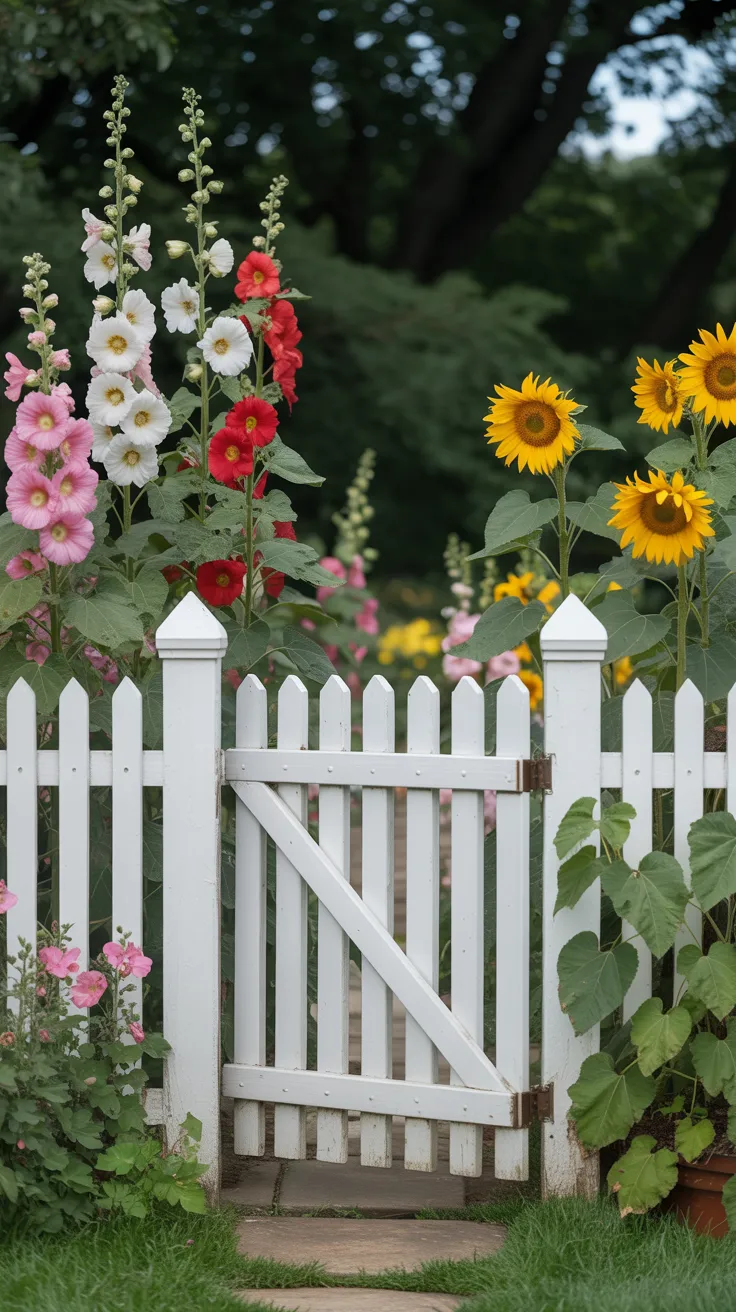
Turn your cutting garden into a destination by enclosing it. Use hedges, fences, or trellises to create a dedicated “room” separate from the rest of the yard. This cut flower garden layout protects tall blooms from wind and keeps deer out.
Add a gate and perhaps a central feature like a birdbath or a small bench. Even though it’s a working garden, enclosing it makes it feel like a secret sanctuary where you can focus entirely on the flowers.
12. The Container Cluster for Small Spaces
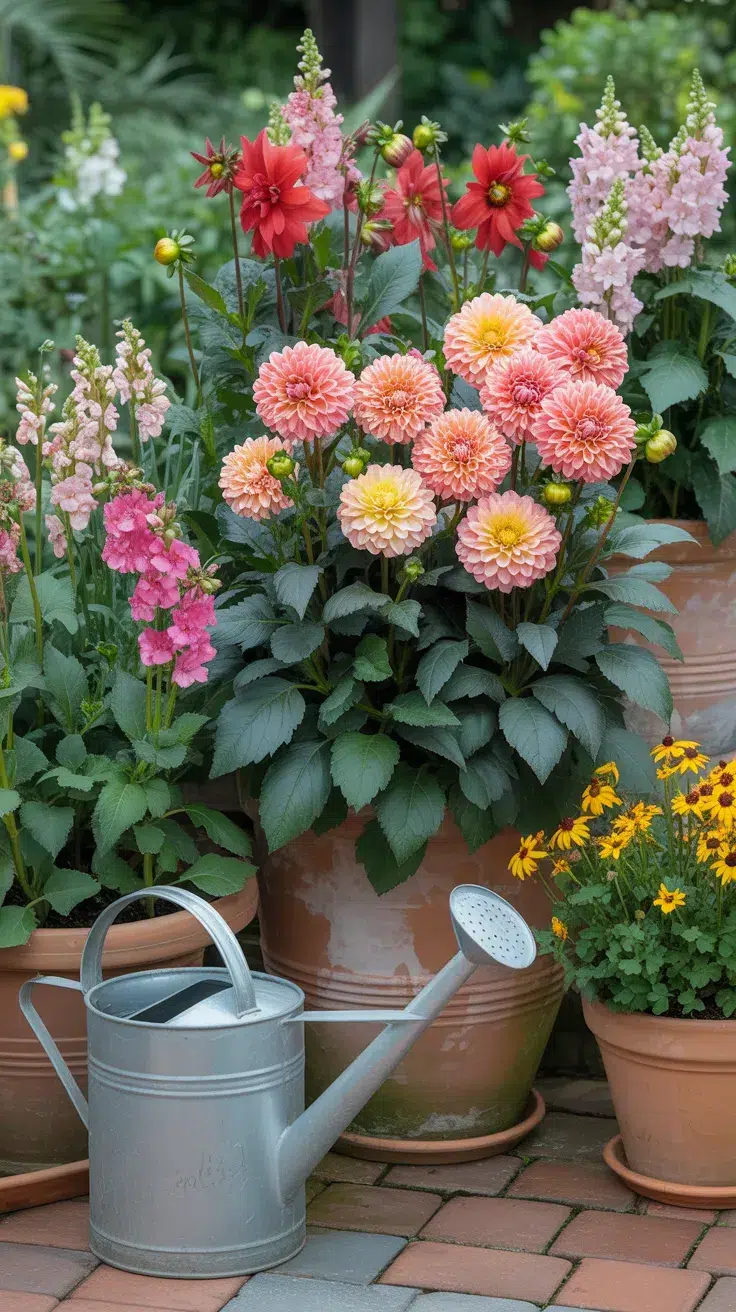
No yard? No problem. You can grow a surprising amount of cut flowers in pots. A container-based cut flower garden layout allows you to rearrange your “beds” whenever you want.
Use large pots (at least 5 gallons) for plants like dahlias and cosmos. Group them together on a patio or balcony to create a dense, jungle-like feel. This mobile layout lets you move plants into the best sunlight or tuck fading plants out of sight.
Final Thoughts on Your Floral Design
Creating a dedicated cut flower garden layout is one of the most rewarding projects a gardener can undertake. It changes your relationship with your yard, turning it from a static view into a productive, ever-changing source of joy.
Start with a plan that fits your space and your lifestyle. Whether you choose strict rows for maximum yield or a beautiful potager style, the goal is the same: bringing the beauty of the outdoors in. Grab your graph paper, order those seeds, and get ready for a season filled with homegrown bouquets.
