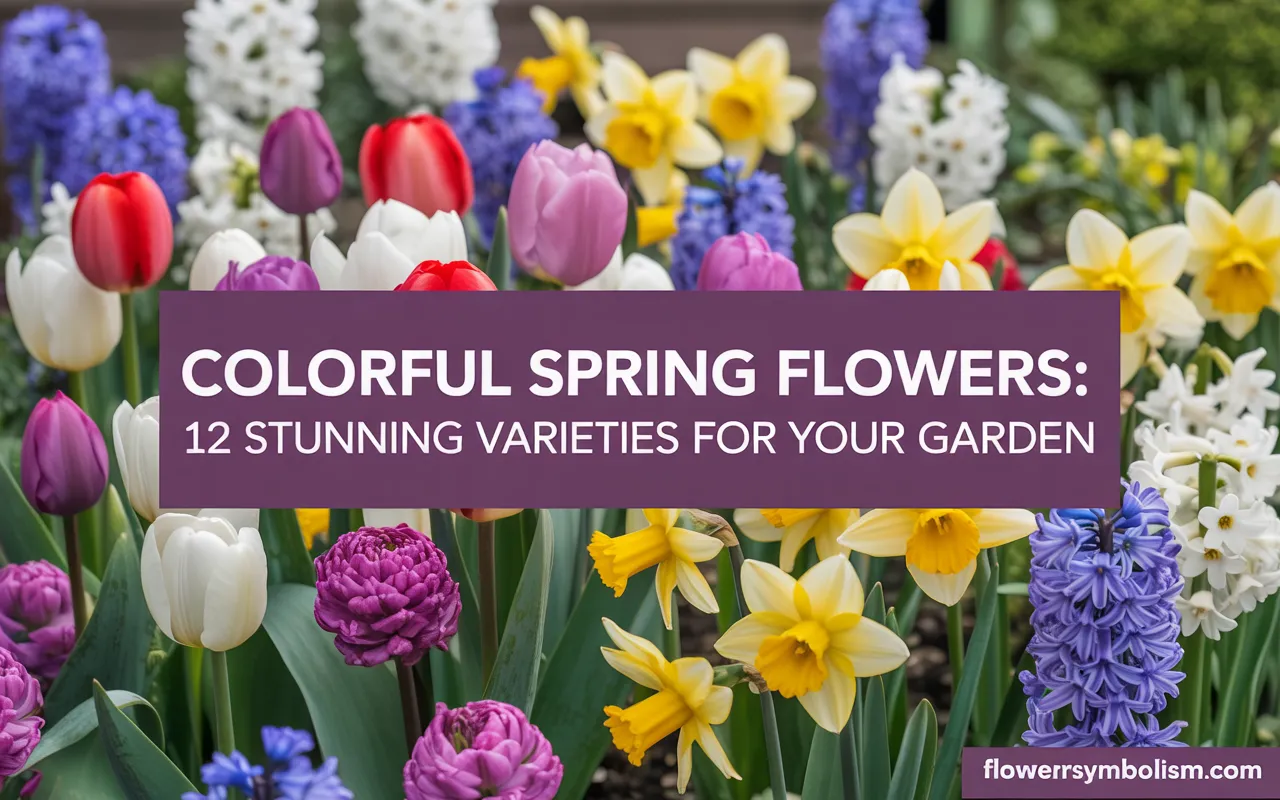
There’s a special kind of magic in the air when the first signs of spring appear. The days get a little longer, the air feels a little warmer, and the world begins to wake up from its long winter nap.
For gardeners, this is the most exciting time of the year. It’s a chance to step outside and create a living masterpiece, and nothing says “spring” quite like a garden bursting with vibrant, colorful spring flowers.
After months of muted tones and grey skies, seeing those first shoots of green push through the soil is a promise of the rainbow to come.
Planting a variety of spring-blooming flowers is the best way to ensure your garden is a joyful, eye-catching spectacle that celebrates the season in all its glory.
Whether you have a sprawling backyard or a few pots on a balcony, you can create a stunning display.
This guide is your personal tour through some of the most beautiful and reliable colorful spring flowers you can plant.
We’ll explore 12 stunning varieties, from classic favorites to unique showstoppers, and share tips on how to help them thrive.
Get ready to be inspired to dig in and plant a garden that will lift your spirits and dazzle your neighbors!
1. Tulips (Tulipa)
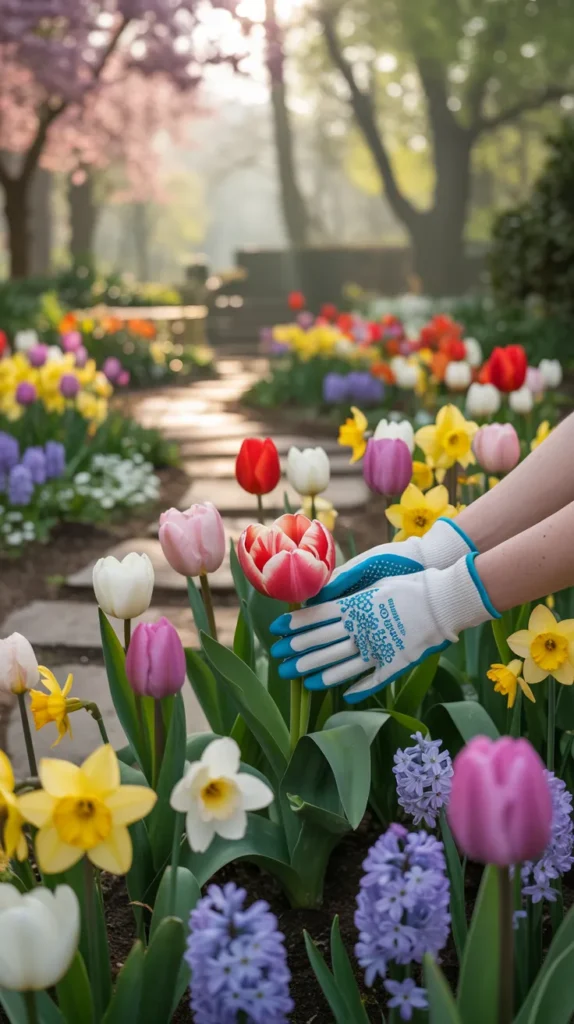
When you picture a spring garden, tulips are almost certainly part of the scene. These elegant, cup-shaped flowers are the quintessential sign of the season.
The incredible diversity within the tulip family means you can find them in nearly every color imaginable, from the deepest purples to the brightest yellows, and even in multi-toned and striped varieties.
Planting a mix of these colorful spring flowers is a surefire way to create a breathtaking display.
Tulips are categorized by their bloom time (early, mid, and late spring), which is fantastic for gardeners. By planting a mix of different types, you can have a continuous parade of color for weeks on end.
Consider planting ‘Parrot’ tulips for their ruffled, feather-like petals, or ‘Fringed’ tulips for their unique, lacy edges.
Tulips are bulbs that should be planted in the fall for a spring bloom. They require well-draining soil, as sitting in water can cause the bulbs to rot. Amending your soil with a quality potting mix can make a huge difference.
Using a product like {Miracle-Gro Potting Mix} when you plant your bulbs will help improve drainage and provide essential nutrients, giving your tulips the strong start they need to produce big, beautiful blooms.
2. Daffodils (Narcissus)
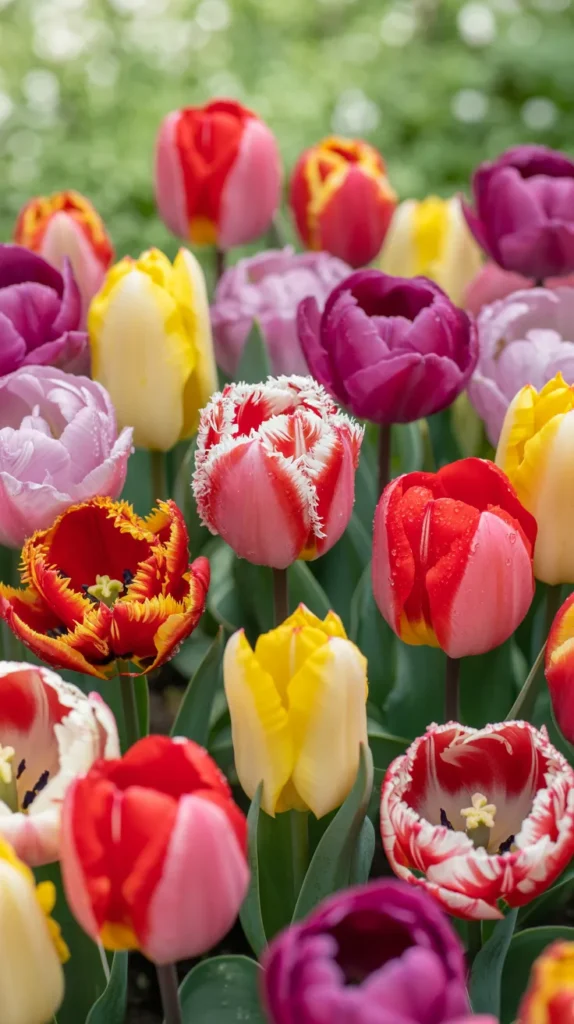
The cheerful, sunny faces of daffodils are one of the first and most welcome signs that winter is truly over. These hardy, reliable bulbs are known for their iconic trumpet-shaped centers and vibrant yellow or white petals. They are one of the easiest colorful spring flowers to grow, making them perfect for beginners.
Daffodils are not only beautiful but also wonderfully low-maintenance. They are deer and rodent-resistant, and they naturalize easily, meaning they will multiply and come back year after year with very little effort.
Plant the bulbs in the fall in a spot that gets plenty of sun. They look stunning planted in large drifts in a lawn, along a border, or in containers.
For container gardening, ensuring good drainage is crucial. Placing a layer of gravel or pot shards at the bottom of your pot before adding soil can help, as can choosing a pot with ample drainage holes.
3. Hyacinths (Hyacinthus)
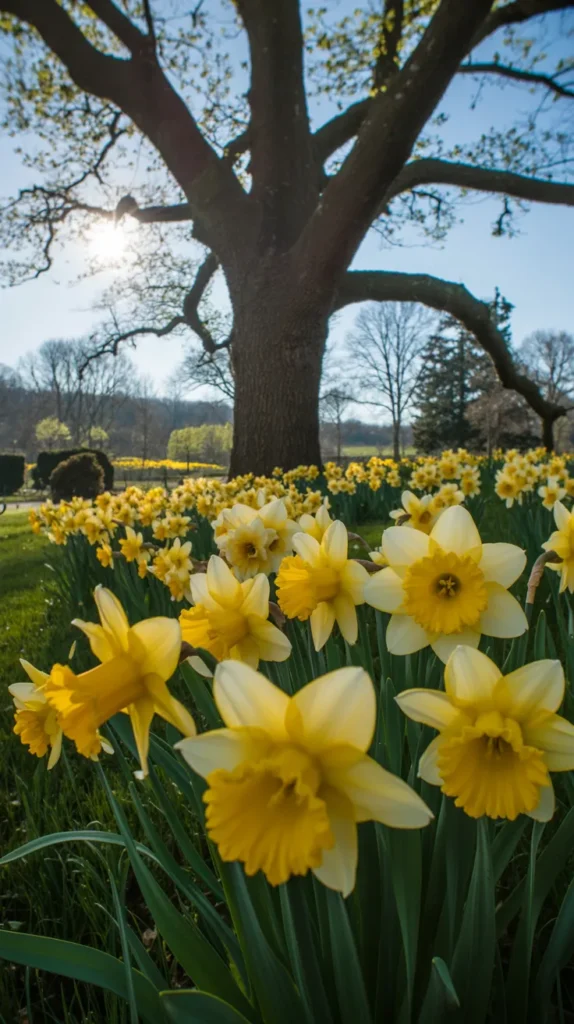
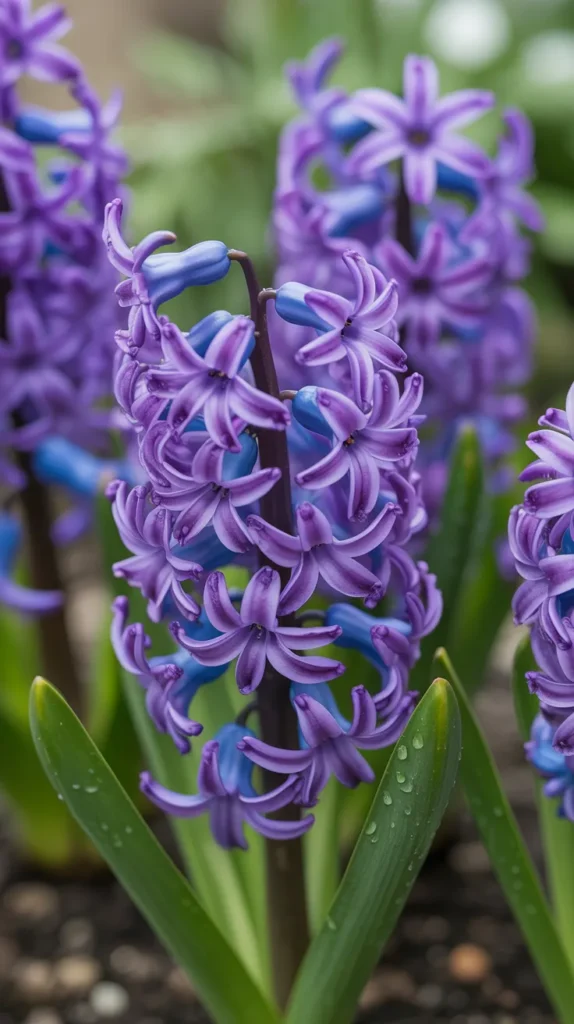
If you want to engage all your senses in the garden, you must plant hyacinths. These stunning colorful spring flowers are famous for their powerful, sweet fragrance that can perfume an entire yard. They grow in dense, spike-like clusters of star-shaped flowers and come in rich shades of purple, pink, blue, and white.
Hyacinths are another fall-planted bulb. They look wonderful planted in tight groups along a walkway where their scent can be appreciated, or in pots on a patio or windowsill to bring the fragrance indoors. Their blooms are very dense and can sometimes get top-heavy.
If you are planting them in a windy area, you might need to provide some gentle support.
A simple tool like the {Panacea Products Garden Plant Stakes} can be placed near the bloom to keep it from flopping over after a heavy spring rain, ensuring your beautiful, fragrant spikes stand tall.
4. Crocuses (Crocus)
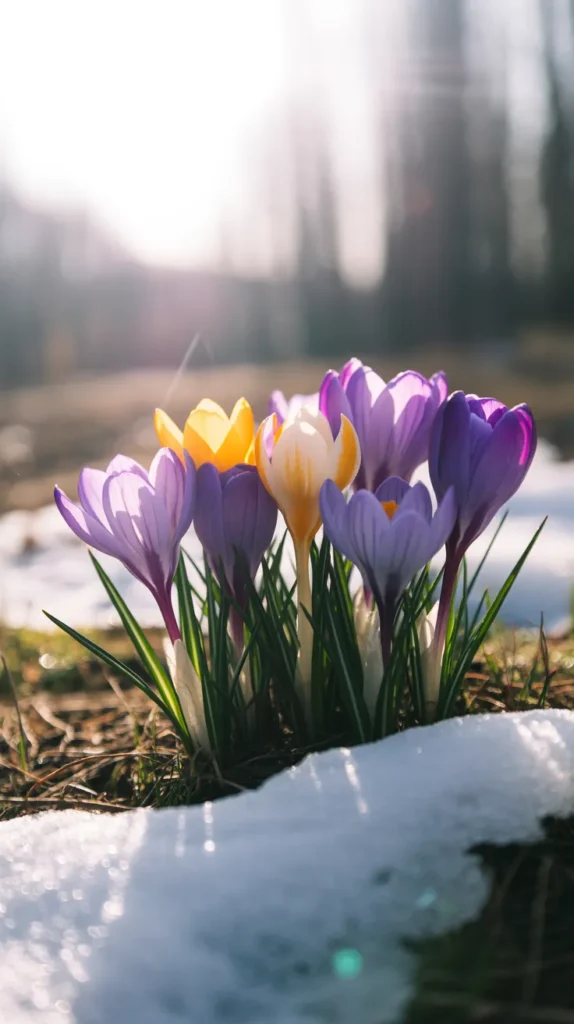
Just when you think winter will never end, the crocuses appear. These small but mighty flowers are often the very first blooms to push through the snow, providing a welcome and much-needed pop of color.
As some of the earliest colorful spring flowers, they are a true symbol of resilience and hope.
Crocuses come in shades of purple, yellow, and white. Because they are small, they are most effective when planted in large groups or drifts.
They are perfect for tucking into rock gardens, along the front of a border, or even scattered throughout your lawn.
If you plant them in the lawn, just be sure to wait until their foliage has yellowed and died back before you do the first mow of the season. This allows the bulb to store enough energy for the following year’s bloom.
5. Peonies (Paeonia)
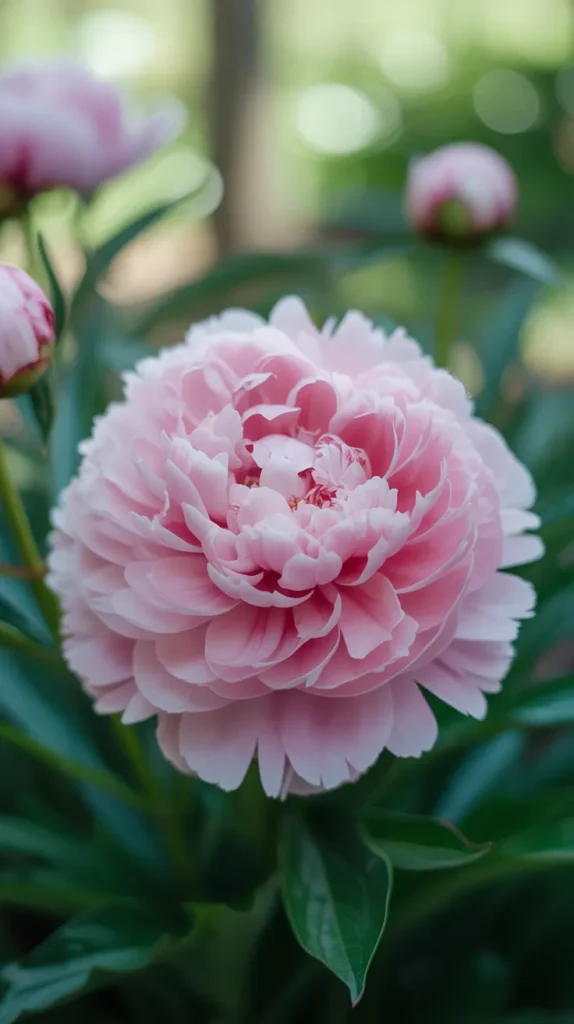
Peonies are the undisputed queens of the late spring garden. Their massive, lush, and often fragrant blooms are the epitome of romance and luxury.
A single peony bush can produce dozens of flowers, making it a show-stopping focal point. These are some of the most beloved colorful spring flowers for their sheer beauty and impressive size.
Peonies come in shades of pink, white, red, and yellow. They are long-lived perennials that can thrive for decades with proper care.
The most important factor for success with peonies is planting them at the right depth. The “eyes” (small reddish buds on the root) should be planted no more than two inches below the soil surface.
Planting them too deep is the most common reason they fail to bloom.
When cutting peonies for indoor arrangements, it’s best to cut them when the buds are soft but not fully open. This will allow them to open slowly in the vase and last much longer.
6. Ranunculus (Ranunculus asiaticus)
Often mistaken for roses or peonies, ranunculus are a marvel of floral engineering. Their blooms are made up of countless layers of paper-thin, crepe-like petals.
They come in a dazzling array of colorful spring flowers hues, from vibrant oranges and hot pinks to soft pastels and creamy whites.
Ranunculus grow from small, claw-like tubers that are planted in the spring (or fall in warmer climates). The tubers need to be soaked in water for a few hours before planting to “wake them up.”
These flowers are fantastic for cutting gardens, as they have a long vase life. To get the cleanest cut without crushing their hollow stems, you need a sharp tool.
A pair of dedicated floral scissors, like the {Fiskars Floral Snips}, is perfect for this.
Their sharp, micro-tip blades allow for precise cuts, which helps the flower to hydrate more efficiently and last longer in your arrangements.

7. Alliums (Allium)
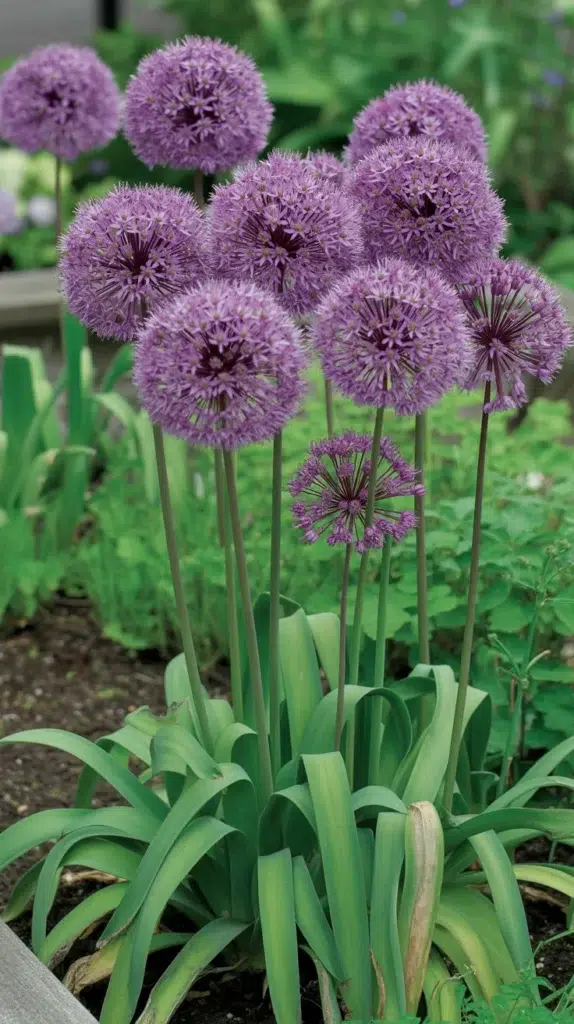
For a touch of modern, architectural drama in your spring garden, look no further than alliums. These plants, which are part of the onion family, produce spectacular globe-shaped flower heads on tall, slender stems.
They seem to float above the other plants in the garden, creating a whimsical, Dr. Seuss-like effect. Their shades of purple and white make them striking colorful spring flowers.
Alliums are fall-planted bulbs that range in size from just a few inches tall to over four feet. The giant varieties, like ‘Globemaster’ or ‘Purple Sensation’, are true showstoppers.
They are deer-resistant and look fantastic planted among lower-growing perennials, where their tall stems can rise above the foliage. Even after the color fades, their dried seed heads remain attractive in the garden for weeks, adding long-lasting structural interest.
8. Bleeding Hearts (Dicentra spectabilis)
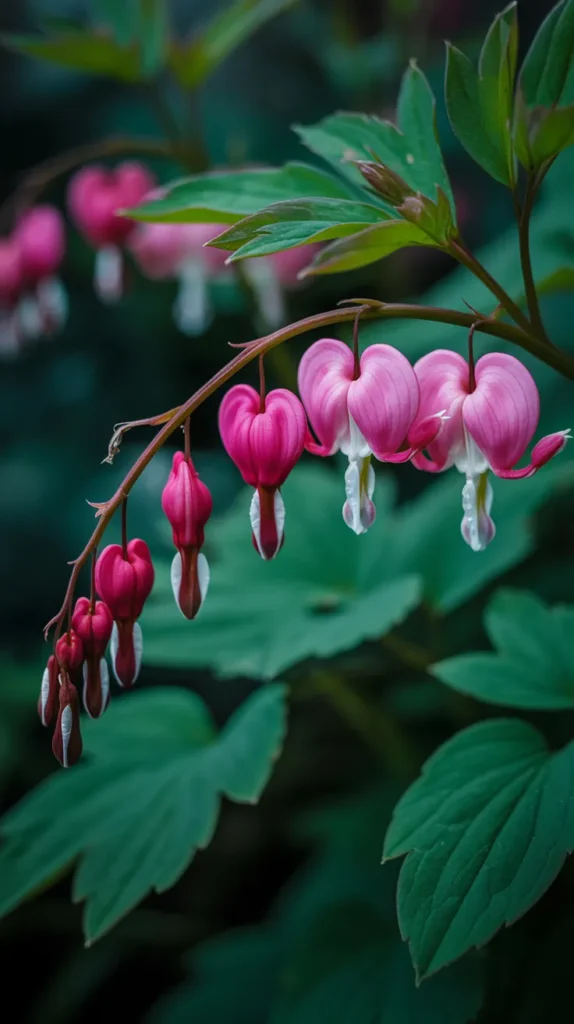
For a shady spot in your garden, the bleeding heart is a perfect and truly unique choice. This old-fashioned favorite produces long, arching stems from which dangle perfect, heart-shaped flowers in pink or white. They are delicate, romantic, and one of the most charming colorful spring flowers you can grow.
Bleeding hearts are perennials that thrive in moist, well-drained soil in partial to full shade.
They emerge in early spring, bloom for several weeks, and then the foliage often dies back and goes dormant in the heat of summer.
They pair beautifully with other shade-loving plants like hostas and ferns, which will fill in the space after the bleeding hearts have finished their show.
9. Irises (Iris)
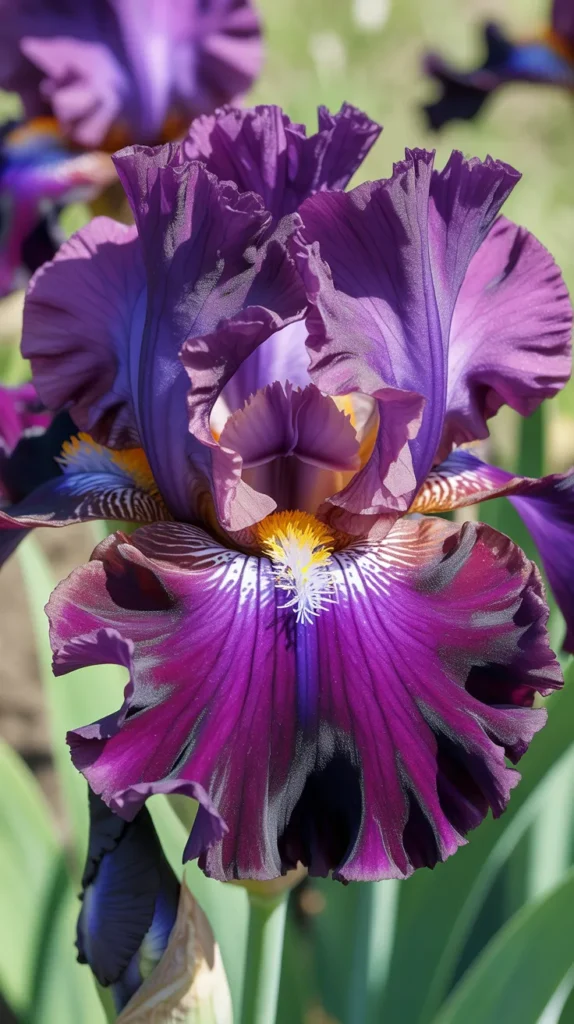
Named after the Greek goddess of the rainbow, irises live up to their name with a spectacular range of colors and intricate flower forms.
From the classic bearded iris to the delicate Siberian iris, there is a variety for almost any garden condition. Their velvety, ruffled petals make them one of the most elegant colorful spring flowers.
Bearded irises, known for the fuzzy “beards” on their lower petals (falls), are the most common type. They grow from rhizomes (thick, fleshy roots) that should be planted in late summer or early fall.
The key to success with bearded irises is to plant the rhizomes very shallowly, with the top of the rhizome slightly exposed to the sun. If they are buried too deep, they will not bloom.
They need at least six hours of sun a day and well-drained soil to thrive. After they bloom, it’s important to keep the area around the rhizomes clean and free of debris to prevent rot.
A good pair of {Fiskars Softouch Micro-Tip Pruning Snips} is great for detailed cleanup work, allowing you to snip away dead leaves and flower stalks without disturbing the delicate roots.
10. Pansies and Violas (Viola)
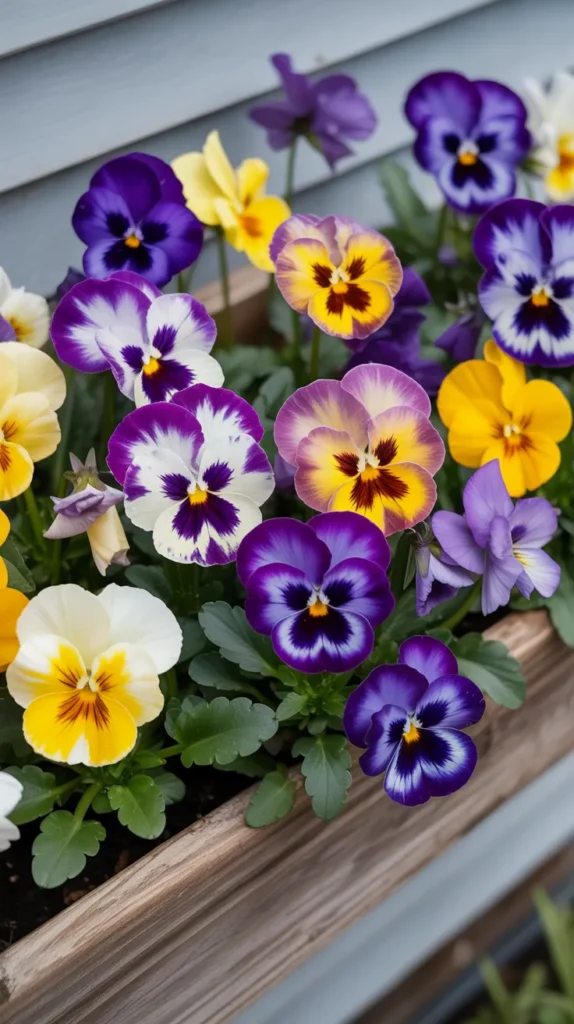
Pansies and violas are the cheerful workhorses of the cool-season garden. They can tolerate light frosts, making them some of the first flowers you can plant in early spring and the last to fade in the fall.
Their sweet, often “faced” blooms come in an endless variety of colorful spring flowers combinations, from solid purples and yellows to intricate tri-color patterns.
These small but mighty plants are perfect for containers, window boxes, and the front of garden borders. They provide a carpet of continuous color for weeks on end.
To keep them blooming prolifically, it’s important to “deadhead” them regularly, which means pinching off the spent, faded flowers.
This encourages the plant to produce more blooms instead of putting its energy into making seeds.
You can also give them a regular feeding with a liquid fertilizer like {Miracle-Gro Water Soluble All Purpose Plant Food} every couple of weeks to keep them strong and healthy.
11. Grape Hyacinths (Muscari)
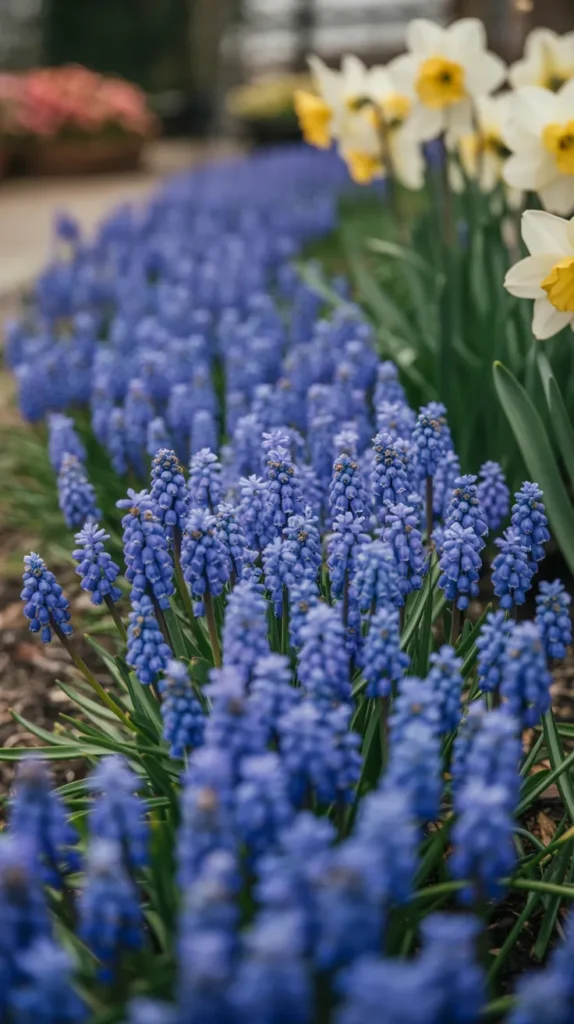
Not to be confused with true hyacinths, grape hyacinths are small, charming bulbs that produce dense clusters of tiny, bell-shaped flowers that resemble a bunch of grapes.
They are typically a vibrant cobalt blue or purple and are incredibly easy to grow. These are fantastic colorful spring flowers for creating a river of blue in your garden.
Muscari are fall-planted bulbs that naturalize very quickly, meaning they will spread and multiply each year to form a beautiful carpet of color.
They are perfect for planting under deciduous trees, in rock gardens, or along the edge of a path. They also make a wonderful companion plant for taller bulbs like tulips and daffodils, providing a beautiful blue base layer for the larger flowers.
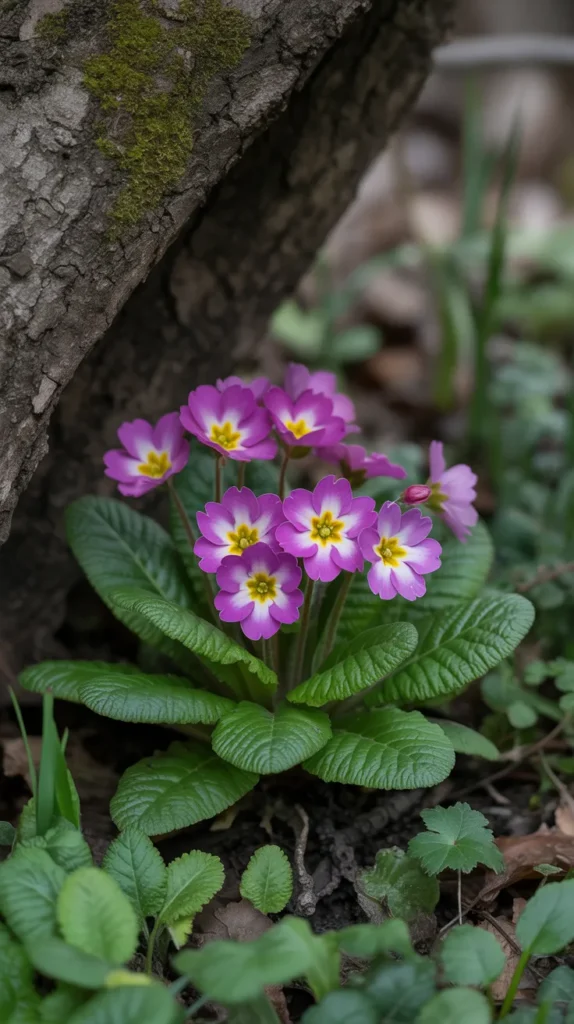
12. Primroses (Primula)
Primroses are a diverse group of perennials that are among the first to bloom in the spring, with their name literally meaning “first rose.”
They form low rosettes of textured leaves from which emerge clusters of intensely colorful spring flowers. You can find them in almost every color of the rainbow, often with a contrasting bright yellow center.
Primroses thrive in cool, moist, shady conditions, making them perfect for woodland gardens or shady borders.
They look beautiful planted in groups along a stream or at the base of a tree. They are a welcome sight in early spring, providing vibrant color in shady spots where many other plants won’t bloom.
Your Spring Garden Starter Kit
Getting your garden ready for a season of color is much more enjoyable when you have the right tools and supplies. Here’s a summary of the helpful products mentioned to help you create your own stunning display of colorful spring flowers.
| Product Name | Brand | Use |
|---|---|---|
| Potting Mix | Miracle-Gro | Improves soil drainage and provides nutrients for healthy bulb growth. |
| Garden Plant Stakes | Panacea Products | Provides gentle support for top-heavy blooms like hyacinths. |
| Floral Snips | Fiskars | Allows for precise, clean cuts on delicate stems like ranunculus for longer vase life. |
| Softouch Micro-Tip Pruning Snips | Fiskars | Perfect for detailed cleanup and deadheading around delicate plants like irises. |
| Water Soluble All Purpose Plant Food | Miracle-Gro | Provides a regular nutrient boost to heavy-blooming annuals like pansies. |
Conclusion: Plant a Little Happiness
Gardening is an act of hope and a celebration of life. By planting these colorful spring flowers, you are not just decorating your yard; you are creating a living, breathing source of joy that will reward you year after year.
From the first crocus pushing through the snow to the last peony petal unfurling, a spring garden is a constant reminder of nature’s beauty and resilience.
We hope this list has inspired you to try a few new varieties or to look at old favorites in a new light. Don’t be afraid to experiment with color combinations and textures. The most beautiful garden is the one that makes you happy.
So grab your gloves, pick out some bulbs, and get ready to paint your own masterpiece. Your vibrant spring garden is just a season away
