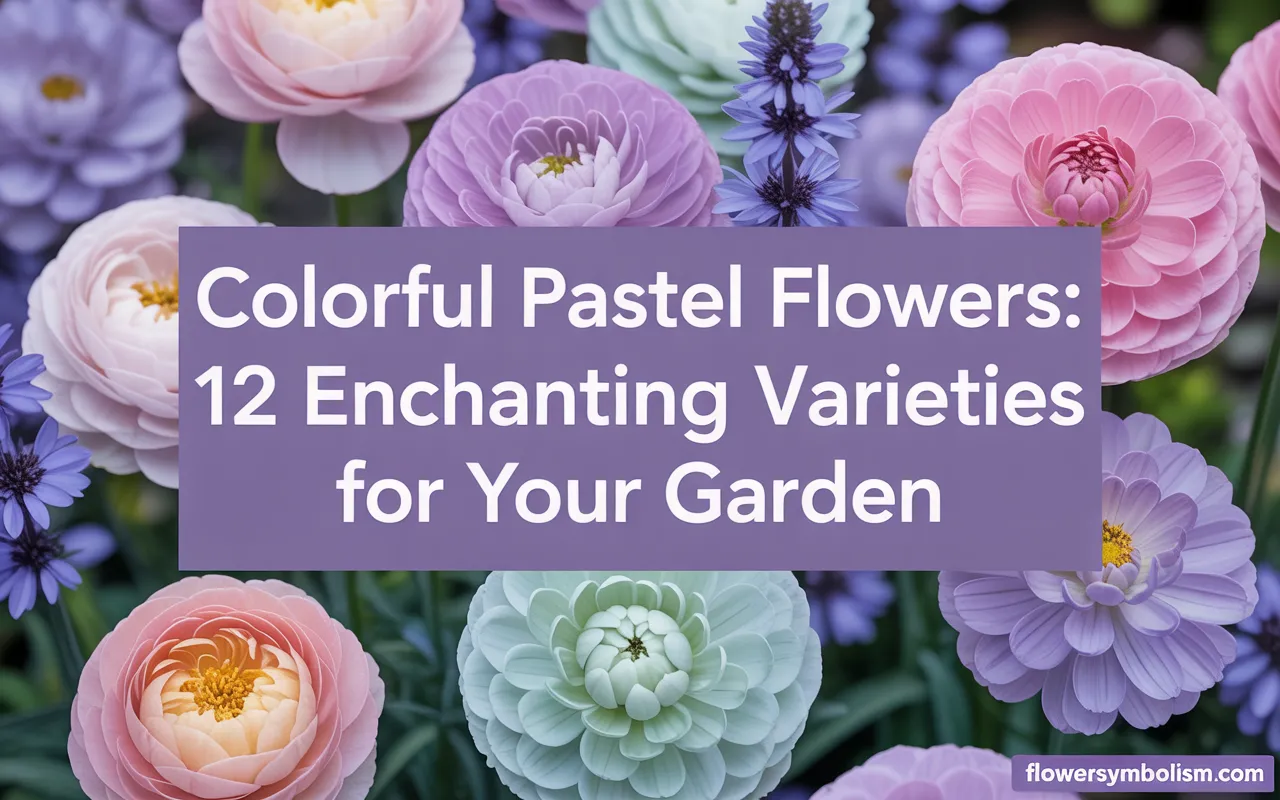
There’s a certain kind of magic that unfolds in a garden painted with pastel hues. It’s a soft, dreamy aesthetic that speaks of romance, tranquility, and the gentle arrival of spring.
While bold, vibrant colors have their own undeniable energy, a garden filled with colorful pastel flowers offers a serene and sophisticated beauty that can transform your outdoor space into an enchanting retreat.
Creating a pastel garden isn’t about limiting yourself to a single shade of pink or blue. It’s about weaving together a tapestry of soft, complementary colors—creamy yellows, gentle lavenders, minty greens, and peachy corals.
This multi-toned approach creates depth, texture, and a sense of harmony that is both visually stunning and deeply calming. It’s like planting a living watercolor painting right outside your door.
This guide is your personal invitation to explore the world of soft-hued blooms. We will journey through 12 enchanting varieties of colorful pastel flowers that are perfect for creating the garden of your dreams.
From classic favorites to unique showstoppers, you’ll find inspiration and practical advice to help you cultivate your own pastel paradise.
Whether you’re a seasoned gardener or just starting, get ready to fall in love with the gentle art of pastel planting.
1. Peonies (Paeonia)
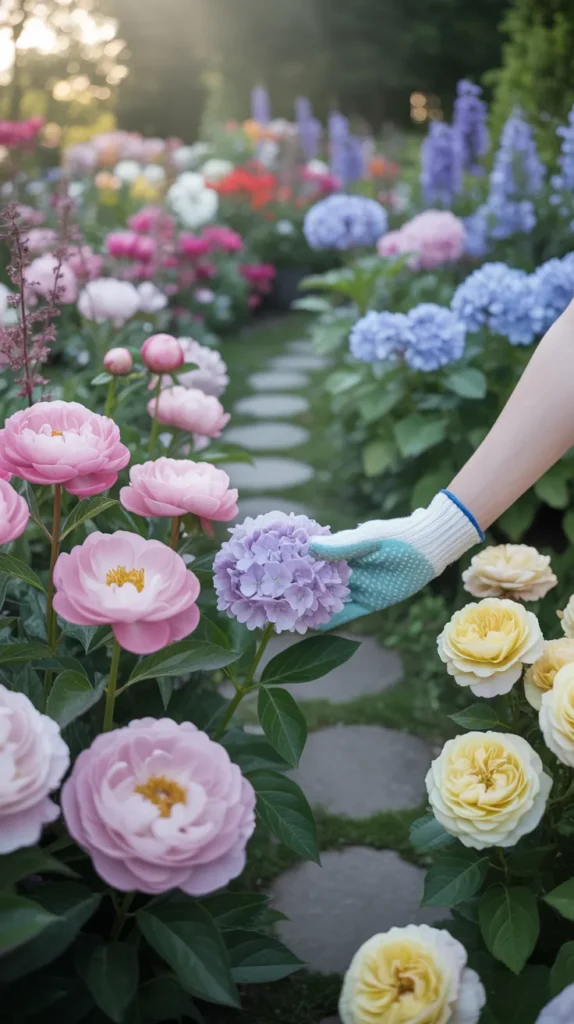
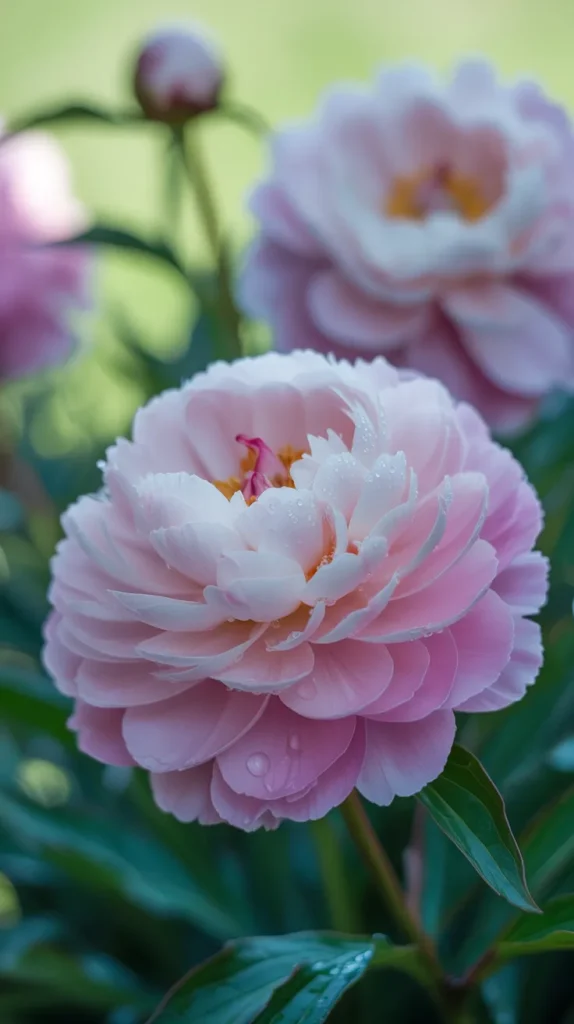
Peonies are the undisputed queens of the late spring garden, celebrated for their massive, lush blooms and intoxicating fragrance.
Their fluffy, multi-petaled flowers are the very definition of romance, making them an essential addition to any pastel-themed garden.
Planting these colorful pastel flowers ensures a show-stopping display that feels both luxurious and timeless.
Peony varieties offer a breathtaking spectrum of soft colors, from the palest blush pinks (‘Sarah Bernhardt’) to creamy whites (‘Festiva Maxima’) and soft, buttery yellows (‘Bartzella’).
They are long-lived perennials, often thriving for decades with minimal care, becoming a cherished part of your garden’s story. The key to success with peonies is proper planting.
The “eyes,” or small reddish buds on the root system, should be planted no more than two inches below the soil surface. Planting them too deep is the most common reason they fail to bloom.
They love a sunny spot with well-drained soil. When their heavy heads are laden with rain, they can sometimes flop over.
To prevent this, using a support ring like the {Panacea Products Peony Support Ring} is a wise investment.
Placed over the plant as it grows, the grid provides an unobtrusive support system, keeping your glorious blooms upright and perfect.
2. Garden Roses (Rosa)
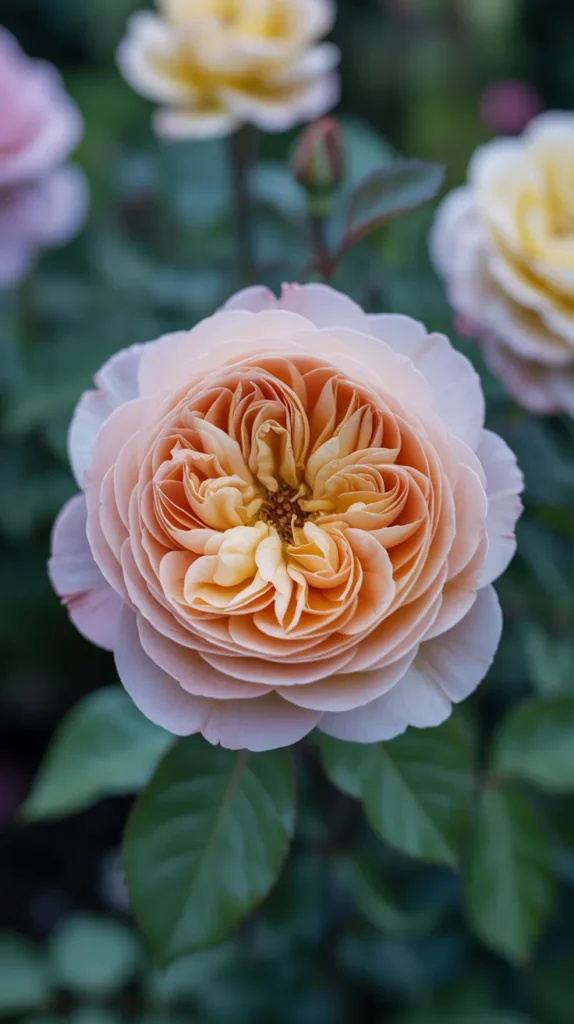
While all roses are beautiful, garden roses hold a special place in the heart of a pastel garden. Unlike the long-stemmed roses from a florist, garden roses often have a higher petal count, a more complex “cup” shape, and a much stronger, more beautiful fragrance. They are the romantic soul of colorful pastel flowers.
Look for English rose varieties like the David Austin ‘Juliet’ rose, with its exquisite soft peach tones, or the ‘Queen of Sweden’ with its perfect, shell-pink cups.
These shrub roses can be grown as standalone specimens or planted in groups to create a fragrant, blooming hedge. Roses are heavy feeders and require rich, well-draining soil to produce their magnificent blooms.
Amending your soil with a high-quality compost or a specialized medium like {Miracle-Gro Rose & Vigor Garden Soil} will provide the perfect foundation, giving your roses the nutrients they need for vigorous growth and abundant, fragrant flowers.
Regular deadheading (removing spent blooms) will encourage them to keep producing flowers all season long.
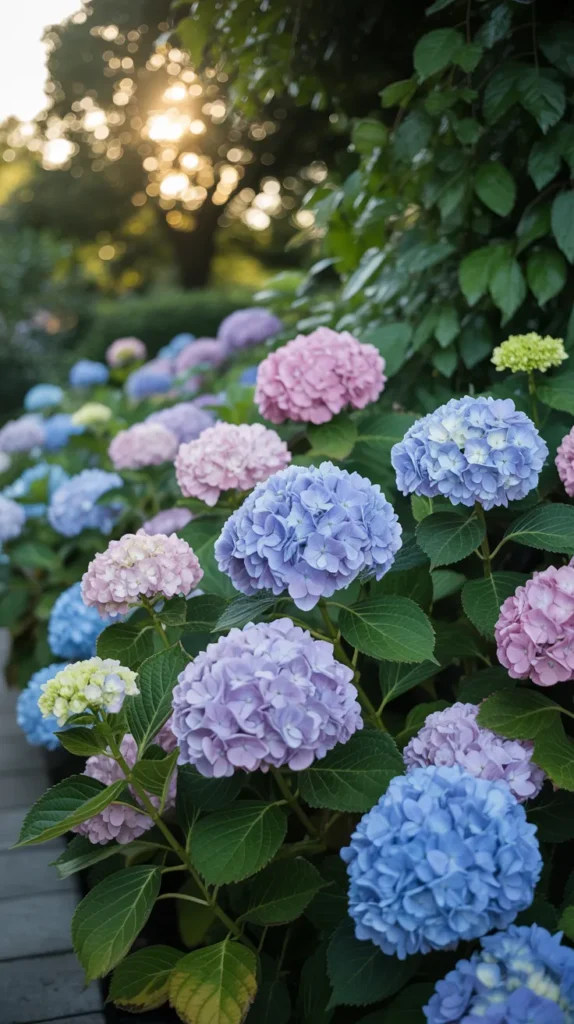
3. Hydrangeas (Hydrangea macrophylla)
For a big, bold statement in soft colors, hydrangeas are unparalleled. Their massive, cloud-like flower heads can create a lush, full look with just a few plants.
They are a cornerstone of any garden featuring colorful pastel flowers, offering shades of baby blue, soft pink, lavender, and creamy white.
One of the most fascinating things about Bigleaf hydrangeas is that you can often change the color of their blooms (for non-white varieties).
The color is dependent on the pH of the soil. Acidic soil (low pH) produces blue flowers, while alkaline soil (high pH) produces pink flowers.
This means you can have fun experimenting! To encourage blue blooms, you can amend your soil with a soil acidifier.
To keep their large leaves and massive blooms looking their best, hydrangeas need consistent moisture, especially during hot weather. Their name even comes from “hydra,” the Greek word for water.
4. Ranunculus (Ranunculus asiaticus)
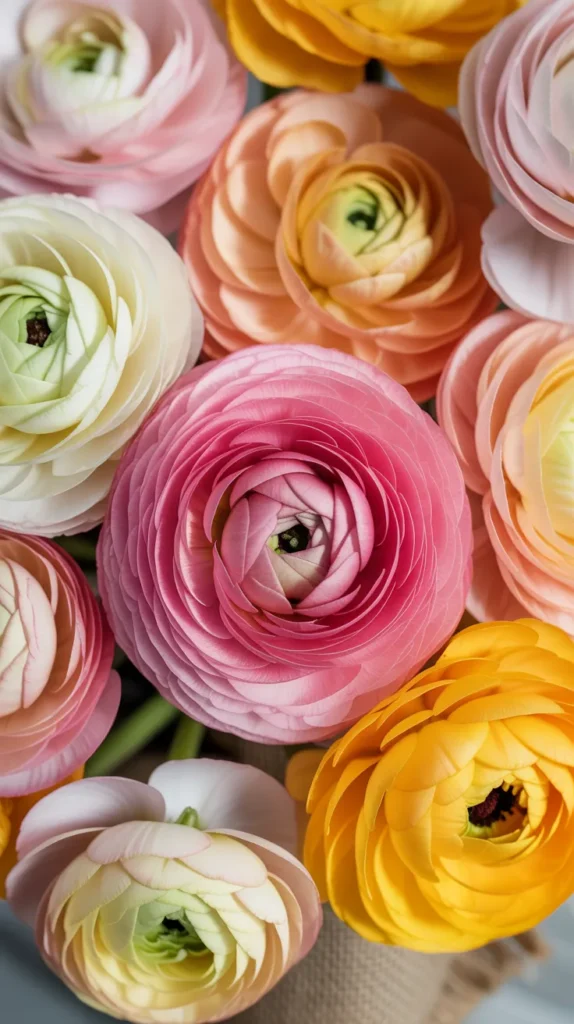
Ranunculus are a true marvel of nature. Often mistaken for small peonies or roses, their blooms are composed of countless layers of paper-thin, crepe-like petals that spiral out from a tight center.
They come in a dazzling array of soft pastel shades, making them a perfect choice for adding intricate texture to your display of colorful pastel flowers.
These flowers grow from small, claw-like tubers that are typically planted in the spring in cooler climates.
Before planting, it’s essential to soak the dry tubers in water for a few hours to rehydrate and “wake them up.” Ranunculus are fantastic for cutting gardens, as they have an incredibly long vase life, allowing you to bring your pastel garden indoors.
To get the cleanest cut on their hollow, delicate stems, a pair of sharp, precise scissors is essential. Using {Fiskars Floral Snips} allows you to make a clean snip without crushing the stem, which helps the flower to absorb water more efficiently and last much longer in an arrangement.
5. Sweet Peas (Lathyrus odoratus)
If you want to add an element of whimsical charm and heavenly fragrance to your garden, you must plant sweet peas.
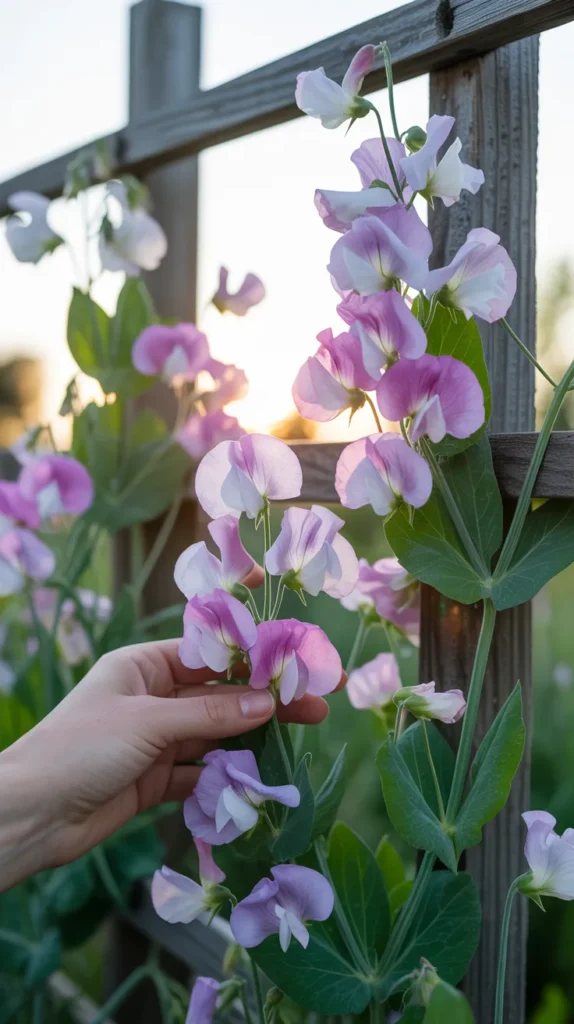
These old-fashioned climbing flowers produce delicate, ruffled blooms on long stems. Their ethereal quality and soft pastel colors make them a magical addition to any collection of colorful pastel flowers.
Sweet peas come in beautiful shades of lavender, pale pink, creamy white, and soft blue. As climbing plants, they need a support structure to grow on, such as a trellis, netting, or an obelisk.
Planting them along a fence or near a seating area allows their incredible fragrance to be fully appreciated.
To get a head start on the season, you can start the seeds indoors a few weeks before your last frost date.
The {Jiffy Professional Greenhouse Seed Starting Kit} provides the perfect mini-greenhouse environment to germinate your seeds successfully, ensuring you have strong, healthy seedlings ready to plant out when the weather warms.
6. Foxgloves (Digitalis purpurea)
For adding height, drama, and a touch of fairytale elegance to your pastel garden, foxgloves are a perfect choice.
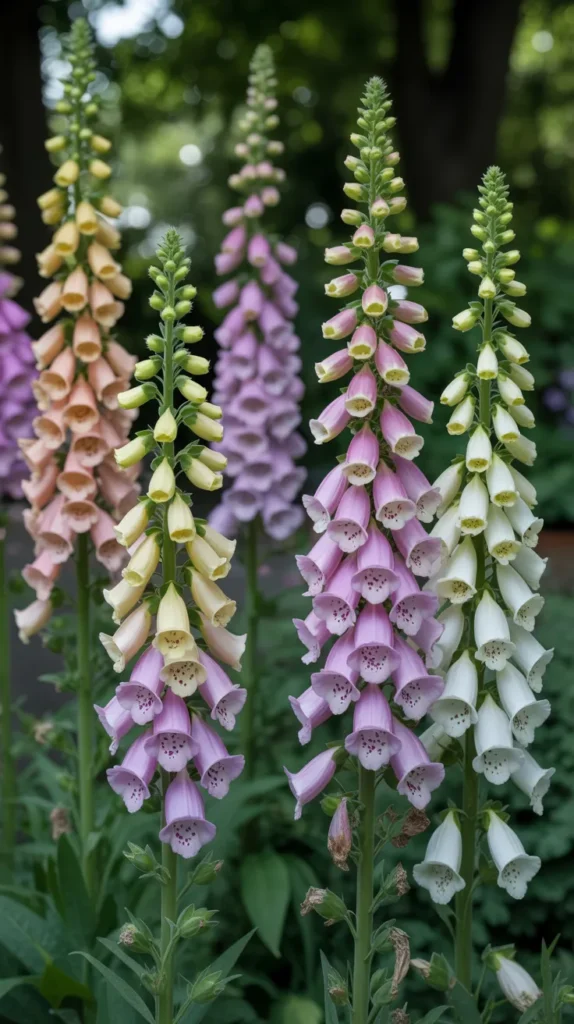
These stunning biennials or short-lived perennials produce tall, majestic spires densely packed with bell-shaped flowers. Their speckled throats add a layer of intricate detail to these beautiful colorful pastel flowers.
Foxgloves come in lovely pastel shades, including apricot, creamy yellow, lavender, and soft pink. They are perfect for the back of a border, where their tall spikes can create a stunning backdrop for lower-growing plants.
They thrive in partial shade and add a wonderful vertical element to woodland or cottage garden designs. It is important to note that all parts of the foxglove plant are toxic if ingested, so they should be planted with care in areas away from curious pets or small children.
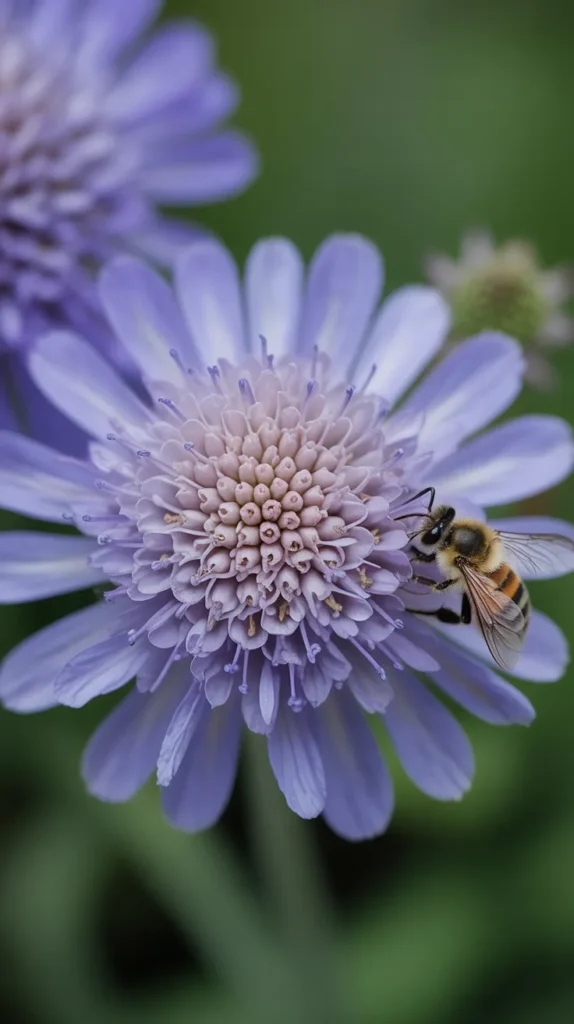
7. Scabiosa (Scabiosa caucasica)
Commonly known as the pincushion flower, scabiosa is a unique and charming perennial that brings a wonderful texture to the garden. Its frilly outer petals surround a domed center that looks like a tiny, decorative pincushion. It’s a delightful and slightly unconventional choice for adding interest to your mix of colorful pastel flowers.
Scabiosa comes in beautiful, soft shades of lavender-blue, pale pink, and creamy white. The flowers seem to dance on long, wiry stems, giving them a sense of movement and airiness.
They are a favorite of bees and butterflies, adding life and activity to your garden. They are excellent cutting flowers and add a touch of meadow-like whimsy to any bouquet.
8. Lisianthus (Eustoma grandiflorum)
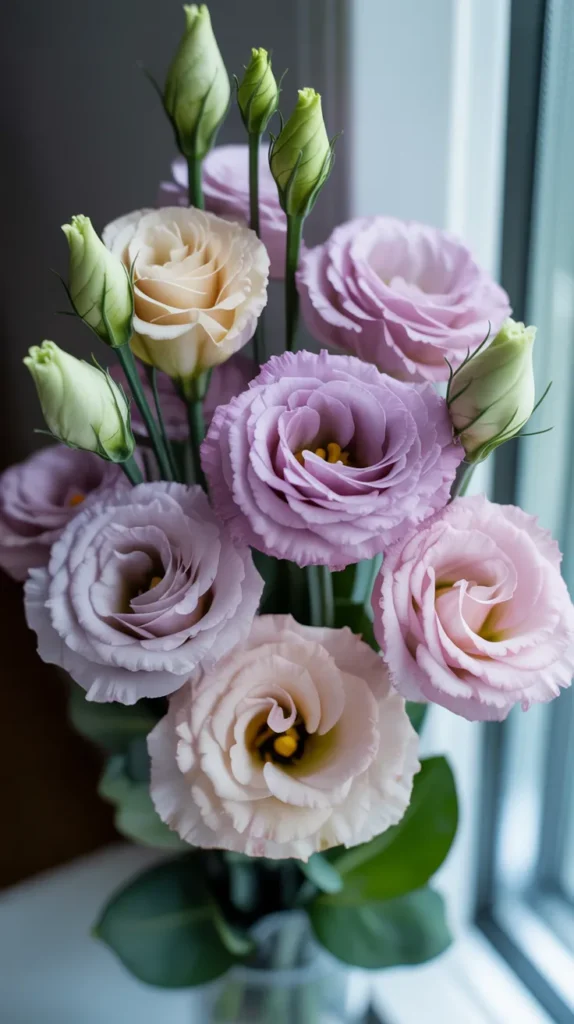
Often called the “Texas Bluebell,” lisianthus is an incredibly elegant flower that looks like a rose but has a softer, more delicate texture.
Its beautiful, cup-shaped blooms and long vase life have made it a favorite of florists, and it’s a wonderful, though slightly more challenging, flower to grow in a home garden. Its pastel varieties are a must-have for a sophisticated arrangement of colorful pastel flowers.
Lisianthus can be found in stunning shades of pale pink, champagne, lavender, and soft green. They require a long growing season and are best started from seed indoors many weeks before the last frost.
They demand patience, but the reward is a harvest of some of the most beautiful cutting flowers you can grow. For such a special and sometimes fussy plant, providing consistent nutrients is key.
A balanced liquid fertilizer like {Miracle-Gro Water Soluble All Purpose Plant Food}, applied every few weeks, can provide the steady diet needed to encourage strong stems and a profusion of elegant blooms.
9. Delphiniums & Larkspur (Delphinium & Consolida)
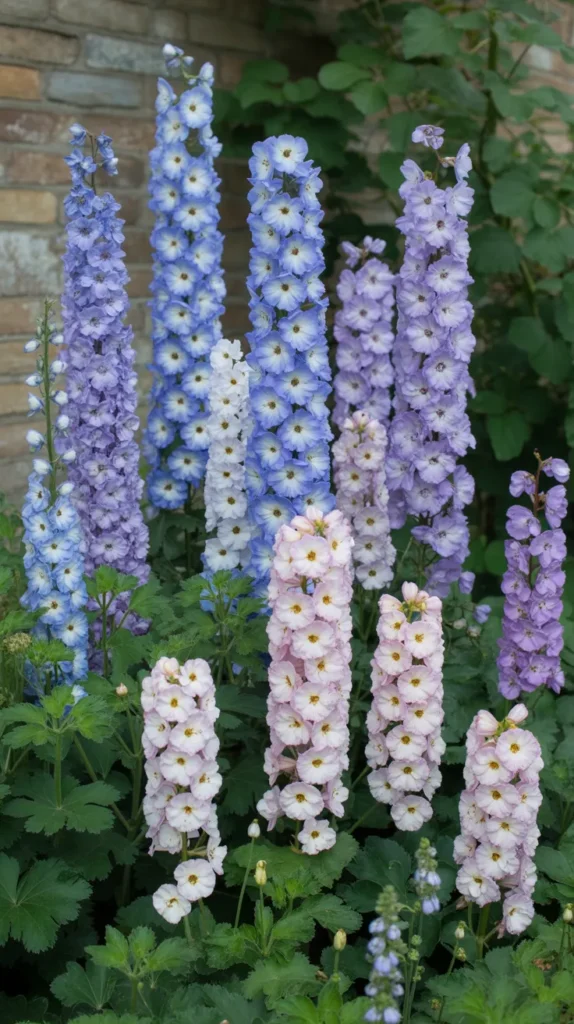
For a powerful vertical statement in shades of blue and lavender, nothing beats delphiniums and their close relatives, larkspur.
These majestic plants produce tall, stately spires packed with flowers, adding a sense of grandeur and structure to the garden. They are a classic and essential element for any cottage-style display of colorful pastel flowers.
Delphiniums offer some of the truest blues in the plant kingdom, a rare and coveted color for gardeners. Larkspur, which is an annual, offers a similar look in a wider range of pastel shades and is generally easier to grow.
Both are perfect for the back of the border, where they can create a stunning backdrop. Their tall, hollow stems can be vulnerable to wind, so staking them is often necessary to prevent them from breaking.
10. Cosmos (Cosmos bipinnatus)
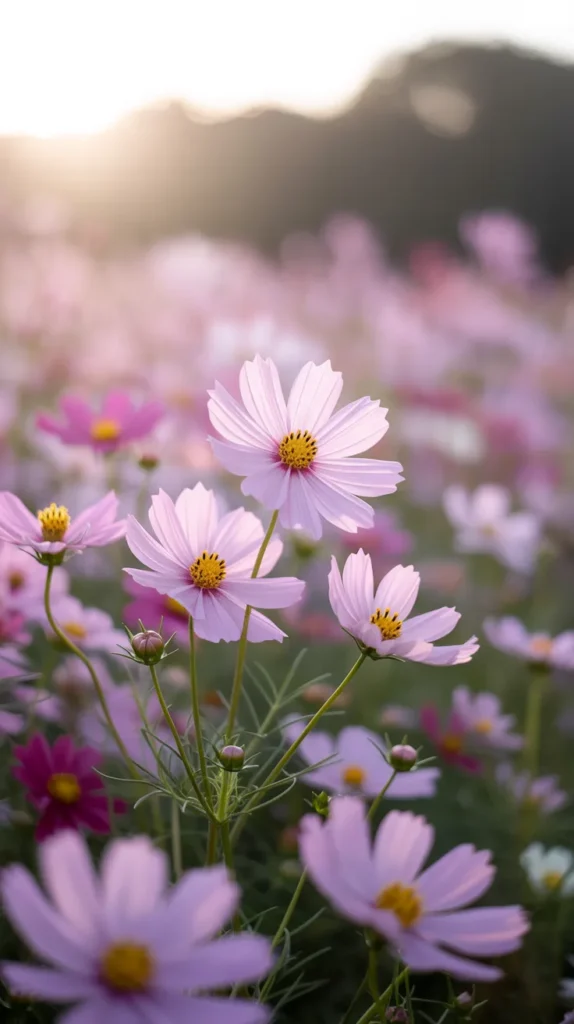
Cosmos are the embodiment of airy, whimsical beauty. These easy-to-grow annuals produce daisy-like flowers that dance on long, slender stems, creating a sea of color and movement. They are a fantastic choice for filling in spaces in your garden with clouds of colorful pastel flowers.
While often seen in bright magenta, there are many cosmos varieties that come in soft, dreamy pastels. ‘Cupcake Blush’ has unique fused petals that form a cup shape, while ‘Seashells’ has fluted petals.
They are incredibly easy to grow from seed directly sown in the garden after the last frost. They thrive on a bit of neglect and will produce more flowers in soil that isn’t too rich. They are a must-have for a relaxed, bohemian, or meadow-style garden.
11. Anemones (Anemone)
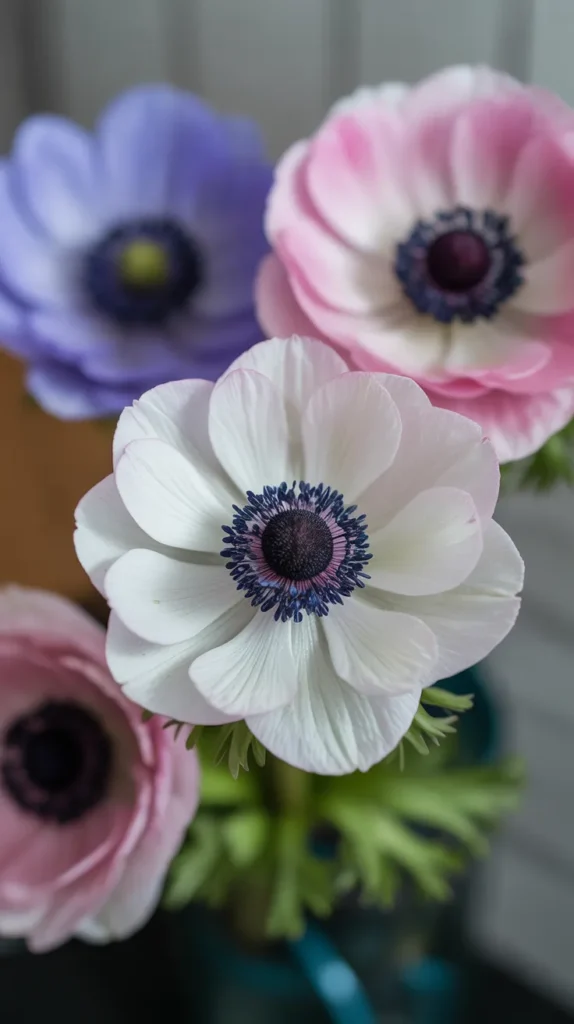
Anemones, particularly the ‘De Caen’ varieties, are incredibly chic and striking flowers. They feature silky, poppy-like petals surrounding a dark, dramatic center. This high-contrast look makes them a modern and sophisticated choice for your collection of colorful pastel flowers.
While they come in bold reds and purples, the pastel varieties are particularly enchanting. Look for anemones in shades of pale blue, soft pink, and, of course, classic white with a black center.
Like ranunculus, they grow from small corms (similar to bulbs) that should be soaked before planting. They are excellent cutting flowers and add a touch of graphic elegance to any spring bouquet.
12. Astilbe (Astilbe)
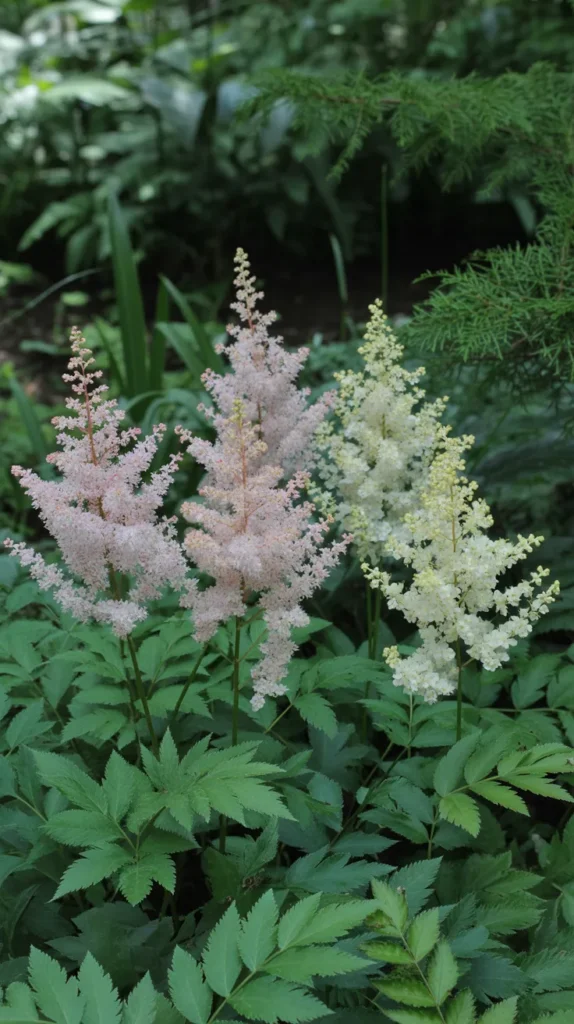
For those tricky shady spots in your garden, astilbe is a beautiful and reliable solution. This shade-loving perennial is prized for its feathery, plume-like flowers that rise above attractive, fern-like foliage.
It adds a wonderful, soft texture and gentle color to the darker corners of your garden, making it a valuable player in a comprehensive landscape of colorful pastel flowers.
Astilbe comes in lovely shades of soft pink, creamy white, and pale lavender. The fluffy plumes look like soft clouds and are beautiful both fresh and dried.
They thrive in moist, well-drained soil in partial to full shade. Pairing them with other shade-lovers like hostas and bleeding hearts can create a lush, textural, and colorful display in an area where many other flowers would struggle.
Your Pastel Garden Starter Kit
Cultivating a dreamy pastel garden is a joyful process, and having the right supplies makes it even more so. Here is a summary of the helpful products mentioned to help you grow your own enchanting floral escape.
| Product Name | Brand | Use |
|---|---|---|
| Peony Support Ring | Panacea Products | Provides an unobtrusive grid to support heavy peony blooms and prevent flopping. |
| Rose & Vigor Garden Soil | Miracle-Gro | A nutrient-rich soil blend perfect for giving heavy-feeding roses a strong start. |
| Floral Snips | Fiskars | Allows for precise, clean cuts on delicate stems like ranunculus for a longer vase life. |
| Professional Greenhouse Seed Starting Kit | Jiffy | Creates the perfect environment for germinating seeds like sweet peas indoors. |
| Water Soluble All Purpose Plant Food | Miracle-Gro | Provides a regular nutrient boost to encourage blooms on plants like lisianthus. |
Conclusion: Cultivate Your Own Serenity
Planting a garden is an act of optimism and a way to create your own personal sanctuary. By choosing to cultivate colorful pastel flowers, you are weaving a tapestry of tranquility, romance, and gentle beauty that will reward you season after season.
From the first fluffy peony to the last delicate cosmos, a pastel garden is a living reminder of nature’s softer side.
We hope this list has inspired you to look at your garden as a canvas and to experiment with the beautiful, harmonious world of pastels.
Don’t be afraid to mix textures, heights, and shades to create a look that is uniquely yours. The most beautiful garden is, after all, the one that brings you peace and joy.
So, pick out some seeds, grab your gloves, and get ready to create your own enchanting escape. Your dreamy pastel garden awaits.
