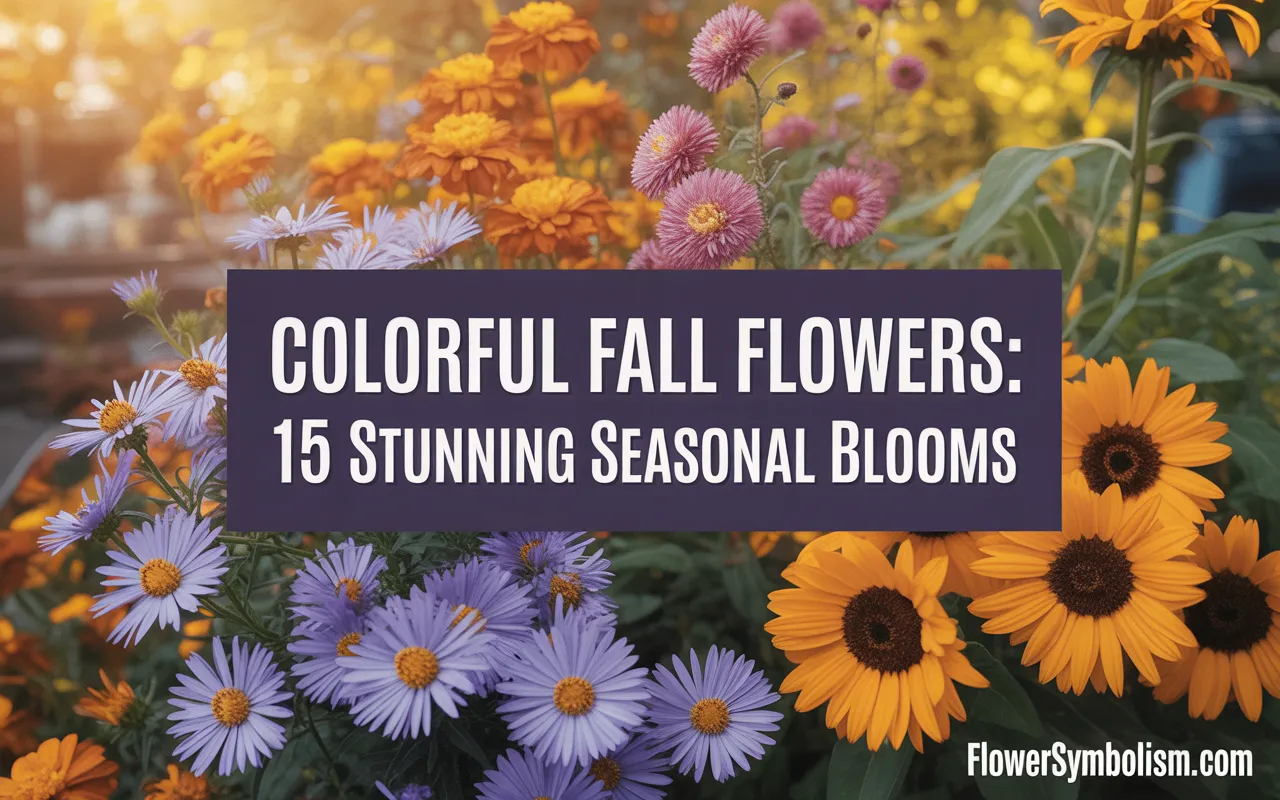
As the air turns crisp and the days grow shorter, many of us think the gardening season is winding down. But stepping outside doesn’t have to mean staring at fading leaves and empty beds.
In fact, autumn offers a second act for your garden that can be just as vibrant as the height of summer. By planting colorful fall flowers, you can transform your outdoor space into a cozy, breathtaking sanctuary that defies the cooling temperatures.
There is a richness to autumn blooms that you just don’t get at other times of the year. Think deep burgundies, burnt oranges, golden yellows, and amethyst purples.
These hues perfectly complement the changing foliage, creating a landscape that feels warm and inviting. Whether you have acres of land or a small porch waiting for a pot of mums, incorporating seasonal blooms ensures your garden finishes the year with a bang, not a whimper.
In this guide, we are going to explore 15 stunning varieties of colorful fall flowers that thrive when the weather cools down. From classic favorites like chrysanthemums to unexpected gems like beautyberry, we have something for every gardener.
We’ll also share practical planting tips and the essential tools you need to keep your autumn oasis thriving. Grab your favorite sweater and a pumpkin spice latte—it’s time to get planting!
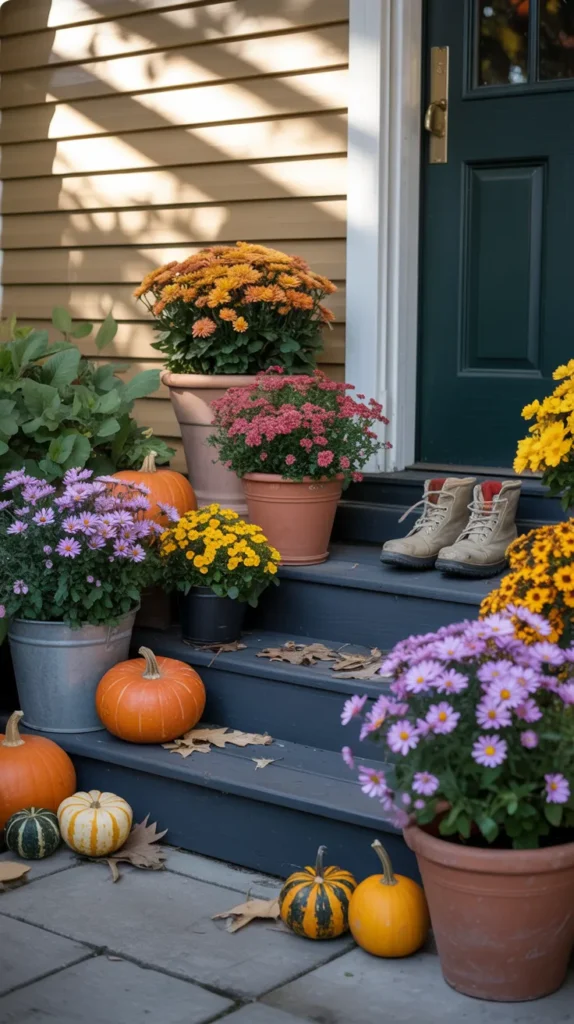
1. Chrysanthemums (Mums)
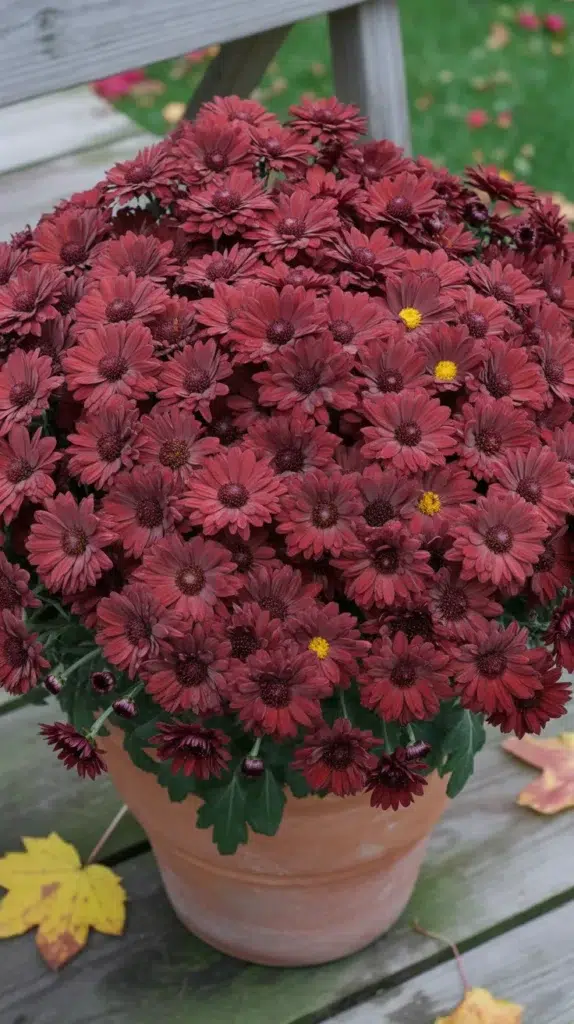
It simply wouldn’t be fall without chrysanthemums. Mums are the quintessential autumn flower, known for their perfectly mounded shape and incredible density of blooms. They are the backbone of any display of colorful fall flowers, available in almost every shade of the harvest rainbow—bronze, rust, maroon, yellow, and white.
Mums are incredibly versatile. You can plant them in the ground to create a carpet of color or keep them in containers to flank your front door. While often treated as annuals, “garden mums” can be perennial if planted early enough to establish roots before the ground freezes.
To keep your potted mums looking lush and hydrated, especially since they can become root-bound quickly, it helps to use moisture-retaining soil.
Mixing in some {Miracle-Gro Moisture Control Potting Mix} ensures that your thirsty mums get the water they need without becoming waterlogged, protecting against the root rot that often plagues fall container gardens.
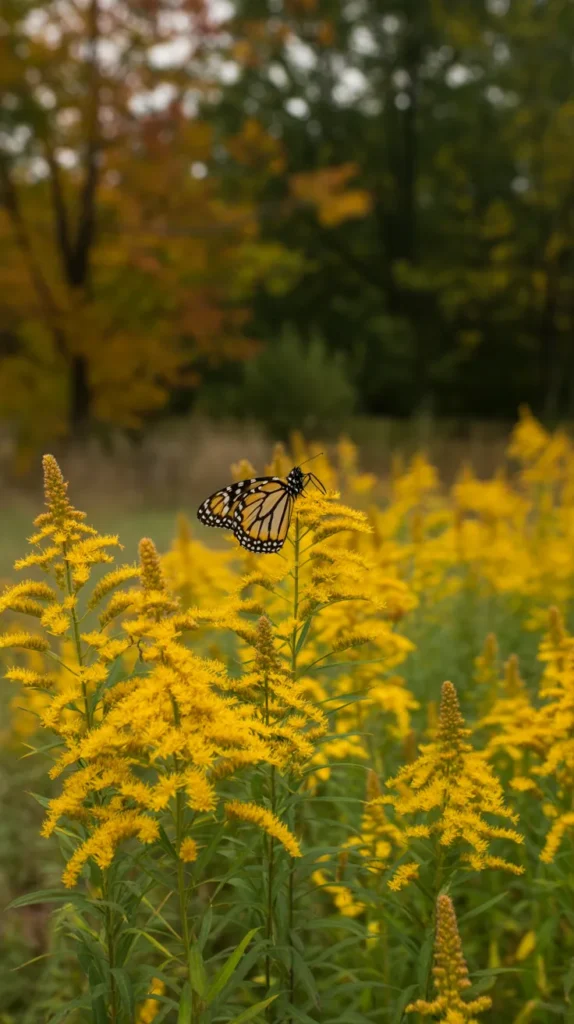
2. Goldenrod (Solidago)
For a burst of sunshine on a cloudy autumn day, goldenrod is unmatched. Often unfairly blamed for hay fever (the real culprit is ragweed), goldenrod is actually a fantastic, pollen-rich plant that is vital for pollinators preparing for winter. Its feathery, bright yellow plumes make it a radiant addition to your collection of colorful fall flowers.
Goldenrod is a native North American wildflower that adds a beautiful, wild texture to garden beds. It pairs stunningly with purple asters, creating a classic complementary color scheme that pops in the landscape. It’s a tough, drought-tolerant perennial that comes back year after year.
3. Asters (Symphyotrichum)
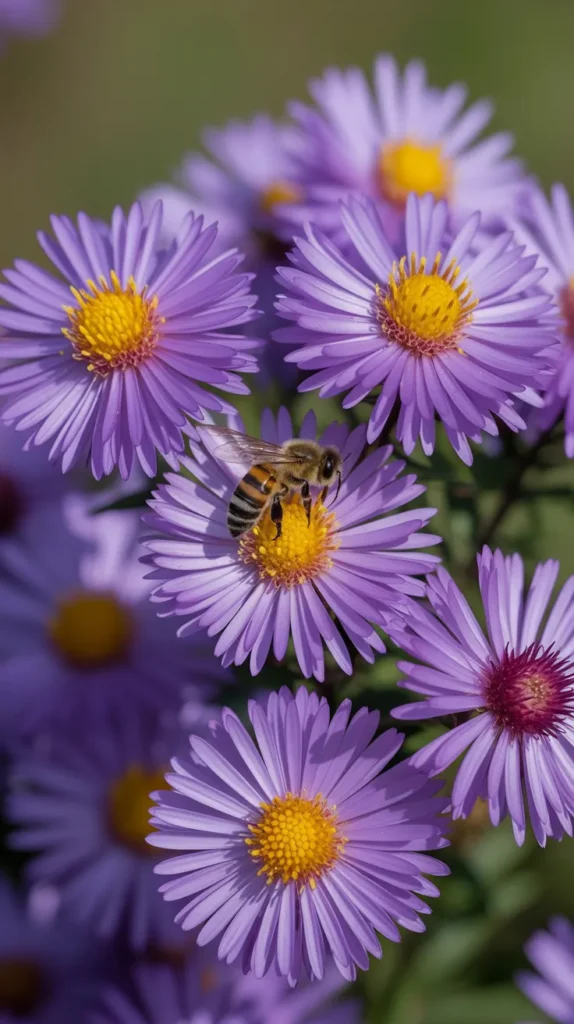
If mums are the king of fall, asters are the queen. These daisy-like perennials burst into bloom just as other summer flowers are fading, offering shades of blue, purple, pink, and white. Their cool tones provide a necessary balance to the warm oranges and reds typical of the season, making them essential colorful fall flowers for a balanced palette.
Asters are incredibly hardy and can withstand light frosts, keeping your garden colorful well into November in many zones.
They are also bee magnets! To keep your asters standing tall without flopping over under the weight of their blooms, you might need to give them a little support.
Using simple {Garden Stakes Green Bamboo Sticks} allows you to prop up the stems discreetly. The green color blends in with the foliage, ensuring the focus remains on the vibrant purple and blue petals.
4. Pansies (Viola tricolor var. hortensis)
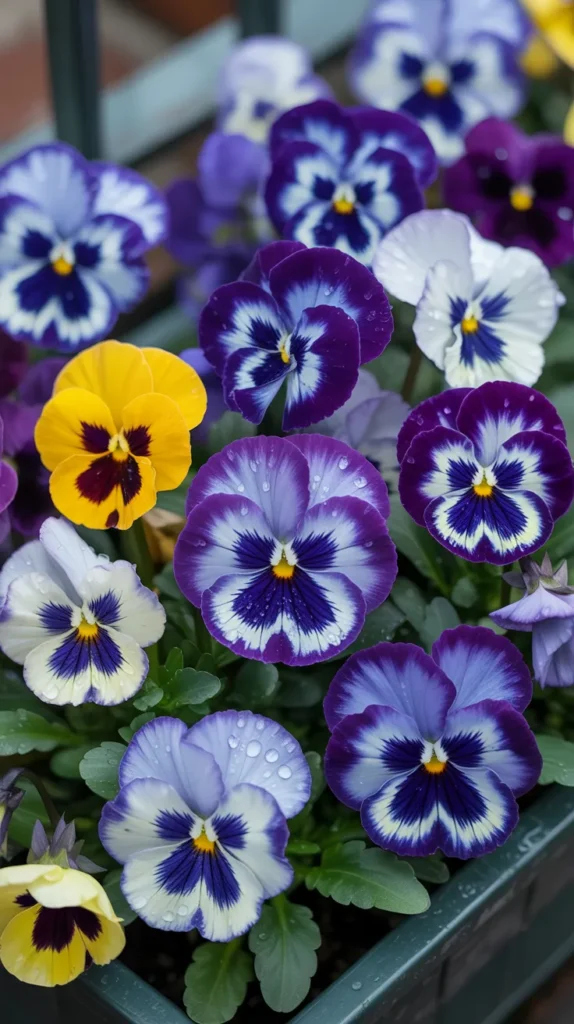
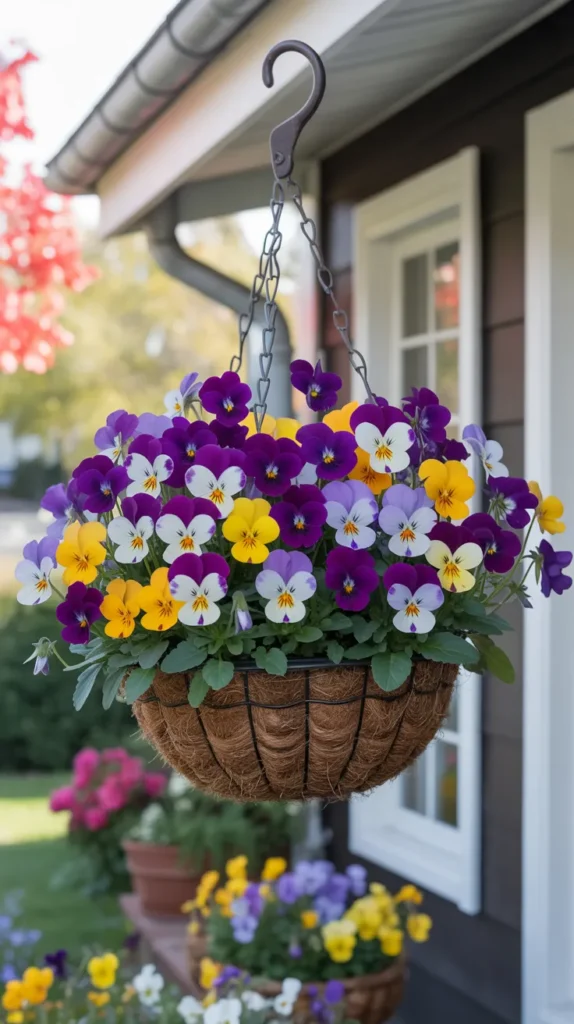
Don’t let their delicate appearance fool you; pansies are tough little cookies. These cheerful flowers love cool weather and are perfect for filling in gaps in your garden beds or containers.
They offer a huge range of colors, often with “faces” or blotches in contrasting hues, making them some of the most charming colorful fall flowers you can grow.
In milder climates, pansies planted in the fall can survive the winter and bloom again in the spring, giving you two seasons of color for the price of one. They look fantastic when planted in mass groupings or tucked into window boxes.
5. Stonecrop (Sedum)
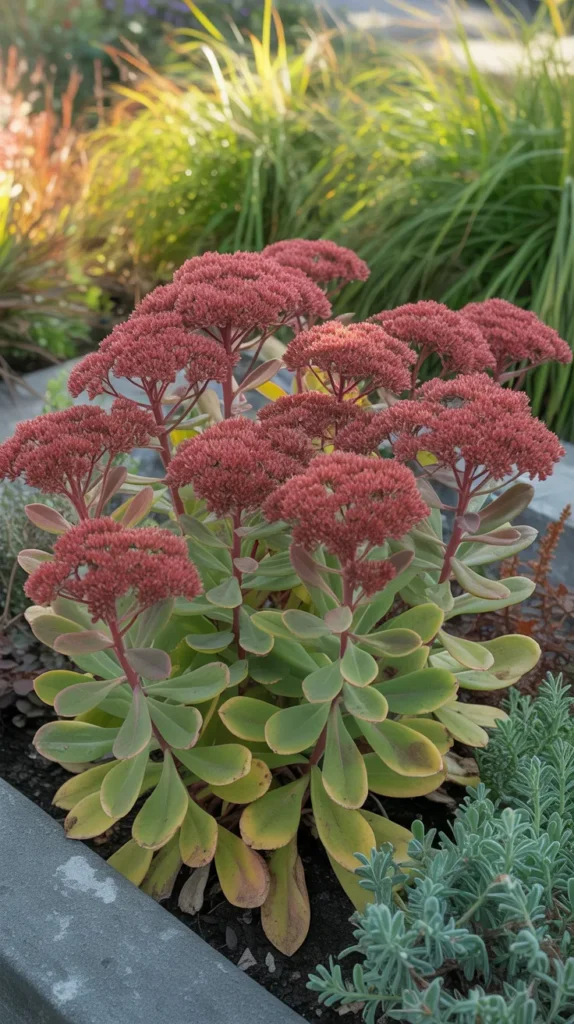
For a plant that looks good from spring through winter, stonecrop sedum is a winner. Specifically, the ‘Autumn Joy’ variety is a staple for colorful fall flowers. It starts with fleshy, green, broccoli-like buds in the summer that slowly turn pink, then a deep, rusty red as autumn progresses, finally drying to a beautiful copper in winter.
Sedums are succulents, meaning they are extremely drought-tolerant and low maintenance. They thrive in full sun and poor soil.
Their flat flower heads provide a perfect landing pad for butterflies. Because they form large clumps over time, digging and dividing them every few years keeps them healthy.
A sturdy tool like the {Fiskars Ergo Garden Trowel} is essential for this. Its ergonomic handle reduces hand fatigue while the sharp blade cuts through the dense root ball easily, allowing you to multiply your plants for free.
6. Helenium (Sneezeweed)
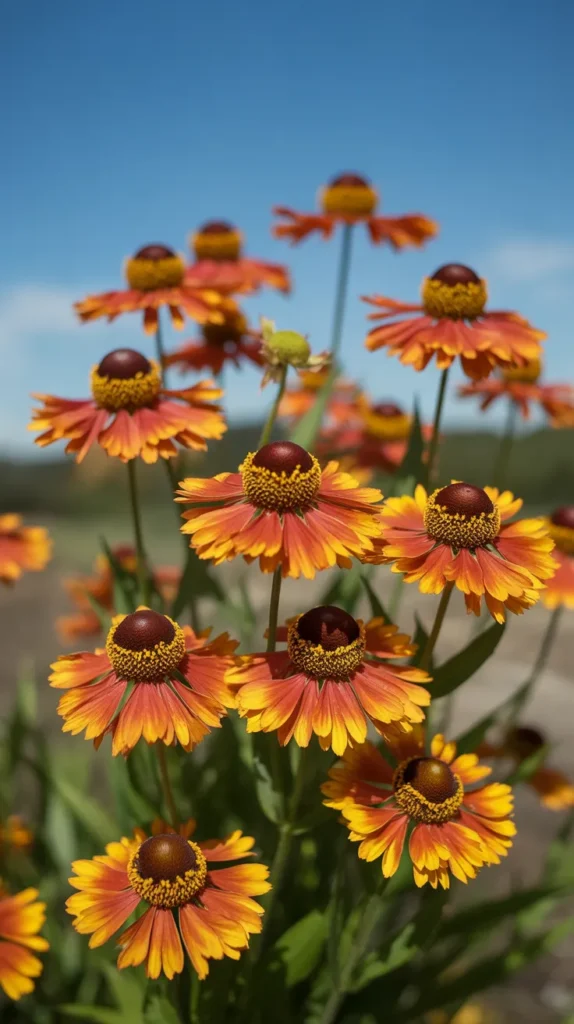
Despite its unappealing common name, Helenium is a true beauty in the autumn garden. These daisy-like flowers feature prominent, ball-shaped centers surrounded by petals in warm, autumnal shades of copper, red, orange, and yellow. They are fantastic colorful fall flowers for adding height and warm tones to the back of a border.
Heleniums love moisture, so they are perfect for that spot in your yard that tends to stay a bit damp. They bloom profusely for weeks, providing excellent cut flowers for indoor arrangements.
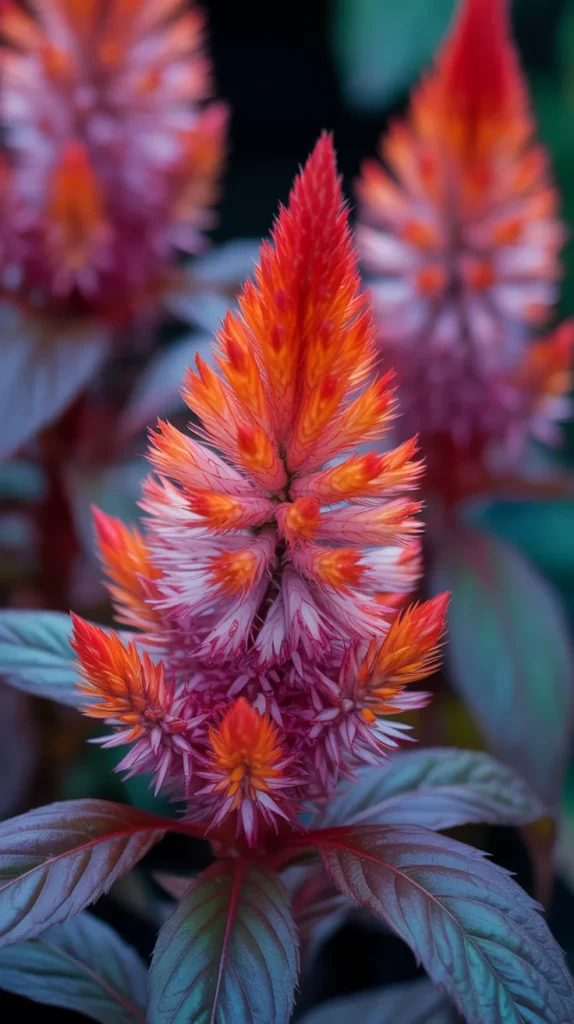
7. Celosia (Cockscomb)
For unique texture and intense, saturated color, celosia is unmatched. These annuals come in three main shapes: plumes (feathery), crests (brain-like), and spikes.
Their colors—magenta, scarlet, orange, and yellow—are so vibrant they almost look neon, making them standout colorful fall flowers for containers and beds.
The flowers have a velvety texture and are sturdy enough to last a long time, both in the garden and in a vase. They also dry beautifully, retaining their color for months.
8. Russian Sage (Perovskia atriplicifolia)
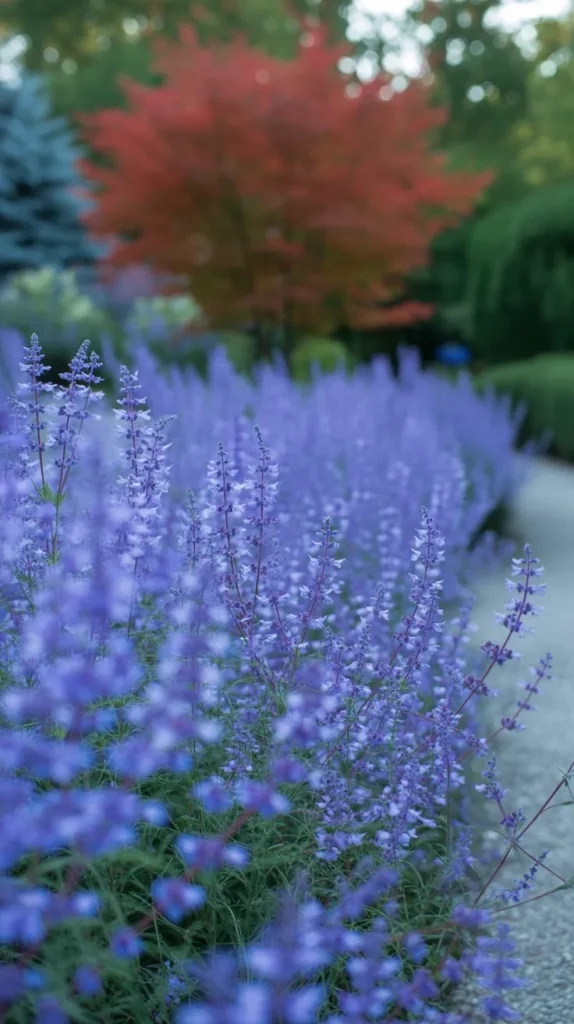
If you love the look of lavender but want something that blooms later in the season, Russian Sage is the answer.
This woody perennial produces airy spires of tiny, lavender-blue flowers atop silvery-green, fragrant foliage. It creates a hazy, purple cloud of colorful fall flowers that adds a sense of movement and softness to the garden.
Russian Sage is incredibly tough, deer-resistant, and drought-tolerant. It pairs beautifully with the warm tones of rudbeckia and ornamental grasses.
9. Beautyberry (Callicarpa)
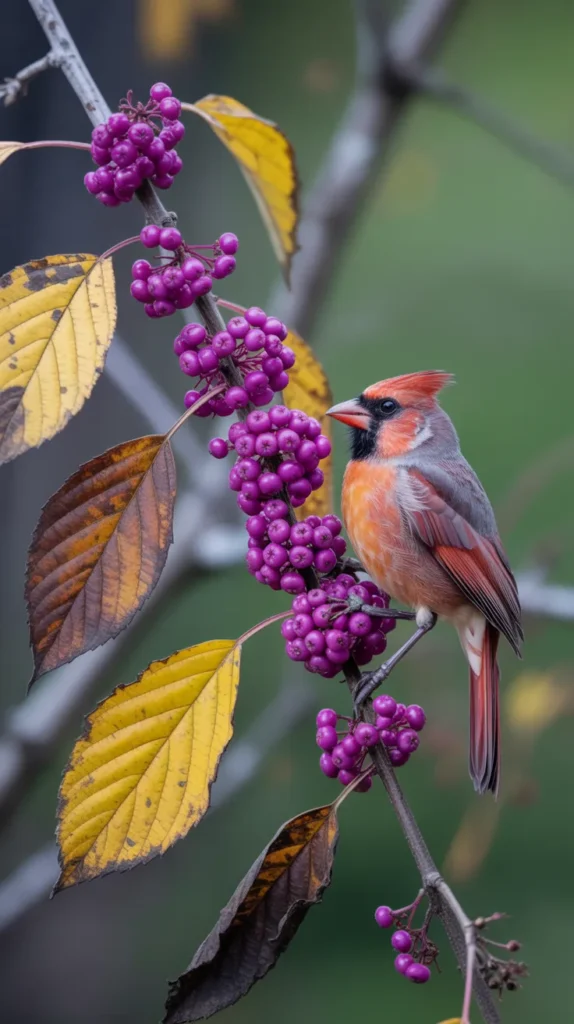
While technically grown for its berries rather than its flowers, Beautyberry is a showstopper that deserves a place on any list of colorful fall flowers and foliage.
In autumn, the leaves turn yellow and drop, revealing clusters of shockingly bright, metallic purple berries that hug the branches.
The color is so intense it looks artificial, but it is 100% natural. The berries persist well into winter, providing food for birds and a pop of electric color in a grey landscape.
To keep this shrub looking tidy and encouraging new growth (where the berries form), pruning is key.
A sharp pair of shears like the {Gonicc 8″ Professional Premium Titanium Bypass Pruning Shears} allows for clean cuts that heal quickly, ensuring your shrub stays healthy and productive year after year.
10. Japanese Anemone (Anemone hupehensis)
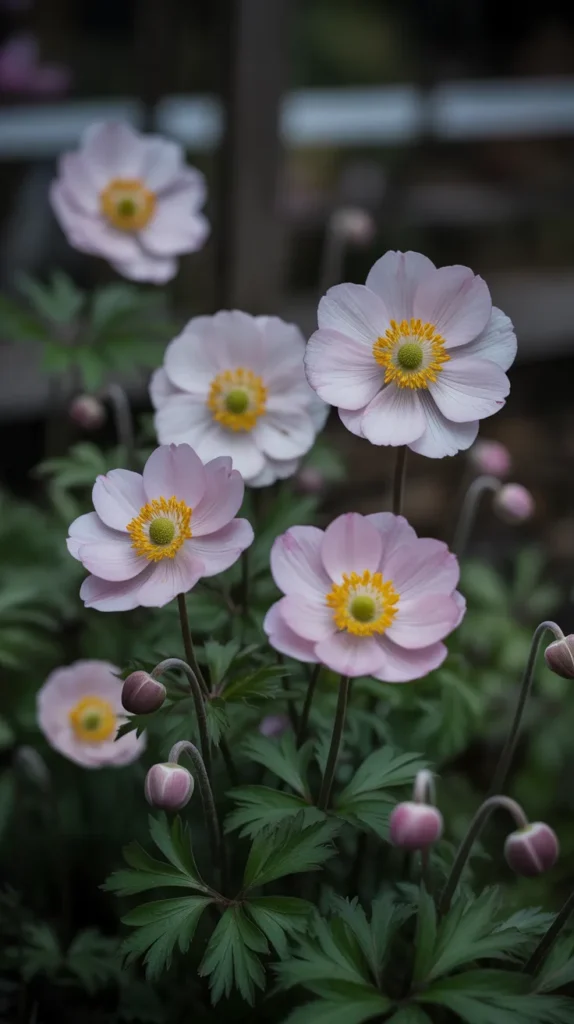
For a touch of elegance and grace, Japanese Anemones are exquisite. These perennials produce tall, wiry stems topped with delicate, poppy-like flowers in shades of white and pink. They sway beautifully in the wind, adding a whimsical element to your collection of colorful fall flowers.
They bloom in late summer and continue through early fall. They prefer partial shade, making them perfect for brightening up darker corners under trees. Once established, they spread to form a lovely colony of blooms.
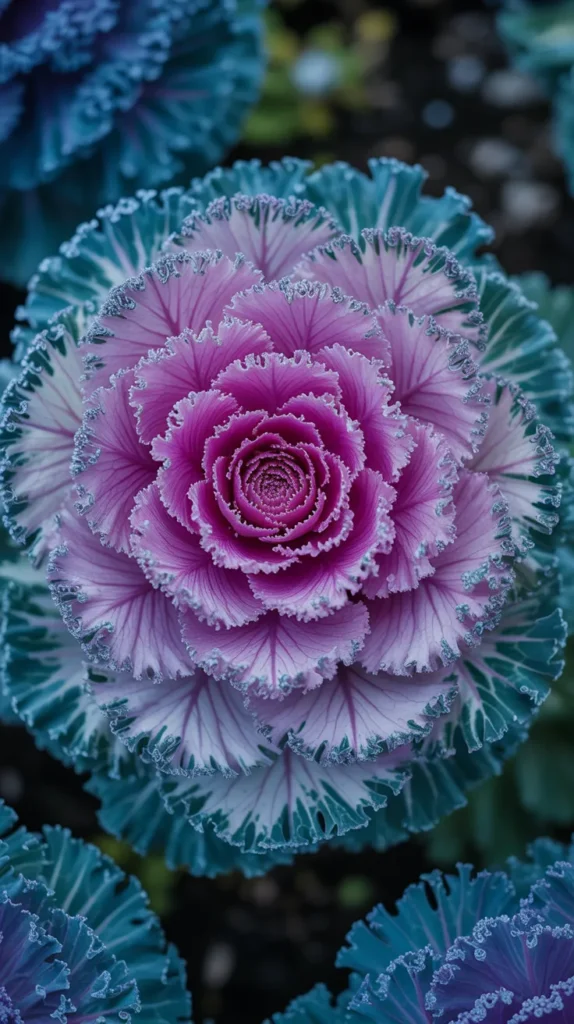
11. Ornamental Cabbage and Kale
While we eat kale for its nutrients, ornamental varieties are bred for their stunning looks. As the weather cools, the centers of these plants turn vibrant shades of cream, pink, rose, and purple. They are structural, rosettes of colorful fall flowers (technically foliage) that are incredibly hardy.
These plants can survive deep frosts and often look even better with a dusting of snow on them. They are perfect for low-growing borders or as the “filler” in autumn container arrangements.
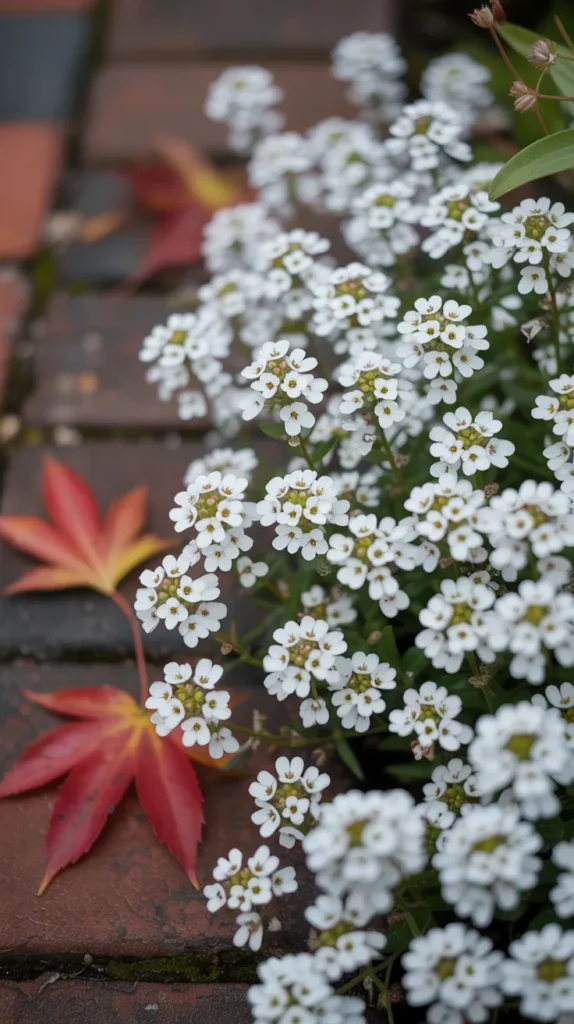
12. Sweet Alyssum (Lobularia maritima)
Sweet Alyssum is a low-growing, carpet-forming annual that produces tiny, honey-scented flowers. While often planted in spring, it loves cool weather and gets a second wind in the fall. It’s an excellent choice for edging paths or cascading out of pots, adding a snowy white or purple drift to your colorful fall flowers.
It is incredibly frost-tolerant and will often keep blooming even after other annuals have succumbed to the cold. It’s also a fantastic pollinator plant, attracting beneficial insects to the garden.
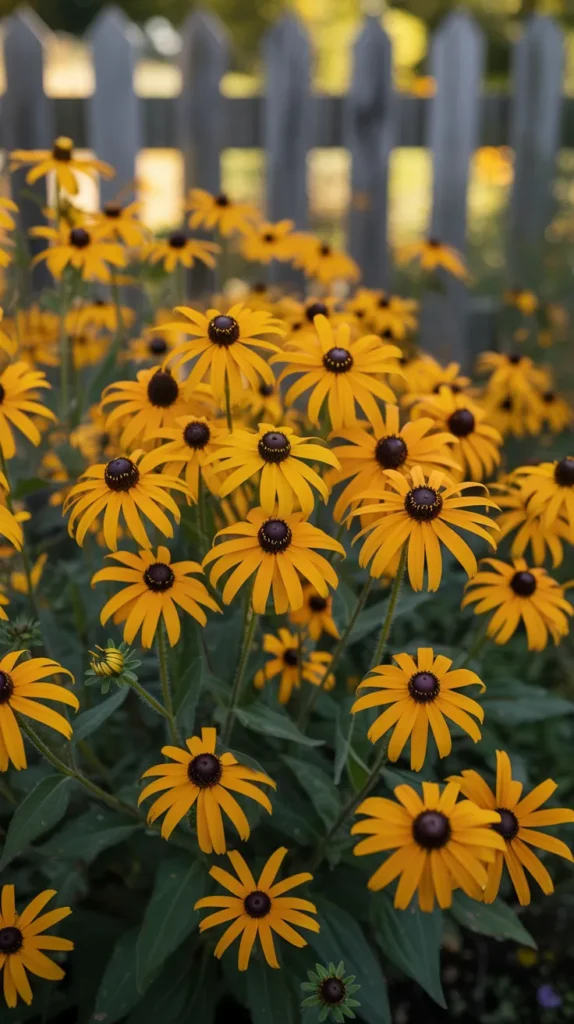
13. Black-Eyed Susan (Rudbeckia)
A close relative of the coneflower, the Black-Eyed Susan offers cheerful, golden-yellow petals with a dark brown center. Some varieties, like ‘Goldsturm,’ bloom late into the season, bridging the gap between summer and fall. They are classic, reliable colorful fall flowers that bring a traditional harvest feel to the landscape.
They are tough, adaptable, and look fantastic when planted in large drifts. Leaving the seed heads on during winter provides architectural interest and food for finches.
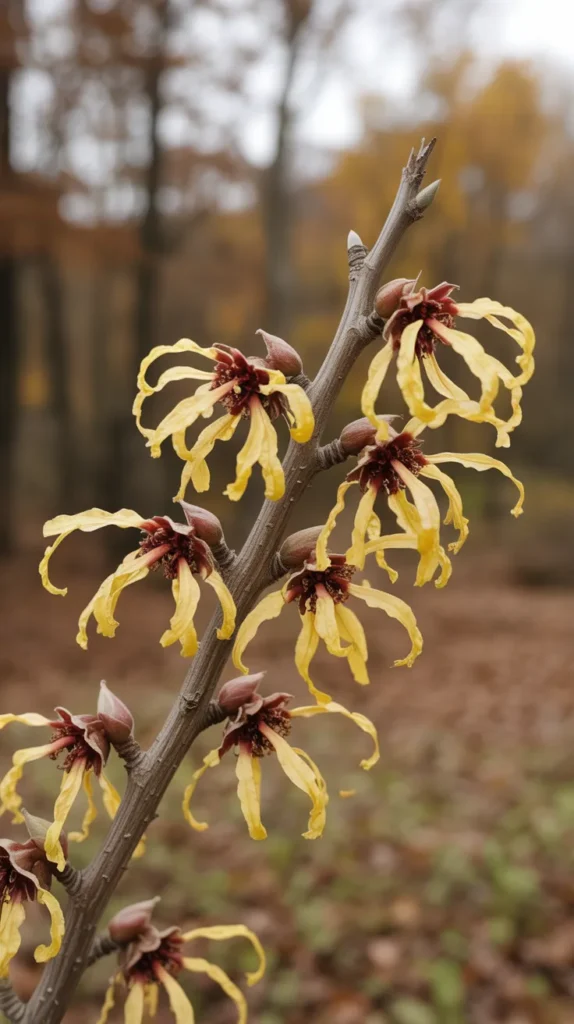
14. Witch Hazel (Hamamelis)
Witch Hazel is a fascinating shrub that offers color at the very edges of the season. While some bloom in late winter, the native Common Witch Hazel (Hamamelis virginiana) blooms in late fall.
It produces unique, spider-like flowers with ribbon-like petals in shades of yellow and orange. It is a surprising and delightful source of colorful fall flowers.
The flowers often appear just as the leaves are turning yellow and falling, creating a golden glow in the woodland garden. They also have a light, spicy fragrance that is refreshing in the crisp air.
15. Viola (Viola cornuta)
Similar to pansies but smaller and more prolific, violas are tough little gems. They come in a massive array of color combinations, including deep purples, sunny yellows, and bicolor mixes. They are perfect colorful fall flowers for hanging baskets and window boxes where their intricate details can be appreciated up close.
Violas are even more cold-hardy than pansies and will often overwinter successfully in many zones, popping up to greet you first thing in the spring.
Your Fall Gardening Toolkit
To keep your autumn garden looking its best, having the right tools on hand makes all the difference. Here is a summary of the helpful products mentioned to help you cultivate your seasonal blooms.
| Product Name | Brand | Use |
|---|---|---|
| Moisture Control Potting Mix | Miracle-Gro | Protects potted mums from root rot by regulating moisture levels in the soil. |
| Garden Stakes Green Bamboo Sticks | N/A | Provides discreet support for tall asters to prevent them from flopping over. |
| Ergo Garden Trowel | Fiskars | Ergonomic design makes digging and dividing tough perennials like sedum easier on the hands. |
| Professional Premium Titanium Bypass Pruning Shears | Gonicc | Sharp blades ensure clean cuts for pruning woody shrubs like Beautyberry. |
Conclusion: Embrace the Season’s Palette
There is no reason to hang up your gardening gloves just because summer has ended. By embracing these colorful fall flowers, you extend the joy of gardening and create a warm, welcoming environment right when you need it most.
Whether you love the classic look of mums and pumpkins or the wild beauty of goldenrod and asters, there is a palette waiting to transform your autumn landscape.
We hope this list has inspired you to head to the garden center and fill your cart with some seasonal beauty.
Don’t let the shorter days get you down—plant a garden that glows! Which of these fall favorites will you be planting this year? Let us know, and happy gardening
