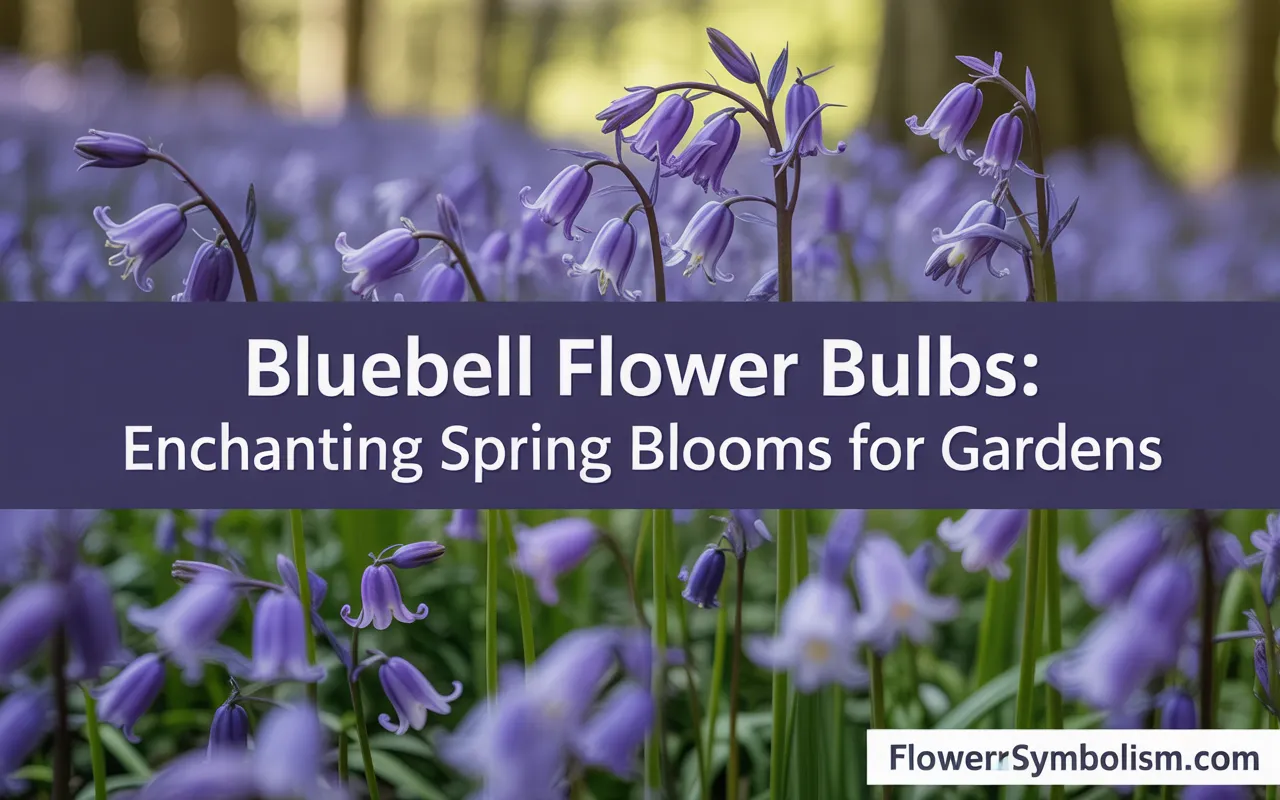
There is something truly magical about a woodland floor covered in a misty haze of blue. It looks like a fairy tale brought to life. That magic is created by the humble yet spectacular bluebell.
Whether you have a sprawling shade garden or a cozy suburban backyard, planting bluebell flower bulbs is one of the most rewarding gardening projects you can undertake.
These charming perennials are resilient, low-maintenance, and return year after year, multiplying to create lush carpets of color. If you are dreaming of a vibrant spring garden, now is the time to start planning. Here is everything you need to know about growing, caring for, and designing with these enchanting blooms.
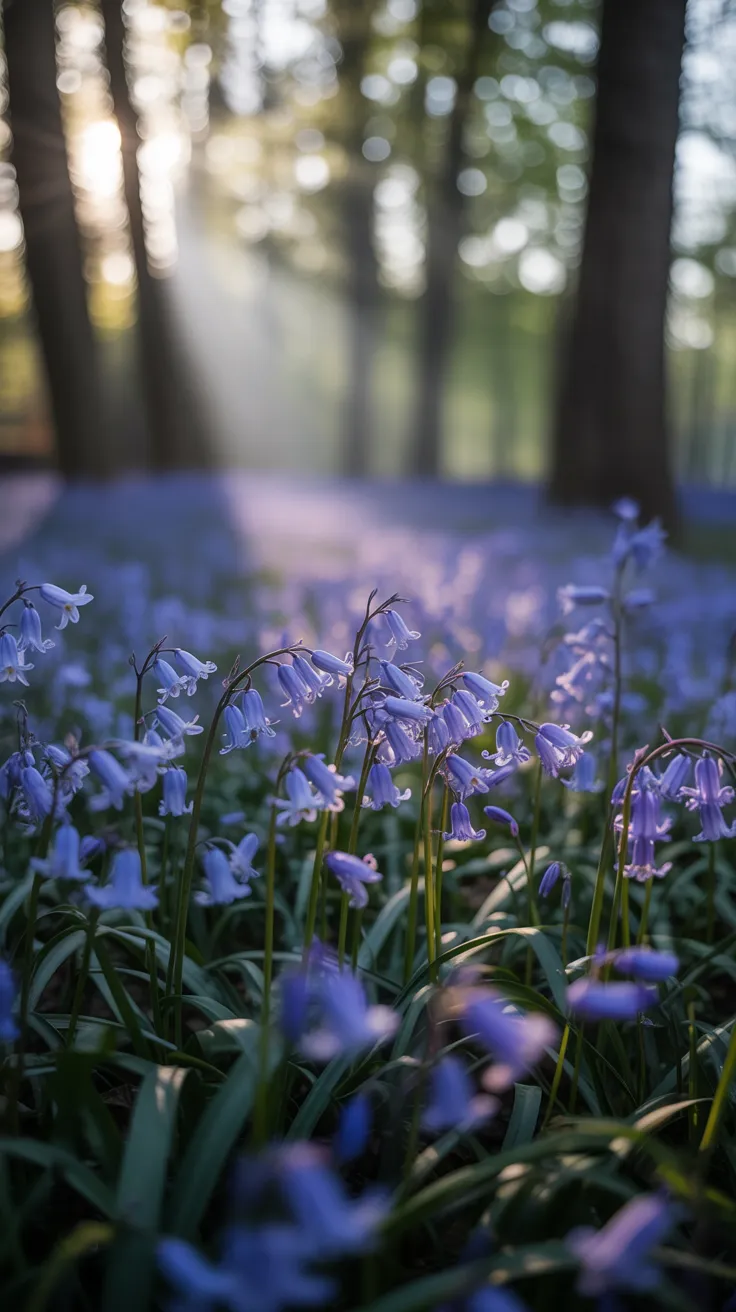
1. Plant in the Fall for Spring Magic
Like many spring-blooming favorites, bluebell flower bulbs need a period of cold dormancy to trigger their flowering. This means the best time to get them into the ground is in the autumn, before the ground freezes.
Aim to plant them between September and November. Getting them settled before the deep freeze allows their roots to establish, ensuring a stronger display when the warmer weather arrives.
To make the job easier, especially if you are planting in drifts, a specialized tool is a lifesaver. A sturdy {Edward Tools Bulb Planter} allows you to remove a plug of soil, drop the bulb in, and cover it back up in seconds. It saves immense time and ensures you are planting at the correct depth (usually 3-4 inches deep).
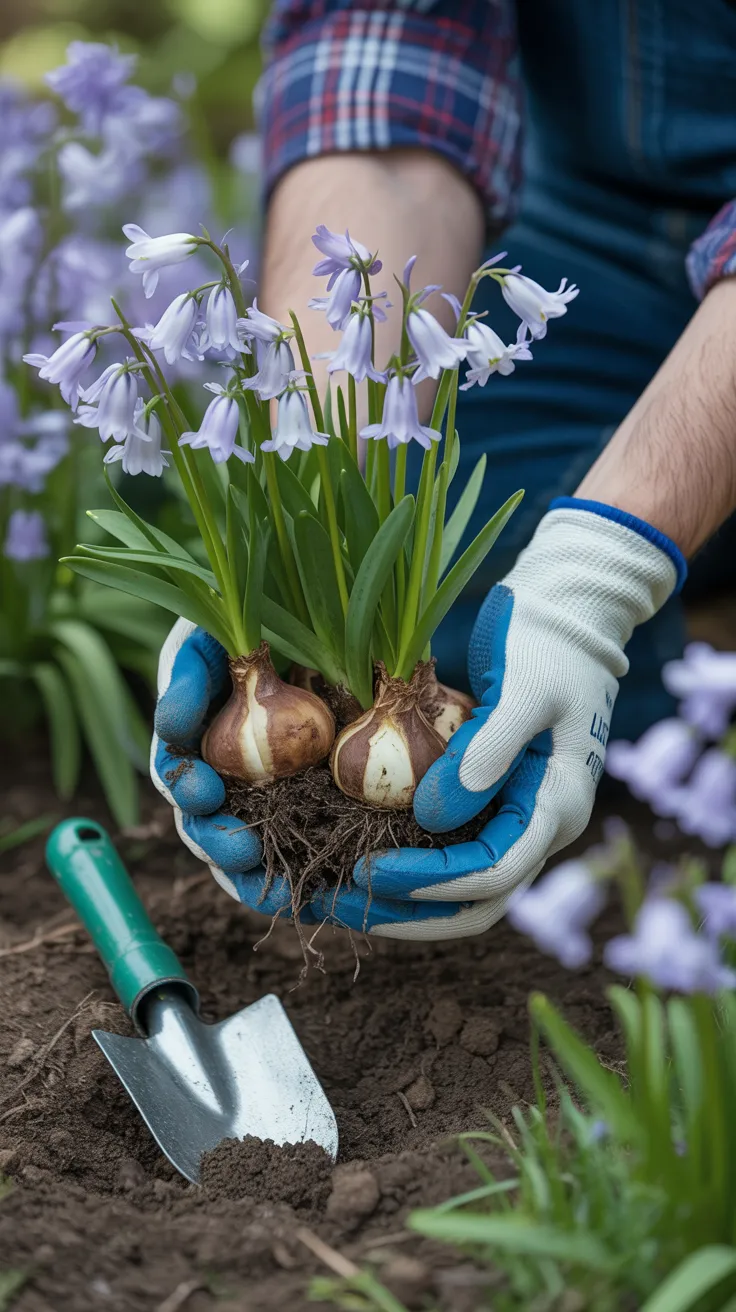
2. Choose the Right Spot: Dappled Shade is Key
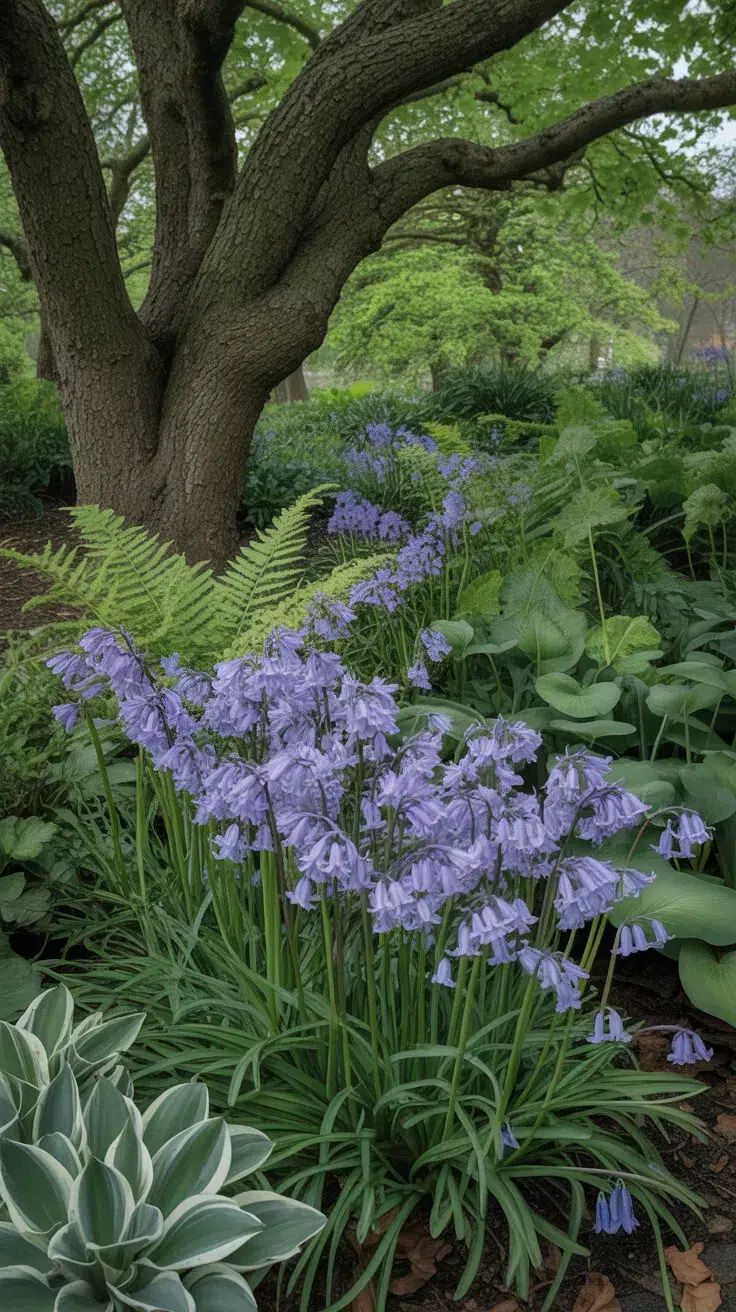
In the wild, bluebells thrive under the canopy of deciduous trees. They do their growing and blooming in early spring before the trees fully leaf out and block the sun.
mimic this in your garden by planting them under trees, shrubs, or along shady fences. They prefer partial shade or dappled sunlight. While they can tolerate some sun in cooler climates, they generally struggle in the baking heat of a full-sun afternoon.
3. Prepare the Soil for Success
Bluebell flower bulbs are tough, but they despise “wet feet.” Soil that stays soggy can cause the bulbs to rot before they ever have a chance to bloom. They need well-draining, humus-rich soil that mimics the forest floor.
Before planting, amend your soil with organic matter like compost or leaf mold. To give your bulbs a nutritious head start, mix in some organic fertilizer. {Espoma Organic Bulb-tone} is excellent for this; sprinkle a little in the planting hole to provide long-lasting nutrients that encourage strong root growth.
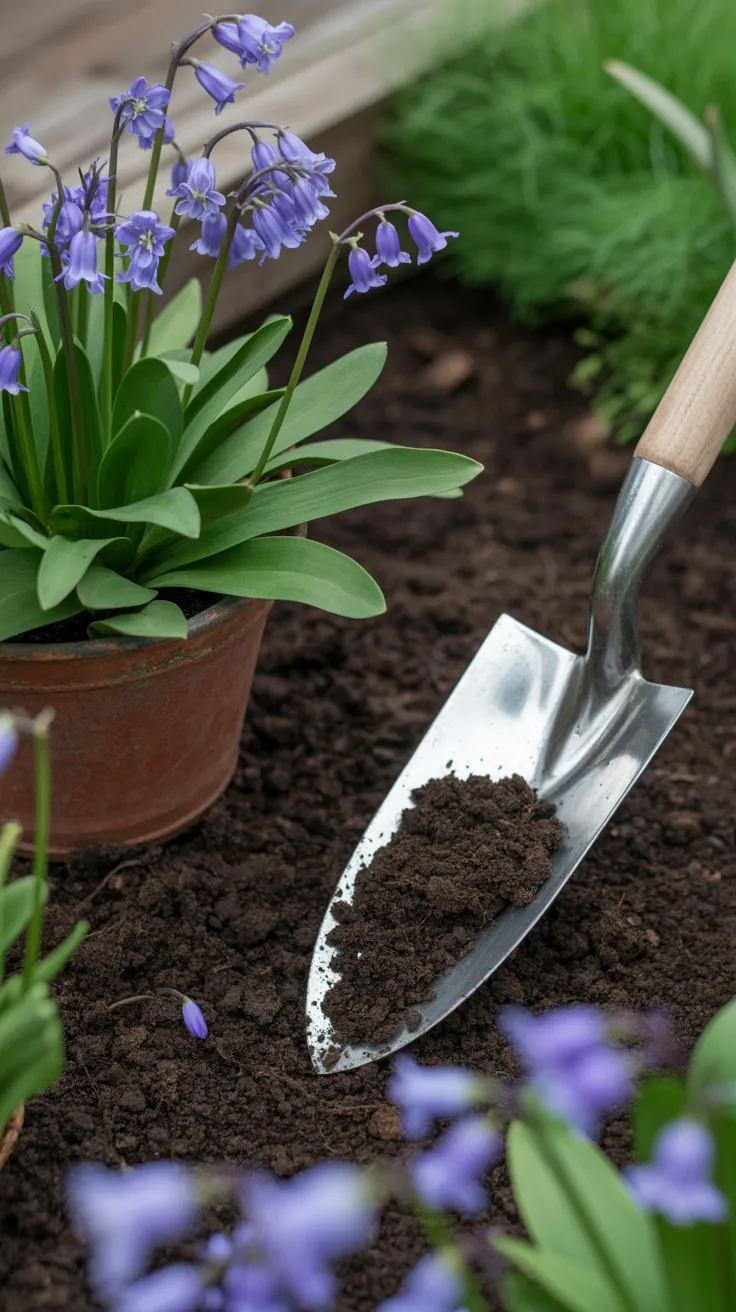
4. Create a “Naturalized” Drift
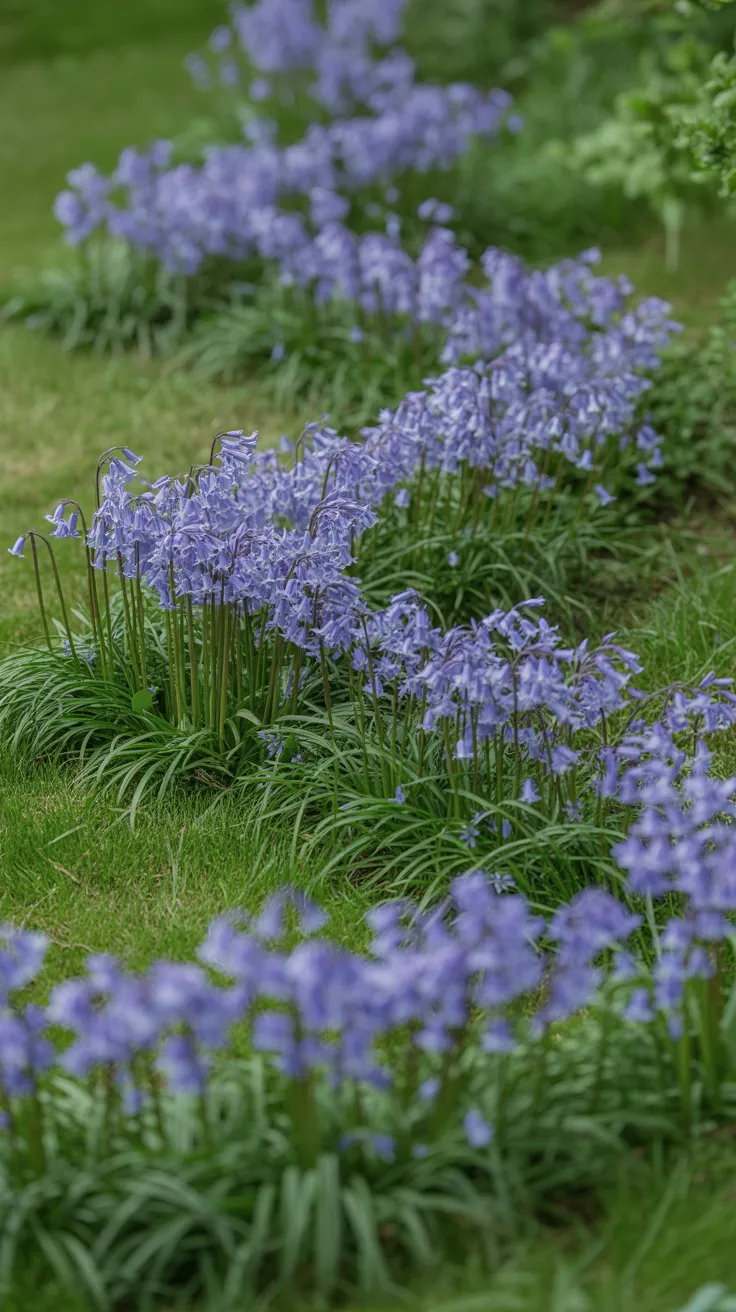
The most stunning way to display bluebells is not in neat, soldiers-in-a-row lines, but in natural-looking “drifts.” You want it to look as if nature planted them there herself.
To achieve this, gently toss a handful of bulbs onto the prepared soil and plant them exactly where they land. This random spacing prevents the arrangement from looking artificial. Over time, the bulbs will multiply and fill in the gaps, creating that coveted carpet effect.
This involves a lot of time on the ground, so protect your joints. A high-quality {Garden Kneeler and Seat} is essential for comfort during mass planting sessions. It keeps you clean and prevents knee pain, letting you plant longer.
5. Know Your Variety: English vs. Spanish
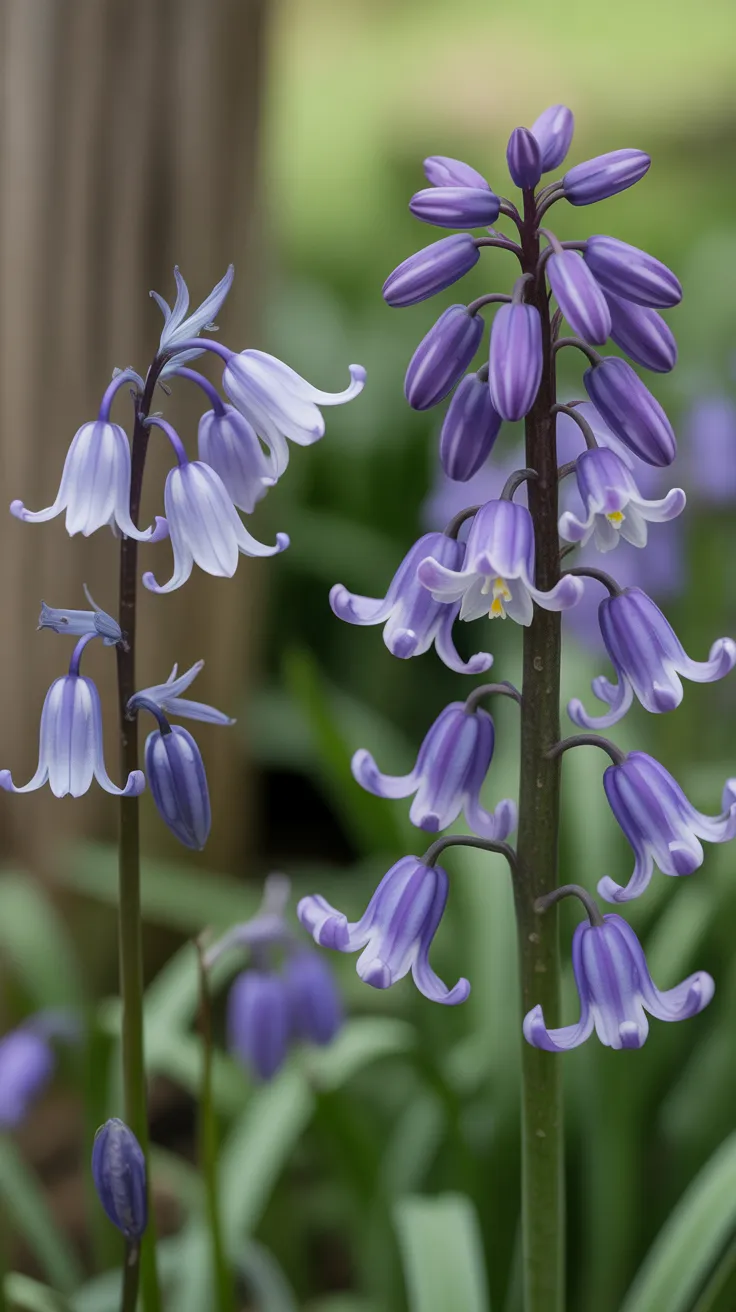
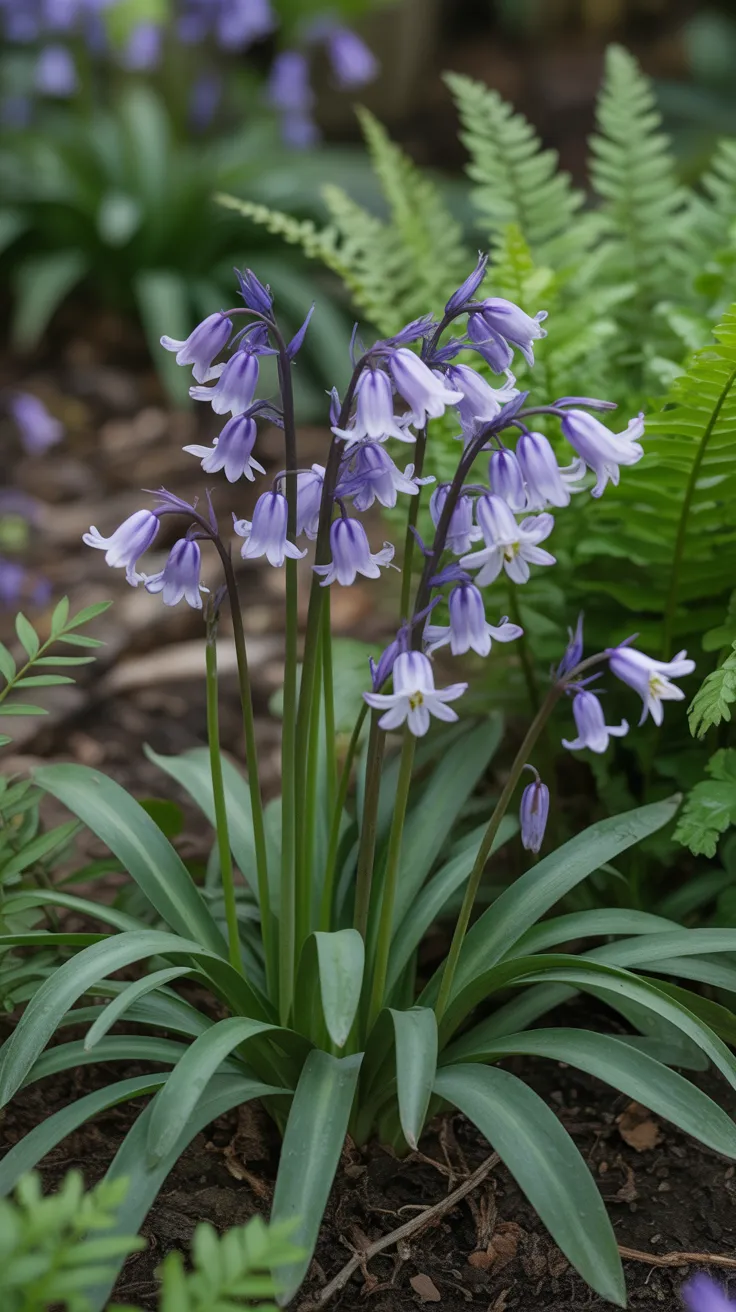
It is important to know which bluebell flower bulbs you are buying. The English Bluebell (Hyacinthoides non-scripta) is the native species with drooping stems and flowers on one side, offering a strong, sweet scent.
The Spanish Bluebell (Hyacinthoides hispanica) is more robust, stands upright with flowers all around the stem, but has little to no scent. Spanish bluebells are tougher and can handle more sun, but they can be invasive. If you want the classic, fragrant fairy-tale look, seek out true English Bluebells.
6. Container Gardening with Bluebells
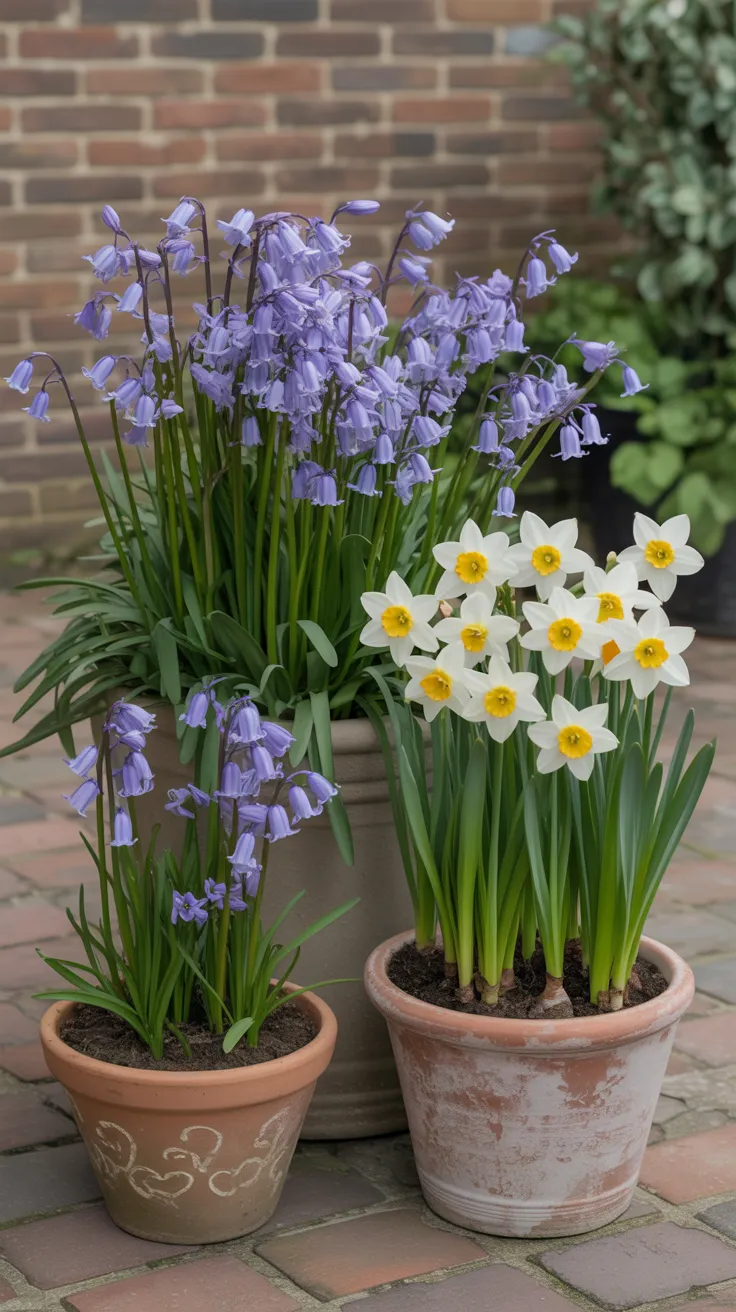
If you don’t have a woodland garden, you can still enjoy these beauties in pots. Bluebells thrive in containers, making them perfect for patios and balconies.
Pack the bulbs fairly tight in a pot—closer than you would in the ground—for a lush display. Use a high-quality potting mix that drains well. {Miracle-Gro Potting Mix} is a reliable choice that provides the right texture and nutrients for container bulbs. Just ensure your pot has drainage holes!
7. Protect Your Treasure from Pests
Freshly planted bulbs can be a tempting snack for squirrels and chipmunks. It is heartbreaking to come out the next morning and find your hard work dug up.
If your garden is prone to critters, lay down a piece of {Chicken Wire Mesh} over the planting area. Secure it with landscape staples and cover it with a thin layer of mulch. The shoots will grow right through the holes in spring, but the digging paws won’t be able to reach the bulbs.
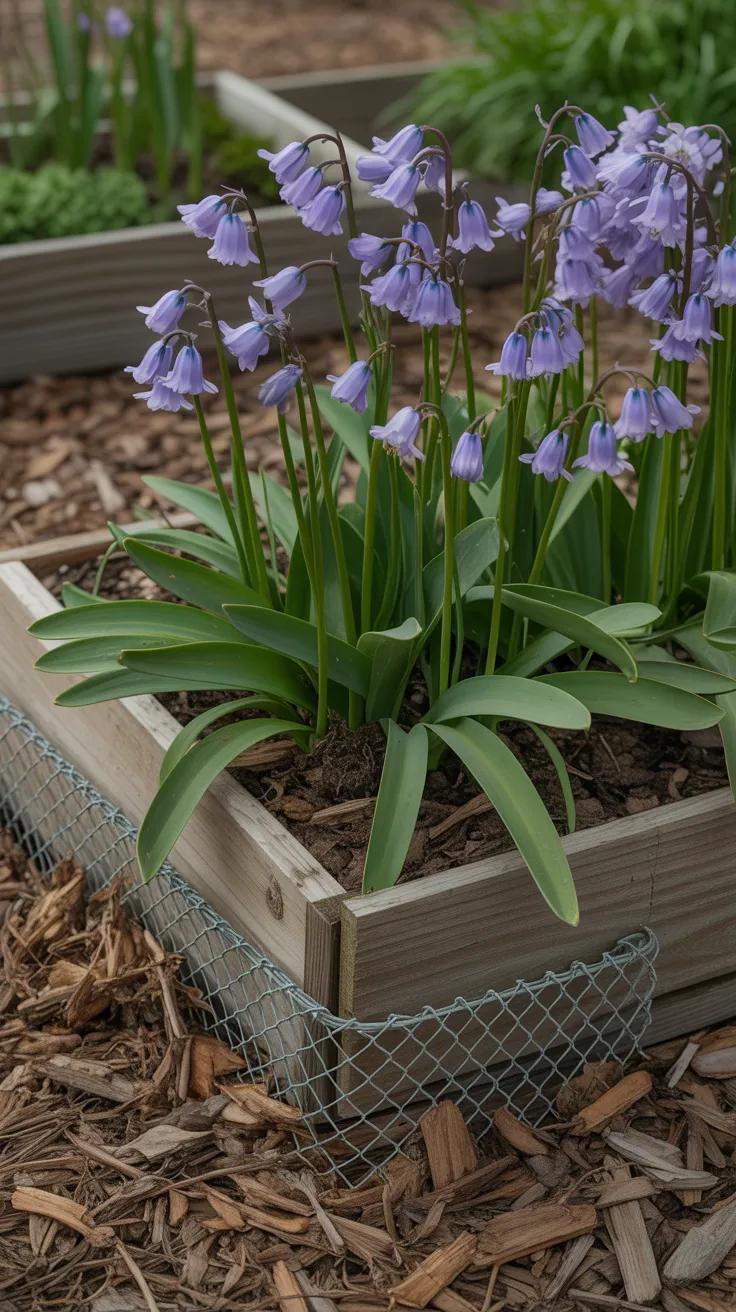
8. The Crucial “Die Back” Phase
After the breathtaking show of flowers fades, you will be left with green foliage. It is tempting to cut this messy greenery back to tidy up the garden, but do not do it!
The leaves are busy absorbing sunlight and turning it into energy to store in the bulb for next year’s blooms. Let the foliage turn yellow and die back naturally.
Once it is completely brown and withered, you can easily pull it away. To keep your garden looking tidy during this phase, wear a pair of flexible {COOLJOB Gardening Gloves} to gently remove only the fully dead leaves without damaging the resting bulbs.
Recommended Products for Your Bluebell Garden
| Product | Use Case |
|---|---|
| {Edward Tools Bulb Planter} | Essential for planting bulbs quickly and at the correct depth. |
| {Espoma Organic Bulb-tone} | Provides organic, slow-release nutrients for healthy root development. |
| {Garden Kneeler and Seat} | Protects knees and back during long planting sessions. |
| {Miracle-Gro Potting Mix} | Ensures proper drainage and nutrition for container-grown bluebells. |
| {Chicken Wire Mesh} | Prevents squirrels and rodents from digging up freshly planted bulbs. |
| {COOLJOB Gardening Gloves} | Protects hands while clearing debris and handling soil. |
Bringing the Woodland Home
Planting bluebell flower bulbs is an investment in the future beauty of your garden. With just a little effort this fall, you are guaranteeing a spectacular show of color when winter finally melts away.
Whether you plant a massive drift under an old oak tree or a cheerful pot by your front door, the arrival of these blue blooms is a true celebration of spring. So grab your planter, pick your spot, and get ready to create your own enchanting patch of blue.
