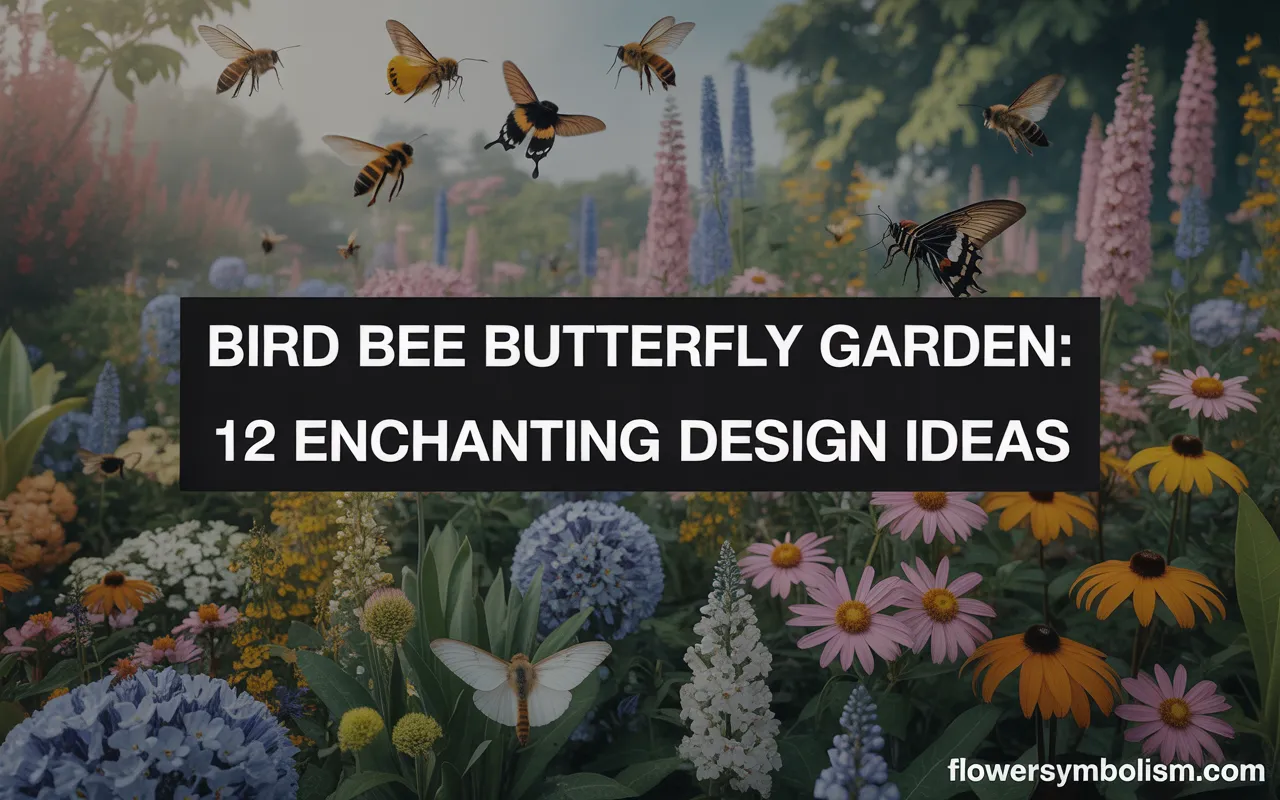
Imagine stepping into your backyard to the sound of cheerful birdsong, the gentle hum of bees, and the sight of colorful butterflies flitting from flower to flower.
Creating a space that welcomes all these creatures is a beautiful way to bring your garden to life.
A thoughtful bird bee butterfly garden, also known as a wildlife or pollinator garden, supports local ecosystems and provides you with a stunning, dynamic outdoor sanctuary.
This guide is filled with 12 enchanting design ideas to help you create the perfect bird bee butterfly garden.
We will explore various themes, from lush cottage-style layouts to clever container gardens, ensuring there’s an idea for every space and skill level.
Whether you have a large yard or a small patio, you can create a haven for wildlife.
Let’s get started on designing a garden that is as beautiful for you as it is beneficial for your feathered and winged friends.
The Essentials of a Bird Bee Butterfly Garden
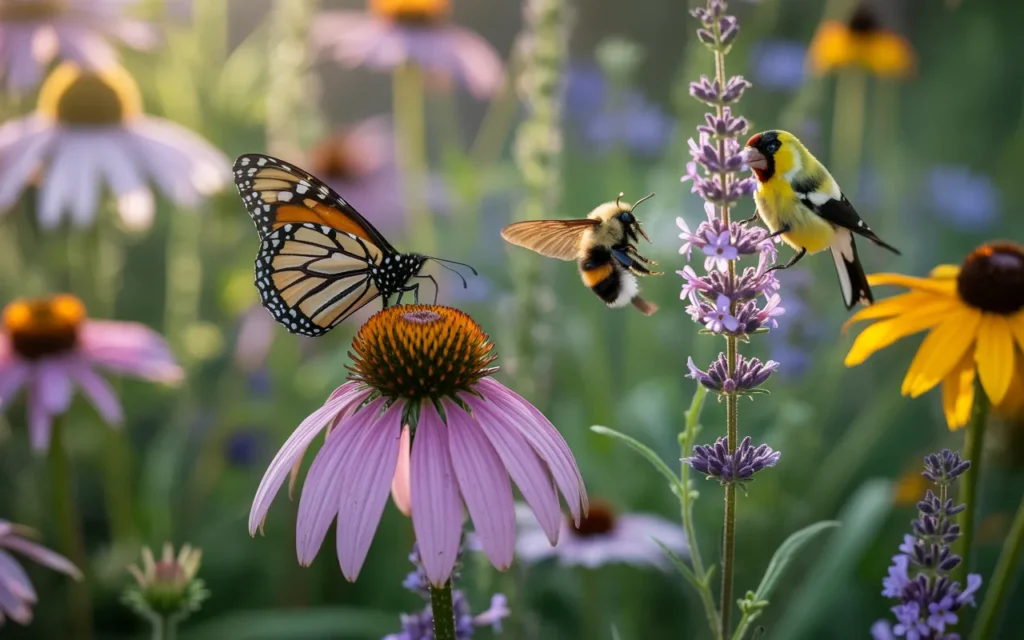
Before we dive into the specific ideas, let’s cover the fundamentals. A successful bird bee butterfly garden provides a complete habitat by focusing on four key elements: food, water, shelter, and places to raise young.
- Food: This means planting a variety of seed-bearing plants, berry bushes, and nectar-rich flowers. A continuous bloom from spring through fall is essential.
- Water: All wildlife needs water. A birdbath is a great start, but making it safe for insects is key. A shallow dish with pebbles works for bees and butterflies.
- Shelter: Dense shrubs, evergreen trees, and even a simple brush pile offer protection from predators and harsh weather.
- Nesting Sites: This includes host plants for butterfly caterpillars (like milkweed for Monarchs), nesting boxes for birds, and patches of bare soil or hollow stems for native bees.
With these principles in mind, let’s explore some breathtaking ideas for your own bird bee butterfly garden.
1. The Classic Cottage Garden
The cottage garden, with its dense and informal planting style, is a natural fit for a bird bee butterfly garden.
This design embraces an abundant, slightly untamed look, with flowers of different heights and textures packed together. This creates a rich, multi-layered habitat that all kinds of wildlife find irresistible.
Instead of neat rows, plant in large, overlapping drifts. Use tall, seed-producing flowers like sunflowers and coneflowers for birds.
Intersperse them with nectar-rich plants like phlox and salvia for bees and butterflies.
To sketch out your design and keep track of plant varieties, a durable notebook like the {Rite in the Rain Weatherproof Top-Spiral Notebook} is perfect for outdoor planning.
2. The Native Plant Sanctuary
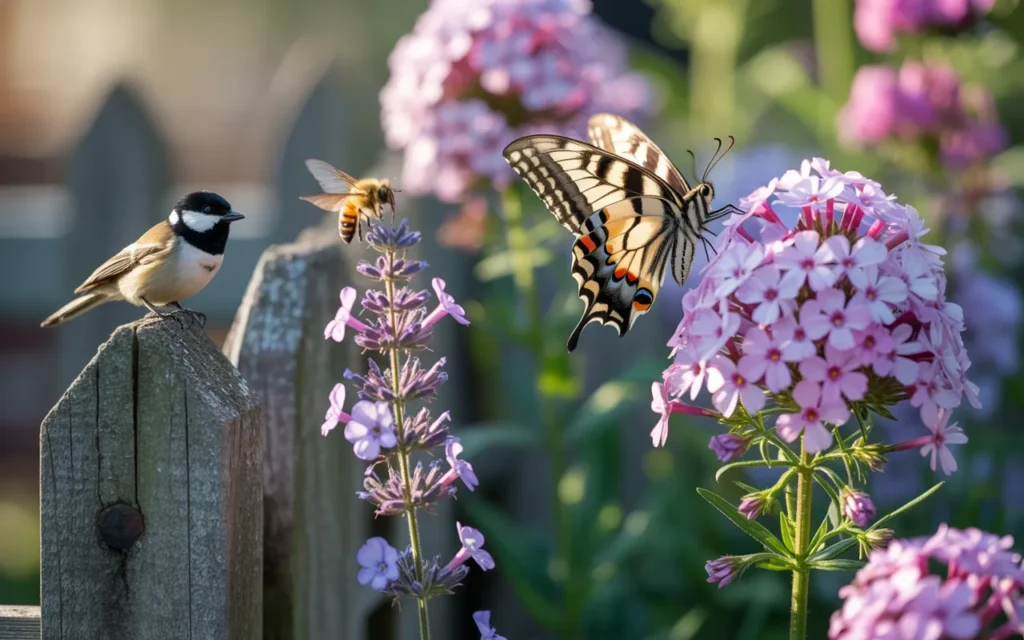
Creating a garden using only plants native to your region is one of the most effective and sustainable ideas. Native plants are adapted to your local climate and soil, and they have co-evolved with local wildlife, providing the perfect food and shelter.
Research which plants are native to your area. This might include Purple Coneflower and Bee Balm for pollinators, and berry-producing shrubs like Serviceberry or Dogwood for birds. This approach creates a self-sufficient ecosystem that requires less water and maintenance.
3. The Culinary Garden for All
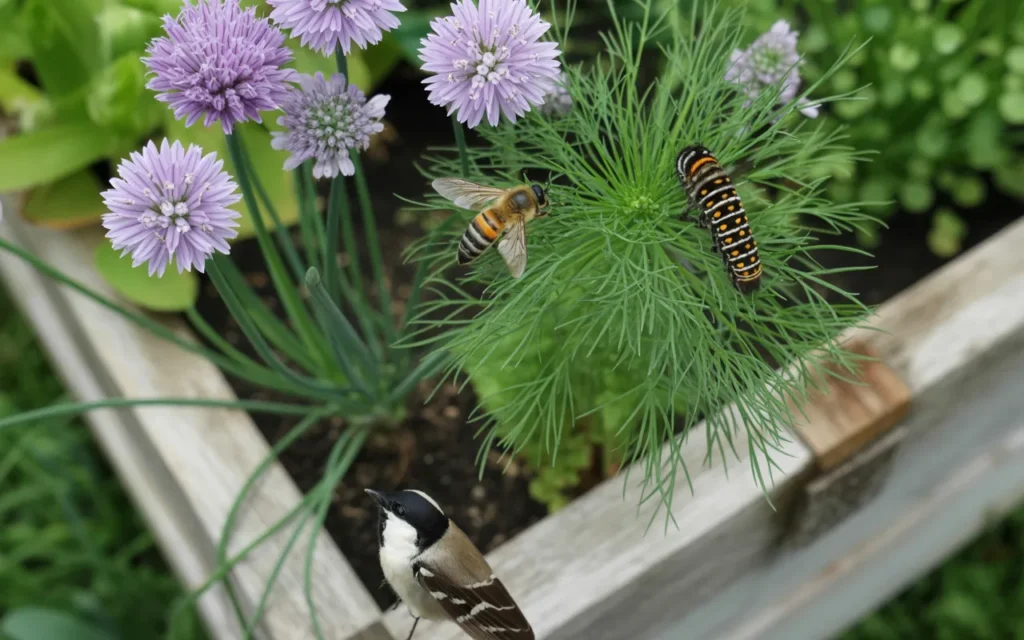
Many of the herbs and vegetables we grow are also huge favorites of wildlife. A culinary garden is a practical and beautiful choice, offering fresh food for your kitchen while providing a feast for your visitors.
Let herbs like oregano, thyme, and basil go to flower for the bees. Plant dill and fennel as host plants for Black Swallowtail caterpillars.
Sunflowers are a classic choice, offering nectar for bees and then seeds for birds in the fall. A sturdy pair of {Cooljob Gardening Gloves for Women and Men} will protect your hands while you plant and harvest.
4. The Layered Woodland Edge Garden
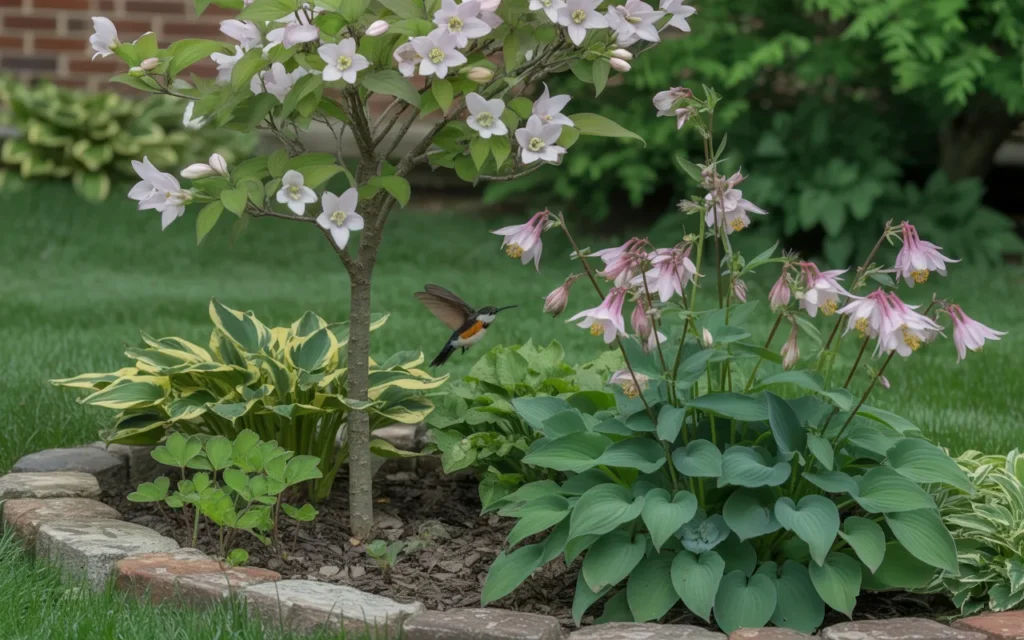
If you have a shady or partly shaded yard, you can mimic the edge of a woodland. This bird bee butterfly garden design uses layers to create a rich habitat.
- Canopy Layer: Start with a small native tree like a Dogwood or Redbud.
- Understory Layer: Add shrubs like viburnum or elderberry for bird nesting and berries.
- Herbaceous Layer: Plant shade-tolerant, flowering perennials like coral bells, foamflower, and columbine for hummingbirds and early emerging bees.
This layered approach provides food and shelter at all levels, making it a true wildlife haven.
5. The Patio or Balcony Oasis
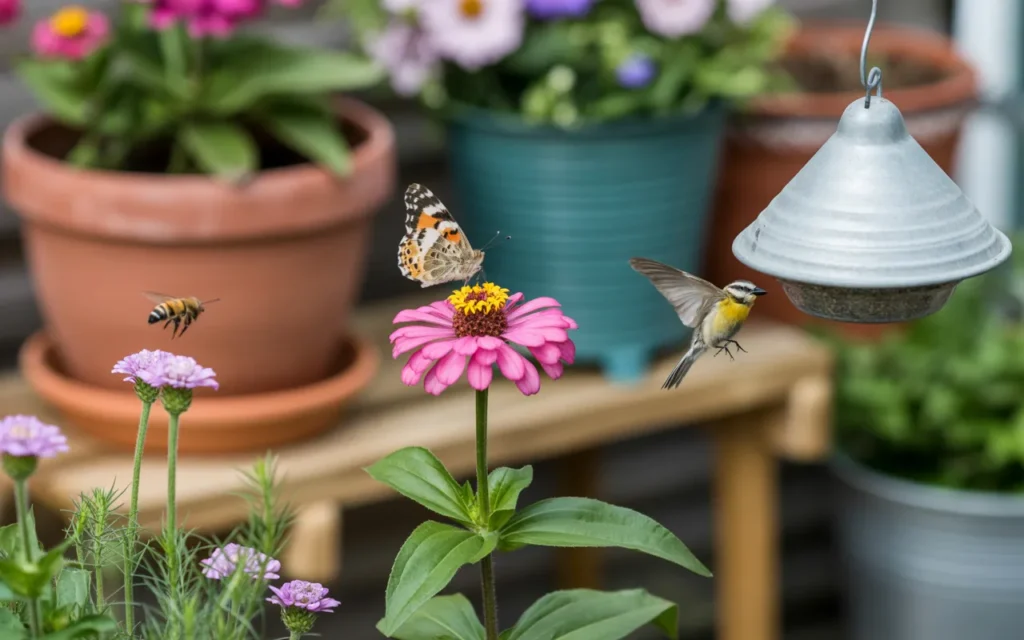
You don’t need a large yard to create a bird bee butterfly garden. A well-planned container garden can be a vital oasis for urban wildlife.
Use a variety of pot sizes to create a lush, layered look. Plant compact shrubs like a dwarf butterfly bush, and fill other pots with nectar-rich annuals like lantana, verbena, and petunias.
Include a hanging basket with fuchsias for hummingbirds and a small dish with pebbles for a water source. Using a premium potting mix like {FoxFarm Ocean Forest Potting Soil} will provide the rich nutrients your container plants need to thrive.
6. The Four-Season Interest Garden
A great bird bee butterfly garden provides resources year-round. This design focuses on plants that offer food and shelter through all four seasons.
- Spring: Early blooming bulbs like crocuses and perennials like creeping phlox.
- Summer: A riot of color from coneflowers, bee balm, and milkweed.
- Fall: Asters, goldenrods, and sedum provide late-season nectar. Berries ripen on shrubs.
- Winter: Leave seed heads on plants like coneflower and Black-Eyed Susan for birds. Evergreen shrubs provide crucial shelter.
This approach ensures your garden is always full of life.

7. The Water-Wise Garden
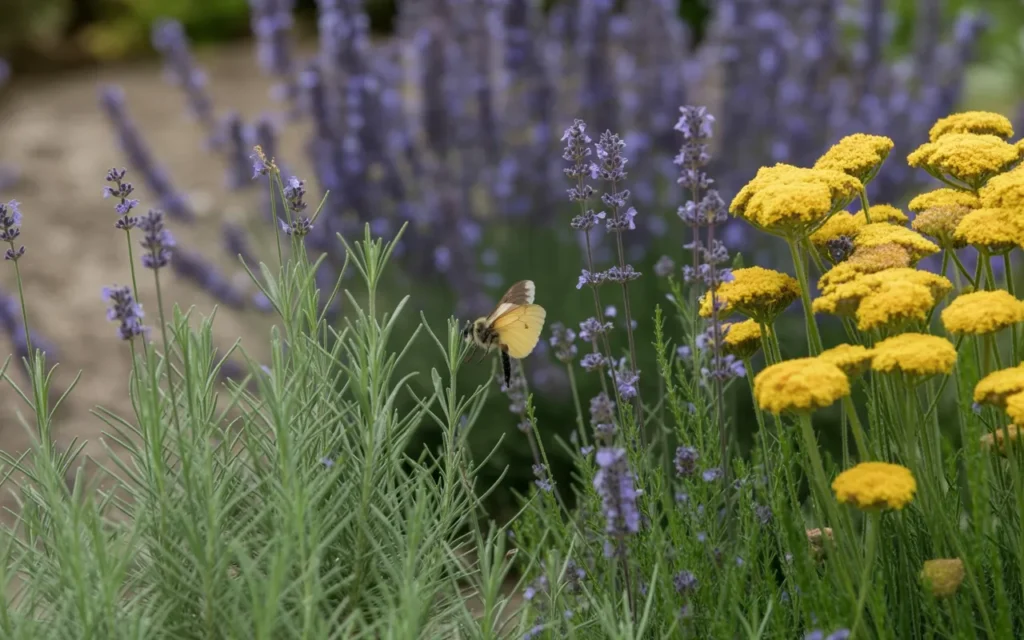
You can create a stunning wildlife habitat even in a dry climate. A water-wise, or xeriscape, bird bee butterfly garden focuses on drought-tolerant plants.
Choose plants like lavender, salvia, yarrow, and agave. These plants have deep roots and require less water once established, but their flowers are still rich in nectar. Birds are also attracted to the insects that these plants support.
A soaker hose, like the {Rocky Mountain Goods Soaker Hose}, is an efficient way to water deeply and infrequently, encouraging strong root growth.
8. A Garden with Multiple Water Features
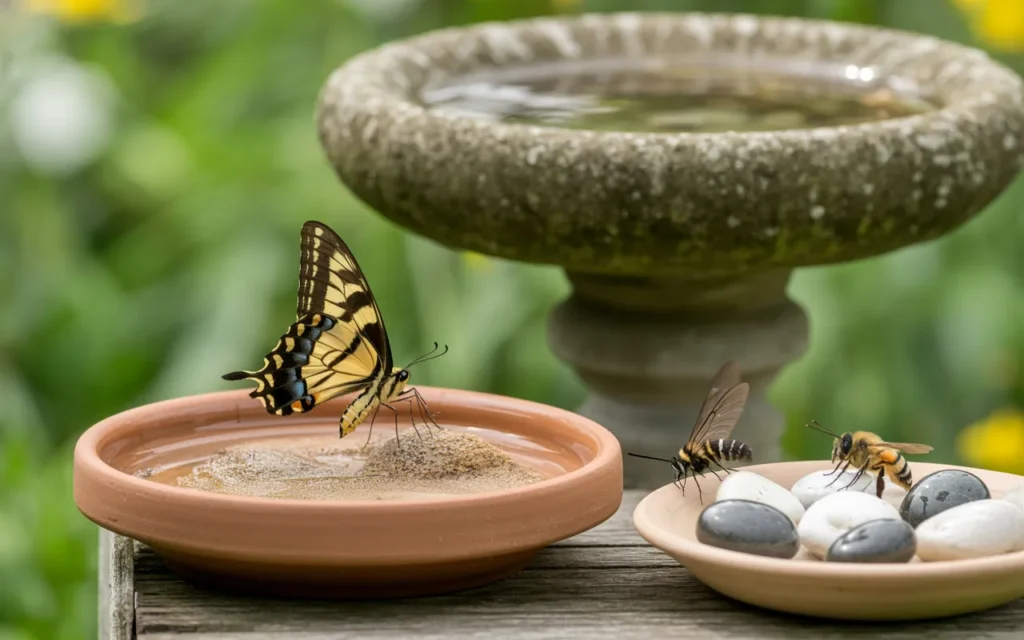
Water is life. The best wildlife gardens offer water in several ways. This design incorporates multiple water sources to attract a wider range of creatures.
- Birdbath: A classic pedestal birdbath for larger birds.
- Puddling Station: A shallow dish filled with sand and kept moist for butterflies to absorb minerals.
- Bee Bath: A tiny, shallow saucer with pebbles or marbles for bees to drink safely.
Placing these at different locations in your garden will create a busy and hydrated habitat.
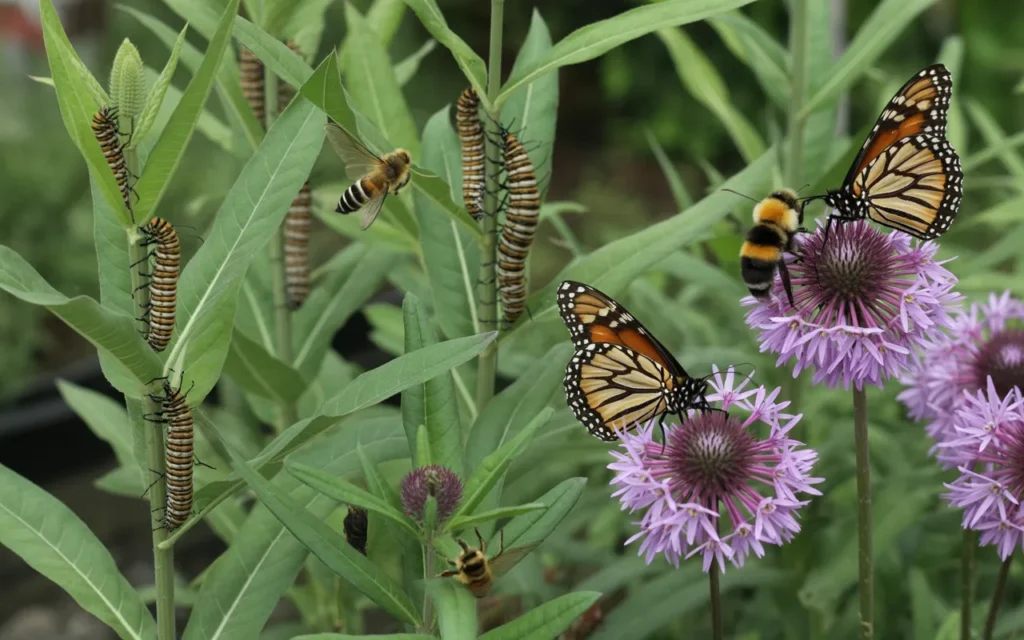
9. The Dedicated Monarch Waystation
Support the incredible Monarch butterfly by creating a certified Monarch Waystation. This specific bird bee butterfly garden design provides everything Monarchs need to thrive.
Plant at least two types of milkweed, which is the only host plant for their caterpillars. For nectar, include flowers that bloom during their migration seasons, like blazing star (Liatris) in the summer and asters in the fall.
Bees also love these nectar plants, and birds will appreciate the abundance of caterpillars and other insects.
When pruning your milkweed, a sharp tool like the {Fiskars Bypass Pruning Shears} makes clean cuts.
10. The Edible Flower and Berry Patch
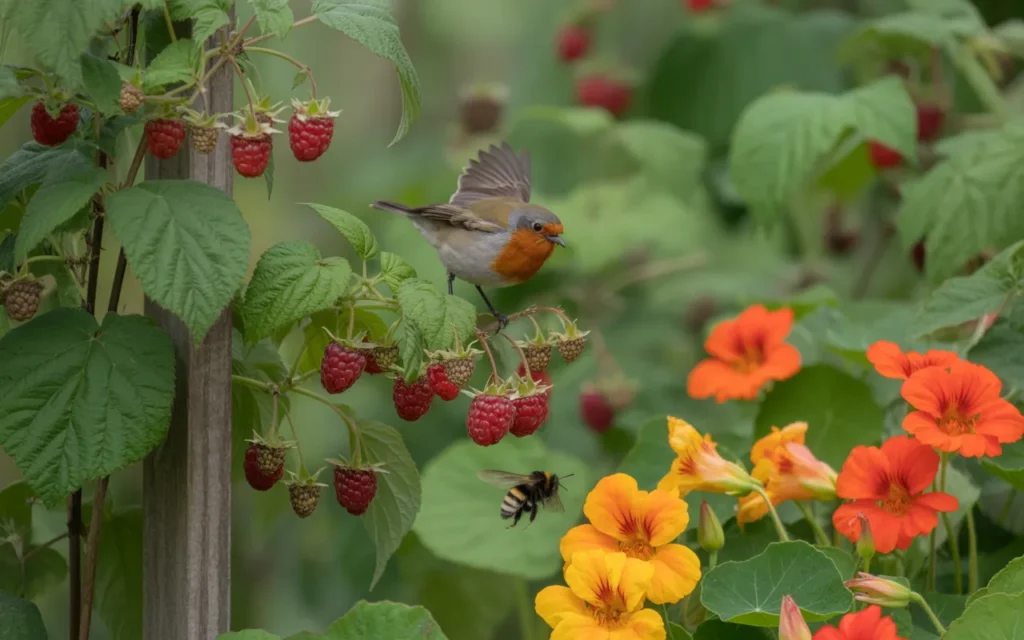
Create a garden that’s a feast for you and your wildlife visitors. This design mixes edible flowers, berries, and fruits that everyone can share.
Plant raspberries, blueberries, or strawberries; you can protect some for yourself with netting and leave the rest for the birds. Intersperse them with edible flowers like nasturtiums, borage, and calendula, which are loved by bees. It’s a wonderfully interactive and delicious way to garden.
11. The Vertical Garden Wall
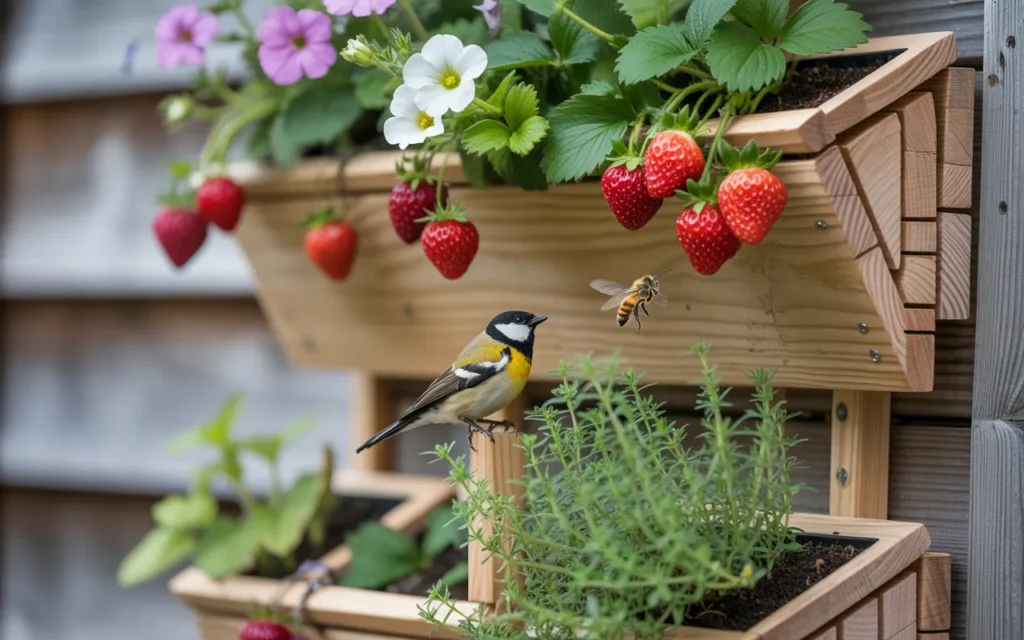
Maximize your growing space with a vertical garden. This is a perfect solution for small yards or balconies, creating a living wall of food and shelter.
Use a trellis to grow native honeysuckle or passionflower vines, which are great for hummingbirds and as host plants.
Attach pots or use a planter with pockets to grow a variety of bee-friendly annuals and herbs. This “high-rise” habitat is an efficient and beautiful way to attract wildlife.
12. The “Messy” Corner and Brush Pile
One of the most important features of a bird bee butterfly garden isn’t a plant at all—it’s a bit of wildness. Dedicate a small, out-of-the-way corner of your yard to be a little messy.
Create a small brush pile with fallen branches and twigs. This provides excellent shelter for birds and overwintering insects. Leave a patch of sunny, bare soil for ground-nesting bees.
Allowing some leaves to remain on the ground also offers habitat for countless beneficial creatures.

Product Recommendations for Your Wildlife Garden
Here is a quick summary of the helpful tools and products mentioned to help you bring your garden ideas to life.
| Product Name | Brand | Use in the Garden |
|---|---|---|
| Weatherproof Top-Spiral Notebook | Rite in the Rain | Plan your garden layout and take notes, even in damp conditions. |
| Gardening Gloves for Women and Men | Cooljob | Protect hands from dirt, thorns, and scratches while planting. |
| Ocean Forest Potting Soil | FoxFarm | Enriches container gardens with nutrients for lush growth and more blooms. |
| Soaker Hose | Rocky Mountain Goods | Provides deep, efficient watering for water-wise gardens. |
| Bypass Pruning Shears | Fiskars | Make clean, precise cuts for pruning and maintaining plant health. |
Your Enchanting Wildlife Sanctuary Awaits
Starting a bird bee butterfly garden is a journey of immense joy and discovery. By trying even one or two of these ideas, you can make a real, positive difference for your local wildlife.
The best garden is one that you love and that evolves over time. Start small, see which creatures visit, and add more of the plants they are drawn to.
Don’t be afraid to let your bird bee butterfly garden be a little wild. Your reward will be a vibrant, dynamic space full of life, sound, and beauty.
You are not just helping wildlife; you are creating a peaceful, magical sanctuary for yourself to enjoy. So, pick an idea, grab your tools, and start planting.
