There’s a special kind of magic in the fragrance of a flower. A single deep breath can transport you to a cherished memory, soothe a troubled mind, or simply fill a moment with pure, simple joy.
While all flowers are beautiful, some are blessed with scents so captivating they can transform a garden, a room, or even your entire mood. These are the best smelling flowers, nature’s own perfumery.
Choosing fragrant flowers for your garden or home is about creating an experience. It’s about designing a space that engages all the senses.
Imagine walking out onto your patio on a warm summer evening and being greeted by the sweet perfume of jasmine, or having the spicy-sweet scent of hyacinths drift through your window on a cool spring morning.
This guide is a celebration of those breathtakingly fragrant blooms. We will journey through a list of 12 of the best smelling flowers you can grow.
From the classic romance of roses to the exotic allure of gardenias, you’ll discover which ones are right for your space and how to care for them.
Let’s explore these aromatic treasures and find the perfect scent to enchant your world.
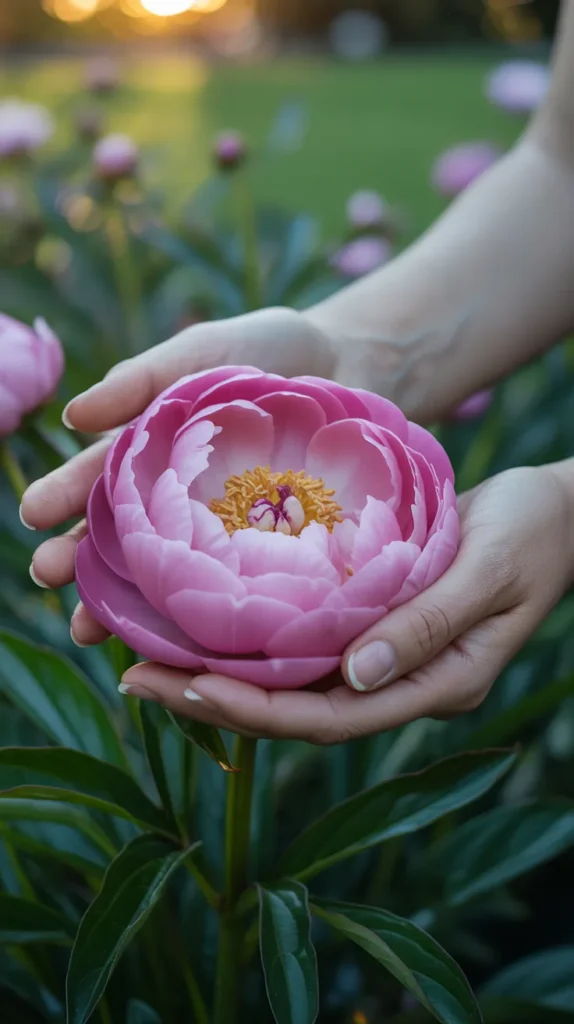
1. Rose (Rosa)
No list of the best smelling flowers would be complete without the queen of the garden: the rose. With thousands of varieties, the scents are incredibly diverse, ranging from sweet and fruity to spicy and musky. A rose’s fragrance can change with the time of day, the temperature, and even its age.
For the most intense fragrance, look for old garden roses or modern English roses bred specifically for their scent, such as ‘Gertrude Jekyll’ or ‘Graham Thomas’.
The classic rose scent is a complex blend of floral, fruity, and sometimes tea-like notes that is both romantic and comforting. A single blooming rose bush can perfume an entire corner of your garden.
Growing roses can be an incredibly rewarding hobby. They thrive in full sun and well-drained soil. To keep them healthy and blooming, regular feeding is key.
Using a specialized fertilizer like {Miracle-Gro Shake ‘n Feed Rose & Bloom Plant Food} will provide the essential nutrients for lush growth and fragrant flowers.
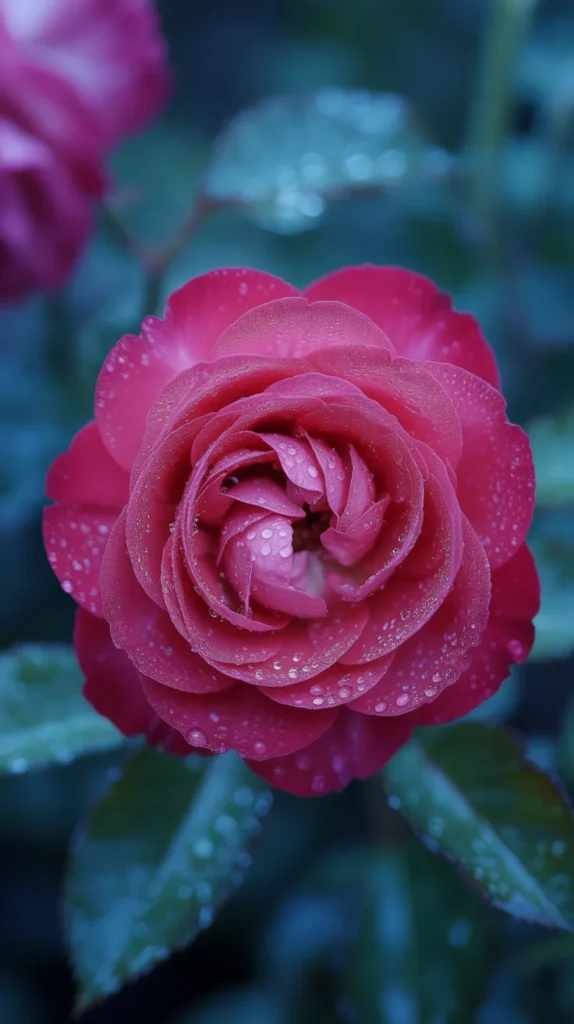
2. Gardenia (Gardenia jasminoides)
The fragrance of a gardenia is unforgettable. It’s a creamy, rich, and intoxicating scent that is the very essence of a warm summer evening in the south.
These beautiful shrubs produce waxy, white flowers that stand out against their glossy, dark green leaves. A single gardenia bloom is potent enough to fill an entire room with its perfume.
Gardenias can be a bit particular about their care, preferring acidic soil, high humidity, and consistent moisture. They are worth the effort, though. Planting one near a patio or window ensures you can enjoy its heavenly scent whenever you are near.
In cooler climates, gardenias can be grown in pots and brought indoors for the winter. To help maintain the acidic soil they love, it’s helpful to use a specific acid-loving plant food. When potting, a high-quality mix like the {FoxFarm Ocean Forest Potting Soil} provides an excellent, nutrient-rich base for these stunning plants to thrive.
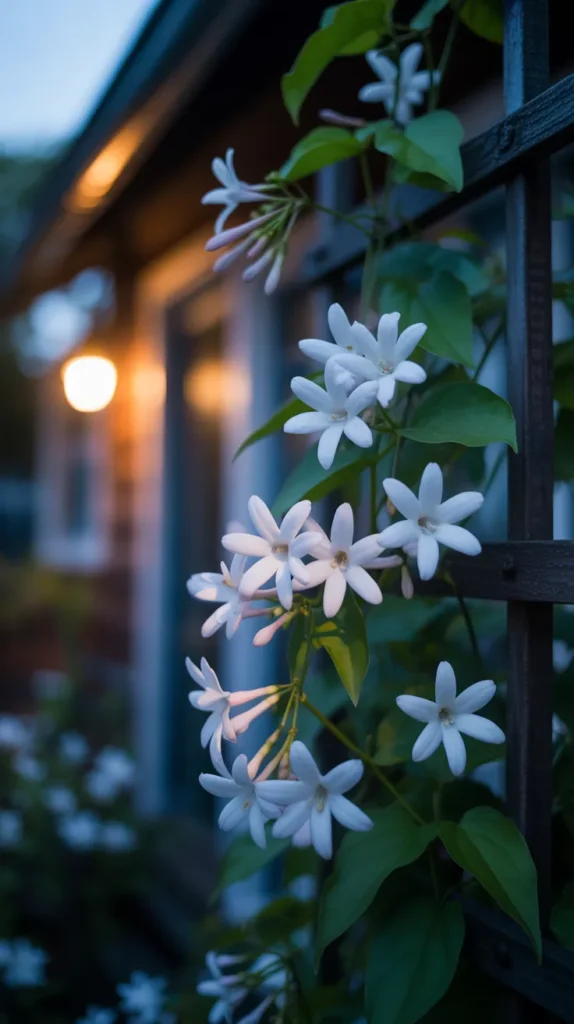
3. Jasmine (Jasminum)
Jasmine is synonymous with sweet, exotic perfume, especially at night. There are many types of jasmine, but the most fragrant are often the vining varieties like Jasminum polyanthum or Jasminum officinale. Their tiny, star-shaped flowers release a powerful, sweet scent that can travel far on a warm breeze.
These vigorous vines are perfect for covering a trellis, arbor, or fence, creating a living wall of fragrance. The scent is often described as heady and romantic, and it’s a popular note in many famous perfumes. A jasmine vine in bloom is a truly multisensory experience.
Jasmine loves sun and well-drained soil. For those in colder zones, some varieties can be grown in containers and enjoyed indoors during the winter.
To support their climbing habit, you’ll need a sturdy structure. A simple and elegant support like the {Panacea Products Garden Obelisk} is perfect for training a jasmine vine in a pot or garden bed.
4. Lilac (Syringa vulgaris)
The scent of lilac is the scent of spring. These hardy, deciduous shrubs burst into bloom with large clusters of flowers in shades of purple, pink, and white. Their fragrance is sweet, fresh, and slightly powdery, and it has a nostalgic quality that reminds many people of their childhood gardens.
A single lilac bush can grow quite large and will produce a profusion of blooms for a few glorious weeks each year.
The best way to enjoy their scent is to plant them where the breeze can carry it towards your home, or to cut a few stems and bring them indoors. A vase of fresh lilacs is a simple luxury that signals the true arrival of spring.
Lilacs are relatively easy to grow, preferring full sun and neutral to alkaline soil. Pruning is important to maintain their shape and encourage good flower production. A sharp, reliable pair of pruning shears, like the {Fiskars Steel Bypass Pruning Shears}, is an essential tool for any lilac owner.

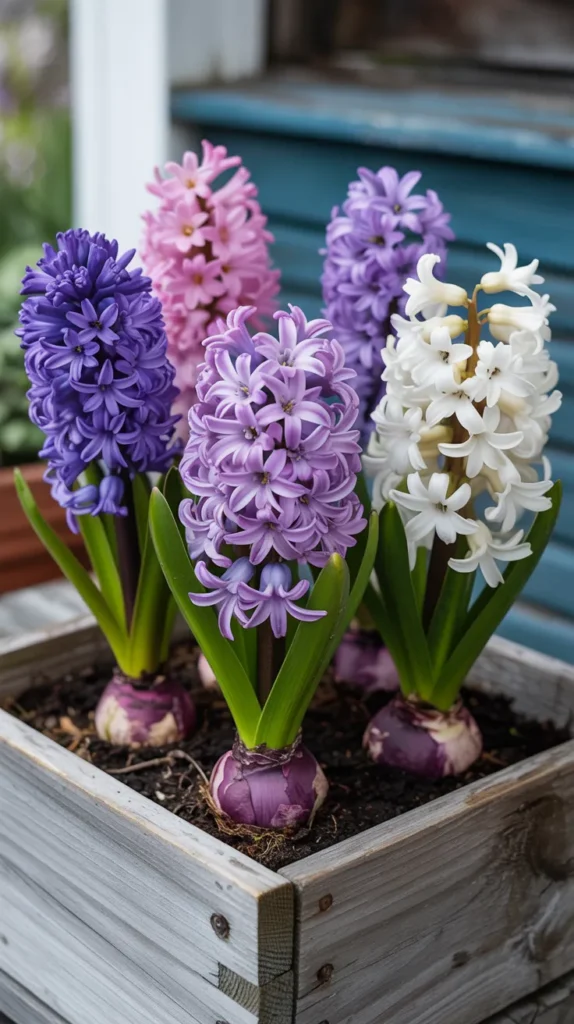
5. Hyacinth (Hyacinthus orientalis)
For a powerful punch of spring fragrance in a small package, look no further than the hyacinth. These spring-flowering bulbs produce dense spikes of star-shaped flowers with an intensely sweet, spicy, and almost overpowering perfume. They come in a rainbow of colors, from deep indigo to soft pink and pure white.
Hyacinths are among the best smelling flowers for small spaces. They are perfect for planting along walkways, in pots on a patio, or for forcing indoors during winter to bring a touch of spring to the darkest months. Their scent is so strong that just a few plants can perfume a large area.
To force hyacinths for indoor bloom, you need special “forcing” vases that hold the bulb just above the water. Using a set like the {ComSaf Glass Bulb Forcing Vases} makes it easy to watch the roots grow and enjoy the incredible fragrance up close.
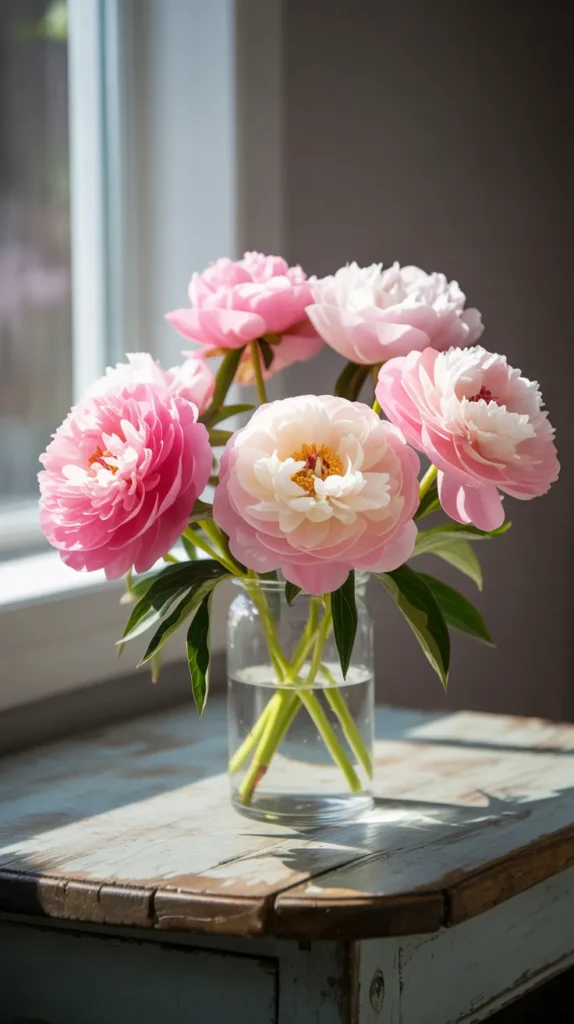
6. Peony (Paeonia)
Peonies are beloved for their huge, romantic, and often multi-petaled blooms. While not all peonies are fragrant, many varieties offer a divine scent that can be rosy, citrusy, or sweet.
Varieties like ‘Festiva Maxima’ (sweet and rosy) or ‘Hermione’ (strong, classic rose scent) are famed for their perfume.
These long-lived perennials are a garden investment that pays off for decades. They bloom in late spring and early summer, producing spectacular flowers that are perfect for cutting. A bouquet of fragrant peonies on a dining table is the epitome of garden luxury.
Peonies need full sun and well-drained soil. They are planted as bare-root tubers in the fall and require a period of cold winter to set their flower buds properly. The heavy blooms can sometimes cause the stems to flop over, so providing support with a grow-through grid, like the {Gardman Peony Support Ring}, is a good idea.
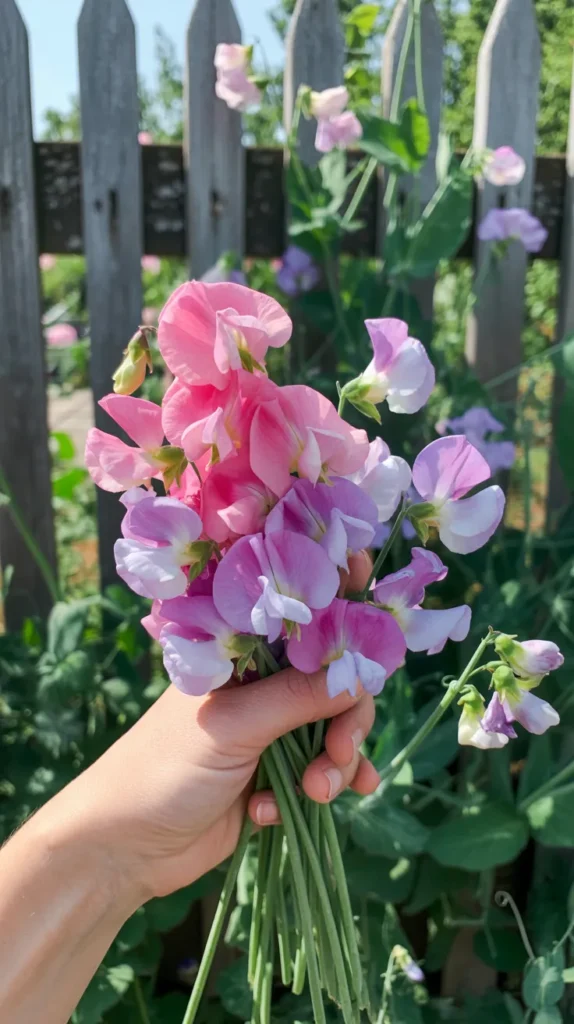
7. Sweet Pea (Lathyrus odoratus)
The name says it all. Sweet peas have a delicate, sweet fragrance that is unlike any other flower. It’s a light, fresh scent that has been compared to honey and orange blossoms. These charming annual climbing plants produce ruffled, butterfly-like flowers on long stems, making them one of the best smelling flowers for cutting.
The more you cut sweet peas, the more they bloom, so you can have a steady supply of small, fragrant bouquets for your home throughout their growing season. They are perfect for growing up a trellis, over an arch, or in a large container.
Sweet peas are cool-season flowers, best planted in early spring as soon as the soil can be worked. They need a sunny spot and a support to climb on.
To get a head start, you can sow seeds indoors a few weeks before the last frost. Using a quality seed starting mix like {Jiffy Natural & Organic Seed Starting Mix} will give your seedlings the best chance of success.
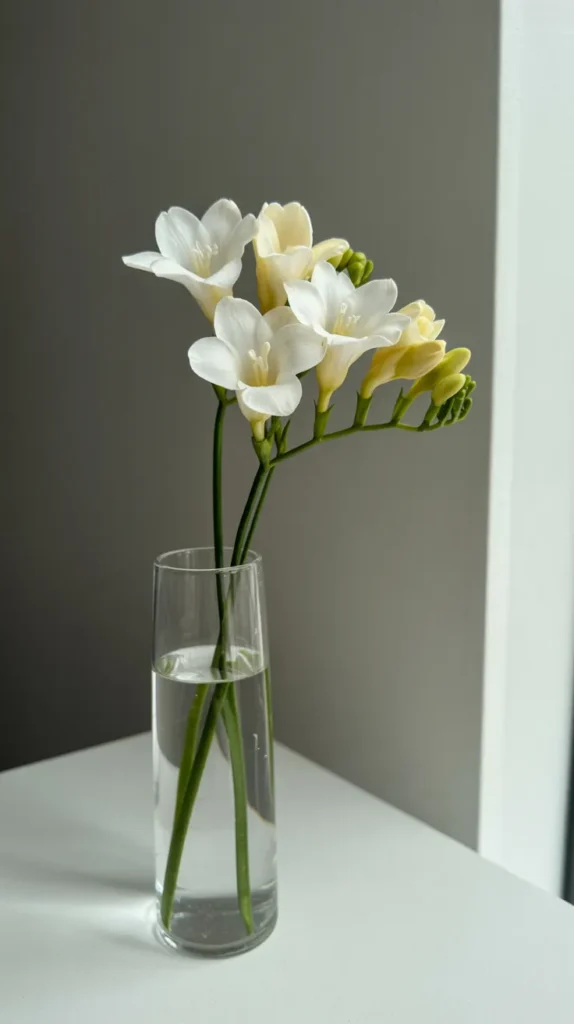
8. Freesia (Freesia)
Freesias offer a wonderfully fruity, almost zesty fragrance that is incredibly refreshing. These tender corms produce elegant, funnel-shaped flowers on wiry, arching stems. They come in a wide array of bright colors, but the white and yellow varieties are often considered the most fragrant.
Freesias are extremely popular with florists not only for their beauty and long vase life but also for their distinctive and powerful scent. A few stems in a vase can fill a room with their cheerful perfume. They represent innocence and friendship, making them a thoughtful gift.
In warmer climates (zones 9-10), freesias can be planted in the garden in the fall. In colder areas, they are best planted in the spring for summer blooms or grown in pots. They prefer full sun and well-drained soil.
9. Tuberose (Polianthes tuberosa)
Tuberose is a tropical powerhouse of fragrance. Known as “the fragrance of the night,” its tall spikes of waxy, white flowers release an intensely rich, sweet, and complex perfume after dusk. The scent is so powerful that it has been used in high-end perfumery for centuries. It’s a heady, sensual, and truly dramatic fragrance.
This is not a subtle flower. A single stalk of blooming tuberose can perfume an entire yard. If you are looking for a show-stopping scent for your summer garden, this is one of the best smelling flowers you can choose.
Tuberose grows from a bulb-like rhizome and loves heat and sun. They are typically planted in the spring after all danger of frost has passed. They are excellent in containers, which allows gardeners in colder zones to bring them indoors to a protected spot over winter.

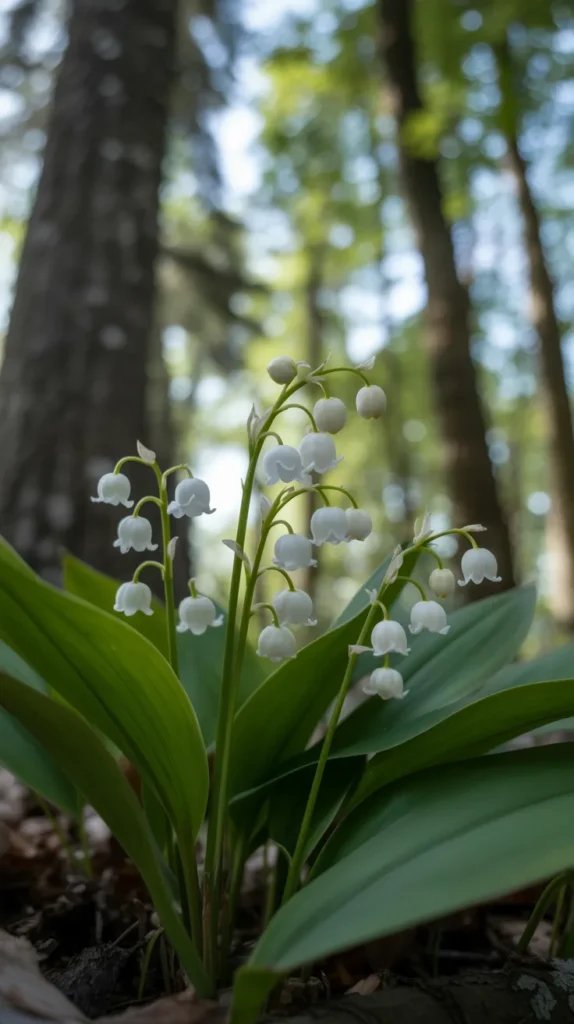
10. Lily of the Valley (Convallaria majalis)
Don’t let its small size fool you. Lily of the Valley packs an enormous fragrance into its tiny, bell-shaped white flowers. The scent is sweet, fresh, and clean, with green notes that are instantly recognizable. It is a classic spring fragrance that has been cherished for generations.
This low-growing perennial groundcover thrives in shady, moist areas where other plants might struggle. It spreads via underground rhizomes to form a lush carpet of green leaves, from which the delicate, arching flower stalks emerge in mid-spring.
Be aware that all parts of the Lily of the Valley plant are poisonous if ingested, so it’s best to plant it away from curious pets or children. Despite this, its enchanting fragrance makes it a beloved and one of the best smelling flowers for a shade garden.
11. Mock Orange (Philadelphus)
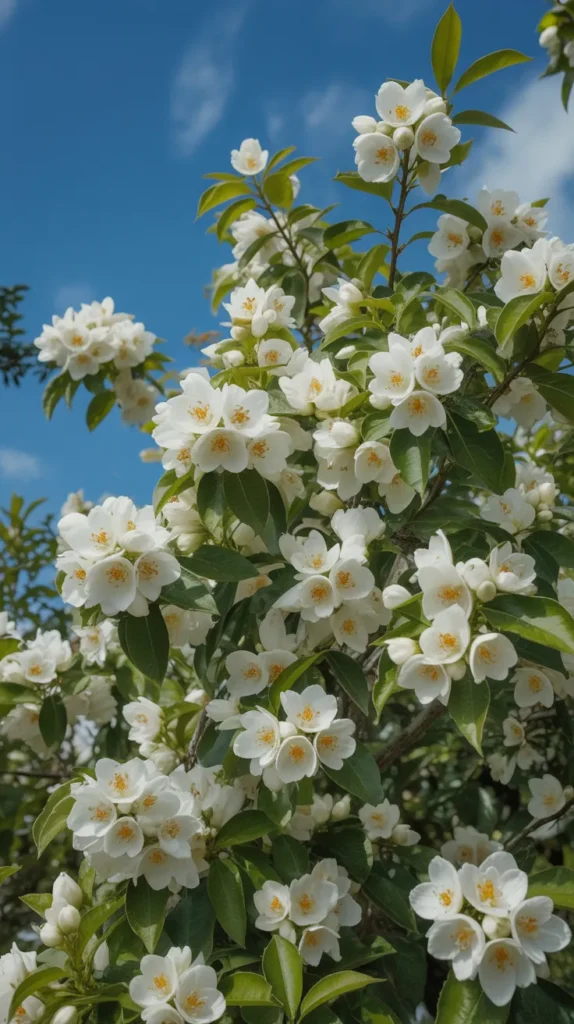
If you love the scent of orange blossoms but live in a climate that’s too cold for citrus trees, Mock Orange is the shrub for you. In late spring or early summer, these hardy deciduous shrubs are covered in simple, white flowers that exude a wonderfully sweet, citrusy fragrance that is very similar to orange blossoms.
The scent can fill the air on a warm day, attracting bees and butterflies. Mock Orange is a large, fast-growing shrub that works well as a background plant or as a fragrant, informal hedge. There are many varieties available, some more fragrant than others, so be sure to choose one known for its scent, like ‘Avalanche’ or ‘Virginal’.
Mock Orange is very easy to care for, tolerant of a wide range of soil types, and happy in full sun to light shade. It blooms on old wood, so any pruning should be done right after the flowering has finished.
12. Dianthus (Dianthus)
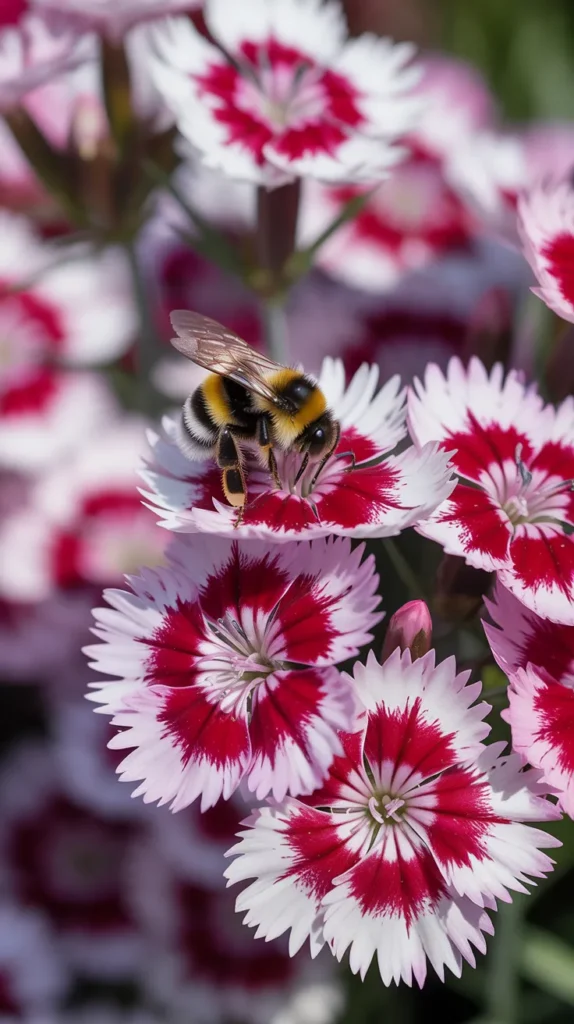
Dianthus, also known as Pinks, Carnations, or Sweet William, are charming flowers that often have a lovely, spicy-sweet fragrance reminiscent of cloves and cinnamon. The common name “Pinks” is thought to come from the serrated or “p-inked” edges of the petals, not necessarily the color.
These flowers come in a huge range of sizes and colors, from low-growing groundcovers to the tall-stemmed carnations used by florists. Many of the old-fashioned, heirloom varieties are particularly fragrant. They are excellent for rock gardens, border fronts, and containers.
Dianthus generally prefer full sun and well-drained, alkaline soil. They are tough, drought-tolerant plants once established. Their long blooming season and delightful fragrance make them a wonderful and one of the best smelling flowers for adding continuous scent to the garden.
Recommended Products for Your Fragrant Garden
To help you grow these beautiful and fragrant blooms, here are some essential tools and products for your gardening journey.
| Product Name | Brand | Why We Recommend It |
|---|---|---|
| {Miracle-Gro Shake ‘n Feed Rose & Bloom Plant Food} | Miracle-Gro | Provides the right nutrients to encourage abundant, fragrant blooms on roses and other flowering plants. |
| {FoxFarm Ocean Forest Potting Soil} | FoxFarm | A premium, nutrient-rich potting mix perfect for container-grown plants like gardenias. |
| {Panacea Products Garden Obelisk} | Panacea Products | An elegant and sturdy support for training climbing flowers like jasmine and sweet peas. |
| {Fiskars Steel Bypass Pruning Shears} | Fiskars | A sharp, reliable tool essential for pruning shrubs like lilacs and roses to keep them healthy. |
| {ComSaf Glass Bulb Forcing Vases} | ComSaf | Perfect for forcing hyacinth bulbs indoors for a beautiful display and incredible winter fragrance. |
| {Gardman Peony Support Ring} | Gardman | Helps hold up the heavy, beautiful blooms of peonies, preventing them from flopping over. |
| {Jiffy Natural & Organic Seed Starting Mix} | Jiffy | A high-quality, fine-textured mix that gives seeds like sweet peas the best possible start. |
Conclusion
Filling your garden and home with the best smelling flowers is a simple and profound way to enhance your daily life.
Fragrance adds a hidden dimension of beauty to a space, creating memories and lifting spirits in a way that sight alone cannot. From the romantic scent of a rose to the cheerful perfume of a freesia, there is a perfect fragrant flower for every person and every garden.
We encourage you to explore the world of scented plants. Start with one or two from this list and discover the joy of nurturing a plant that gives back with such an enchanting reward. Let your nose be your guide, and create a personal sanctuary that delights all your senses. The magic of a fragrant garden is waiting for you.
