There’s a special kind of magic in a garden that hums with the gentle sound of bees. Creating a space that welcomes these vital pollinators is not only a gift to your local ecosystem but also a way to fill your yard with vibrant color and life.
A thoughtful bee garden design layout can turn any patch of earth, large or small, into a breathtaking paradise for pollinators.
This guide is filled with 12 stunning ideas to help you craft the perfect bee garden design layout.
We will explore different themes, plant arrangements, and simple strategies to attract and support bees all season long.
Whether you have a sprawling backyard or just a tiny balcony, there’s an idea here for you. Let’s get started on designing a garden that is as beautiful as it is beneficial.
Getting Started with Your Bee Garden Design Layout
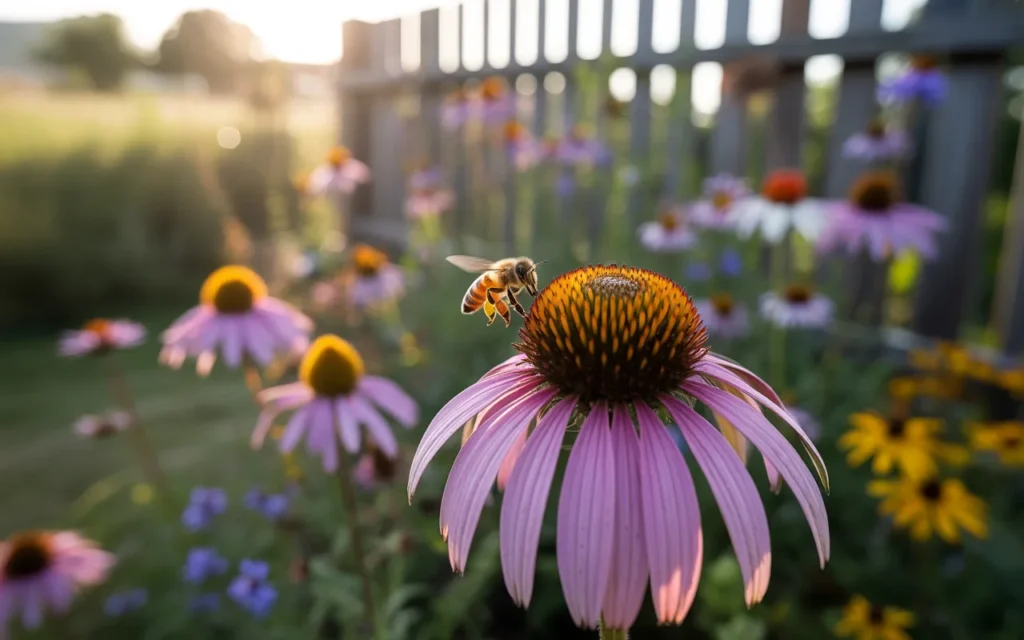
Before we dive into the specific ideas, let’s cover the fundamentals. A successful bee garden design layout always incorporates three key elements: providing food, offering a water source, and ensuring a safe habitat.
- Continuous Food Source: Plant a wide variety of flowers that bloom from early spring to late fall. This ensures a constant supply of nectar and pollen for different types of bees.
- Safe Water Source: Bees need water to drink and cool their hives. A shallow dish with pebbles or marbles for them to land on creates a perfect, safe bee bath.
- Shelter from the Elements: Leaving some areas of your garden a little untamed, like a small pile of hollow stems or a patch of bare, sunny soil, provides crucial nesting sites for solitary bee species.
With these basics in mind, let’s explore some creative and enchanting ideas for your own bee garden design layout.
1. The Classic Cottage Garden Layout
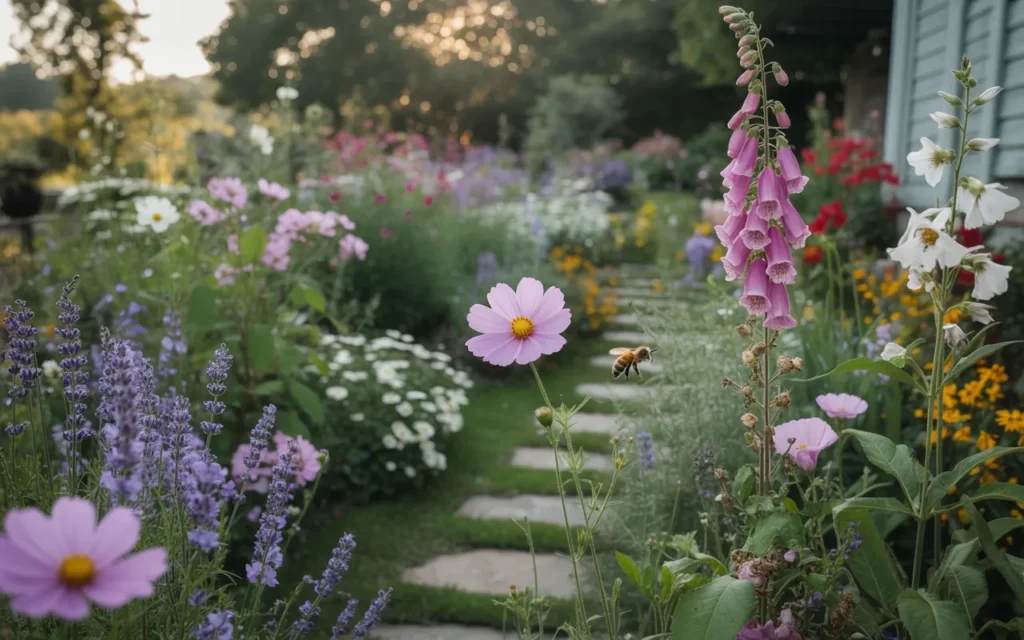
Imagine a charming, informal garden overflowing with a mix of flowers, herbs, and textures. That’s the essence of a cottage garden, a style that is naturally perfect for bees.
This bee garden design layout embraces a slightly wild, abundant look that pollinators find irresistible.
For this layout, focus on planting in dense, overlapping drifts rather than single, neat rows. Mix tall flowers like foxgloves and delphiniums at the back with mid-height plants like lavender and salvia in the middle.
Fill the front with low-growing flowers like creeping thyme and sweet alyssum. To keep your tools organized while you work, a sturdy carrier like the {Fiskars Garden Bucket Caddy} fits around a standard bucket and has pockets for all your essentials.
2. A Sunny Wildflower Meadow Plan
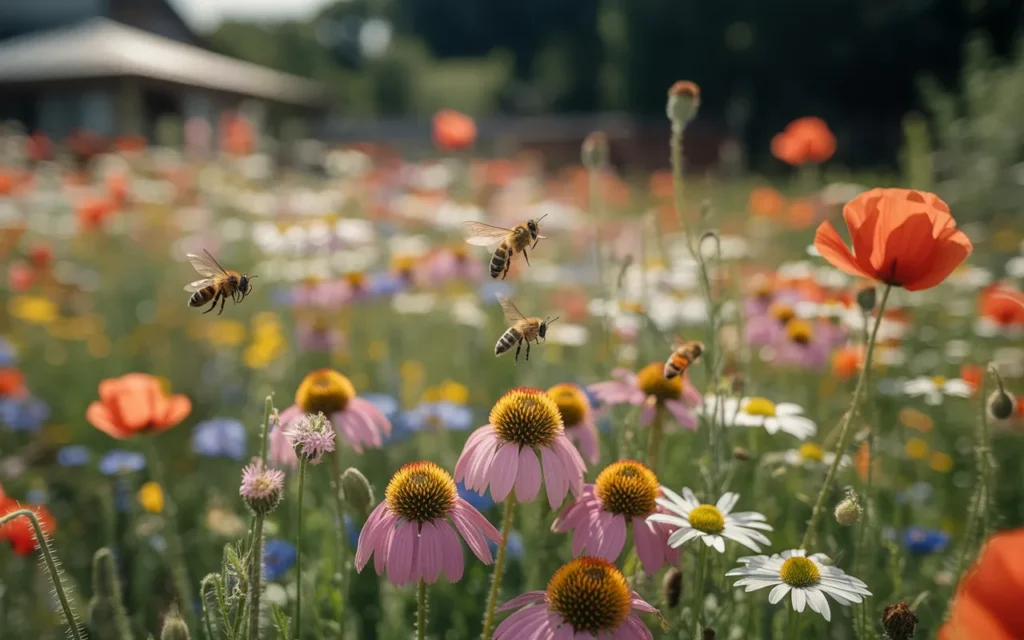
If you have a sunny spot, why not dedicate it to a mini wildflower meadow? This bee garden design layout is wonderfully low-maintenance and incredibly effective at attracting a wide range of native pollinators. A mix of annual and perennial wildflowers will provide a succession of blooms throughout the seasons.
Choose a quality seed mix specifically formulated for your region to ensure the plants will thrive. Popular choices include Black-Eyed Susans, poppies, coneflowers, and clover.
To prepare the area, simply clear it of existing grass and weeds, lightly rake the soil, and scatter the seeds.
Water them gently with a fine-spray nozzle, like the one included with the {Flexzilla Garden Hose}, to avoid washing the seeds away.
3. The Culinary Herb Garden Spiral
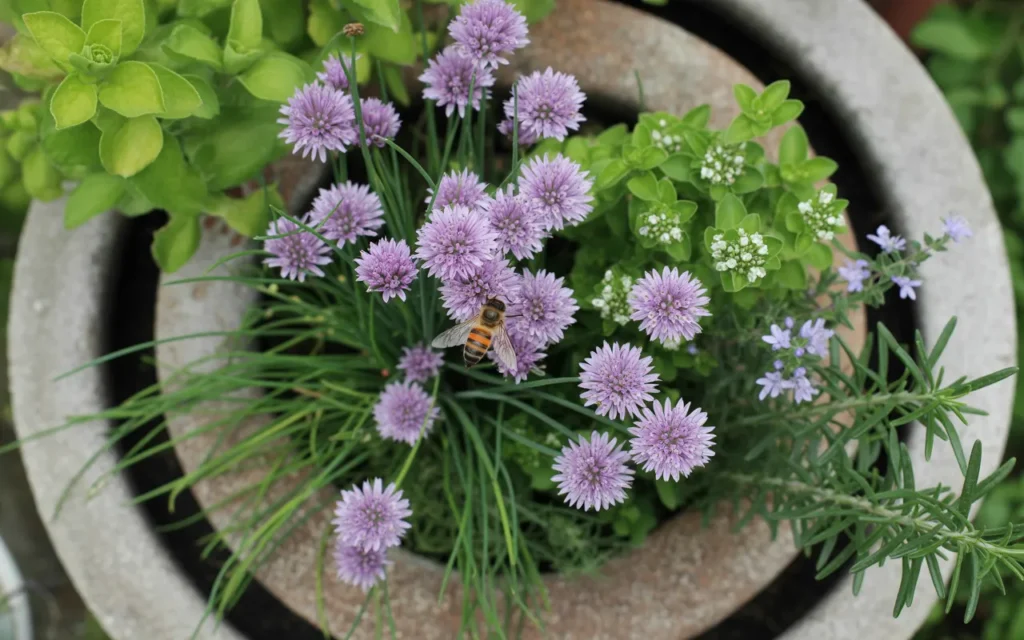
Many of the herbs we love to cook with are also huge favorites of bees. A culinary herb garden is both practical and beautiful, and an herb spiral is a particularly clever bee garden design layout. It maximizes space and creates different microclimates for a variety of herbs.
To build one, create a spiral shape with rocks or bricks and fill it with soil.
Plant sun-loving herbs like rosemary and thyme at the top where the soil is drier, and moisture-loving herbs like mint (in a pot!) at the bottom. Be sure to let plants like oregano, chives, and basil go to flower—they are bee magnets.
4. A Monochromatic Garden Layout
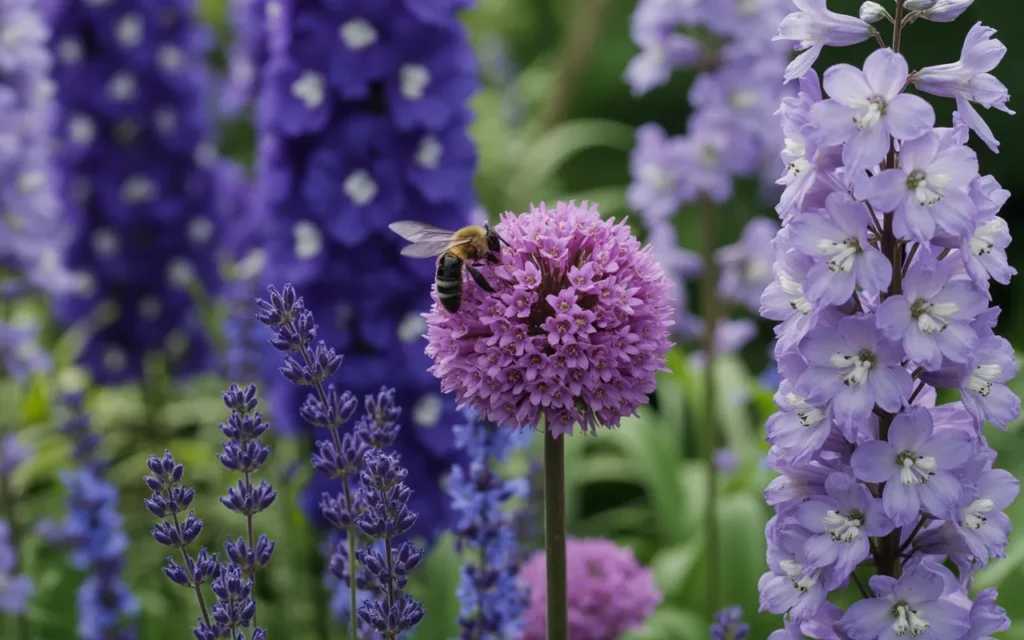
For a modern and visually striking bee garden, try a monochromatic theme. Planting flowers in shades of a single color, like purple, blue, or yellow, creates a stunning impact. Bees are particularly attracted to shades of blue and purple, making this a very effective bee garden design layout.
For a purple-themed garden, combine plants like lavender, salvia, catmint, alliums, and asters. For a yellow theme, you could use sunflowers, goldenrod, coreopsis, and Black-Eyed Susans.
This focused approach allows you to play with different shapes, heights, and textures within one cohesive color palette.
5. The Balcony or Patio Container Garden
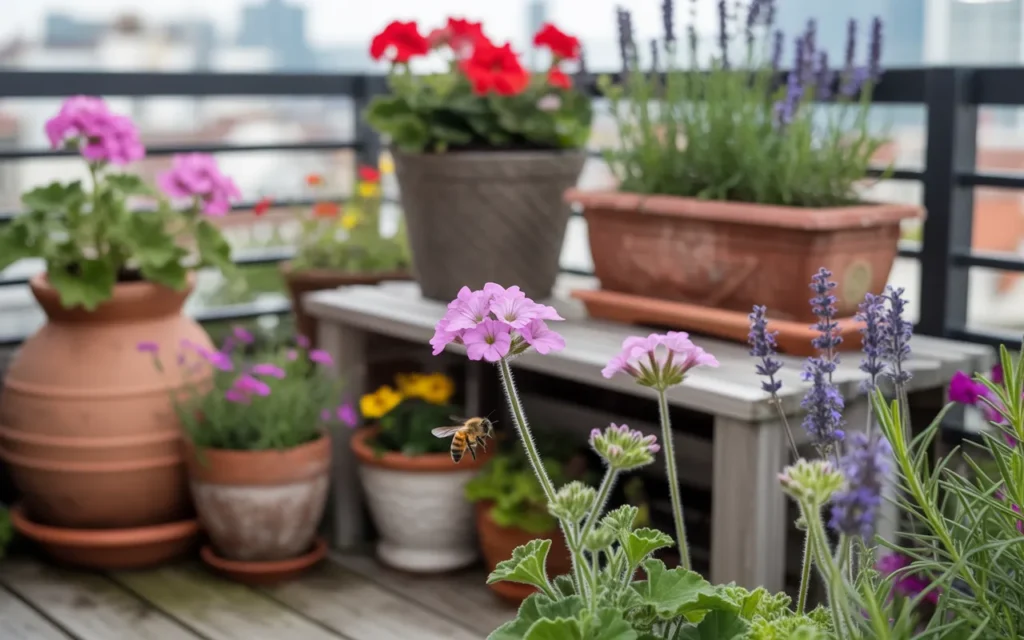
You don’t need a large yard to support bees! A well-thought-out bee garden design layout using containers on a balcony or patio can be a vital resource for urban pollinators. The key is to choose a variety of pots and plants to create a layered, lush effect.
Use a mix of thrillers (tall, dramatic plants), fillers (mounding plants), and spillers (trailing plants). A good combination for a sunny balcony could be a salvia as a thriller, petunias or verbena as fillers, and sweet alyssum as a spiller. Make sure your pots have good drainage.
Using a quality potting mix like {Miracle-Gro Potting Mix} will give your container plants the nutrients they need to produce plenty of blooms.
6. The Native Plant Garden Layout
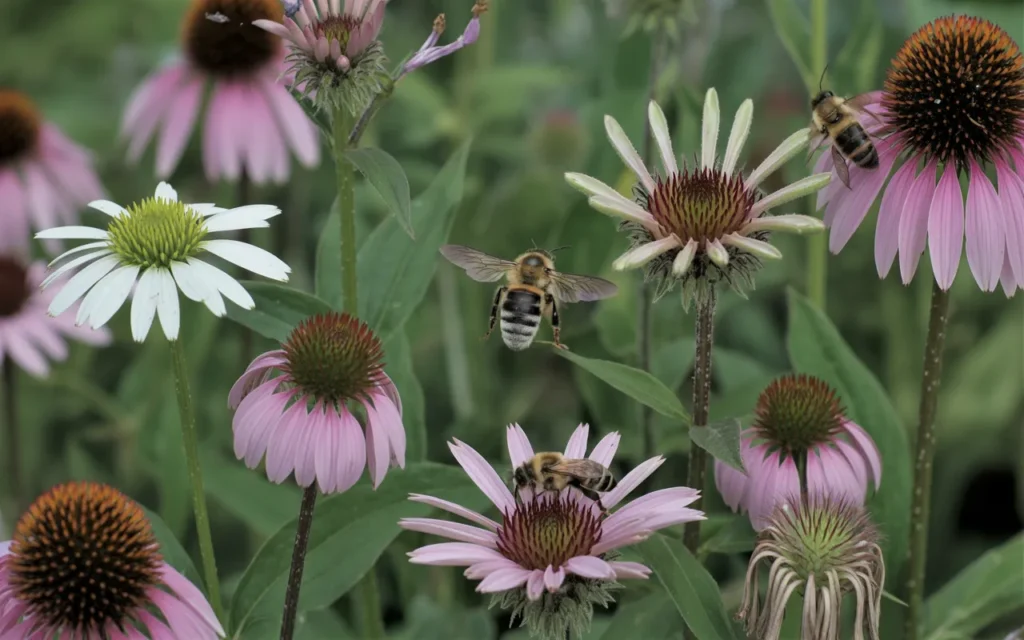
Creating a bee garden using only plants native to your area is one of the most sustainable and effective approaches. Native plants are perfectly adapted to your local climate and soil, meaning they require less water and care. More importantly, they have evolved alongside native bees, providing the exact food they need.
Visit a local native plant nursery or search online databases to find out which plants are native to your specific region.
Examples might include Purple Coneflower (Echinacea purpurea) in the Midwest, or California Lilac (Ceanothus) on the West Coast. This bee garden design layout is a powerful way to support local biodiversity.
7. The Tiered or Vertical Garden Layout
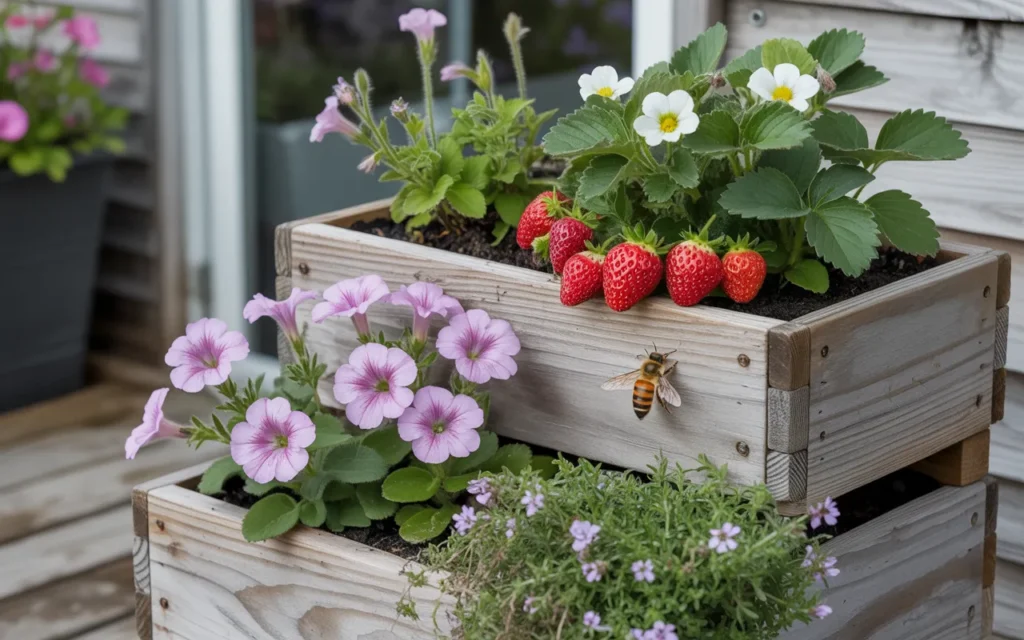
Maximize your growing space with a vertical bee garden design layout. This is another fantastic solution for small yards, patios, or balconies. You can use a pre-made vertical planter, build your own with stacked crates, or attach pots to a wall or trellis.
This approach lets you plant a variety of bee-friendly flowers and herbs at different levels. Strawberries, trailing lobelia, thyme, and smaller flowering annuals work exceptionally well in vertical gardens.
It creates a wall of color and a buffet for bees at eye level. For container planting, lightweight and breathable pots like the {VIVOSUN 5-Pack 10 Gallon Plant Grow Bags} are excellent for promoting healthy root systems.
8. A Garden with a Bee Bath and Hotel
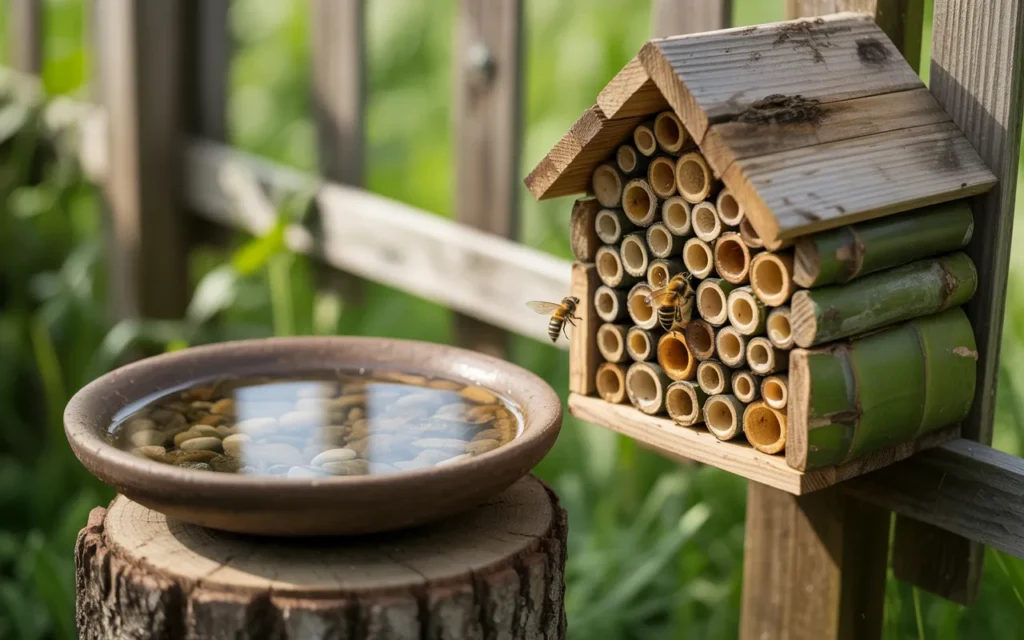
A truly complete bee garden design layout provides more than just food. Adding a water source and nesting sites will make your garden a five-star resort for bees.
Create a bee bath by filling a shallow dish with water and adding pebbles or marbles so the bees have a safe place to land and drink.
You can also add a “bee hotel,” which provides nesting tunnels for solitary bees like mason bees and leafcutter bees.
You can buy one or make your own by drilling holes of various sizes into a block of untreated wood or bundling together hollow stems.
Keep your pruning tools sharp with a tool like the {Felco F-2 Classic Manual Hand Pruner} when collecting hollow stems for your hotel.
9. The Early Spring Bulb Garden
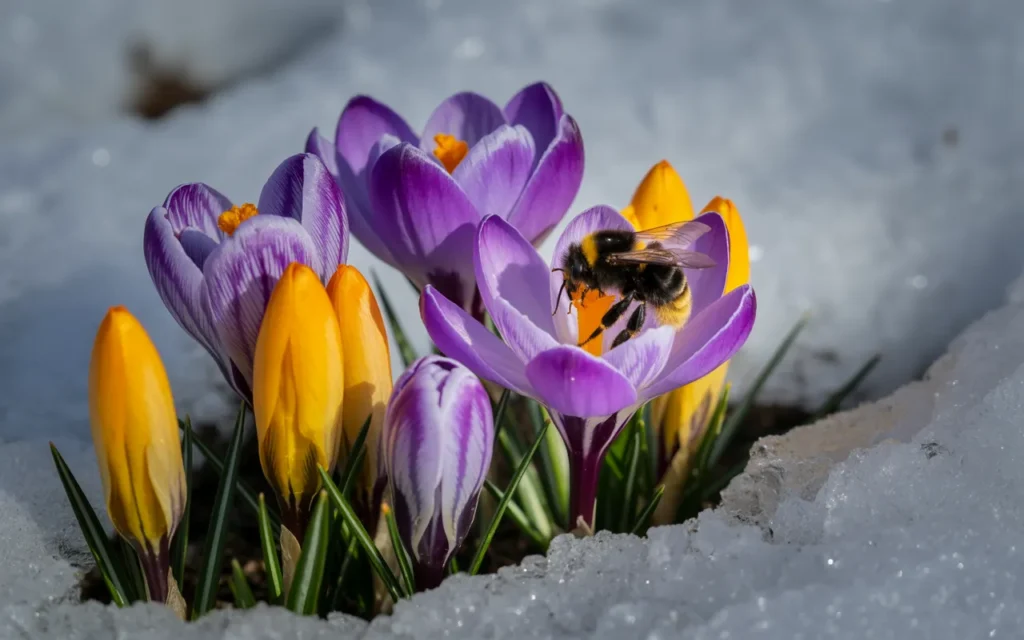
Bees emerging from hibernation in early spring are often desperate for food. Your bee garden design layout should include early-blooming bulbs to provide that crucial first meal.
Planting a section of your garden with spring bulbs ensures your garden is abuzz with activity as soon as the weather warms.
Crocuses are one of the very first flowers to appear, often popping up through the snow. Other great choices include grape hyacinths (Muscari), snowdrops, and Siberian squill.
These small but mighty flowers provide a vital source of nectar and pollen when little else is available.
Having a sturdy pair of {G & F Products Garden Gloves} will protect your hands while planting dozens of bulbs in the fall.
10. The Late-Season Aster and Goldenrod Patch
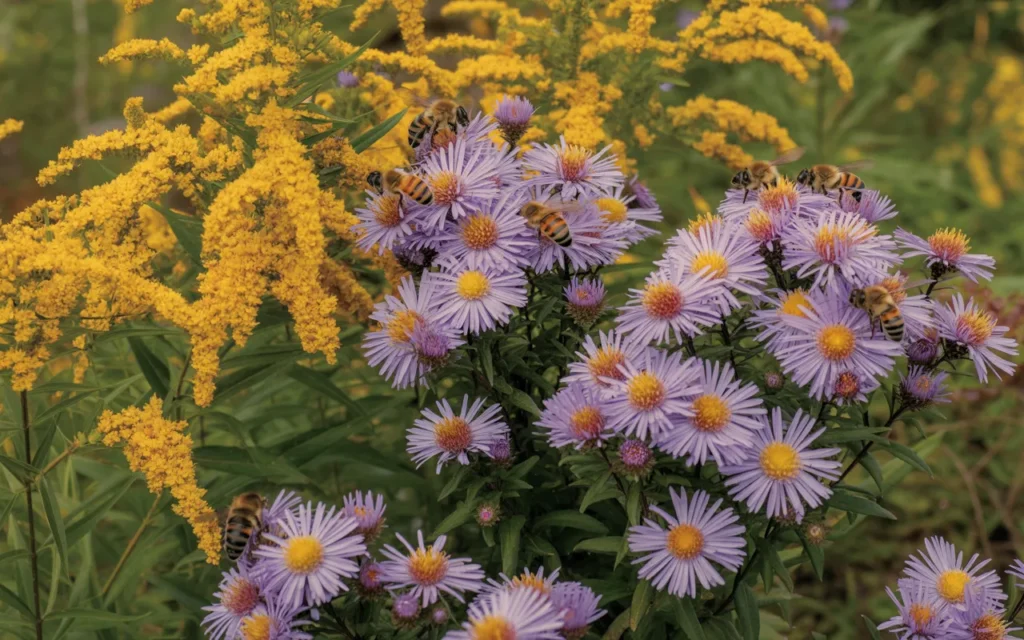
Just as important as early spring food is late-season food. As summer wanes, many flowers stop blooming, but bees are still active, preparing their colonies for winter. A bee garden design layout that includes late-blooming flowers is essential for their survival.
Asters and goldenrods are the superstars of the fall garden. They burst into bloom from late August through October, covered in shades of purple, blue, white, and brilliant yellow.
These plants are magnets for all sorts of bees and other pollinators, providing one last big feast before winter.
11. The Edible Flower Garden Layout
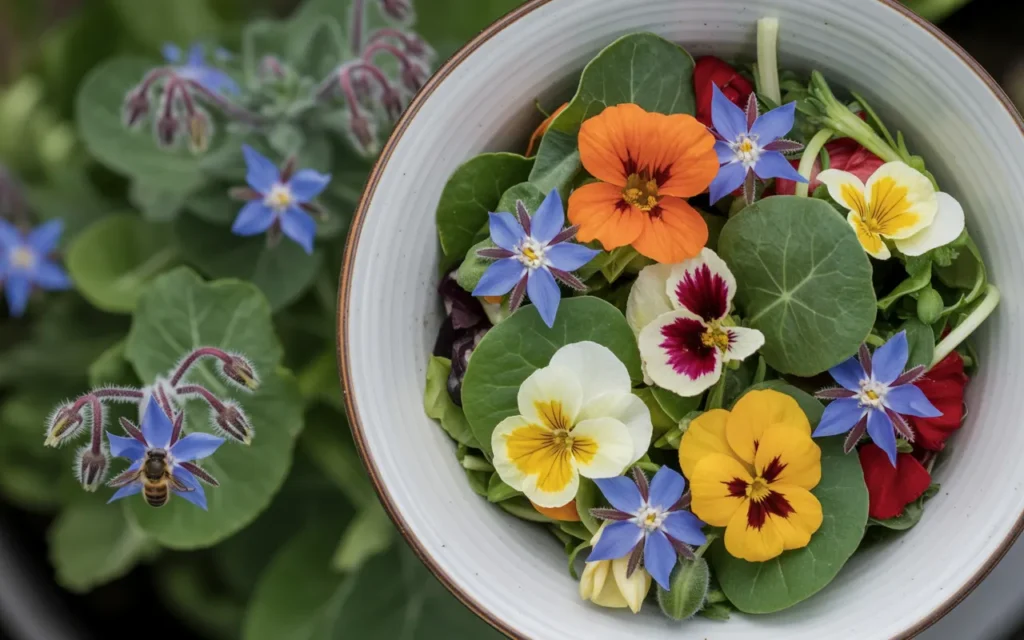
Why should bees have all the fun? Plant a garden of edible flowers that you can both share. This bee garden design layout is a delight for the senses and your palate. Many flowers that are delicious for us are also loved by bees.
Good choices include nasturtiums (the flowers and leaves are peppery), borage (beautiful blue flowers that taste like cucumber), calendula, and pansies. You can toss them in salads, freeze them in ice cubes for fancy drinks, or use them to decorate cakes. It’s a fun and interactive way to enjoy your garden.
12. The Fruit Tree and Berry Bush Guild
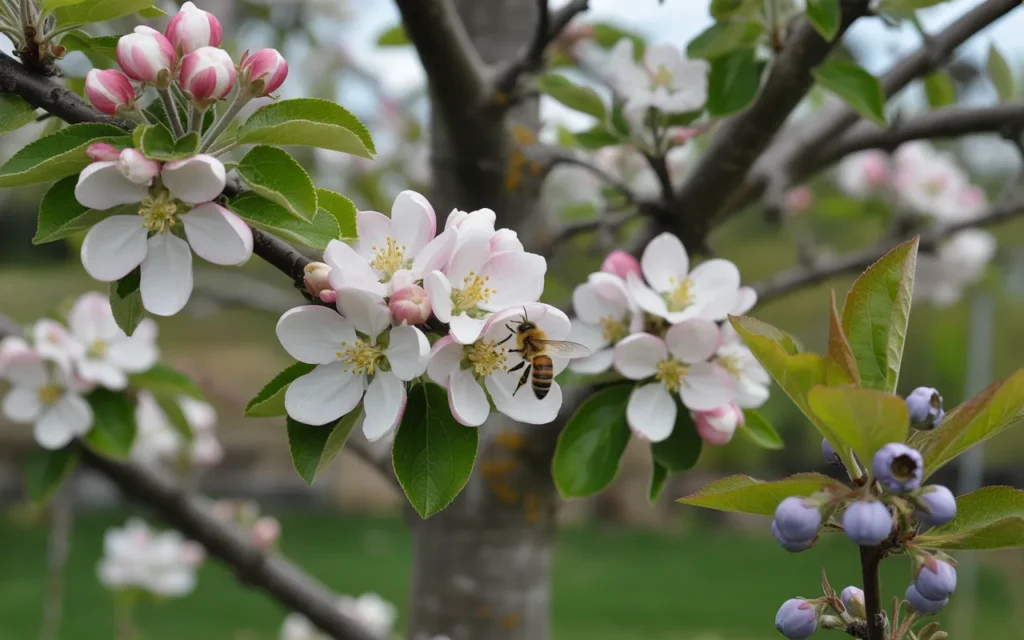
If you have the space, incorporating fruit trees and berry bushes into your bee garden design layout is a fantastic idea. Their blossoms in the spring are a major food source for bees, and in return, the bees’ pollination will give you a bountiful harvest of fruit.
Apple, cherry, and plum trees are bee magnets. For shrubs, blueberries and raspberries are excellent choices.
You can create a “guild” by planting companion plants around the base of your fruit trees. Comfrey, chives, and lavender are great choices that attract pollinators and can help deter pests.
Product Recommendations for Your Bee Garden
Here is a quick summary of the helpful tools and products mentioned throughout the ideas to help you bring your bee garden design layout to life.
| Product Name | Brand | Use in the Garden |
|---|---|---|
| Garden Bucket Caddy | Fiskars | Keeps your hand tools organized and accessible. |
| Garden Hose | Flexzilla | Gently waters seeds and delicate plants without disturbing them. |
| 10 Gallon Plant Grow Bags | VIVOSUN | Provides excellent aeration and drainage for container plants. |
| Potting Mix | Miracle-Gro | Offers essential nutrients for healthy growth and abundant blooms in pots. |
| Classic Manual Hand Pruner | Felco | Makes clean cuts for pruning and collecting stems for bee hotels. |
| Garden Gloves | G & F Products | Protects your hands during planting, weeding, and other garden tasks. |
Your Beautiful Bee Garden Awaits
Creating a bee-friendly space is a journey of discovery and joy. By choosing even one or two of these ideas, you can make a significant, positive impact on your local bee population.
Remember that the best bee garden design layout is one that evolves. Start small, observe which plants the bees love most in your area, and add to your garden over time.
Don’t be afraid to let things get a little wild and experiment with different combinations. Your efforts will be rewarded with a vibrant, buzzing garden that is full of life, color, and beauty.
You’ll not only be helping the bees, but you’ll also be creating a peaceful and beautiful space for yourself to enjoy. So grab your gloves, pick a layout, and start digging.
