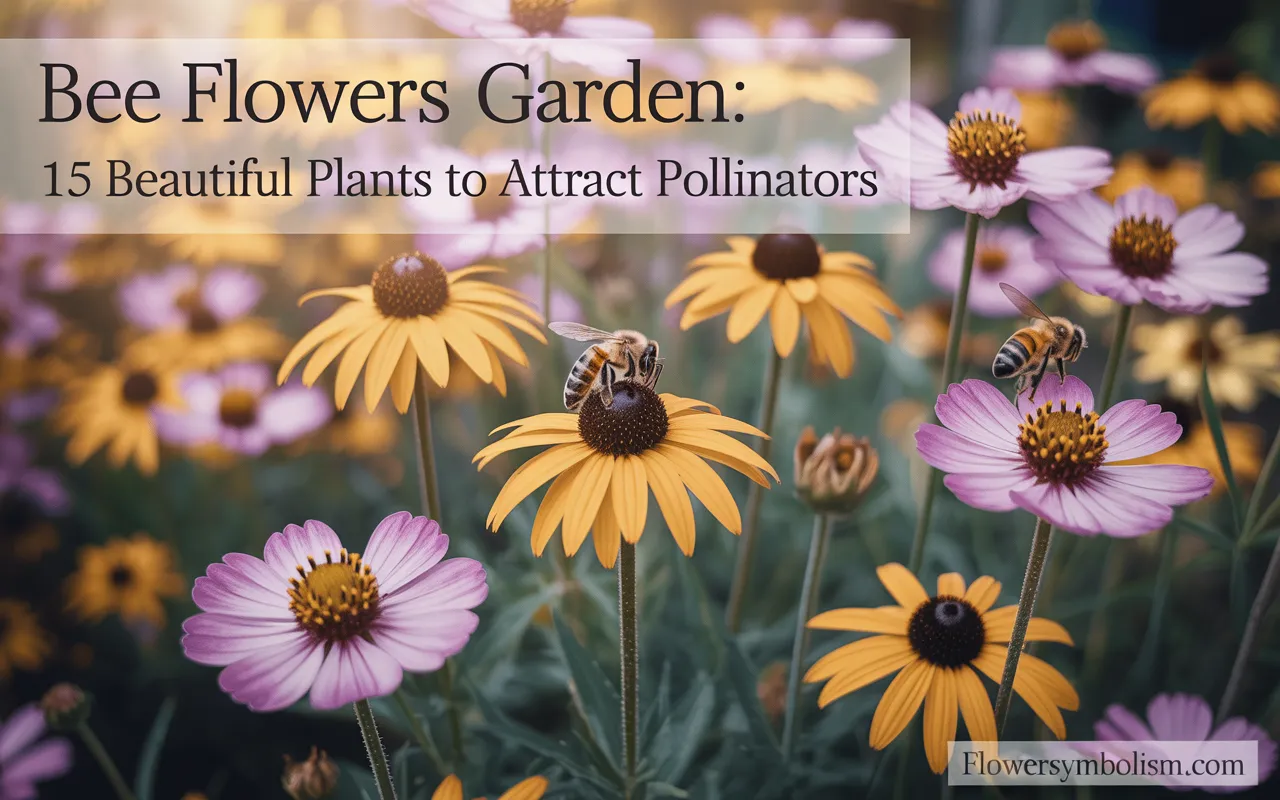
There’s a special kind of magic in a garden that is humming with the gentle sound of bees.
Planting flowers specifically to attract these hardworking pollinators is one of the most rewarding things you can do for your yard and the environment.
A beautiful bee flowers garden doesn’t just look stunning; it provides essential food for honey bees and native bee species, helping them thrive.
This guide is filled with 15 beautiful plants that are perfect for your bee flowers garden.
We’ve chosen a variety of perennials, annuals, and herbs that are easy for beginners to grow and are proven bee magnets.
Whether you have a large backyard or a small patio, you’ll find plenty of inspiration here to create a buzzing sanctuary. Let’s explore the best blooms to get your garden buzzing with life.
Understanding Your Bee Flowers Garden
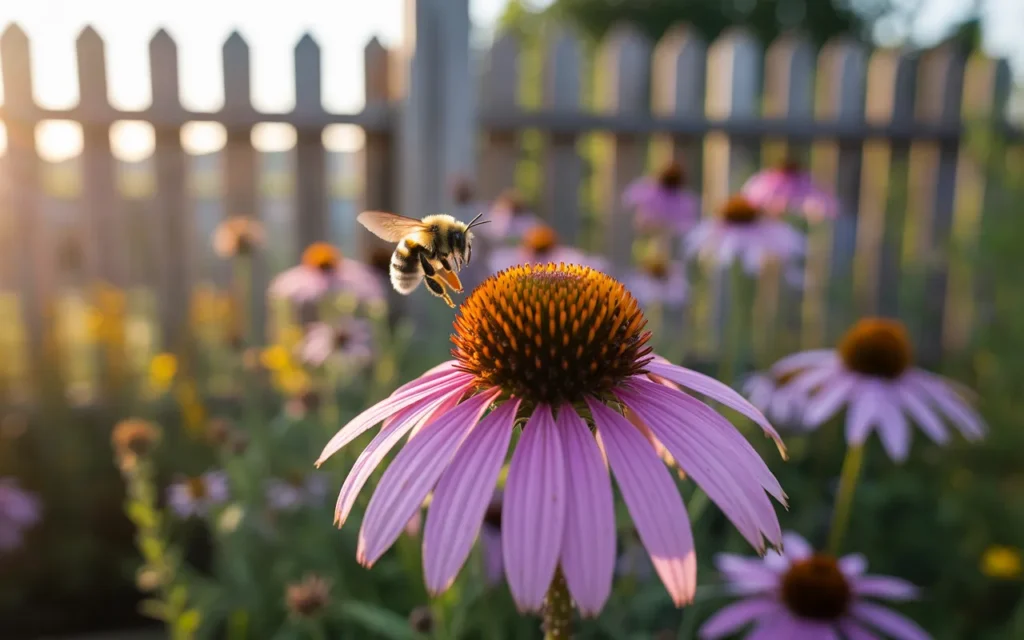
Before we list the top plants, it’s helpful to know what makes a flower attractive to bees. Bees are drawn to specific colors, shapes, and scents.
- Colors: Bees see colors differently than we do. They are particularly attracted to blue, purple, violet, white, and yellow.
- Flower Shape: Bees prefer flowers that provide a good landing platform, like daisies and coneflowers, or flowers with multiple small florets they can easily crawl over, like lavender and salvia.
- Bloom Time: To support bees all season, a successful bee flowers garden includes plants that bloom from early spring through late fall.
By keeping these preferences in mind, you can select a variety of plants that will create a season-long buffet for your buzzing friends.
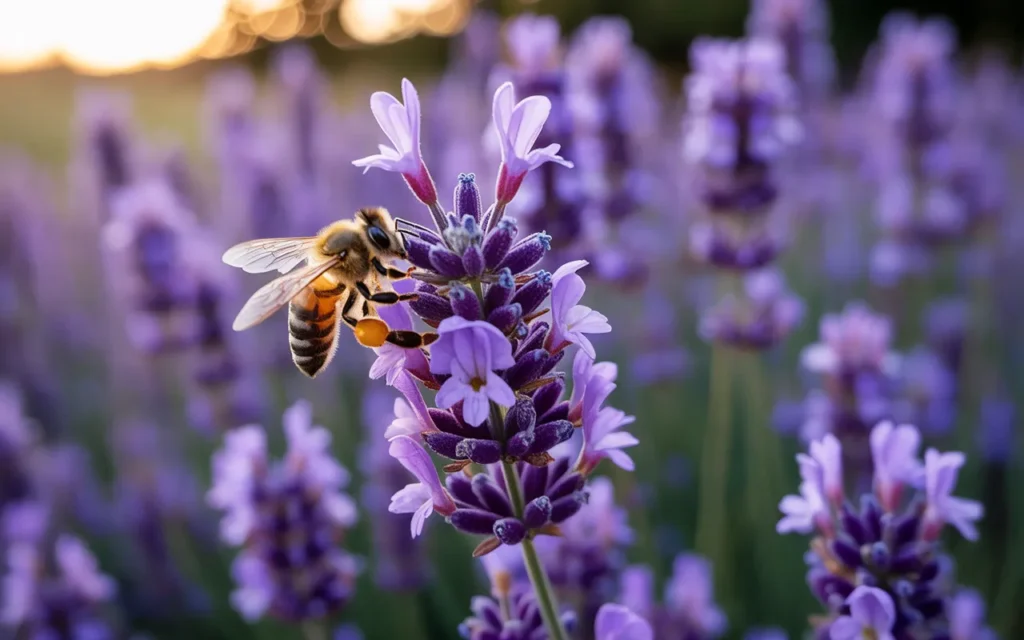
1. Lavender (Lavandula)
It’s no surprise that lavender is at the top of the list. Its iconic purple spikes are a powerful magnet for all types of bees.
The fragrant flowers are rich in nectar, and the plant is drought-tolerant once established, making it a low-maintenance choice for any sunny spot.
2. Coneflower (Echinacea)
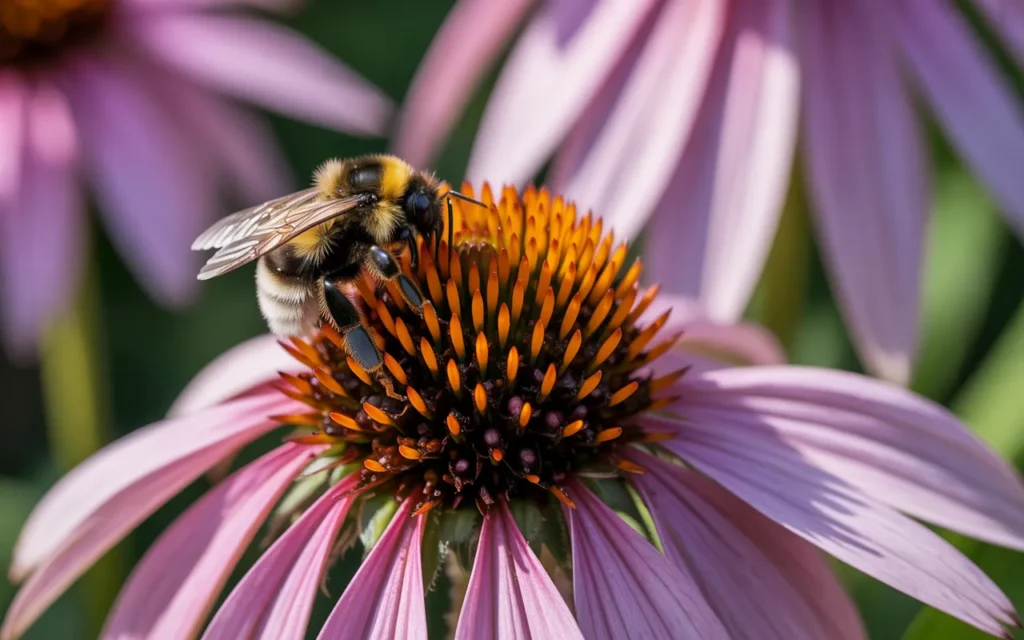
Coneflowers are a classic choice for any bee flowers garden. Their large, daisy-like blooms with prominent central cones provide a perfect landing pad for bees to feast on pollen and nectar.
They are hardy, bloom for a long time in the summer, and come in shades of purple, pink, white, and yellow..
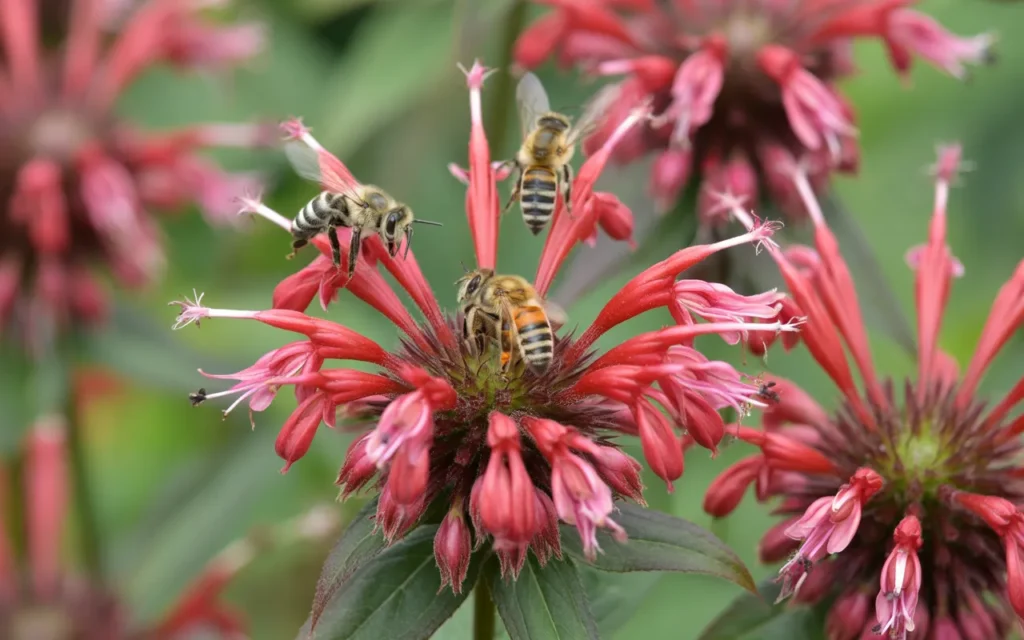
3. Bee Balm (Monarda)
The name says it all! Bee balm’s unique, spiky flower clusters in shades of red, pink, and purple are irresistible to bees, butterflies, and hummingbirds.
This native plant is a member of the mint family and spreads easily, creating large, beautiful clumps of color in your garden.
4. Salvia (Salvia nemorosa)
The tall, elegant spikes of salvia, often in striking shades of purple and blue, are a bee’s delight. The tube-shaped flowers are perfectly formed for bees to access the nectar inside.
Salvia is drought-resistant and will re-bloom if you trim back the spent flowers, providing color all summer long. To keep your plants tidy and encourage more blooms, a sharp pair of pruning shears like the {Fiskars Bypass Pruning Shears} is essential.
5. Black-Eyed Susan (Rudbeckia)
With their cheerful yellow petals and dark brown centers, Black-Eyed Susans are a sunny staple in any bee flowers garden.
They offer a generous landing platform and are rich in pollen. These hardy flowers bloom from mid-summer into the fall, providing a crucial late-season food source.
6. Crocus (Crocus vernus)
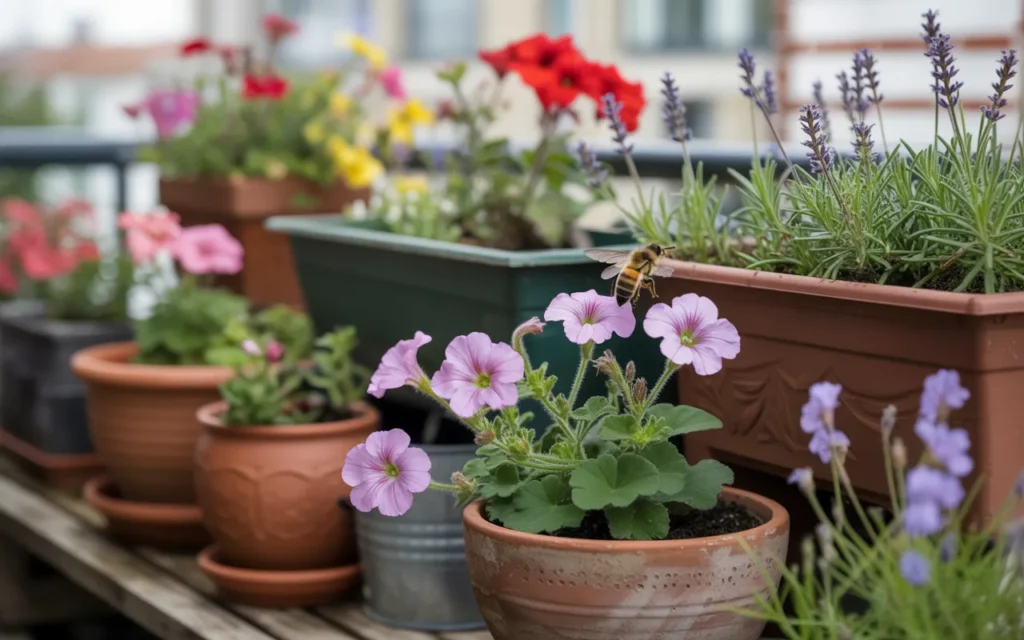
Crocuses are one of the most important early spring flowers for bees. They often pop up through the snow, providing one of the first reliable food sources for queen bees emerging from hibernation.
Planting a patch of purple, yellow, and white crocuses is a wonderful way to kickstart your bee flowers garden each year.
A sturdy pair of {G & F Products Garden Gloves} will protect your hands while planting dozens of these small bulbs in the fall.

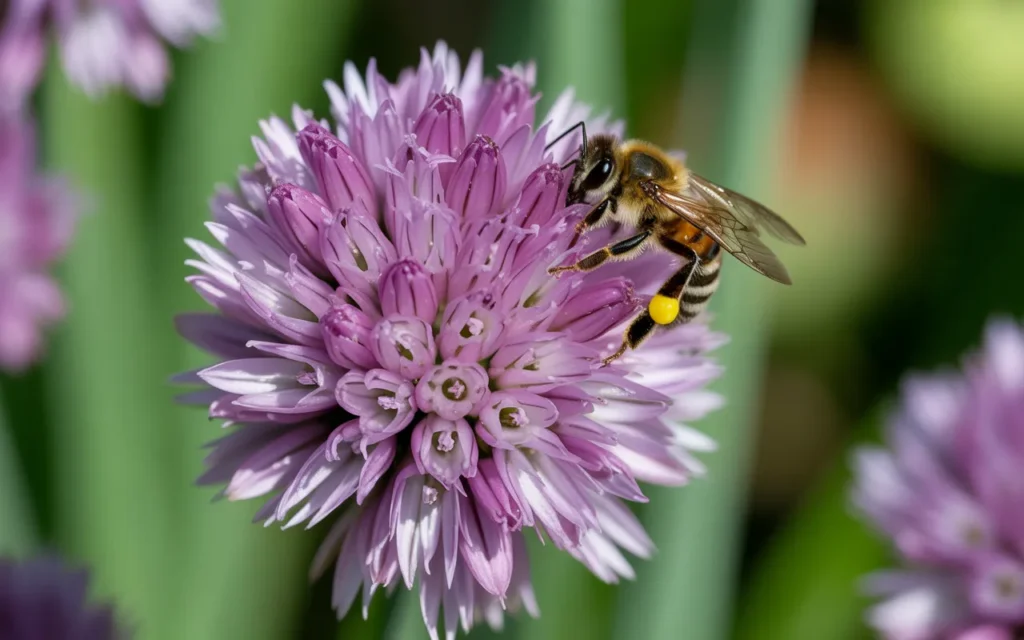
7. Chives (Allium schoenoprasum)
Don’t underestimate the power of herbs! If you let your chive plant go to flower, it will produce beautiful, globe-like purple blossoms that are absolute bee magnets.
It’s a fantastic, multi-purpose plant for any garden, offering flavor for your kitchen and a feast for pollinators.
8. Zinnias (Zinnia elegans)
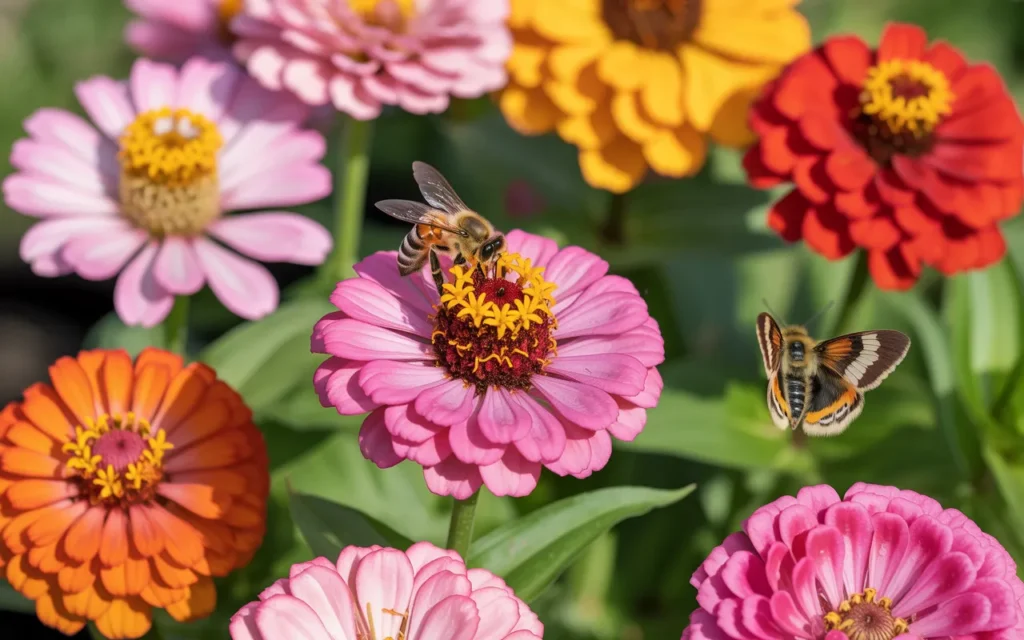
For a burst of easy, season-long color, you can’t beat zinnias. These annuals come in almost every color imaginable and their open, daisy-like faces are very attractive to bees.
They are simple to grow from seed, making them a budget-friendly and beautiful addition to your bee flowers garden.
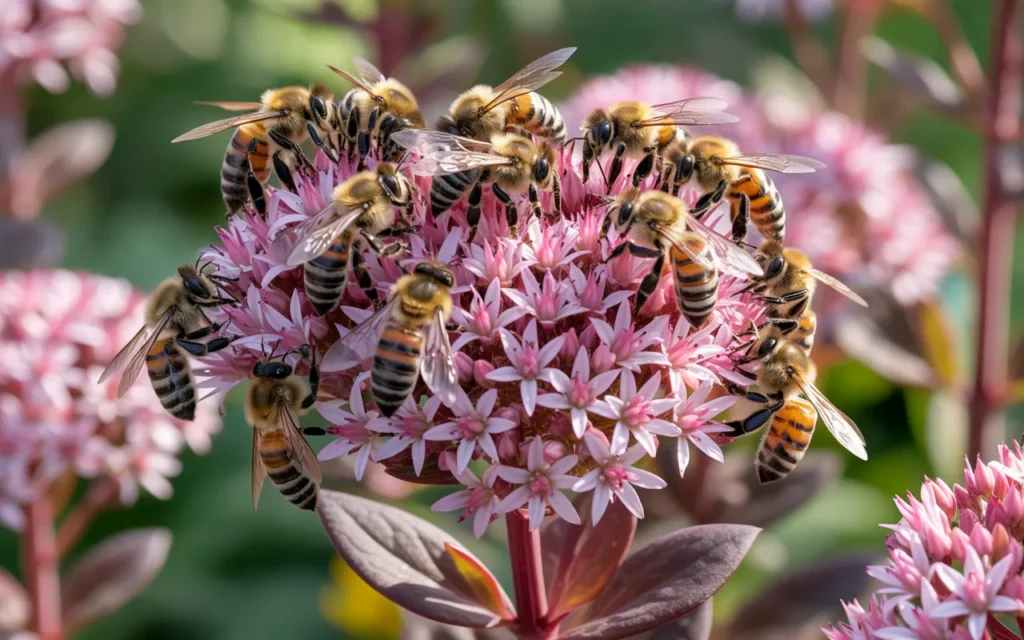
9. Sedum (Hylotelephium spectabile)
Also known as stonecrop, varieties like ‘Autumn Joy’ are superstars of the fall garden. Their dense, flat flower heads, which start pink and age to a deep copper, are covered with bees in late summer and autumn. They provide a vital source of nectar before winter arrives.
10. Borage (Borago officinalis)
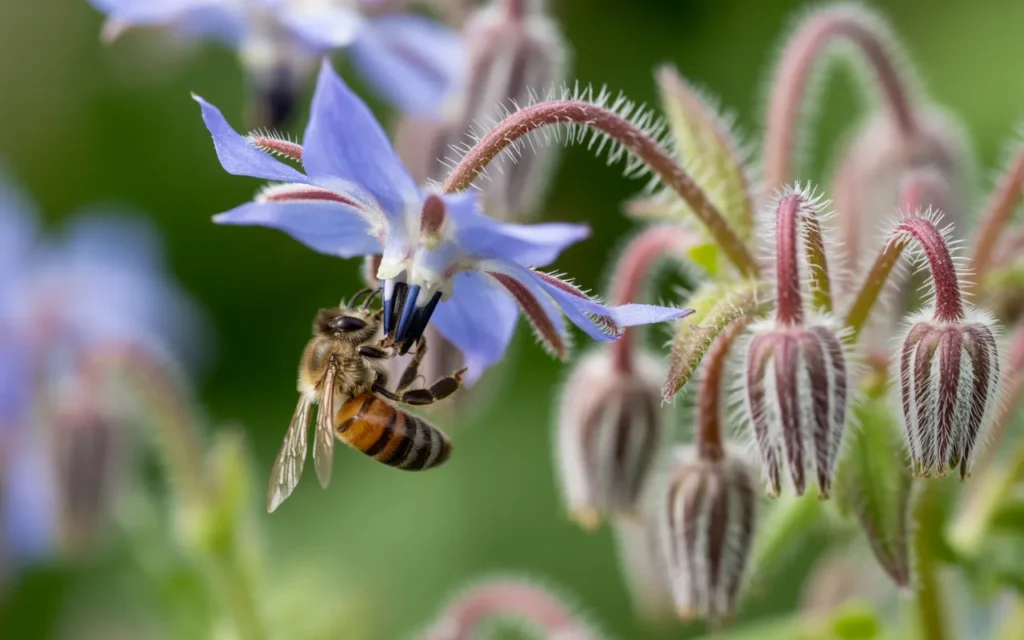
Borage is a fantastic herb for a bee flowers garden. It produces beautiful, star-shaped blue flowers that bees adore.
The plant continuously produces flowers for months, and as a bonus, the blossoms are edible for humans and have a refreshing cucumber taste.
11. Sunflowers (Helianthus annuus)
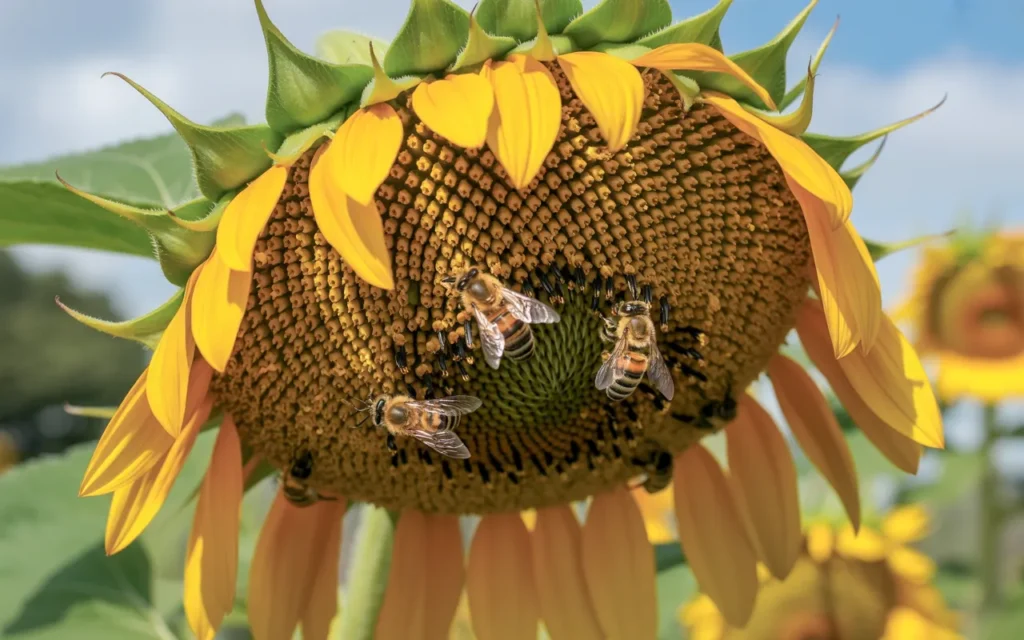
A quintessential summer flower, sunflowers are a beacon for bees. The giant flower heads are actually made up of thousands of tiny individual flowers, offering a massive buffet of nectar and pollen.
Once the flowers fade, the seed heads will provide food for birds in the fall. To keep your garden plans organized, a durable notebook like the {Rite in the Rain Weatherproof Top-Spiral Notebook} is perfect for outdoor use.
12. Asters (Symphyotrichum)
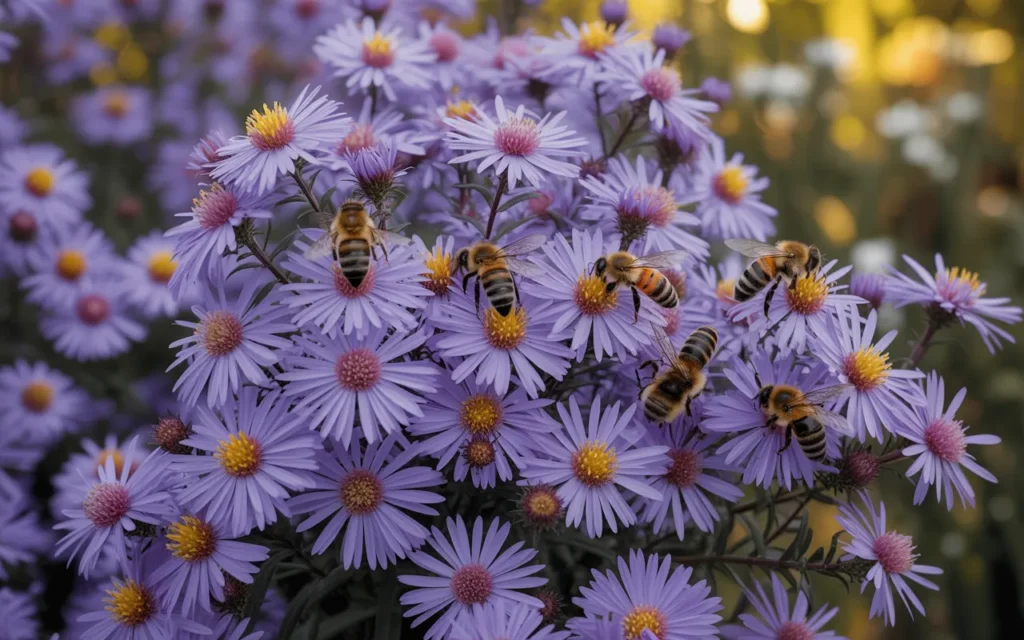
Asters are another critical late-season flower for bees. When many other plants have finished blooming, these daisy-like flowers burst forth in shades of purple, blue, and pink.
They are essential for helping bees build up their food stores before winter.
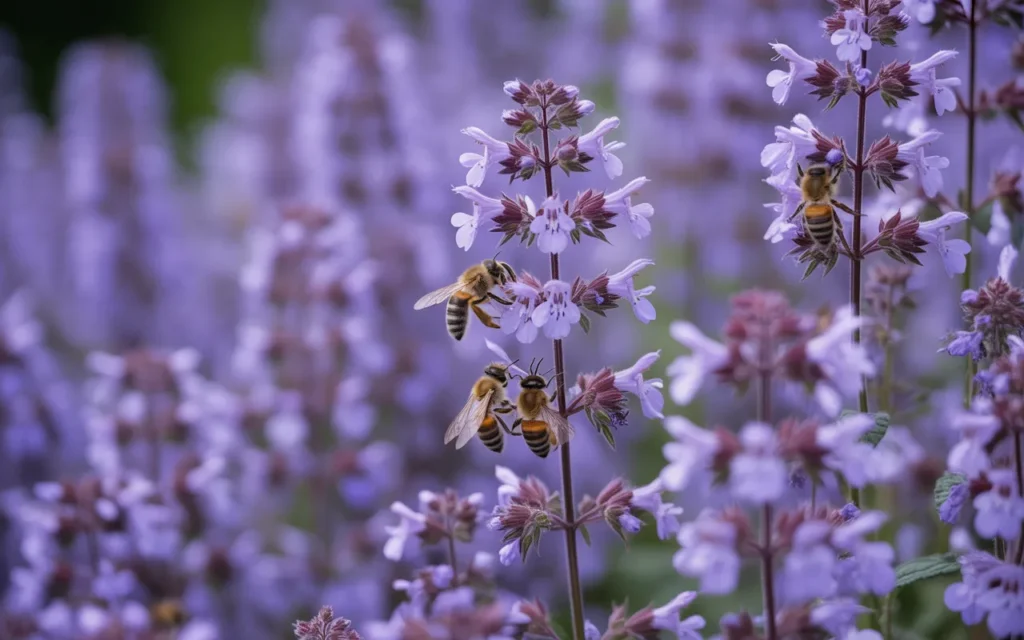
13. Catmint (Nepeta)
With its clouds of soft, lavender-blue flowers and silvery foliage, catmint is a beautiful and tough plant. It blooms for a very long time, from late spring through summer, and is always buzzing with happy bees.
It’s drought-tolerant and not fussy about soil, making it a reliable choice.
14. Goldenrod (Solidago)
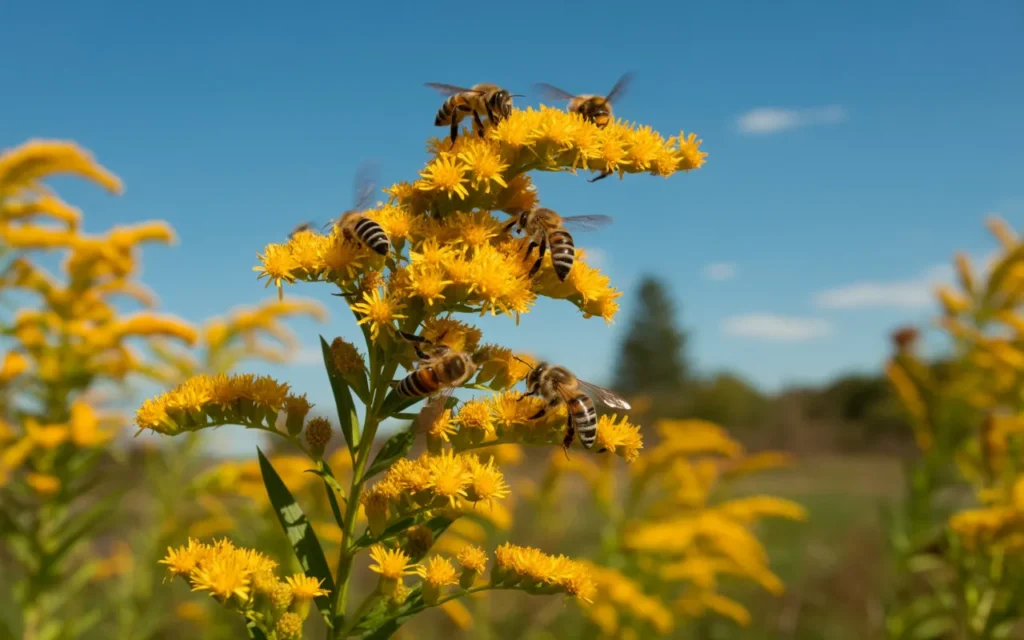
Often unfairly blamed for allergies (the real culprit is ragweed), goldenrod is one of the most important fall food sources for bees.
Its brilliant yellow plumes are a powerhouse of pollen and nectar, supporting bee colonies as they prepare for winter.
For container planting of these vigorous growers, lightweight and breathable pots like the {VIVOSUN 5-Pack 10 Gallon Plant Grow Bags} provide excellent drainage.
15. Phlox (Phlox paniculata)
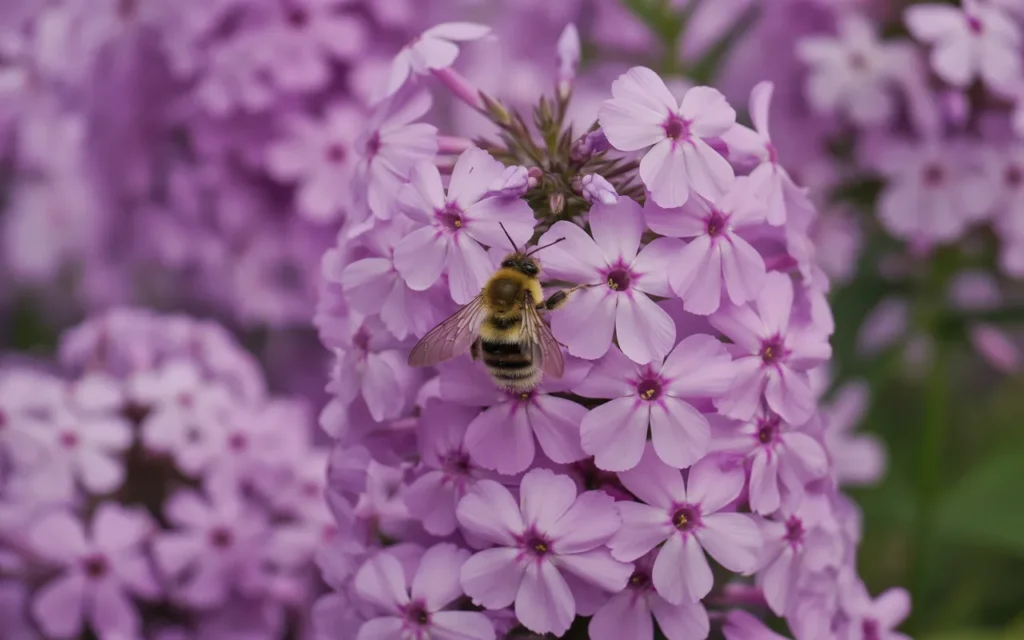
The large, fragrant clusters of garden phlox are a beautiful addition to any summer garden. The flowers, which come in shades of pink, purple, and white, have a long bloom time and are very attractive to bees and butterflies alike.
For keeping your garden beds looking sharp, a precise tool like the {Edward Tools Hoe and Cultivator Hand Tiller} is perfect for weeding around perennials like phlox.
Product Recommendations for Your Garden
Here is a quick summary of the helpful tools and products mentioned to help you create a thriving bee flowers garden.
| Product Name | Brand | Use in the Garden |
|---|---|---|
| Bypass Pruning Shears | Fiskars | For deadheading flowers to encourage re-blooming. |
| Garden Gloves | G & F Products | Protects your hands while planting bulbs and working in the soil. |
| Weatherproof Top-Spiral Notebook | Rite in the Rain | Plan your garden layout and take notes, even in damp conditions. |
| 10 Gallon Plant Grow Bags | VIVOSUN | Provides excellent aeration for growing vigorous plants like goldenrod. |
| Hoe and Cultivator Hand Tiller | Edward Tools | Makes weeding around delicate plants easy and precise. |
Your Beautiful Bee Garden Awaits
Planting a garden with bees in mind is a simple act with a huge impact. By choosing a variety of these 15 plants, you can create a beautiful, season-long buffet that supports all kinds of bees. Remember to provide a shallow water source and avoid pesticides to make your bee flowers garden a truly safe and welcoming haven.
Start with a few plants that you love and add more each year. Your reward will be a vibrant, buzzing garden that is full of life, color, and the deep satisfaction of knowing you’re helping our most important pollinators. So grab your gloves and get ready to grow a garden that truly makes a difference.
