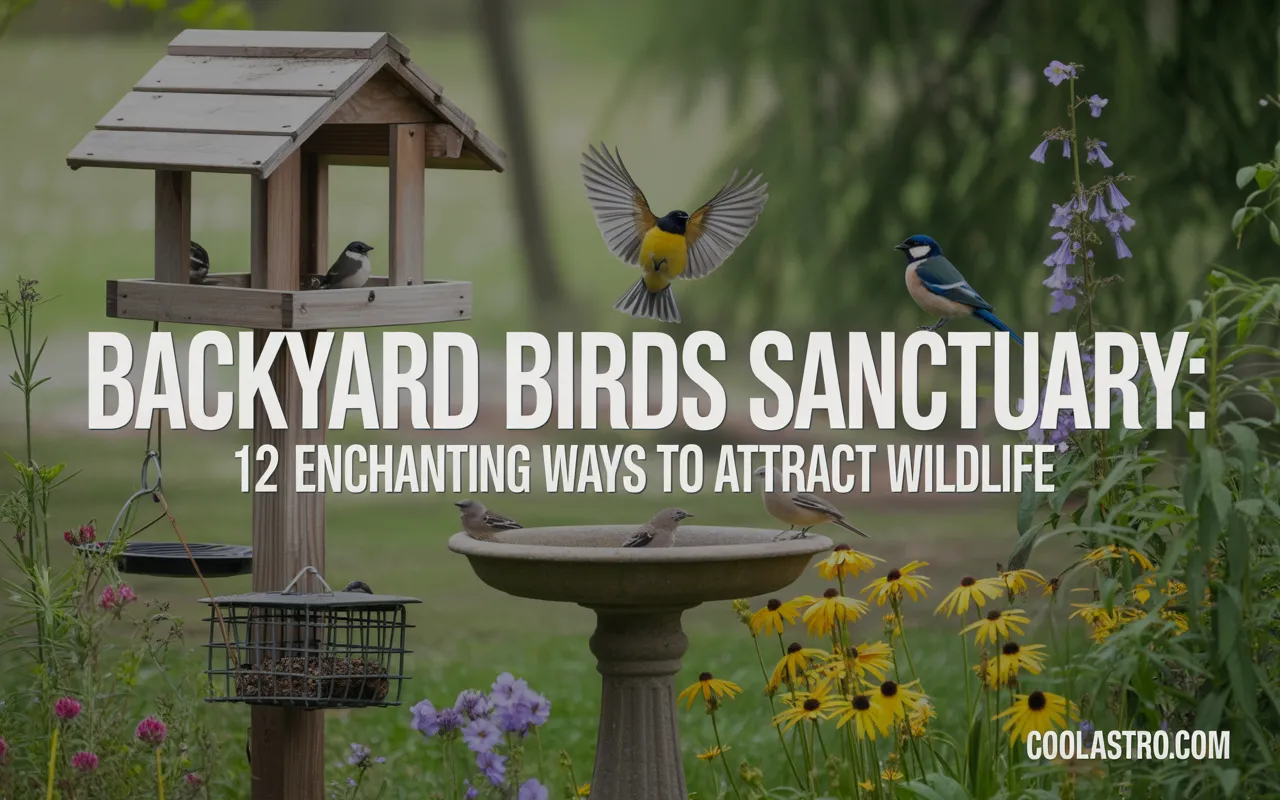
Have you ever sat by your window, coffee in hand, and wished for more life in your backyard?
You see a lone bird fly past and wonder what it would be like to have a garden bustling with the vibrant colors of finches, the cheerful song of a robin, and the busy antics of chickadees.
It feels like a far-off dream, something reserved for nature preserves or sprawling country estates.
But what if you could create that magical, lively haven right in your own yard? It’s not only possible, but it’s also one of the most rewarding projects you can undertake.
Transforming your space into a backyard birds sanctuary is about more than just putting out a feeder; it’s about creating a complete, thriving ecosystem where wildlife feels safe, welcome, and nourished.
This guide will walk you through 12 enchanting and simple ways to attract a dazzling array of wild birds to your home.
We’ll go beyond the basics, exploring how to provide food, water, shelter, and the right environment to turn any yard—big or small—into a bustling sanctuary.
Get ready to open your window to a world of wonder and create a personal paradise for both you and your feathered friends.
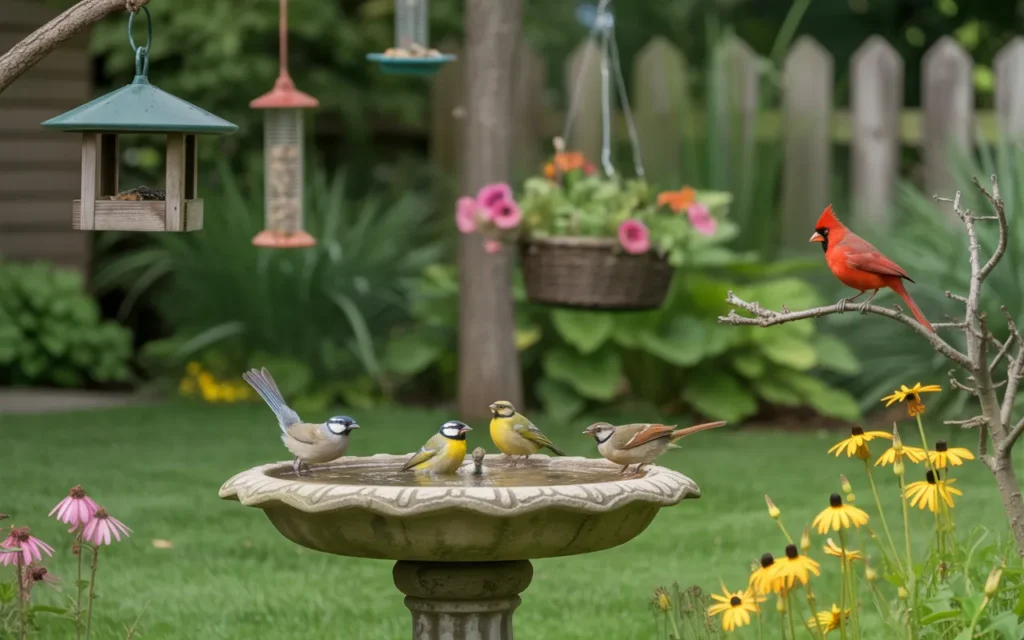
The Four Pillars of a Thriving Backyard Birds Sanctuary
Before we dive into the specific ways to attract birds, it’s helpful to understand the core principles of creating a successful sanctuary.
Just like us, birds have four basic needs to survive and thrive. If you can provide these four things, they will come.
- Food: A consistent, reliable, and diverse food source is the number one attraction. Different birds eat different things, so offering a variety is key.
- Water: Often overlooked, a clean source of water for drinking and bathing is just as crucial as food. A birdbath can attract species that might never visit a feeder.
- Shelter: Birds need a safe place to rest, hide from predators, and take cover from harsh weather. Trees, shrubs, and even brush piles provide this essential protection.
- A Place to Raise Young: To have birds stick around for the long haul, they need safe places to build nests and raise their families. This can include dense shrubs, mature trees, and birdhouses.
By keeping these four pillars in mind, every choice you make in your garden can contribute to building a more effective and enchanting backyard birds sanctuary.
12 Enchanting Ways to Create Your Backyard Birds Sanctuary
Ready to roll out the welcome mat for your feathered friends? Here are 12 simple but powerful ways to transform your yard into a haven for wild birds.
1. Offer a Variety of Bird Feeders
The single most effective way to start attracting birds is to offer food. But not all birds eat from the same type of “plate.”
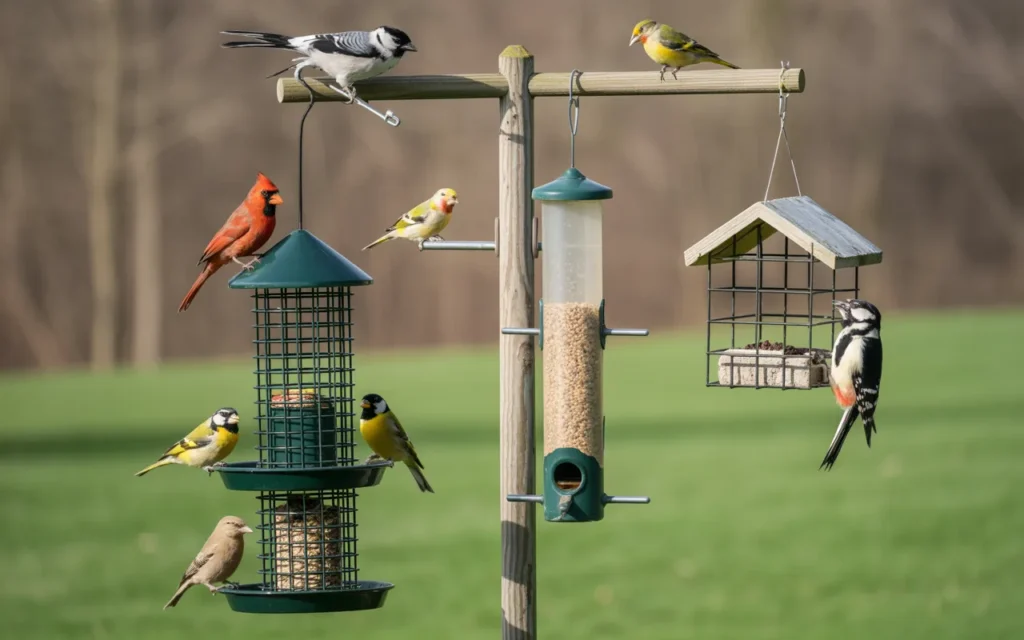
By setting up a few different styles of backyard birds feeders, you cater to a wider variety of species and feeding preferences, creating a bustling, diverse dining scene.
A classic hopper feeder is a great starting point, perfect for attracting cardinals, jays, and finches. Add a simple wire suet cage, and you’ll invite fascinating woodpeckers and nuthatches.
For the ultimate up-close experience, a window feeder that attaches to the glass can bring tiny chickadees and titmice just inches from your view.
It’s a truly magical way to connect with them. A well-designed model like the {Nature’s Hangout Window Bird Feeder} offers crystal-clear viewing and is easy to refill. Each feeder type opens the door to a new group of potential visitors.
2. Provide a Smorgasbord of Food Types
Just as important as the feeder is the food you put in it. Black oil sunflower seed is the “hamburger and fries” of the bird world—nearly everyone loves it.
But to create a true backyard birds sanctuary, you need to expand the menu. Offering different foods will attract a more diverse clientele.
Try filling one feeder with safflower seed, a small white seed that cardinals and grosbeaks love, but squirrels and grackles tend to dislike.
Put out a dedicated Nyjer (thistle) feeder filled with high-quality {Wagner’s Nyjer Seed Bird Food} to attract flocks of brilliant American Goldfinches.
In a platform feeder, offer a mix of cracked corn and millet for ground-feeding birds like doves and juncos. In the winter, high-energy suet is a lifeline for insect-eating birds like woodpeckers. By becoming a multi-cuisine restaurant, your sanctuary’s popularity will soar.

3. Add a Source of Moving Water
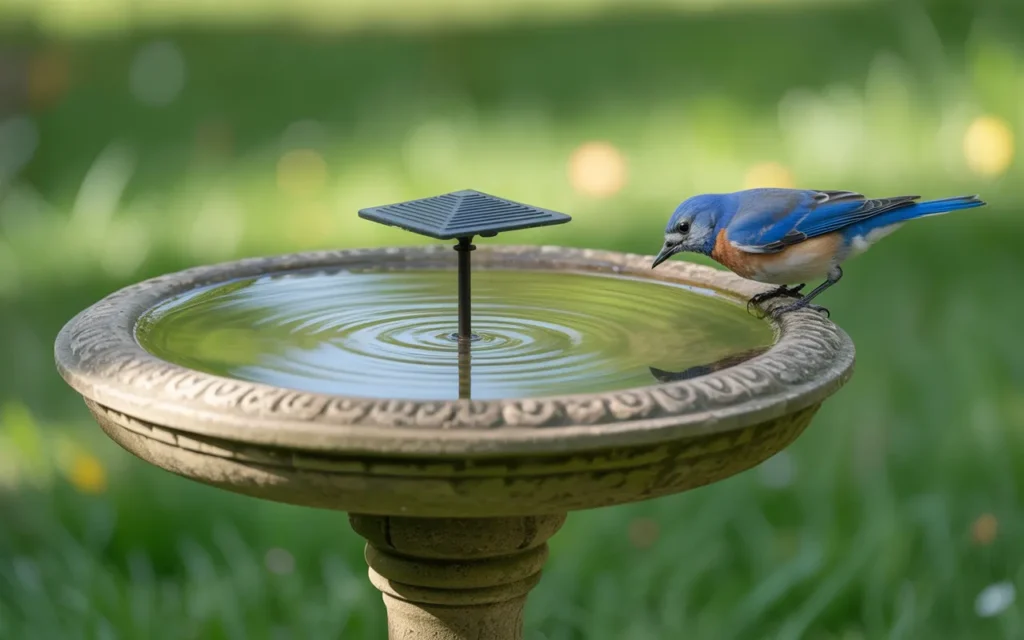
If you add only one thing to your yard besides a feeder, make it a birdbath. Water is essential for birds for both drinking and bathing (which helps them keep their feathers in good condition), and it will attract a huge variety of birds, even those that don’t eat seeds. But the real secret weapon is moving water.
The sound and sight of dripping, trickling, or splashing water is an irresistible magnet for birds. It signals a clean, fresh water source.
You don’t need a massive fountain; a simple birdbath with an added accessory can do the trick.
A device like the {Allied Precision Solar Birdbath Water Wiggler} uses solar power to create continuous ripples on the water’s surface, making your birdbath visible and attractive to birds flying overhead. The difference it makes is truly astounding.
4. Plant Native Trees and Shrubs for Shelter
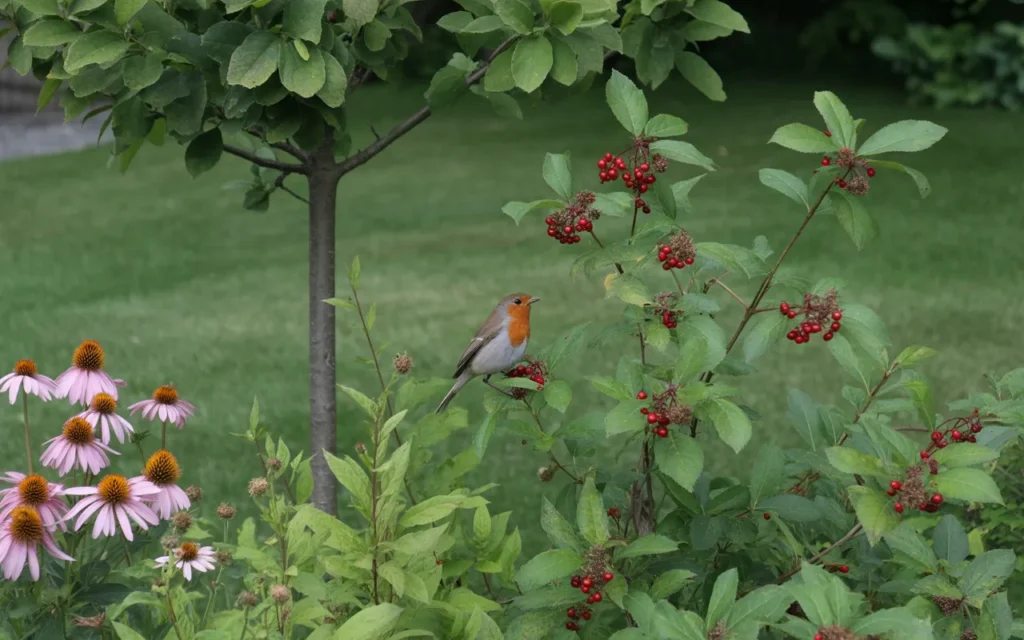
Feeders are great, but a true sanctuary provides natural sources of food and shelter. Planting native trees and shrubs is one of the most powerful, long-term investments you can make in your backyard birds sanctuary.
Native plants are adapted to your local climate and co-evolved with your local wildlife, providing the specific types of insects, berries, seeds, and nesting sites that birds need.
A dense evergreen shrub like an Eastern Red Cedar provides critical shelter from winter winds and predators.
A berry-producing shrub like a Serviceberry or Dogwood offers a natural food buffet. An oak tree is a wildlife superstar, hosting hundreds of species of caterpillars that are the primary food source for baby birds. When planting new shrubs or trees, it helps to amend the soil with a good organic compost.
A sturdy shovel like the {Fiskars D-Handle Round Point Shovel} is essential for digging the right-sized holes and making the job easier.
5. Let a Corner of Your Yard Go Wild
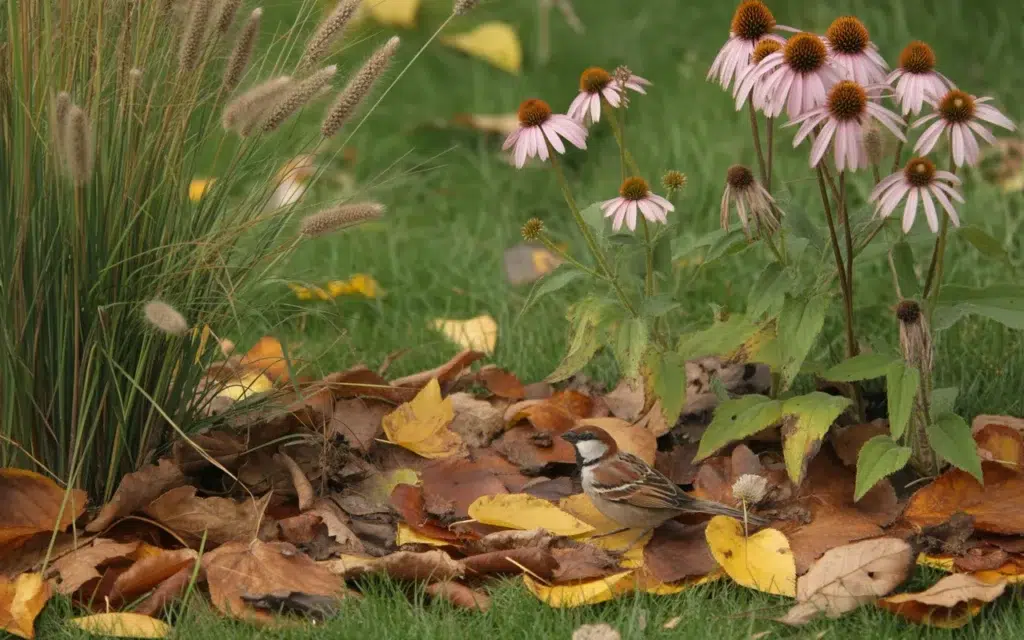
A perfectly manicured lawn might look neat to us, but to a bird, it’s a desert. One of the best things you can do for wildlife is to relax your standards a bit and let a small corner of your yard get a little “messy.”
This means letting the leaves lie where they fall in one area, or allowing a patch of native wildflowers and grasses to grow tall.
This “wild” area provides a wealth of resources. The leaf litter becomes a foraging ground for birds like towhees and wrens, who search for insects among the decaying leaves.
Tall grasses provide seeds for finches and sparrows. And letting flowers go to seed, like sunflowers and coneflowers, creates a natural, self-replenishing feeder that birds love. It’s a low-effort, high-reward step toward a more natural sanctuary.
6. Build a Brush Pile
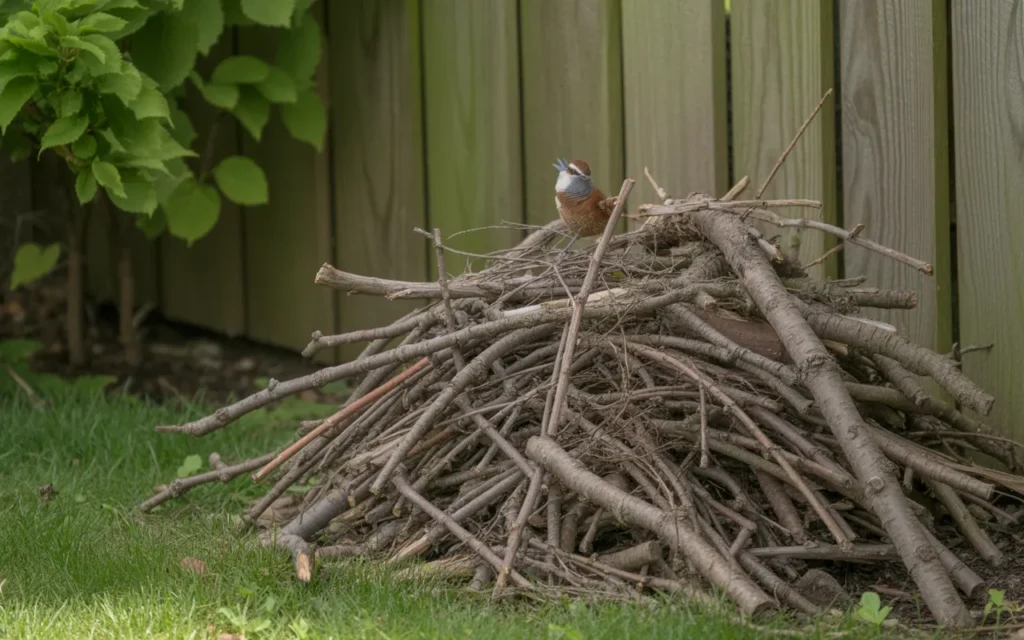
This might be the easiest and most effective form of shelter you can provide. A brush pile is simply a loose heap of branches, twigs, and old Christmas tree limbs tucked away in a corner of your yard. To a small bird, this humble pile is a five-star hotel and fortress.
It offers instant protection from circling hawks and neighborhood cats. It provides a safe, dry place to roost during cold or stormy weather.
It’s a perfect staging area where birds can wait for their turn at the feeder in safety. And as the wood slowly decomposes, it creates a rich habitat for insects, providing another food source.
Building a brush pile costs nothing and instantly makes your yard a safer, more attractive place for small songbirds.
For cutting larger branches to add to the pile, a good pair of {Fiskars PowerGear2 Loppers} can make clean cuts with minimal effort.
7. Mount Appropriate Birdhouses
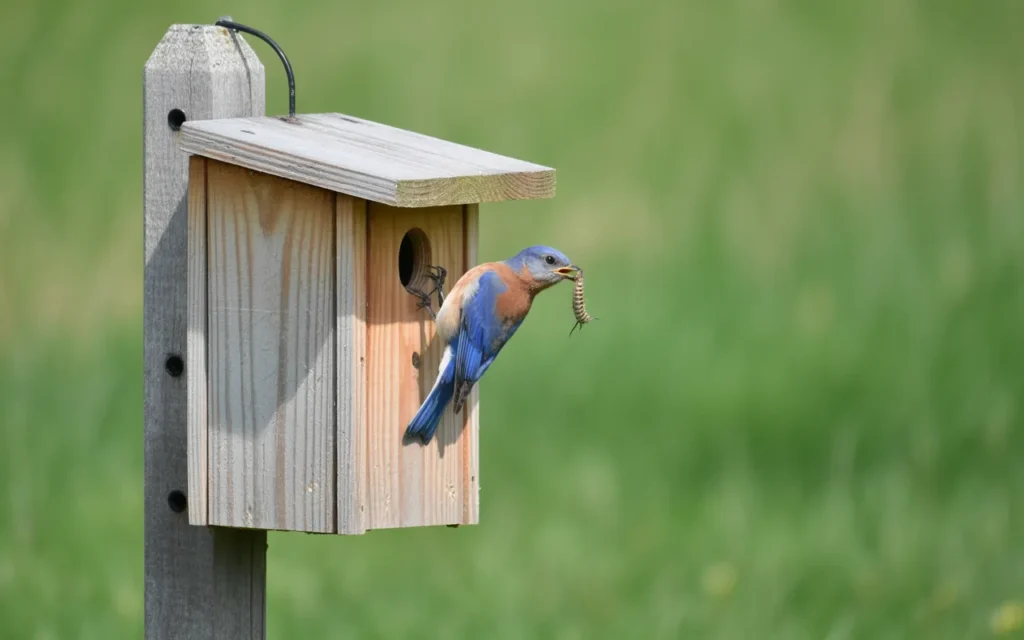
Providing a place for birds to raise their young is the key to turning transient visitors into long-term residents. Putting up birdhouses, also known as nest boxes, is a wonderful way to support cavity-nesting species like bluebirds, chickadees, wrens, and titmice.
The crucial detail is choosing the right house for the bird you want to attract. The size of the entrance hole is the most important factor. A 1 1/8″ hole is perfect for wrens and chickadees, while a 1 1/2″ hole is what a bluebird needs.
A house with the wrong sized hole will either not be used or will be taken over by more aggressive, non-native species.
A classic and well-regarded option is the {Nature’s Way Bluebird House}, which has the correct dimensions and features for attracting these beautiful birds.
Place the house on a pole in an open area, facing away from prevailing winds, for the best chance of occupancy.
8. Stop Using Pesticides and Herbicides
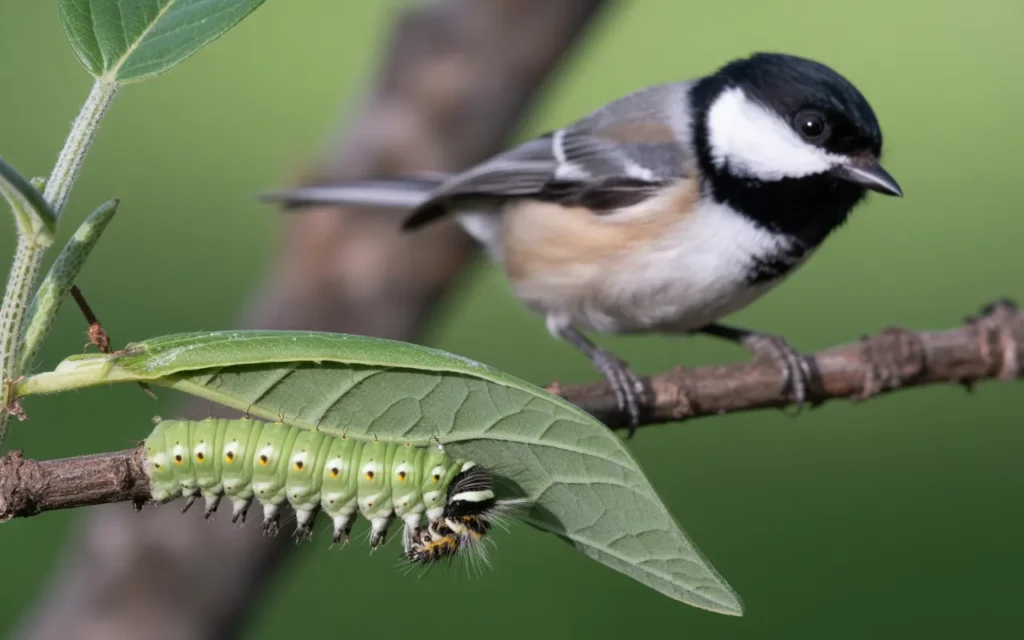
Creating a healthy backyard birds sanctuary means creating a healthy ecosystem, and that ecosystem runs on insects. Over 96% of terrestrial birds feed insects to their young. Caterpillars, in particular, are the baby food of the bird world—soft, nutritious, and plentiful.
When you use pesticides in your garden, you are not just killing “pests”; you are eliminating the primary food source that birds need to successfully raise their families.
Herbicides that kill “weeds” like clover and dandelions also remove valuable sources of seeds and nectar for birds and pollinators.
Going organic and embracing a little imperfection is one of the most profound things you can do. A healthy garden full of insects is a sign of a thriving sanctuary, not a problem to be solved.
9. Offer Nesting Materials
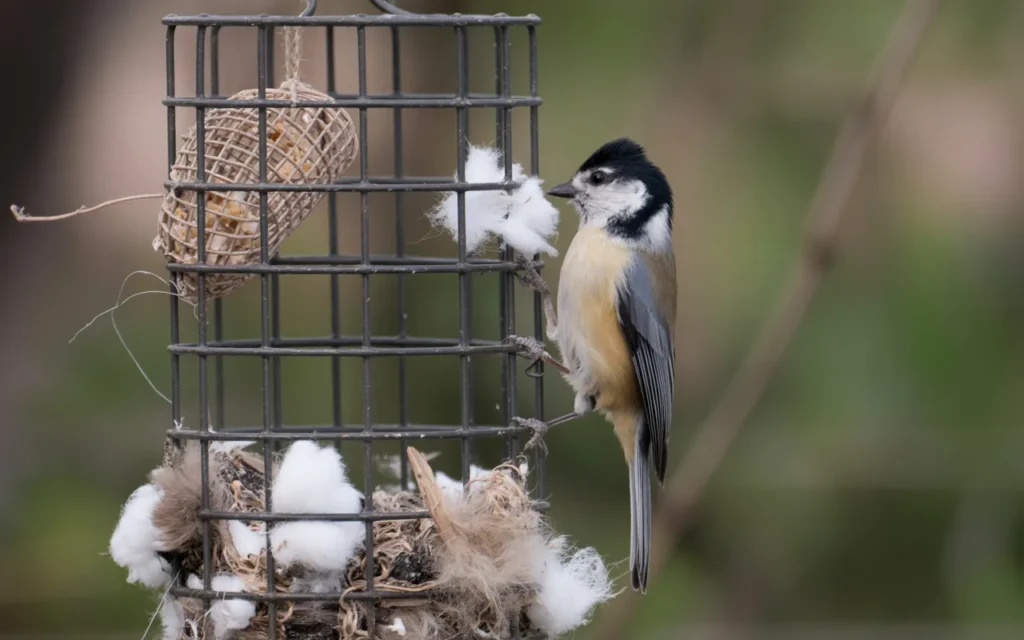
In the spring, birds are busy architects, meticulously building their nests. You can help them out by providing a supply of natural, safe nesting materials. Birds use a wide variety of items, from twigs and grass to mud and spiderwebs.
You can easily create a nesting material station by filling a suet cage or a mesh onion bag with appropriate materials.
Good options include short lengths of cotton string or yarn (no longer than 4 inches to prevent entanglement), pet fur (if you don’t use flea/tick treatments), small twigs, dry grass, and moss.
Avoid synthetic materials like plastic strips, dryer lint (it dissolves when wet), and human hair. Watching a titmouse or a finch pull a piece of fluff from your offering and fly off to its nest is an incredibly rewarding experience.
10. Create a Hummingbird Haven
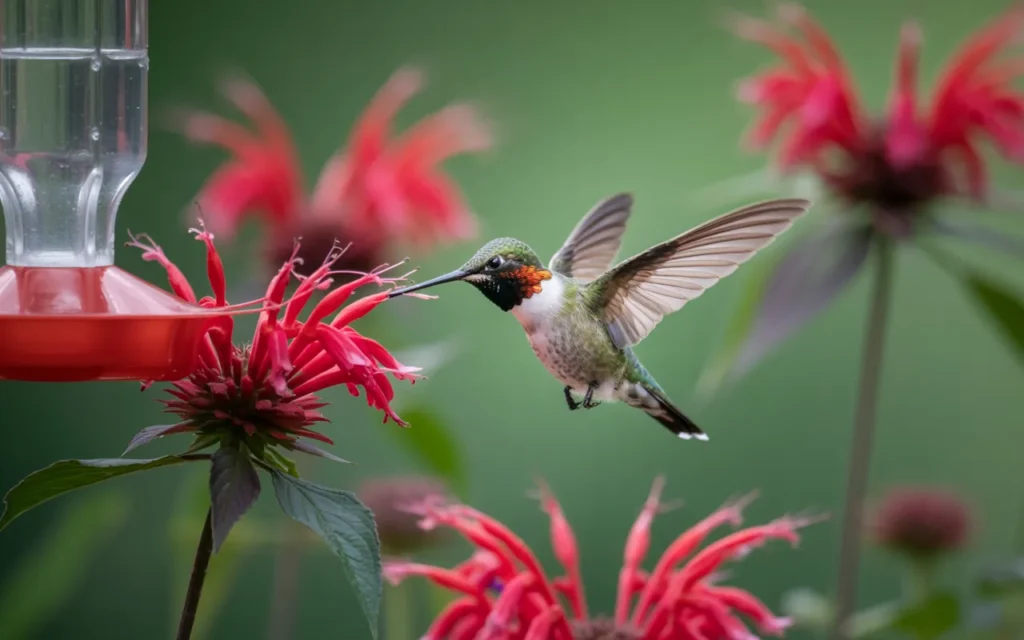
Hummingbirds are the dazzling jewels of the bird world, and creating a space specifically for them is a joy. This involves more than just a feeder.
While a hummingbird feeder is a great start, you should also plant a variety of red, tubular-shaped flowers. Hummingbirds are visually guided to their food, and red is their primary “go-to” color.
Plant flowers like red Bee Balm (Monarda), Cardinal Flower (Lobelia cardinalis), Trumpet Vine, and various salvias.
A mix of these plants will provide a continuous supply of natural nectar from spring through fall.
A good hummingbird feeder, like the {First Nature Hummingbird Feeder}, is easy to clean, which is critical since the sugar-water solution needs to be changed every few days.
A dedicated hummingbird corner with a feeder and the right flowers will become a hub of mesmerizing activity.
11. Add a Dust Bathing Area
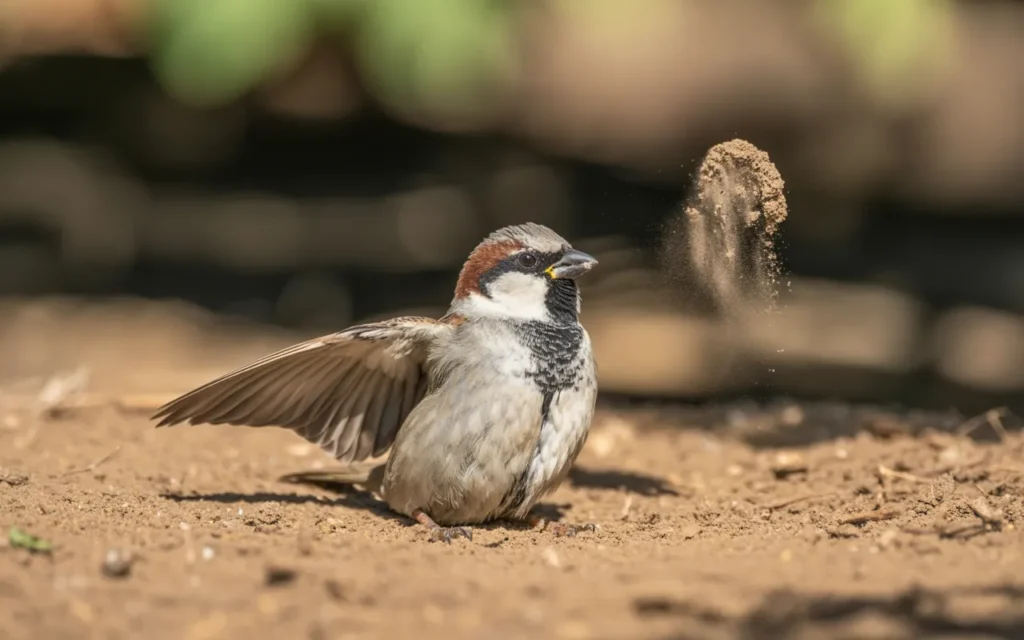
We’ve talked about water baths, but many birds also engage in “dust bathing.” They will fluff around in an area of dry, fine soil or dust, working the particles into their feathers.
This is a natural behavior that helps them control parasites like mites and lice and absorb excess oil from their feathers.
You can easily create a dust bath for them. Find a sunny, dry spot in your yard and simply clear a small area of vegetation, loosening the soil. Or, you can fill a shallow container, like a large plant saucer, with a mix of fine sand and loose, dry dirt.
Watching a sparrow or a wren vigorously wriggle around in a dust bath is a charming and amusing sight, and it’s another simple way to provide for their natural needs.
12. Protect Birds from Window Collisions
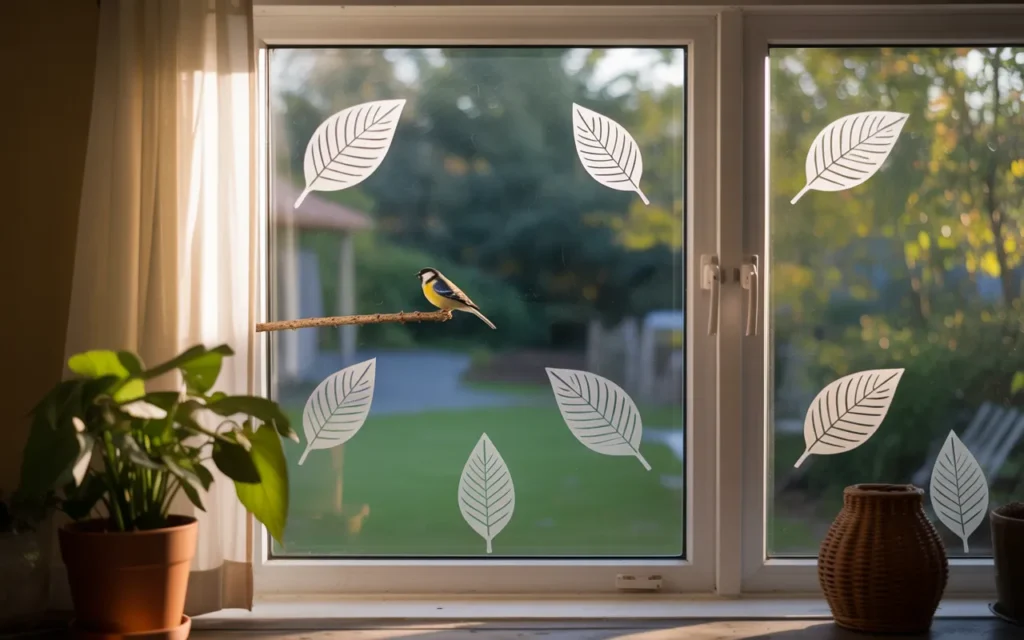
A backyard birds sanctuary should be a safe place, and one of the biggest dangers to birds in suburban areas is window collisions. Birds don’t see glass; they see the reflection of the sky and trees and think it’s a clear flight path. Millions of birds die from window strikes every year.
Fortunately, there are simple, effective solutions. The key is to break up the reflection on the outside of the glass. You can apply special decals, like the {WindowAlert UV-Reflecting Decals}.
These decals look like frosted glass to us, but because birds can see ultraviolet light, they appear as a brilliant, glowing warning sign to them.
Placing these on your largest and most problematic windows is a simple, compassionate act that can save lives and ensure your sanctuary is truly safe.
Quick-Reference Product Table
Here is a summary of the helpful products mentioned to help you build your beautiful and enchanting backyard birds sanctuary.
| Product Name | Brand | Key Benefit |
|---|---|---|
| {Nature’s Hangout Window Bird Feeder} | Nature’s Hangout | Provides an incredibly close and personal view of birds. |
| {Wagner’s Nyjer Seed Bird Food} | Wagner’s | A high-quality, specialized food to attract goldfinches. |
| {Allied Precision Solar Birdbath Water Wiggler} | Allied Precision | Creates moving water to attract more birds to your birdbath. |
| {Fiskars D-Handle Round Point Shovel} | Fiskars | A durable, ergonomic shovel for planting trees and shrubs. |
| {Fiskars PowerGear2 Loppers} | Fiskars | Makes cutting branches for your brush pile easy and efficient. |
| {Nature’s Way Bluebird House} | Nature’s Way | A properly designed house to attract beautiful bluebirds. |
| {WindowAlert UV-Reflecting Decals} | WindowAlert | An easy and effective way to prevent deadly window collisions. |
Conclusion: The Joy of Creating a Living Sanctuary
Building a backyard birds sanctuary is a journey, not a destination. It’s a series of small, thoughtful actions that, over time, create a rich and living landscape that gives back to you every single day.
The joy you’ll feel when you see a mother bluebird feeding her babies in a house you provided, or when you watch a flock of goldfinches descend on your feeder like a shower of gold, is immeasurable.
You don’t have to do everything at once. Start small. Put up a feeder and a birdbath. Plant one native shrub. Let one corner of your yard grow a little wild. Every step you take makes your yard a more welcoming place for wildlife.
You have the power to create a space that not only enhances your own life with beauty and wonder but also provides a vital refuge for the beautiful creatures we share our world with. Your enchanting backyard birds sanctuary is waiting to be created.
