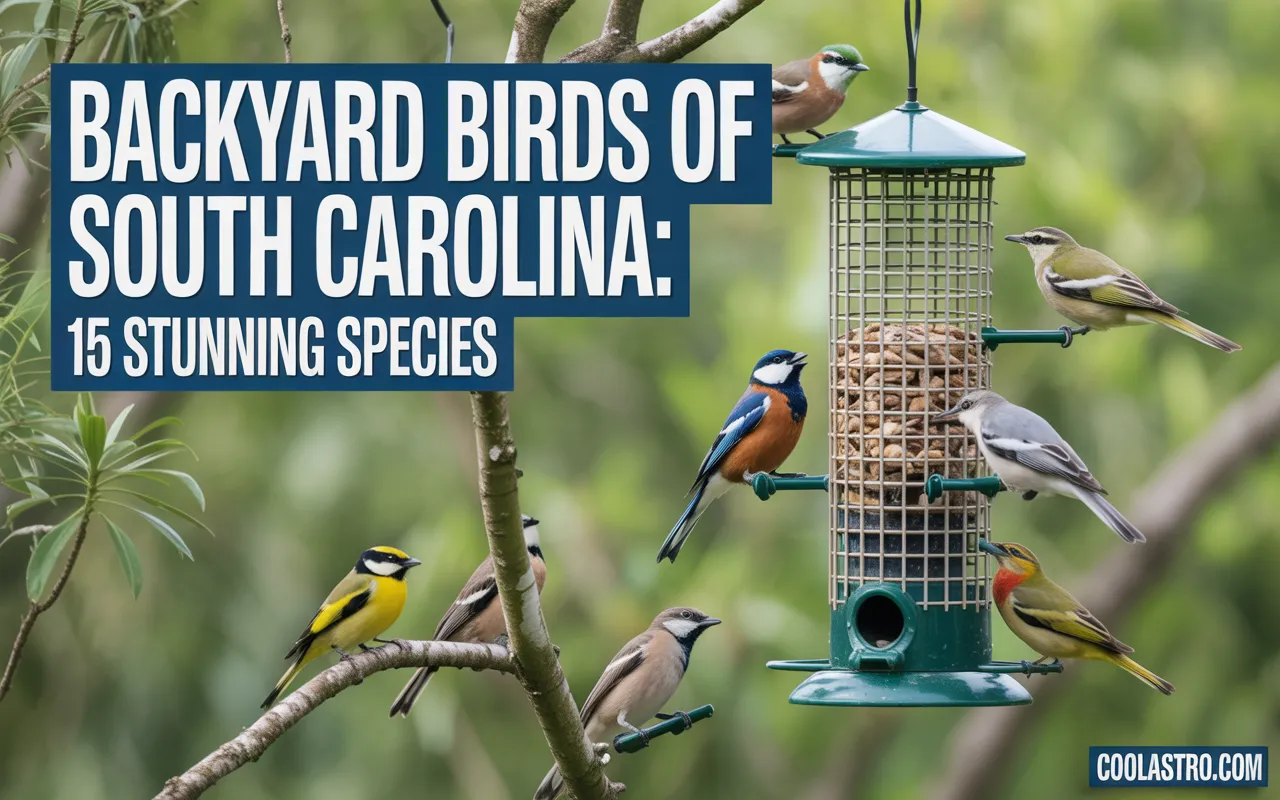
South Carolina is a paradise for bird lovers. With its diverse landscapes, from coastal plains to rolling hills, the Palmetto State hosts an incredible variety of beautiful birds.
You don’t even need to travel far to see them; many stunning species can be found right in your own backyard. If you’ve ever wondered about the colorful visitors at your feeder, you’ve come to the right place.
This guide will introduce you to 15 of the most common and captivating backyard birds of South Carolina.
We’ll cover what they look like, what they eat, and how you can make your yard more inviting for them.
Get ready to turn your backyard into a bustling bird sanctuary and start identifying your feathered neighbors today.
Identifying Common Backyard Birds of South Carolina
1. Northern Cardinal
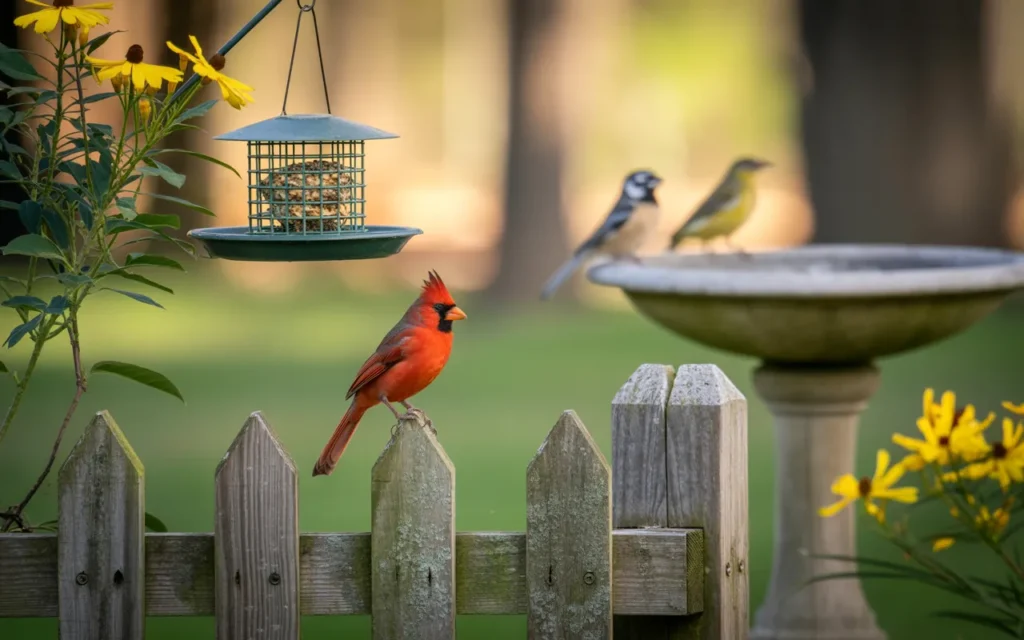
Perhaps the most recognizable backyard bird, the male Northern Cardinal is impossible to miss with his brilliant red plumage, pointed crest, and black mask.
Females are equally lovely, though more subdued, with warm tan feathers and reddish tinges on their crest, wings, and tail.
Cardinals are year-round residents and frequent visitors to feeders. They have strong, thick beaks perfect for cracking open seeds.
To attract them, fill a platform or hopper feeder with black oil sunflower seeds and safflower seeds. They aren’t shy and will often be the first and last birds at your feeder each day.
2. Carolina Wren
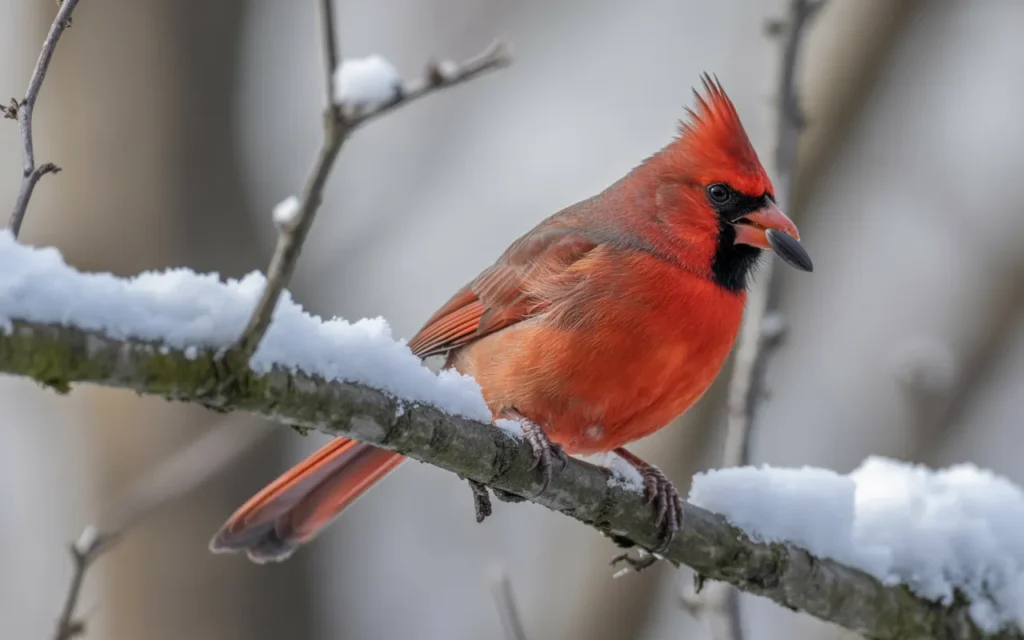
This tiny, energetic bird is the state bird of South Carolina. The Carolina Wren is a rich cinnamon-brown color with a distinctive white “eyebrow” stripe and a long, upward-cocked tail.
Despite their small size, they have an incredibly loud and melodious song that you can hear all year long.
Carolina Wrens are insect-eaters, so they love exploring brush piles, shrubs, and woodpiles. They are also drawn to suet feeders, especially in winter.
Providing a {C&S High Energy Suet Delight} will give them a much-needed fat and protein boost when insects are scarce. They are also known for building nests in curious places, like hanging planters or old boots!
3. Blue Jay
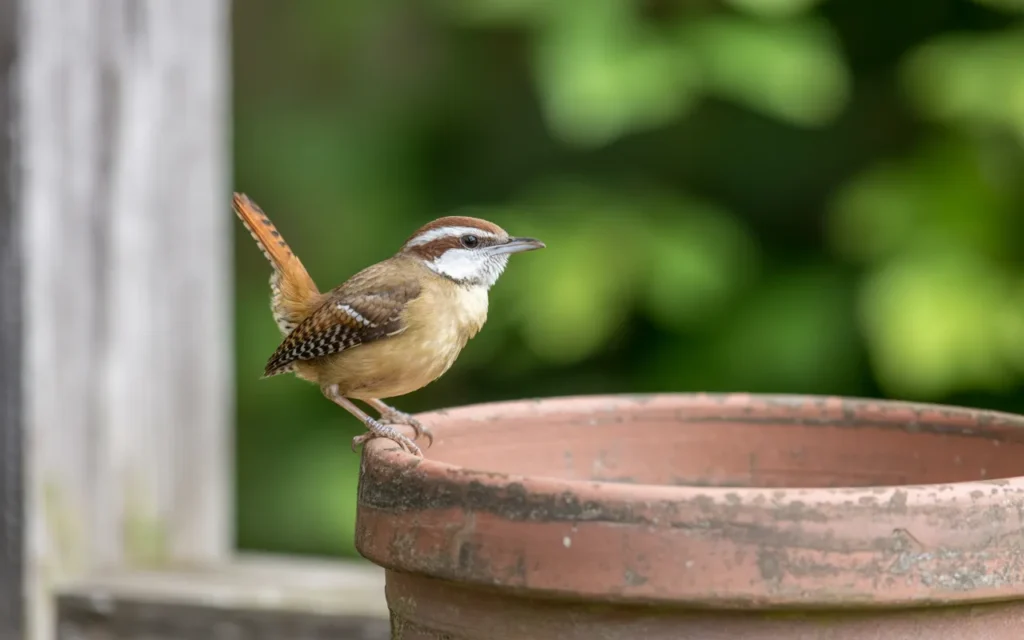
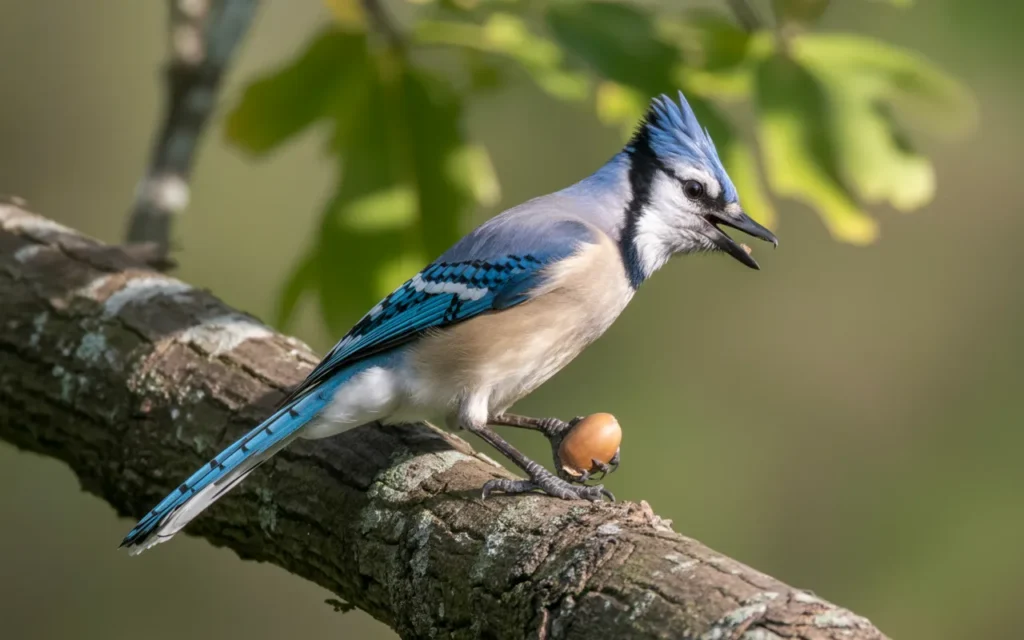
Loud, intelligent, and strikingly beautiful, the Blue Jay is a common sight. They sport various shades of blue on their crest, back, and wings, contrasted with a white belly and a black “necklace.”
Their wings and tail are barred with black, creating a stunning pattern.
Blue Jays have a varied diet but are particularly fond of acorns and large nuts. At the feeder, they love peanuts, corn, and sunflower seeds. Because of their size, they prefer tray feeders or a specialized peanut wreath.
The {Gray Bunny Platform Feeder} is perfect for them, as it provides ample space and can hold the larger seeds they enjoy.
4. Mourning Dove
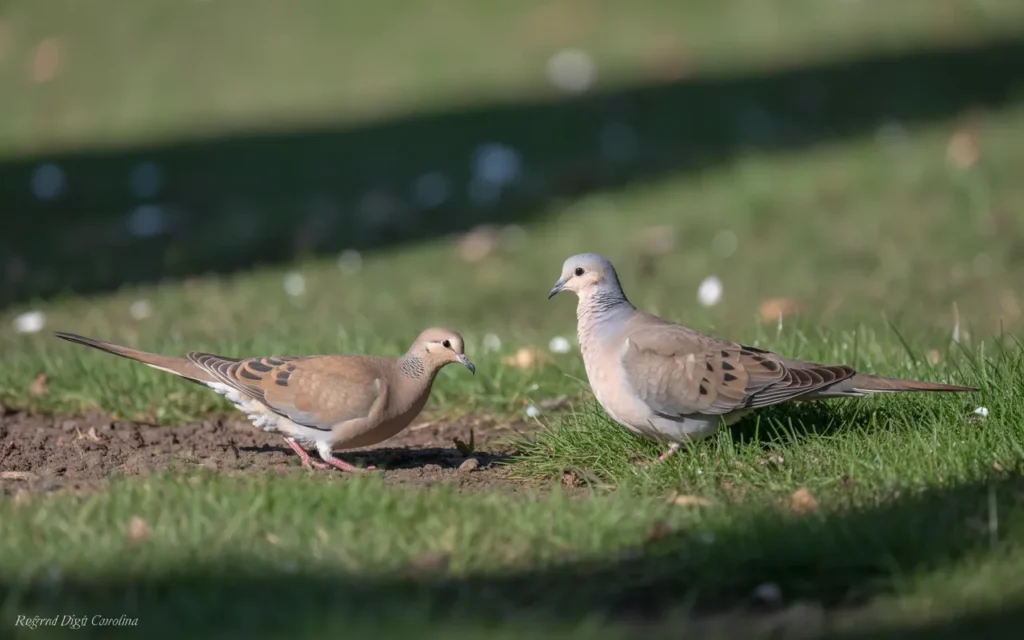
Known for their gentle cooing song, Mourning Doves are slender, graceful birds with soft, grayish-tan feathers. They have a delicate head, black spots on their wings, and a long, pointed tail. When they take flight, their wings make a distinct whistling sound.
Mourning Doves are ground-foragers and primarily eat seeds. You will often see them cleaning up spilled seeds below your hanging feeders.
To make them feel more welcome, you can scatter some cracked corn or millet on the ground or use a low platform feeder. They are peaceful birds that often travel in pairs or small flocks.
5. Carolina Chickadee
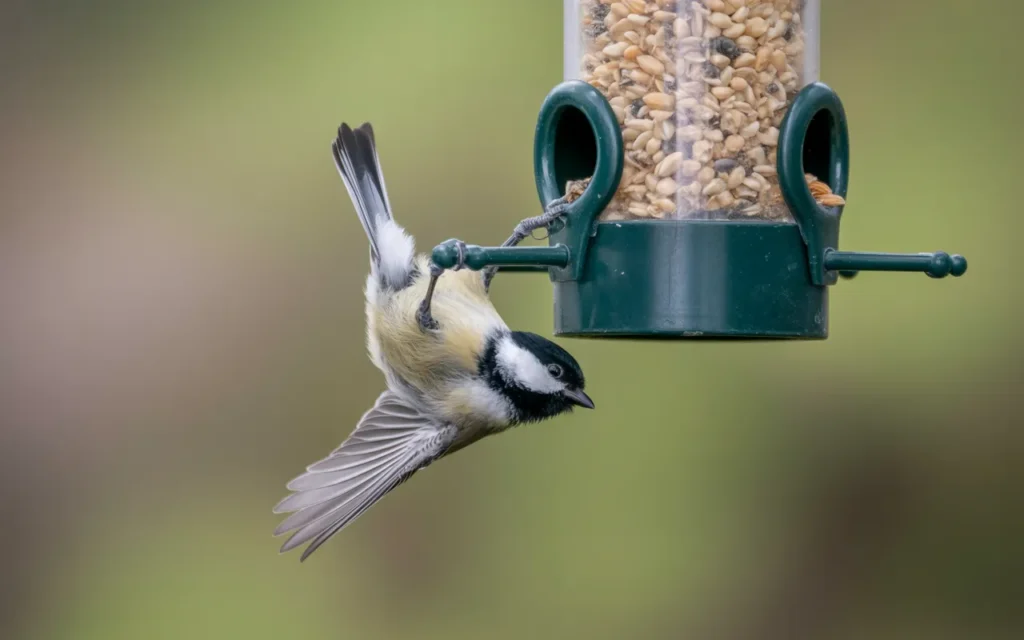
A tiny, acrobatic bird with a big personality, the Carolina Chickadee is a delightful visitor. It has a black cap and “bib,” bright white cheeks, a soft gray back, and a buff-colored belly. You’ll often hear their cheerful “chick-a-dee-dee-dee” call as they flit through the trees.
Chickadees love black oil sunflower seeds and suet. They are nimble enough to cling to almost any type of feeder, including tube feeders and suet cages.
Their trusting nature means they can become quite bold, sometimes even eating from a person’s hand with enough patience.
6. Tufted Titmouse
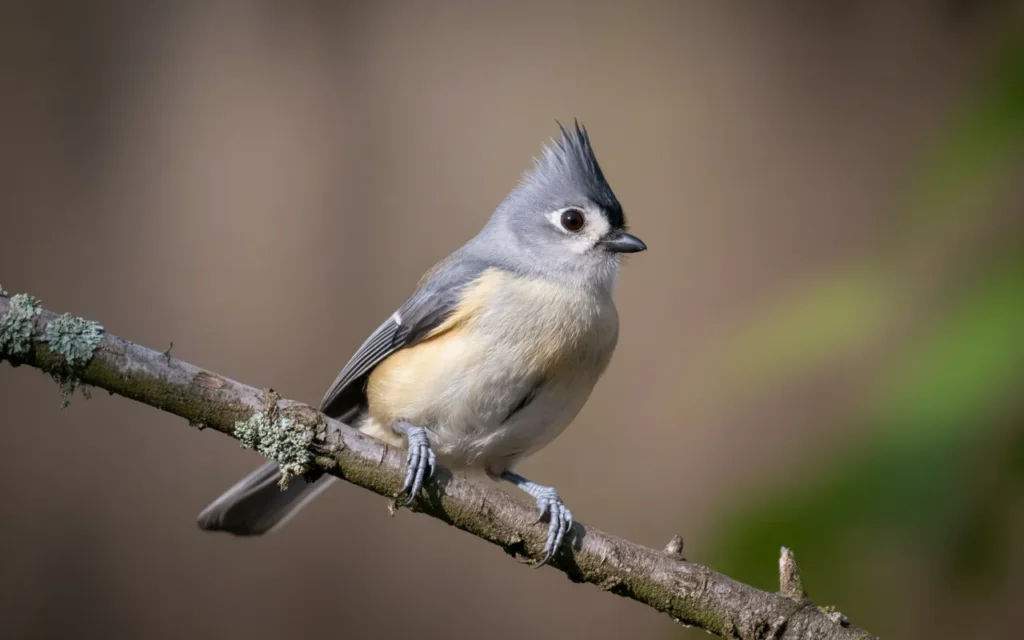
Closely related to the chickadee, the Tufted Titmouse is a small gray bird with a prominent crest, large black eyes, and a peachy-orange wash on its sides.
They are active and vocal, often traveling in mixed flocks with chickadees and nuthatches.
Like their chickadee cousins, titmice love sunflower seeds, suet, and peanuts. They will take a seed from the feeder and fly to a nearby branch to crack it open. A sturdy feeder like the {Brome Squirrel Buster Standard} is a great investment, as it keeps hungry squirrels away while allowing these smaller birds to feed peacefully.
7. Eastern Bluebird
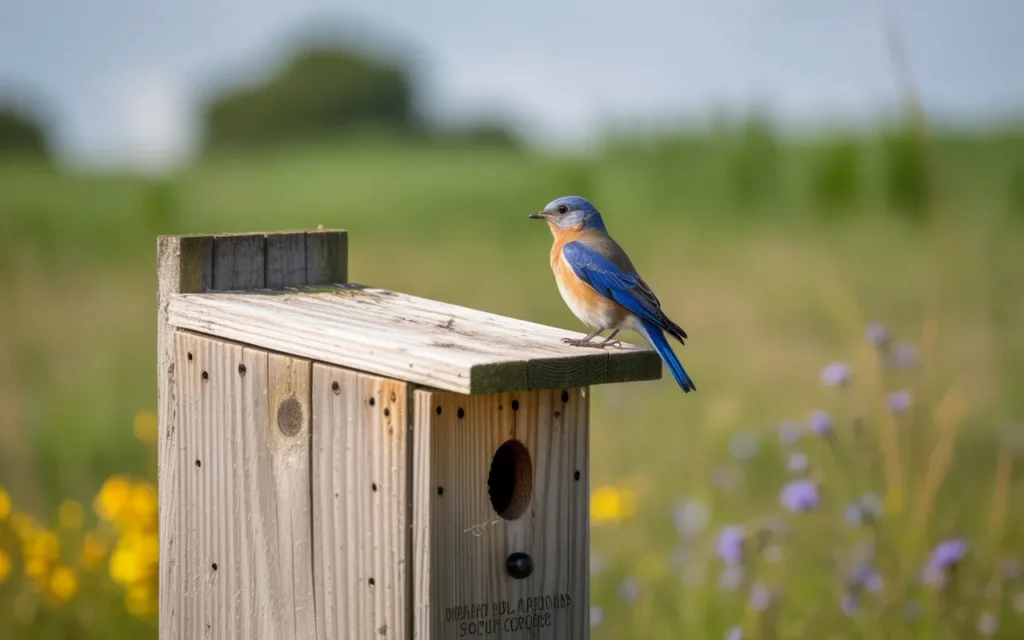
Spotting an Eastern Bluebird is a true delight. The male is a brilliant sky blue on his head, back, and wings, with a warm, rusty-red throat and breast. Females are grayer but have distinct blue tinges on their wings and tail.
Bluebirds primarily eat insects they catch in open, grassy areas. They are not typical feeder birds, but you can attract them with mealworms offered in a specialized bluebird feeder.
They also need specific nesting sites. Installing a {Nature’s Way Cedar Bluebird Box} on a post in an open part of your yard can convince a pair to raise a family in your backyard.
8. Downy Woodpecker
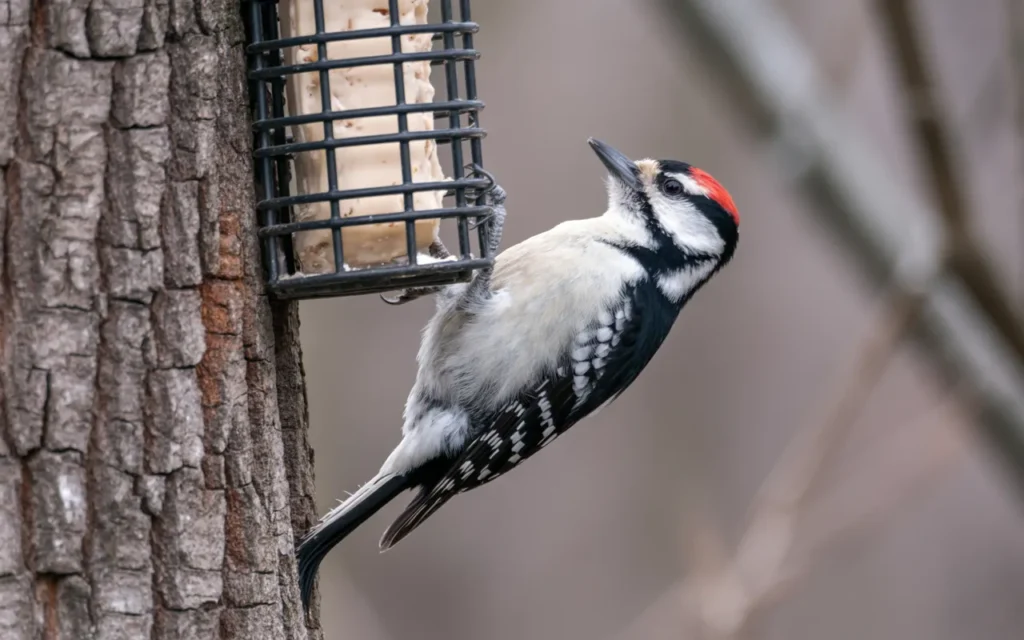
The Downy Woodpecker is the smallest woodpecker in North America. It has a distinctive black-and-white checkered pattern, a white belly, and a white stripe down its back.
Males have a small red patch on the back of their head. They can often be seen hitching their way up tree trunks and feeder poles.
Downy Woodpeckers love suet above all else. A simple suet cage feeder is the best way to attract them. They also eat insects found in tree bark, and you may occasionally see them at a seed feeder trying out sunflower seeds.
Your South Carolina Birdwatching Product Guide
Here is a quick summary of the products mentioned in this guide to help you attract some of these stunning backyard birds of South Carolina.
| Product Name | Brand | Best For |
|---|---|---|
| High Energy Suet Delight | C&S | Attracting wrens, woodpeckers, and nuthatches |
| Platform Feeder | Gray Bunny | Serving larger seeds to jays and cardinals |
| Squirrel Buster Standard | Brome | Keeping squirrels out of your bird seed |
| Cedar Bluebird Box | Nature’s Way | Providing a safe nesting site for bluebirds |
| Thistle Finch Feeder | Stokes Select | Feeding Nyjer seed to goldfinches |
| Hummingbird Feeder | First Nature | Offering nectar to hummingbirds |
| Polyresin Bird Bath | VIVOHOME | Providing a clean water source for all birds |
Conclusion: Enjoy Your Feathered Friends
Creating a welcoming habitat is the first step to enjoying the amazing diversity of backyard birds of South Carolina. By providing food, water, and shelter, you can attract many of the beautiful species on this list and more. Birdwatching is a peaceful and rewarding hobby that connects you with the natural world just outside your window.
Start with one or two feeders and a bird bath, and pay attention to who shows up. You’ll soon learn their habits and songs. We hope this guide helps you identify and appreciate the stunning birds that call the Palmetto State home. Happy birding
