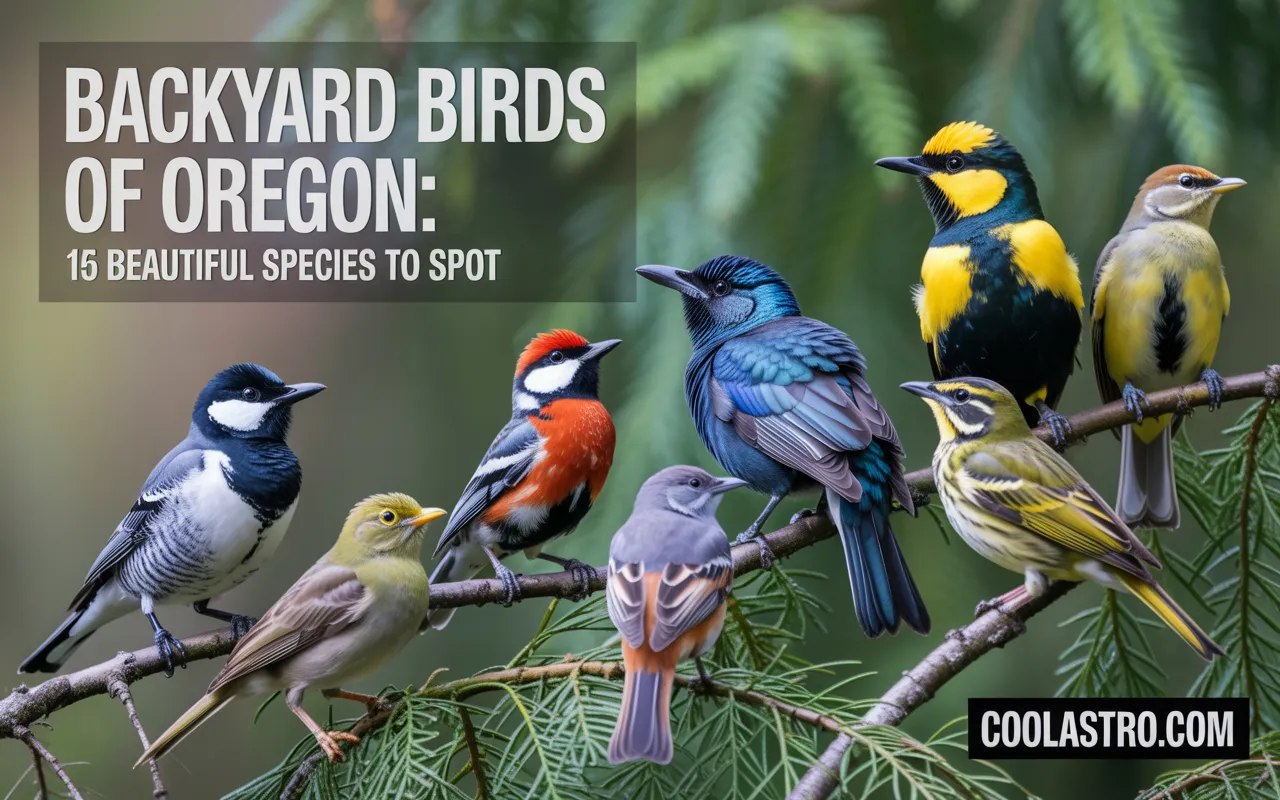
Oregon’s diverse landscapes, from the rugged coast to the high desert and lush forests, make it a haven for an incredible array of wildlife.
For bird enthusiasts, this means you don’t have to venture far to find stunning feathered creatures.
Many of Oregon’s most beautiful birds can be spotted right from your window, turning your yard into a personal nature preserve.
This guide is designed to help you identify 15 of the most common and captivating backyard birds of Oregon.
We will explore what makes each species unique, what they like to eat, and simple ways you can attract them to your own space.
Let’s begin this exciting journey of discovering the wonderful avian neighbors that call the Beaver State home.
Identifying Common Backyard Birds of Oregon
1. Steller’s Jay
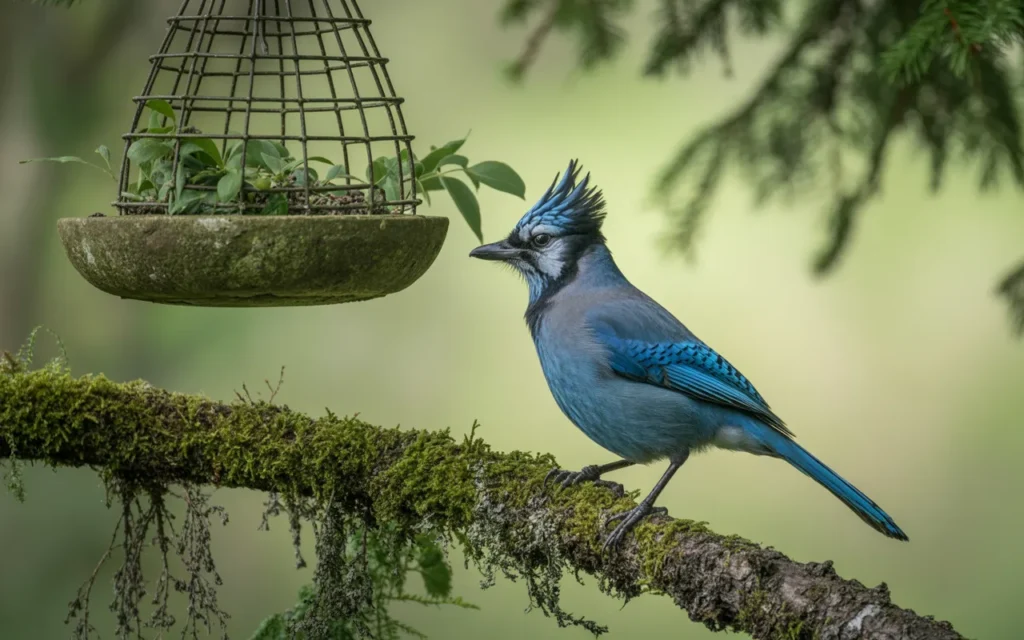
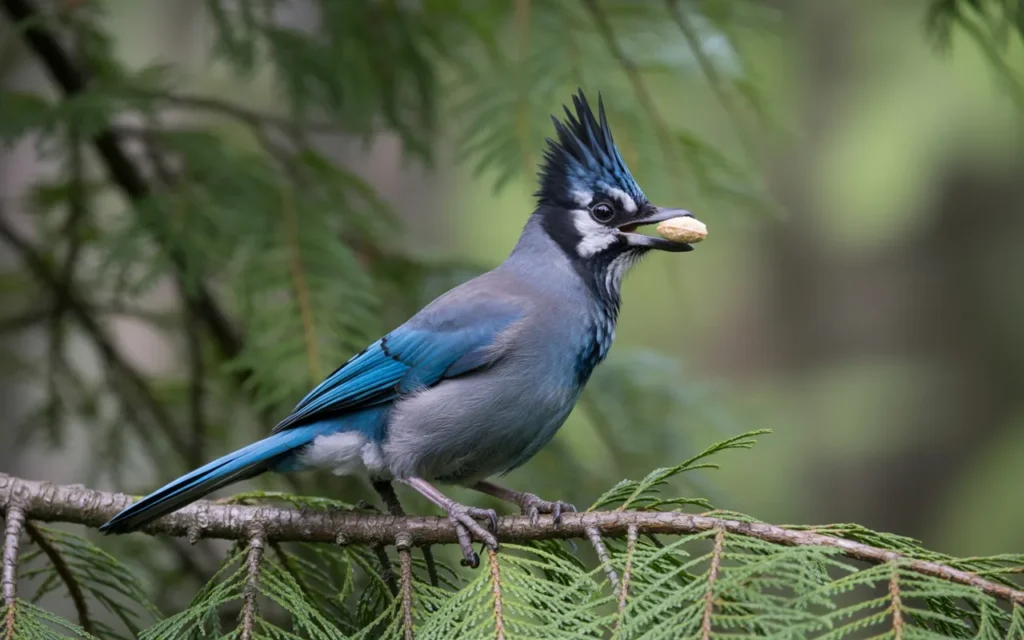
With its striking deep blue body, black crest, and bold personality, the Steller’s Jay is an unforgettable sight. This intelligent bird is a common resident in the coniferous forests of western Oregon.
They are known for their loud, raspy calls and their habit of mimicking other birds, like hawks.
Steller’s Jays are omnivores with a love for peanuts, suet, and sunflower seeds. Due to their size, they prefer a sturdy feeding station.
The {Woodlink Going Green Platform Feeder}, made from recycled plastic, is an excellent choice as it provides plenty of space for them and can hold the larger nuts and seeds they enjoy.
2. Black-capped Chickadee
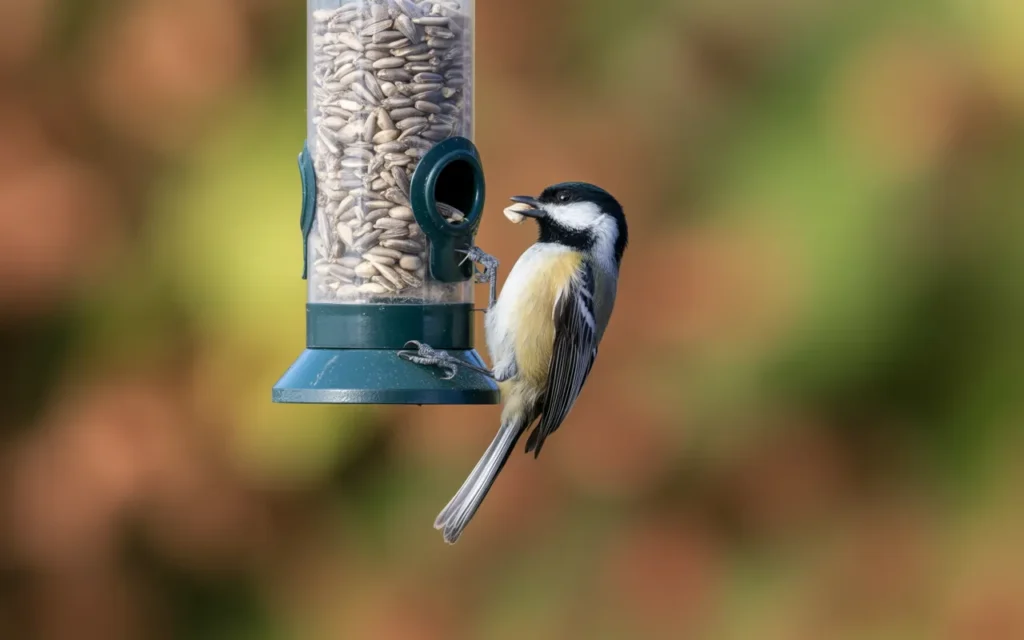
Tiny, curious, and endlessly charming, the Black-capped Chickadee is a favorite among backyard birdwatchers. It’s easily identified by its black cap and bib, white cheeks, and soft gray back.
Their cheerful “chick-a-dee-dee-dee” call is a familiar sound in gardens and woodlands across the state.
These acrobatic birds are not picky eaters and love black oil sunflower seeds, suet, and peanuts.
They will happily cling to almost any feeder. To help them through the cold, wet Oregon winters, consider offering a high-energy food source like the {C&S Peanut Delight Suet Cake}, which provides essential fat and protein.
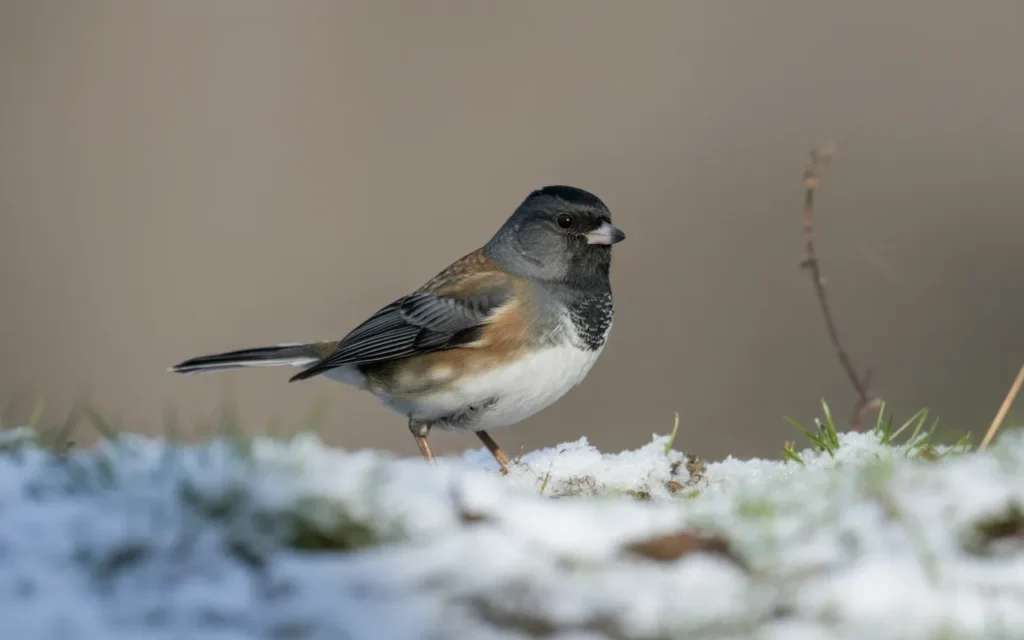
3. Dark-eyed Junco (Oregon Subspecies)
Often called “snowbirds,” Dark-eyed Juncos are a common sight, especially in winter. The “Oregon” subspecies is particularly distinctive, with a dark black hood, a warm brown back, a pinkish-brown wash on its sides, and a clean white belly. A flash of their white outer tail feathers is a key identifier as they fly away.
Juncos are primarily ground-feeders, preferring to hop around beneath feeders to clean up fallen seeds. They love millet and cracked corn. To make them feel more welcome, you can scatter seeds on the ground or use a low-profile ground feeder.
4. Northern Flicker
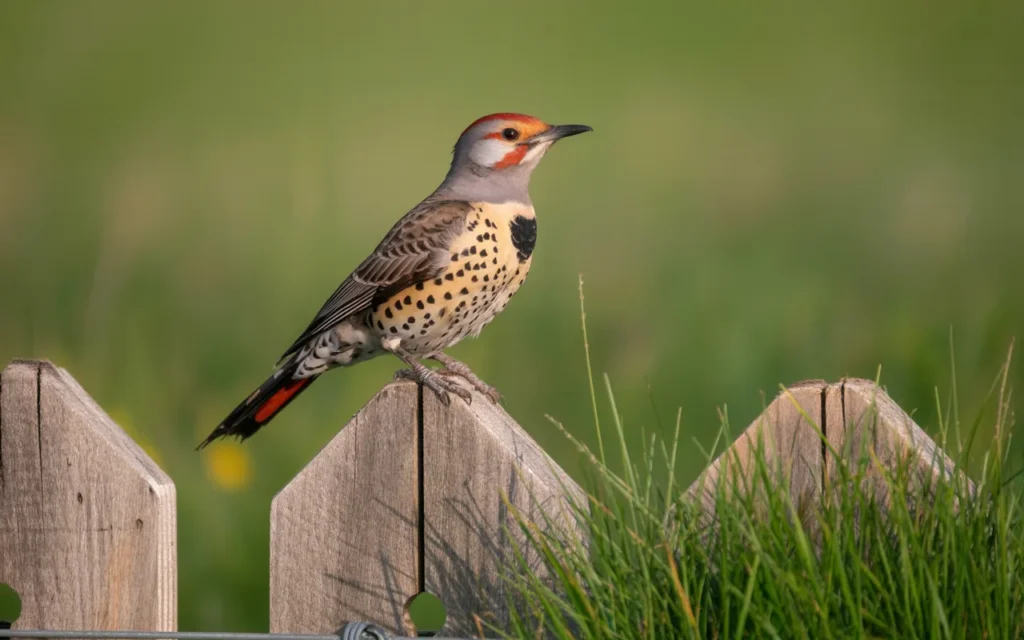
The Northern Flicker is a large and handsome woodpecker, but you’re just as likely to see it on the ground as you are in a tree.
The “Red-shafted” variety common in Oregon has a brownish-gray patterned back, a spotted belly, and flashes of salmon-pink under its wings and tail in flight. Males have a red “mustache” stripe.
While they do hammer on wood for insects, Flickers also love to eat ants from the ground. They are also frequent visitors to suet feeders.
Planting native berry-producing shrubs can also help attract these beautiful birds to your backyard.
5. American Robin
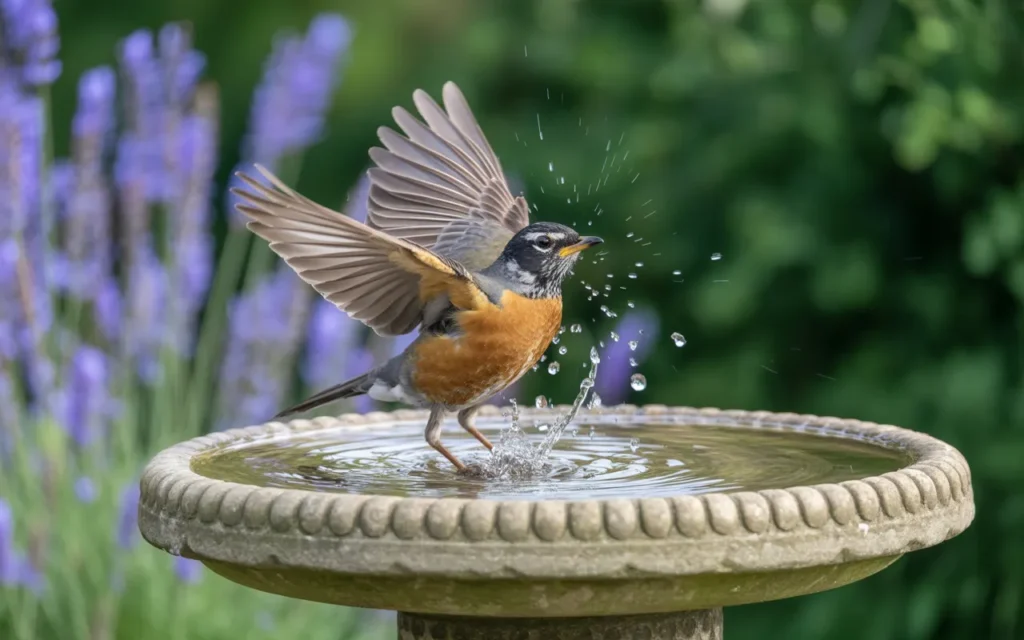
A quintessential backyard bird, the American Robin is known for its gray back, dark head, and cheerful brick-red breast.
They are a common sight hopping across lawns, pausing to listen for the telltale movement of an earthworm beneath the soil.
Robins don’t typically eat seeds from feeders, but they are highly attracted to water and fruit. Placing a bird bath in your yard is one of the best ways to attract them.
The {VIVOHOME 2-in-1 Polyresin Bird Bath} is a fantastic choice, as its shallow basin is perfect for robins and other birds to drink and splash in. In winter, you can also offer them mealworms or chopped apples on a tray feeder.
6. Spotted Towhee
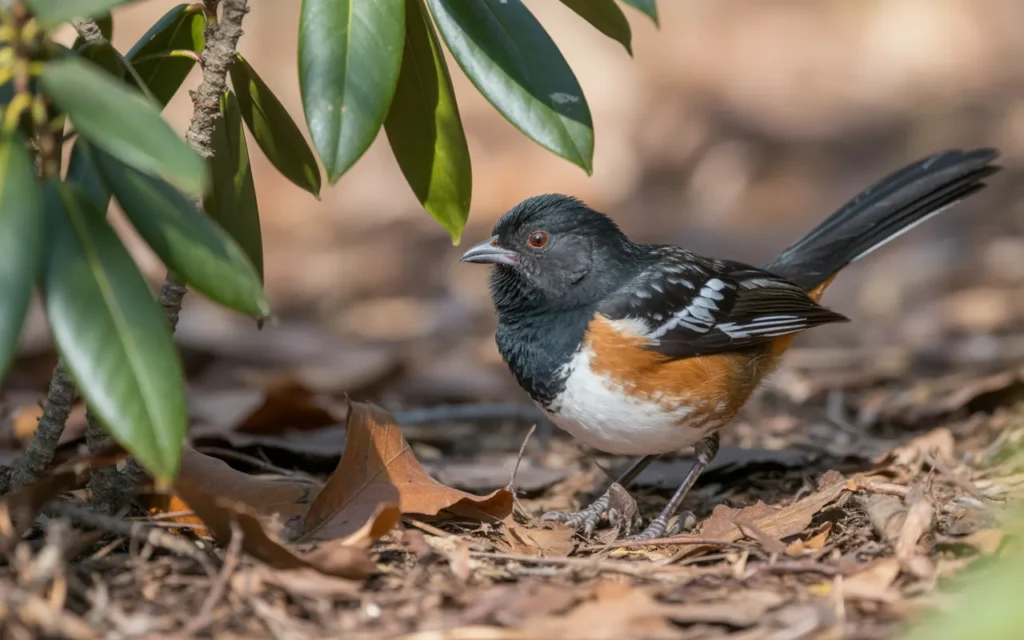
The Spotted Towhee is a striking bird often found scratching in the underbrush. Males have a black head and back, warm reddish-brown sides, and a white belly with white spots on their wings and back. Their call is a loud, buzzy trill.
These birds spend most of their time on the ground, using a two-footed hop-and-scratch technique to uncover insects and seeds in the leaf litter.
Providing dense shrubs and a brush pile will make them feel secure. They will also visit ground feeders for mixed seeds and black oil sunflower seeds.
7. Song Sparrow
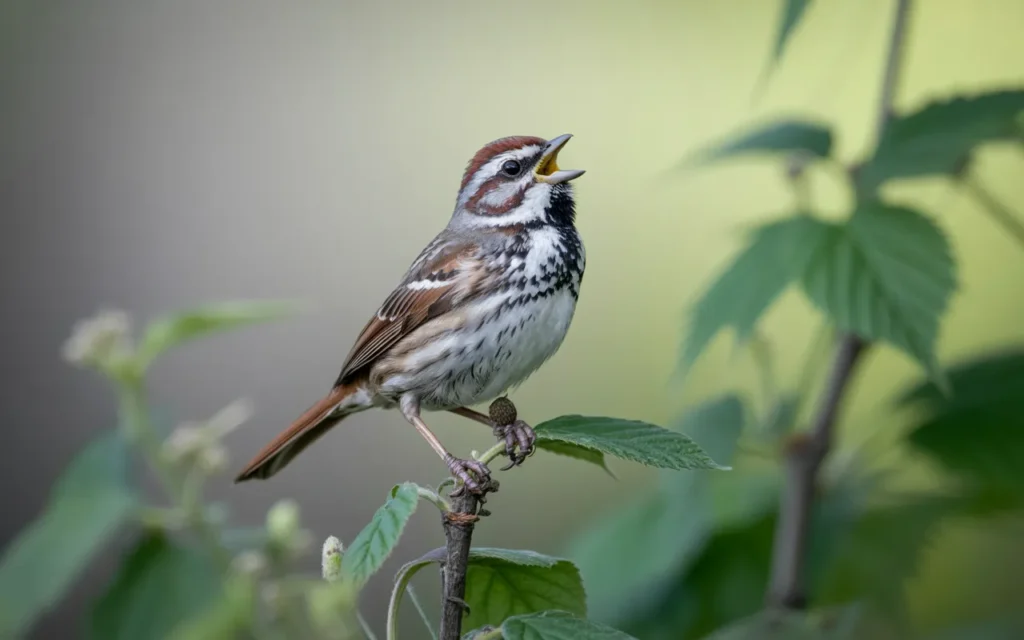
While its streaky brown appearance might seem plain at first, the Song Sparrow is a bird full of character and known for its beautiful, complex song. Look for the dark central spot on its streaked breast, a key field mark.
Song Sparrows are adaptable and can be found in a variety of habitats, including suburban backyards. They forage on the ground for insects and seeds.
They appreciate a bit of cover, so planting native grasses and shrubs will encourage them to stick around. They’ll happily eat millet and sunflower seeds scattered on the ground or on a low platform feeder.
8. Downy Woodpecker
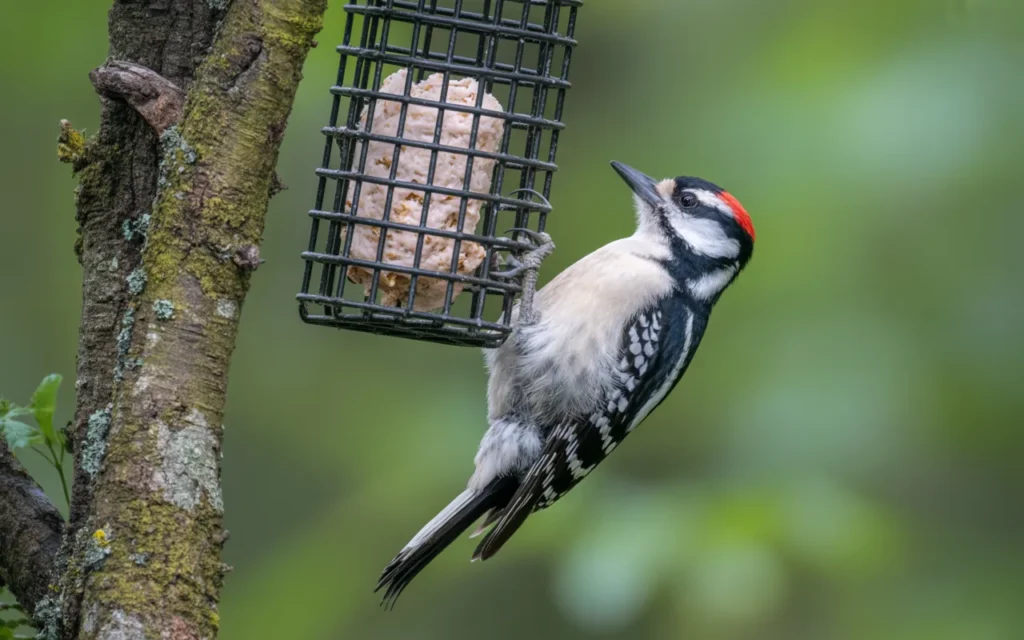
The Downy Woodpecker is North America’s smallest woodpecker, a tiny and energetic visitor to feeders and trees.
It has a black-and-white checkered appearance, a white stripe down its back, and a small bill. Males sport a small red patch on the back of their heads.
These woodpeckers are experts at finding insects in tree bark, but they are also huge fans of suet. Hanging a simple suet cage is the easiest way to make your yard a Downy hotspot. A good set of {Audubon Park Suet Cakes} will keep them coming back all year long.
9. American Goldfinch
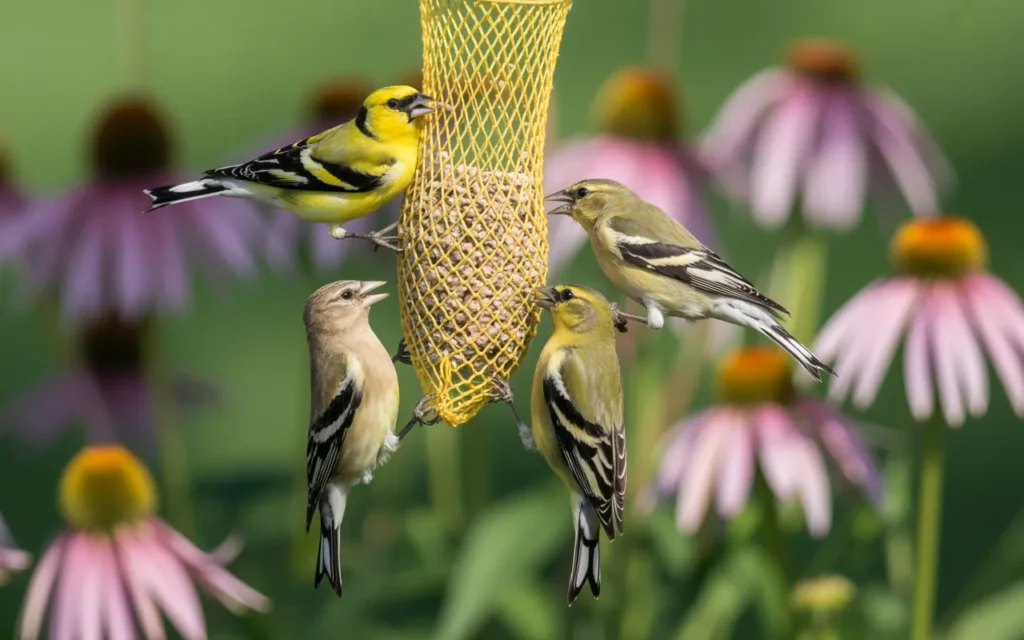
The American Goldfinch brings a splash of sunshine to any backyard. In spring and summer, the male is a brilliant lemon yellow with a neat black cap and black wings.
Females are a more subdued olive-yellow. In winter, they molt into a duller brownish color but remain frequent feeder visitors.
Goldfinches specialize in eating tiny seeds, with Nyjer (thistle) seed being their absolute favorite. To attract a flock, you’ll need a special finch feeder with small ports. The {Perky-Pet Finch Feeder} is a great option, allowing multiple goldfinches to feed at once.
10. Anna’s Hummingbird
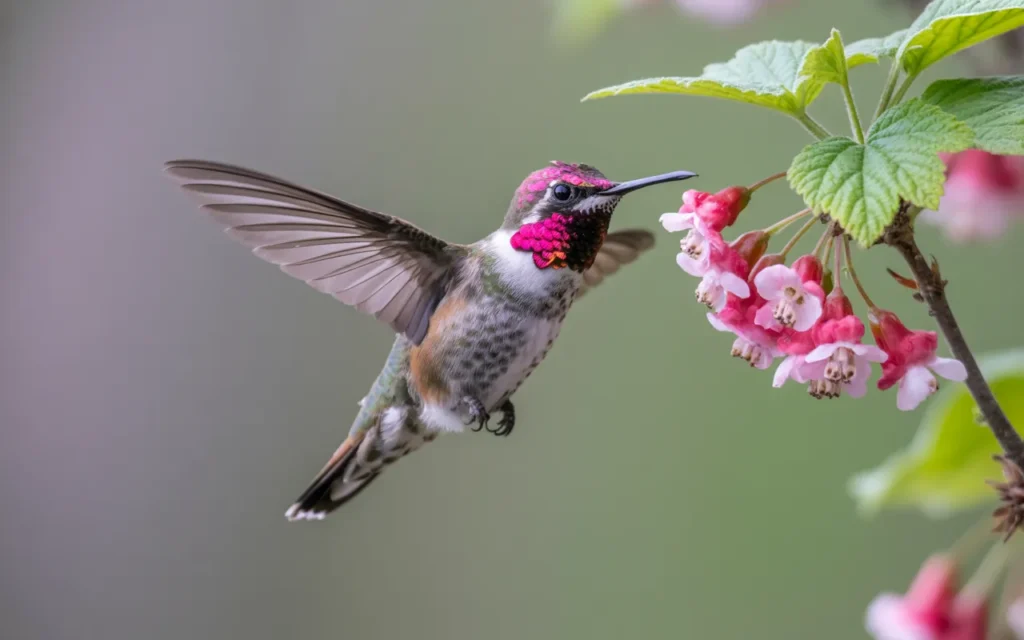
Once found mainly in California, the Anna’s Hummingbird has expanded its range and is now a year-round resident in many parts of Oregon.
The male has a stunning iridescent magenta head and throat that flashes in the light, set against a green-gray body. Females are mostly green with a small spot of red on the throat.
These tiny marvels feed on nectar from flowers and small insects. You can attract them by planting nectar-rich native plants like red-flowering currant and fuchsia.
Supplementing with a nectar feeder is also highly effective. The {First Nature Hummingbird Feeder} is easy to clean and fill with a simple homemade nectar solution (1 part sugar to 4 parts water).
11. Red-breasted Nuthatch
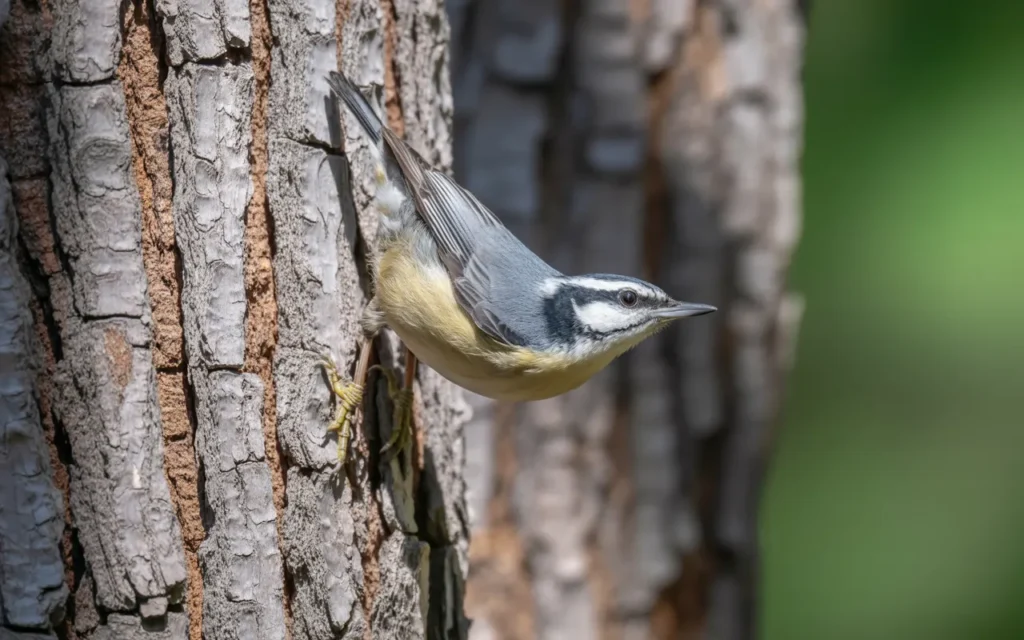
This small, energetic bird is known for its habit of creeping down tree trunks headfirst. The Red-breasted Nuthatch has a blue-gray back, a rusty-cinnamon belly, and a bold black stripe through its eye. You’ll often hear their nasal, “yank-yank” call before you see them.
Nuthatches love suet, sunflower seeds, and peanuts. They are nimble enough to hang from any feeder, often upside down. They will grab a single seed and fly to a nearby branch to wedge it into the bark and hammer it open.
12. House Finch
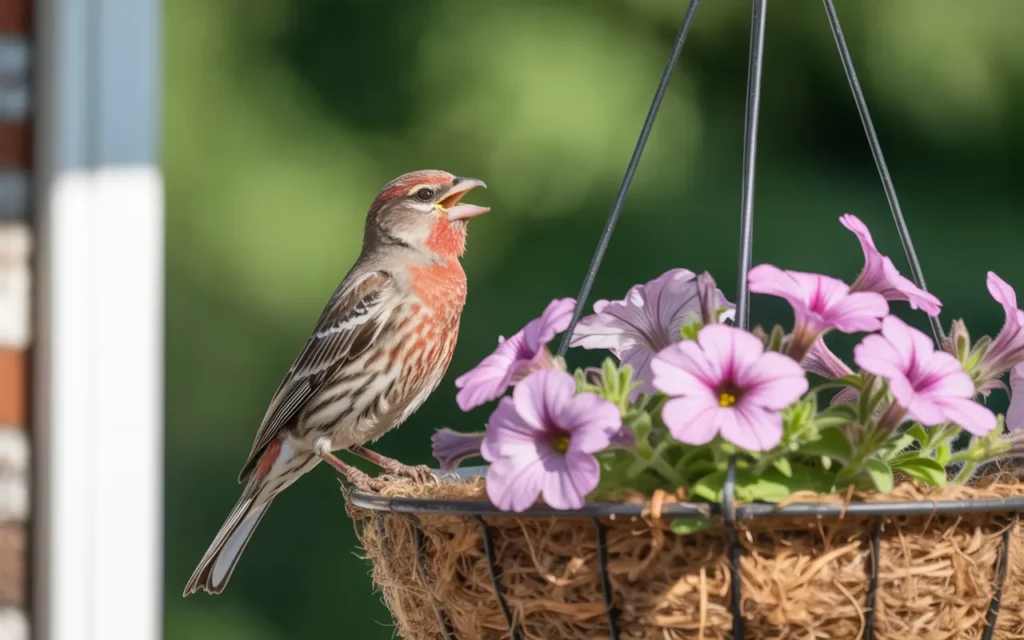
Very common in urban and suburban areas, the House Finch is a social and cheerful bird. The male is easily recognized by his rosy red head and breast, which contrasts with his brown-streaked back and belly. Females are a plainer grayish-brown with blurry streaks.
House Finches are not fussy eaters and will flock to tube feeders, platform feeders, or hopper feeders filled with black oil sunflower seeds or Nyjer seeds. Their bubbly, warbling song is a constant and pleasant feature of many Oregon backyards.
13. Bewick’s Wren
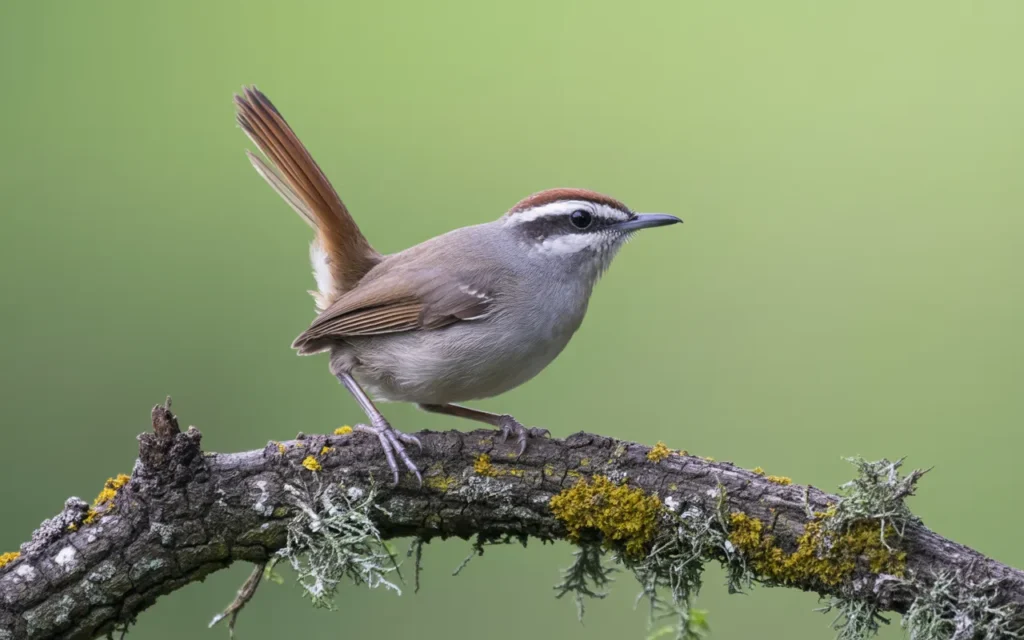
This slender, energetic wren is common in western Oregon. The Bewick’s Wren is a plain brown bird with a striking white eyebrow stripe and a long, mobile tail that it often cocks over its back. They are active foragers, exploring dense shrubs and brush piles for insects.
While they primarily eat insects, Bewick’s Wrens will visit feeders for suet, peanut butter, or mealworms.
Providing a dense thicket of native shrubs or a brush pile in a corner of your yard is the best way to make them feel at home.
14. Bushtit
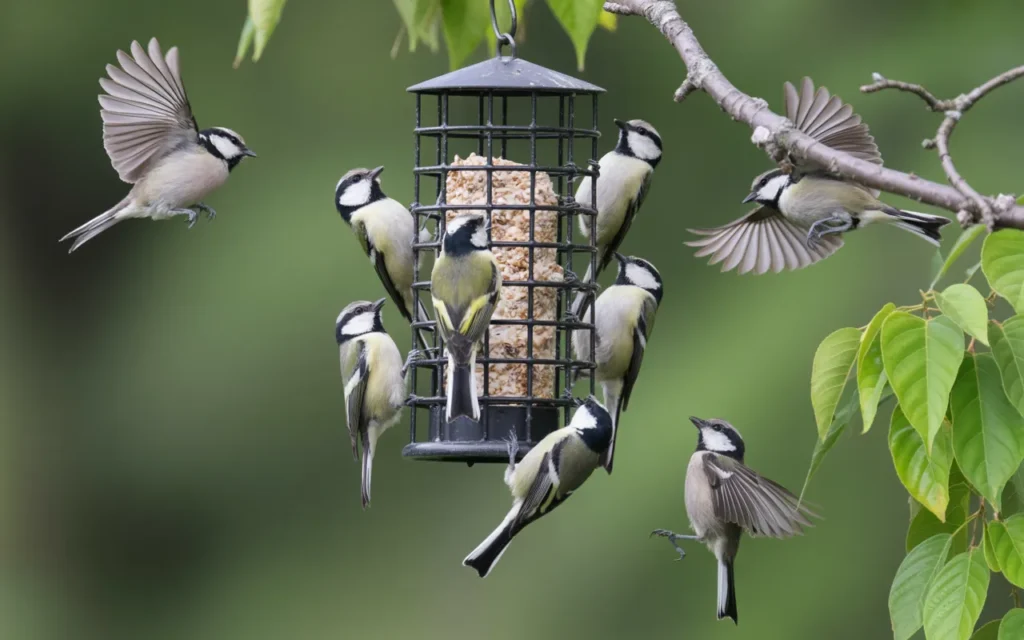
Bushtits are tiny, long-tailed, grayish-brown birds that travel in large, noisy flocks. They are constantly moving, flitting through shrubs and trees in a big, chattering group, making it feel like a cloud of birds has descended on your yard. They are plain overall but have a very small bill and a big-eyed, “cute” look.
These birds eat tiny insects, spiders, and galls from leaves and twigs. They are particularly attracted to suet feeders, where an entire flock may mob the feeder at once, creating a delightful spectacle.
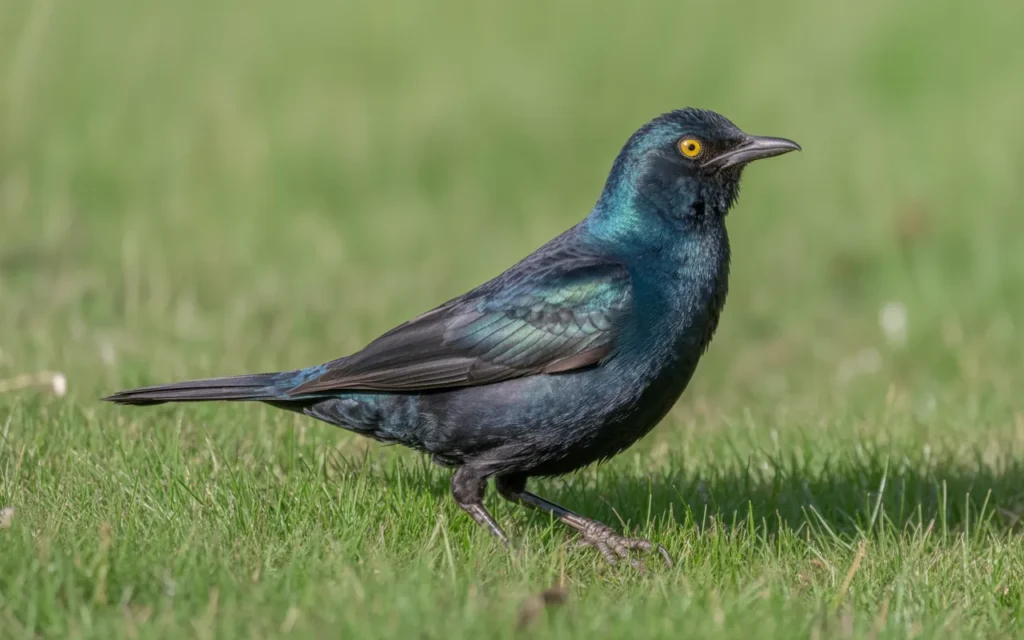
15. Brewer’s Blackbird
Common in both urban and rural areas, the Brewer’s Blackbird is often seen walking with purpose on lawns and in parking lots.
The male is a glossy, iridescent black that shines with purple and green in the sun, and has a piercing pale yellow eye. Females are a plain, solid brownish-gray.
Brewer’s Blackbirds are generalists and will eat almost anything. They often forage on the ground for insects and spilled seeds. While they may dominate a feeder, they are a native species and a classic part of the Oregon landscape.
Your Oregon Birdwatching Product Guide
Here is a quick summary of the products mentioned in this guide to help you attract some of these beautiful backyard birds of Oregon.
| Product Name | Brand | Best For |
|---|---|---|
| Platform Feeder | Woodlink | Serving peanuts and large seeds to jays |
| Peanut Delight Suet Cake | C&S | Providing energy for chickadees & woodpeckers |
| Polyresin Bird Bath | VIVOHOME | Offering a clean water source for all birds |
| Suet Cakes | Audubon Park | Attracting woodpeckers, nuthatches, and wrens |
| Finch Feeder | Perky-Pet | Serving Nyjer seed to attract goldfinches |
| Hummingbird Feeder | First Nature | Offering nectar to Anna’s Hummingbirds |
Conclusion: Enjoy Your Feathered Neighbors
By providing the key elements of food, water, and shelter, you can easily enjoy the rich diversity of backyard birds of Oregon. Birdwatching is a peaceful and rewarding hobby that offers a direct connection to the nature right outside your door.
Start simply with a feeder and a bird bath, and observe who comes to visit. You will quickly learn to recognize their songs, behaviors, and unique personalities.
We hope this guide inspires you to create a welcoming space and appreciate the stunning birds that share your Oregon home. Happy birding
