There’s a special kind of magic that happens when your backyard transforms from a quiet patch of green into a living, breathing theater of nature.
It’s the thrill of seeing a flash of brilliant red, the joy of hearing a cheerful new song, and the peaceful feeling of watching a tiny, feathered creature go about its day.
Turning your yard into a haven for birds is one of the most rewarding ways to connect with the natural world, right from the comfort of your own home.
But if you’re new to bird-watching, you might wonder, “Who are all these visitors?” It can seem like a mystery at first, a flurry of brown, gray, and black that all looks the same.
The truth is, your backyard has the potential to host a dazzling array of unique and beautiful species, each with its own personality, song, and story. You just need to know what to look for.
This guide is your personal introduction to the wonderful world of common backyard birds.
We will explore 15 beautiful species that you can easily attract to your own yard. You’ll learn how to identify them, what makes them special, and the simple things you can do to make them feel welcome.
Get ready to put names to the familiar faces at your feeder and discover a whole new layer of wonder right outside your window.
How to Start Identifying Your Backyard Birds
Before we meet the birds, here are a few simple tips to help you start your identification journey. You don’t need to be an expert to get started!
- Size and Shape: Is the bird small and round like a golf ball (a chickadee?), or large and sleek with a long tail (a blue jay?)? Start with the most basic impression.
- Color Pattern: Look for distinct field marks. Does it have a crest on its head? White bars on its wings? A red breast? Note the most obvious colors first.
- Behavior: What is the bird doing? Is it clinging upside down to a tree trunk (a nuthatch?), hopping on the ground (a sparrow?), or soaring high above?
- Song and Call: Every bird has a unique voice. You’ll start to recognize the cheerful cheer, cheer, cheer of a cardinal or the inquisitive chick-a-dee-dee-dee of a chickadee. There are great apps, like Merlin Bird ID, that can help you identify birds by their songs.
A good pair of binoculars can make a world of difference, allowing you to see those small but important details from a distance.
The {Celestron Nature DX 8×42 Binoculars} are a fantastic, user-friendly choice for beginner birders, offering a clear, bright view. Now, let’s meet some of the beautiful species you might see through them.
15 Beautiful Backyard Birds to Look For
Here are 15 common, captivating, and relatively easy-to-attract birds found across North America. Learning to recognize them is the first step to a lifelong love of birding.
1. Northern Cardinal
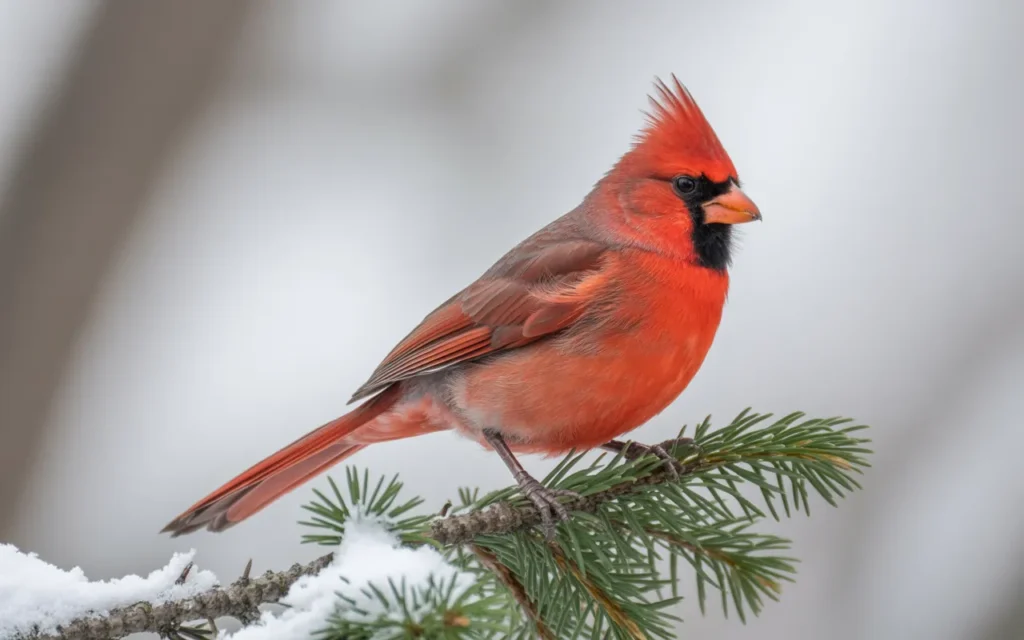
The Northern Cardinal is often the “spark bird” that gets people hooked on bird-watching. The male is an unmistakable, brilliant red all over, with a pointed crest and a black “mask” around his face.
The female is lovely in her own right, cloaked in warm, brownish-tan with reddish tinges on her crest, wings, and tail.
They are year-round residents in their range, so their flash of red is especially welcome against a snowy winter backdrop.
- What to Look For: The male’s shocking all-over red. The female’s warm brown with a prominent crest. Their thick, cone-shaped, reddish-orange beak is perfect for cracking seeds.
- How to Attract Them: Cardinals are not picky eaters. They love black oil sunflower seeds and safflower seeds. They prefer sturdy, stationary feeders, so a hopper feeder, a tube feeder with a tray, or a platform feeder is ideal. A product like the {Brome Squirrel Buster Plus Bird Feeder} is great because it keeps squirrels from eating all the expensive seed, saving it for birds like cardinals.
2. American Goldfinch
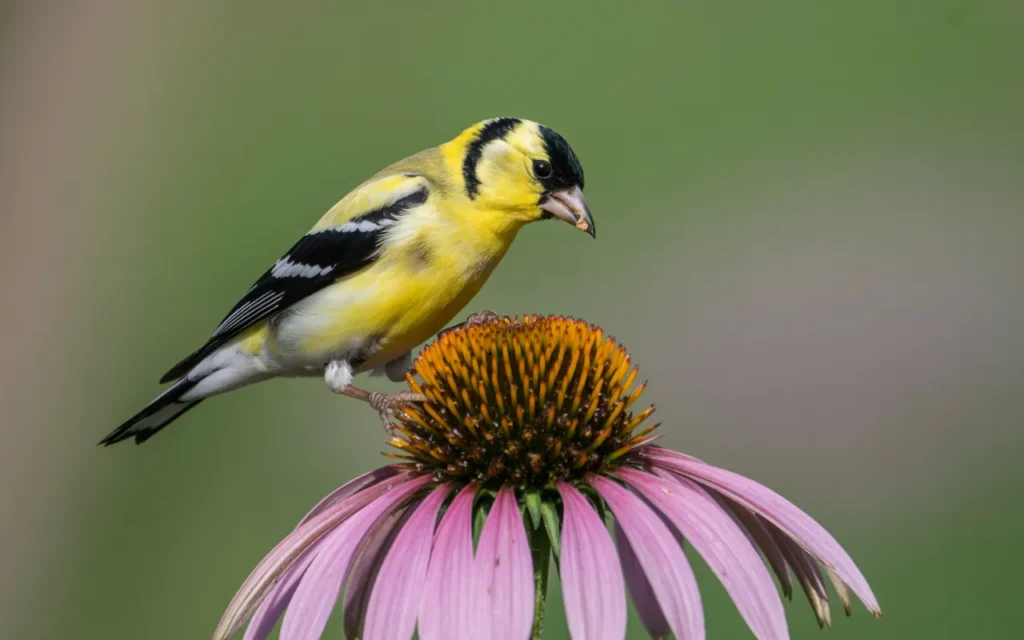
The American Goldfinch is like a little drop of sunshine. In spring and summer, the male is a brilliant, lemon-yellow with a striking black cap, black wings, and a black tail.
The female is a more subdued but still lovely olive-yellow. These are social birds, often traveling in lively, chattering flocks. In winter, they molt into a much duller, brownish plumage, which can be confusing for new birders!
- What to Look For: The male’s vibrant yellow and black “suit” in summer. Their bouncy, undulating flight pattern. Their cheerful, canary-like songs and calls.
- How to Attract Them: Goldfinches are seed specialists. Their absolute favorite food is Nyjer seed (often called thistle). You’ll need a special feeder to offer this tiny seed, either a tube feeder with very small ports or a mesh “finch sock.” They also love sunflower seeds.
3. Black-Capped Chickadee
If a bird could be described as “cute and curious,” it would be the Black-Capped Chickadee. This tiny, acrobatic bird has a distinctive black cap and “bib,” bright white cheeks, a soft gray back, and a buff-colored body.
They are incredibly bold and energetic, often the first to investigate a new feeder. Their call is one of the most recognizable in the woods, a clear chick-a-dee-dee-dee.
- What to Look For: Their oversized head on a tiny body, black cap, white cheeks, and acrobatic behavior. They will often grab a single seed from a feeder and fly to a nearby branch to crack it open.
- How to Attract Them: Chickadees love black oil sunflower seeds, sunflower hearts, peanuts, and suet. They will visit almost any type of feeder, from tube and hopper feeders to suet cages. They are also very curious and may even visit a window feeder.

4. Blue Jay
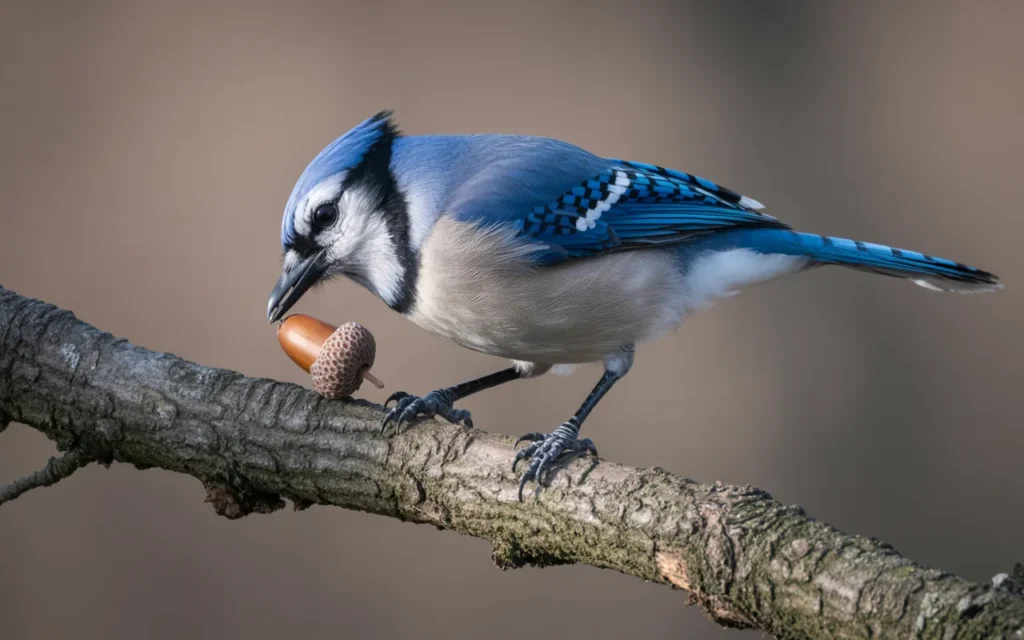
Large, loud, and incredibly intelligent, the Blue Jay is a stunning bird to have in your yard. They are a beautiful mix of various shades of blue, white, and black, with a prominent blue crest on their head.
They are part of the corvid family (along with crows and ravens) and are known for their complex social systems and loud calls. While some find them bullies at the feeder, their beauty and intelligence are undeniable.
- What to Look For: Their large size, striking blue, black, and white pattern, and noisy calls. They have a wide vocabulary, from their classic jay! jay! call to surprisingly accurate hawk imitations.
- How to Attract Them: Blue jays love peanuts—both in the shell and out. A dedicated peanut feeder, like a wire mesh wreath or cylinder, is a fantastic way to attract them. They also enjoy acorns, suet, and sunflower seeds from a sturdy platform feeder.
5. Mourning Dove
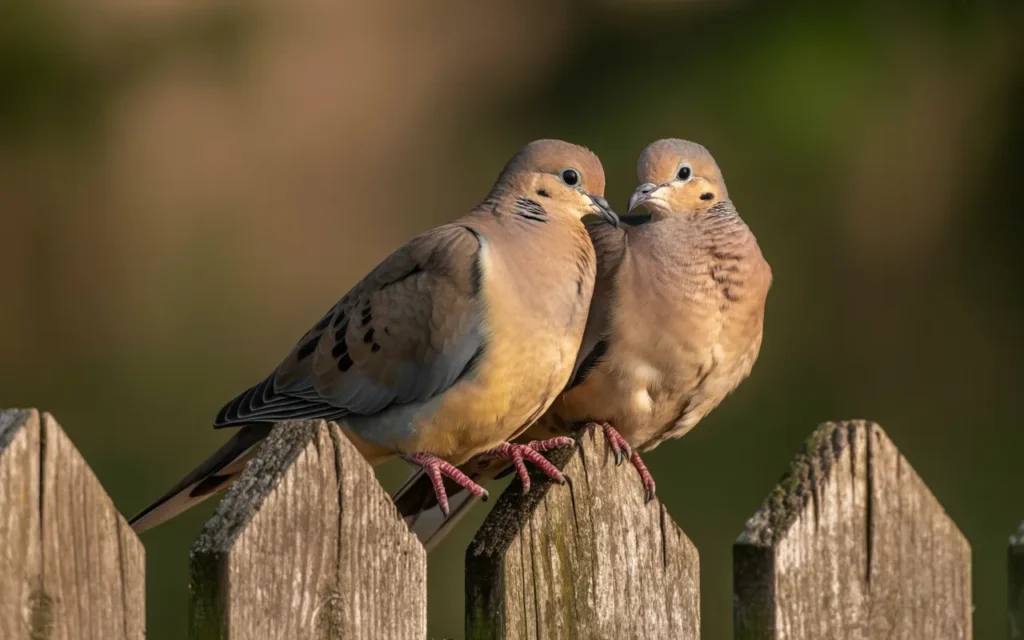
Mourning Doves are gentle, graceful birds with soft, grayish-tan bodies, slender tails, and black spots on their wings. Their name comes from their soft, melancholic cooing song: coo-OO-oo, coo, coo.
You will often see them perched on telephone wires or foraging for seeds on the ground beneath your feeders.
- What to Look For: Their plump body and long, pointed tail. A distinctive whistling sound made by their wings when they take off or land. You almost always see them in pairs or small groups.
- How to Attract Them: Mourning Doves are primarily ground feeders. They are unable to cling to most feeders. They will clean up spilled seed on the ground, or you can cater to them by offering cracked corn and white proso millet on a ground feeder or a large, low platform feeder.
6. Downy Woodpecker
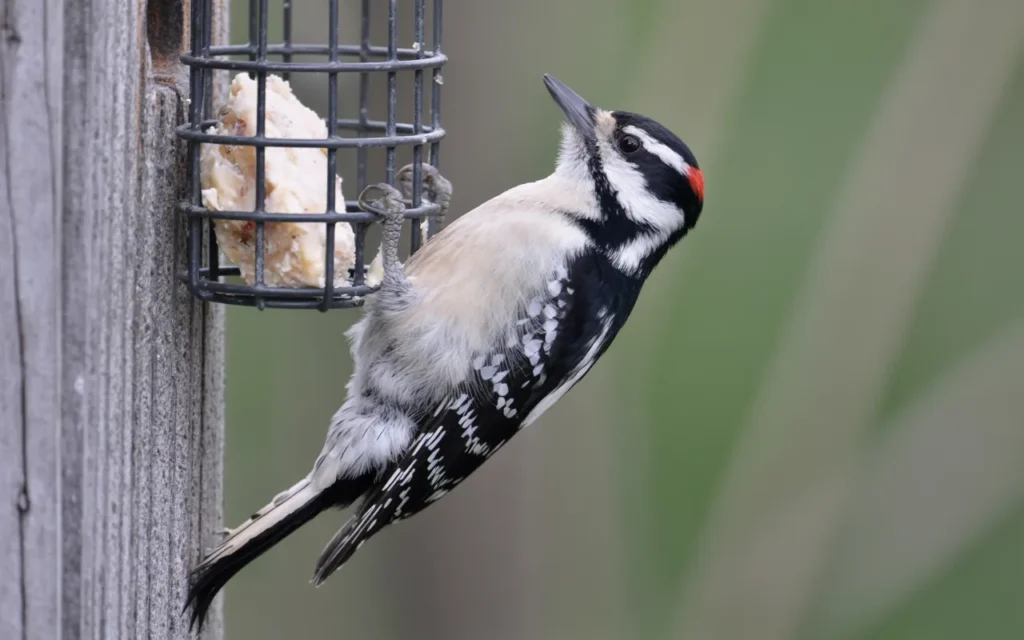
The Downy Woodpecker is the smallest and most common woodpecker in North America. It’s a charming black and white bird with a distinctive white stripe down its back.
Males have a small, bright red patch on the back of their head. You’ll often see them hitching their way up tree trunks and branches, or clinging upside down from a suet feeder.
- What to Look For: Their small size (about the size of a sparrow), classic black and white woodpecker pattern, and short, stubby bill. The male’s tiny red spot.
- How to Attract Them: Suet! Suet is a high-energy cake of rendered fat that is a lifeline for insect-eating birds like woodpeckers, especially in winter.
A simple, inexpensive wire suet cage, like the {Stokes Select Suet Feeder}, is the number one way to attract Downys and other woodpeckers. They also enjoy black oil sunflower seeds and peanuts.
7. American Robin
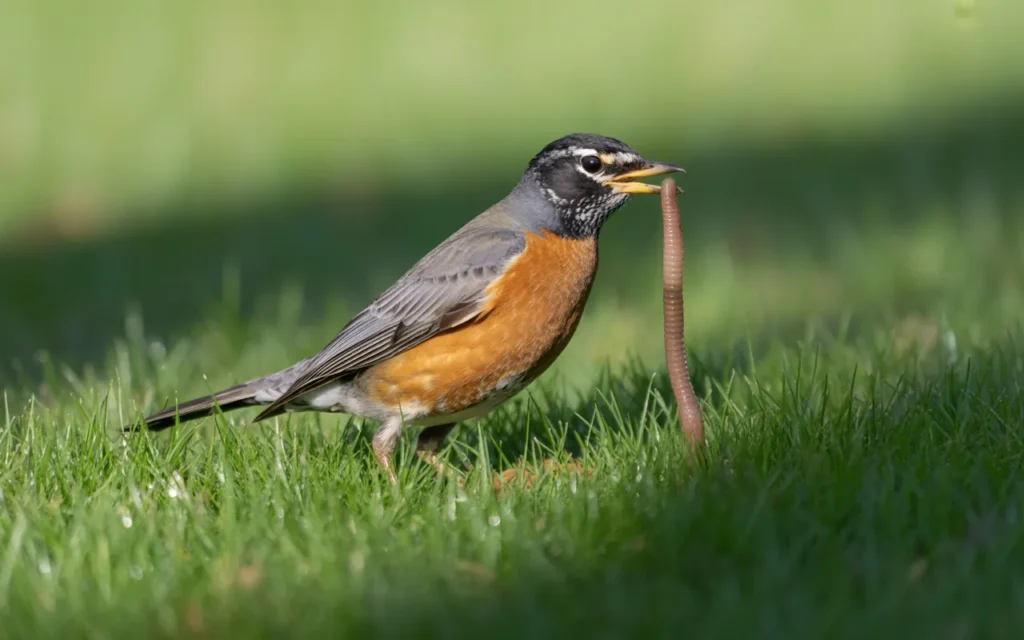
The American Robin is a classic sign of spring for many, though many robins stay in their northern range all year round.
They are a large thrush with a round, brick-red or orange belly, a dark gray back, and a dark head. You’ll most often see them hopping across a lawn, head cocked, listening for the movement of earthworms.
- What to Look For: Their iconic “robin red-breast,” upright posture on the lawn, and cheerful, caroling song.
- How to Attract Them: Robins don’t typically eat seeds. Their diet consists of worms, insects, and berries. The best way to attract them is to provide a birdbath—they love to bathe!—and to plant native, berry-producing shrubs like serviceberry, dogwood, or winterberry.
They may also eat mealworms or fruit offered on a platform feeder. A heated birdbath, like the {Allied Precision Heated Bird Bath}, is an incredible magnet for robins and other birds in the winter.
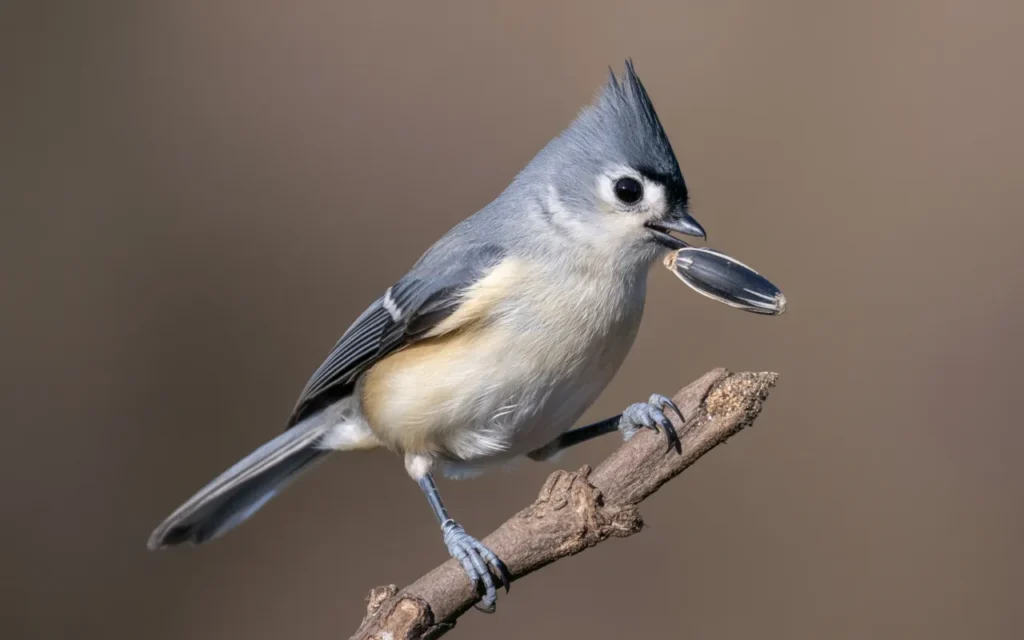
8. Tufted Titmouse
The Tufted Titmouse is a small, silvery-gray bird with a prominent crest, big black eyes, and a peachy wash on its flanks.
Like their chickadee cousins, they are full of personality—active, vocal, and curious. They will often fly in with chickadee flocks, grab a single large seed, and fly off to a private perch to hammer it open.
- What to Look For: Their overall gray color, pointed crest (the “tuft”), and large, dark eyes that give them a very inquisitive expression. Their loud, whistling peter-peter-peter call.
- How to Attract Them: They love sunflower seeds, peanuts, and suet. They are bold enough to visit almost any feeder type and are often one of the first species to try out a new window feeder.
9. White-Breasted Nuthatch
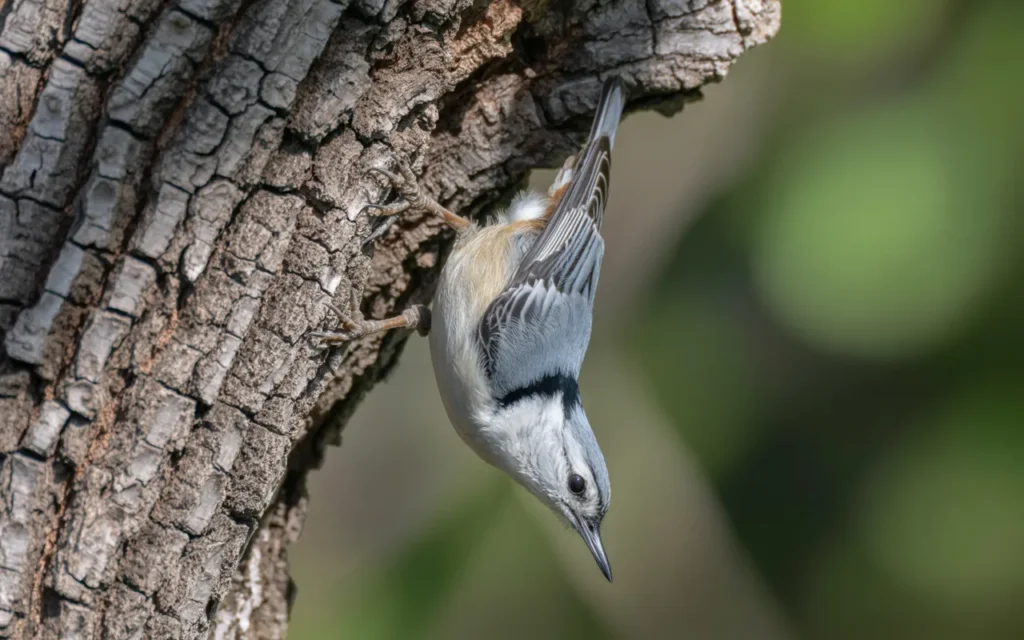
Nuthatches are the acrobats of the bird world. The White-Breasted Nuthatch is a small, stocky bird with a blue-gray back, a bright white face and underside, and a black cap.
What makes them so unique is their habit of creeping down tree trunks headfirst, searching for insects in the bark that upward-climbing birds might have missed.
- What to Look For: Their upside-down behavior on tree trunks. Their long, thin, slightly upturned bill. Their nasal, “yank-yank-yank” call.
- How to Attract Them: They are huge fans of suet, sunflower seeds, and especially peanuts. They will readily come to tube, hopper, and suet feeders. Watching them land on a feeder, grab a seed, and immediately fly to a nearby tree to wedge it into the bark is classic nuthatch behavior.
10. House Finch
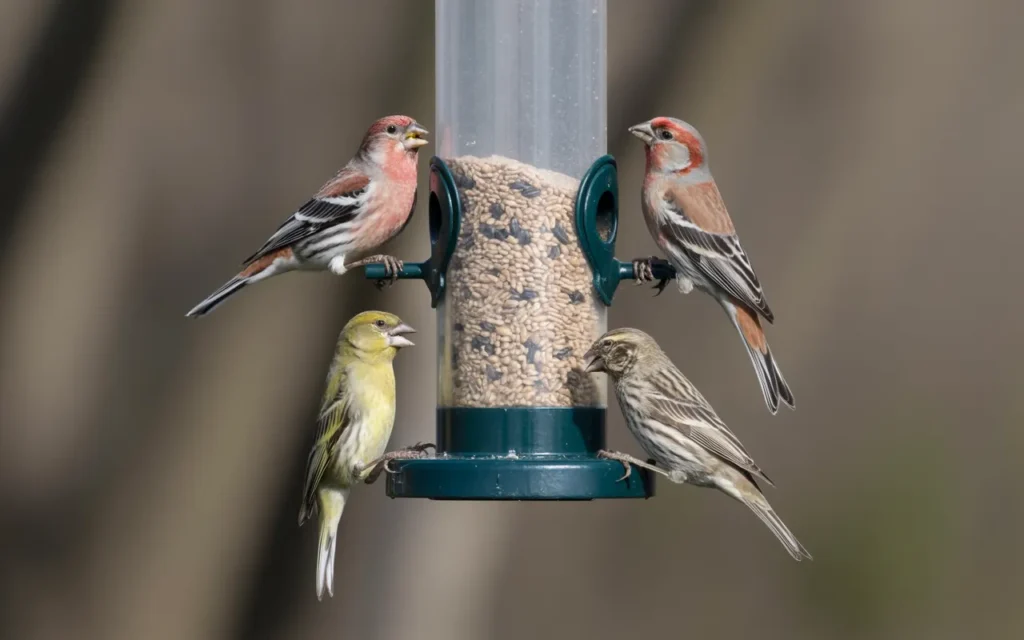
The House Finch is a common feeder visitor across the entire country. The male is a rosy red or orange-red on his head, breast, and rump, with a streaky brown back and belly.
The female is a much plainer, streaky brown all over. They are very social and can descend on a feeder in large, noisy flocks.
- What to Look For: The male’s “dipped in raspberry juice” red head and chest. Their long, square-tipped tail. They are often confused with the less common Purple Finch, but a House Finch’s red is usually more localized on the head and breast.
- How to Attract Them: House Finches love black oil sunflower seeds and Nyjer seeds. They are comfortable on almost any feeder, but they particularly love tube feeders and large hopper or platform feeders where the whole flock can congregate.
11. Eastern Bluebird
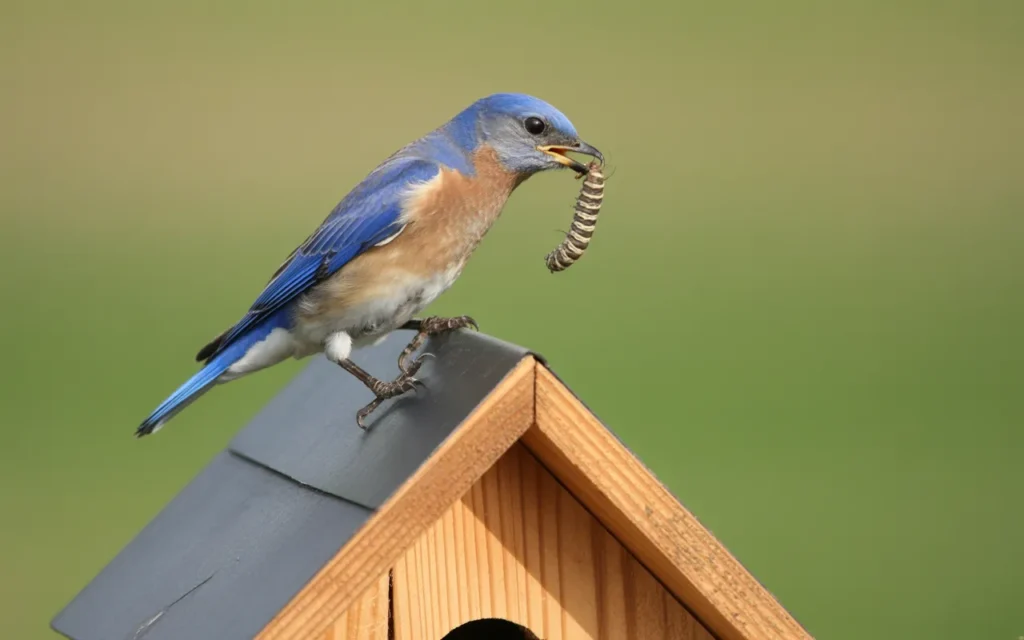
Seeing an Eastern Bluebird is a truly special experience. The male is a breathtaking sky-blue on his head, back, and wings, with a warm, rusty-red throat and breast.
The female is a more subdued gray-blue. Bluebirds are cavity nesters that were once in decline due to habitat loss and competition from non-native birds.
- What to Look For: The male’s brilliant, ethereal blue color. They are often seen perched upright on a wire or fence post in an open, grassy area, scanning the ground for insects.
- How to Attract Them: Bluebirds primarily eat insects and berries. They don’t eat seeds. The number one way to attract them is to offer live or dried mealworms in a special bluebird feeder or on a platform feeder.
The second-best way is to mount a properly designed bluebird nest box in your yard. A well-made box like the {Nature’s Way Bluebird House} can make all the difference.
12. Dark-Eyed Junco
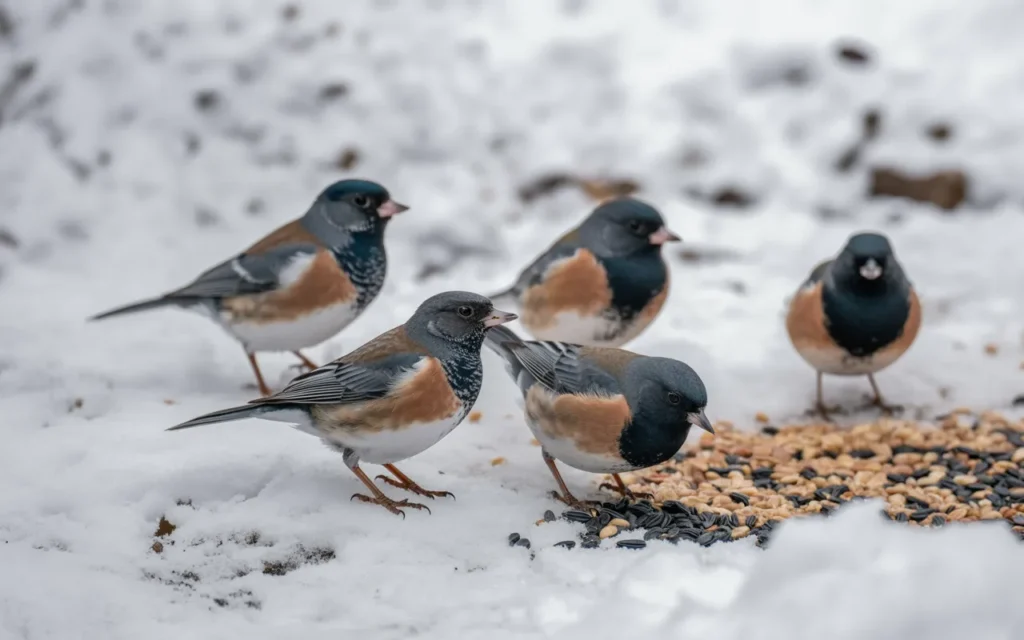
Dark-Eyed Juncos are often called “snowbirds” because for many people in the northern US and Canada, their arrival signals the beginning of winter.
They are crisp, handsome sparrows with a dark gray or brownish “hood,” a white belly, and distinctive white outer tail feathers that flash when they fly. They are almost exclusively ground feeders.
- What to Look For: Their neat, dark hood and white belly. The flash of their white outer tail feathers as they fly up from the ground. They always feed by hopping on the ground.
- How to Attract Them: Juncos will happily clean up seeds spilled from your other feeders. To cater to them specifically, scatter white proso millet on the ground or in a ground-level tray feeder. They love it!
13. Song Sparrow
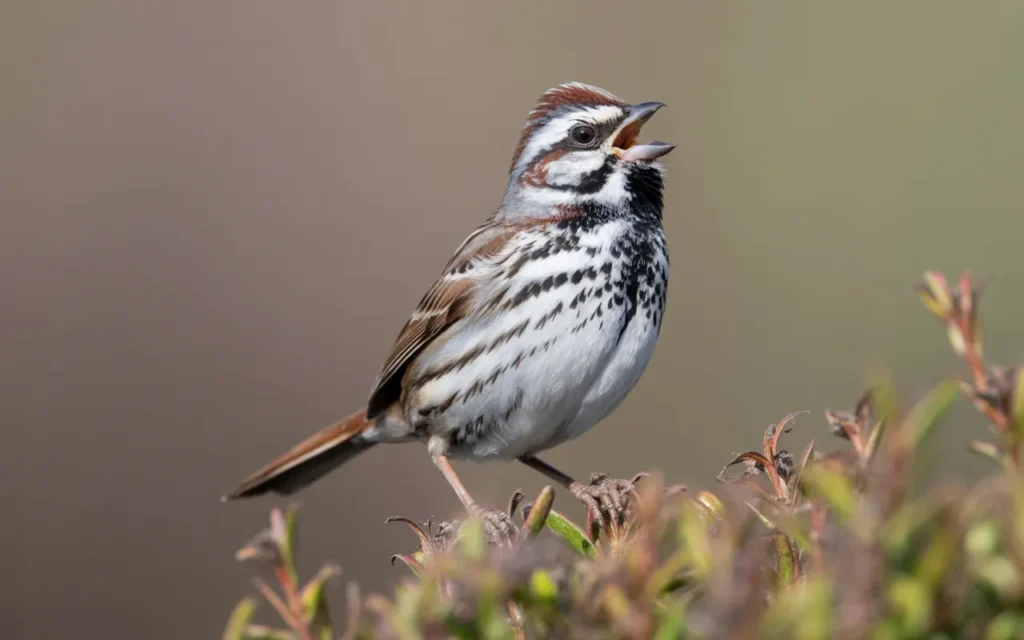
The Song Sparrow may look like just another “little brown job,” but they are one of our most familiar and beloved songsters.
They are a streaky brown sparrow with coarse streaks on their breast that often converge into a single, dark central spot (a “tie-tack”). Their beautiful song is a variable series of buzzes, trills, and clear notes.
- What to Look For: The heavy brown streaks on a white breast, and especially the dark central spot. Their habit of flicking their long, rounded tail as they move.
- How to Attract Them: Like most sparrows, they prefer to feed on or near the ground. They are attracted to a mix of black oil sunflower and white proso millet scattered on the ground or in a low platform feeder.
14. Ruby-Throated Hummingbird
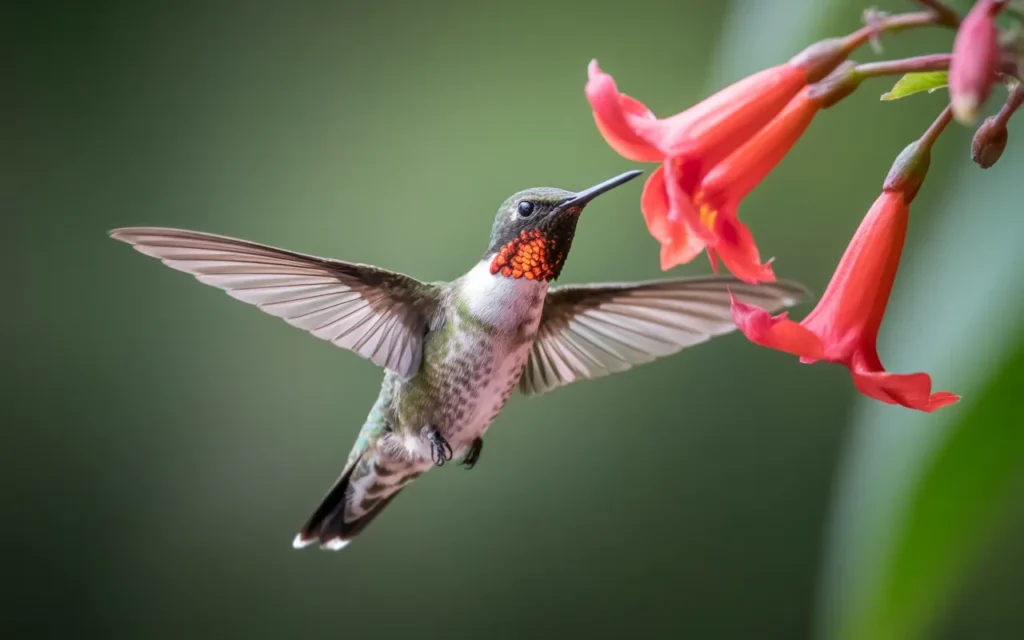
The Ruby-Throated Hummingbird is the only hummingbird species that breeds in eastern North America. They are tiny, iridescent green birds.
The male has a spectacular, fiery red throat (gorget) that can look black in poor light but flashes brilliantly in the sun. The female lacks the red throat. Watching them hover, dart, and chase each other is pure magic.
- What to Look For: Their tiny size, iridescent green back, and hovering flight. The male’s “ruby” throat. The high-pitched, insect-like buzz of their wings.
- How to Attract Them: Hummingbirds eat nectar. You can attract them by planting red, tubular flowers (like Bee Balm or Cardinal Flower) and by hanging a hummingbird feeder filled with a 4:1 solution of water and plain white sugar. Keeping the feeder clean is critical, and a small set of {Feeder Cleaning Brushes} is an essential tool for this.
15. Carolina Wren
The Carolina Wren is a tiny bird with a huge voice. This small, energetic wren is a warm, reddish-brown color with a distinctive white eyebrow stripe and a long tail that it often holds cocked straight up.
They are known for their incredibly loud teakettle-teakettle-teakettle song, which they sing all year round.
- What to Look For: Their rich cinnamon color, bold white eyebrow, and perky, cocked tail. Their loud, repetitive song coming from a tiny bird.
- How to Attract Them: Carolina Wrens are insect-eaters. They love to explore brush piles, log piles, and dense shrubbery looking for bugs. They will readily visit a suet feeder and may also eat shelled peanuts or sunflower hearts from a platform feeder.

Recommended Products for Attracting Backyard Birds
Here’s a quick summary of the useful tools and products mentioned to help you attract these beautiful birds to your yard.
| Product Name | Brand | Key Benefit |
|---|---|---|
| {Celestron Nature DX 8×42 Binoculars} | Celestron | A great all-around binocular for getting clear, close-up views. |
| {Brome Squirrel Buster Plus Bird Feeder} | Brome | An effective, weight-activated feeder to keep squirrels away. |
| {Stokes Select Suet Feeder} | Stokes Select | A simple, essential feeder for attracting woodpeckers. |
| {Allied Precision Heated Bird Bath} | Allied Precision | Provides a vital open water source for birds in freezing weather. |
| {Nature’s Way Bluebird House} | Nature’s Way | A properly designed nest box to attract beautiful bluebirds. |
| {Feeder Cleaning Brushes} | Various | An essential tool for keeping hummingbird feeders clean and safe. |
Conclusion: Your Backyard Adventure Awaits
Your yard is a canvas, and every bird you attract adds a new splash of color, a new song, and a new story.
Learning to identify the common backyard birds that visit you is like getting to know your neighbors; it transforms your space from a simple yard into a community.
It deepens your appreciation for the intricate and beautiful world of nature that is happening all around you, all the time.
You don’t need to know every bird to start. Begin with one or two. Learn to recognize the brilliant red of the cardinal and the cheerful call of the chickadee.
Before you know it, you’ll be seeing new patterns, hearing new songs, and eagerly awaiting the arrival of migratory species each spring. The adventure is right outside your door, and it’s waiting for you.
