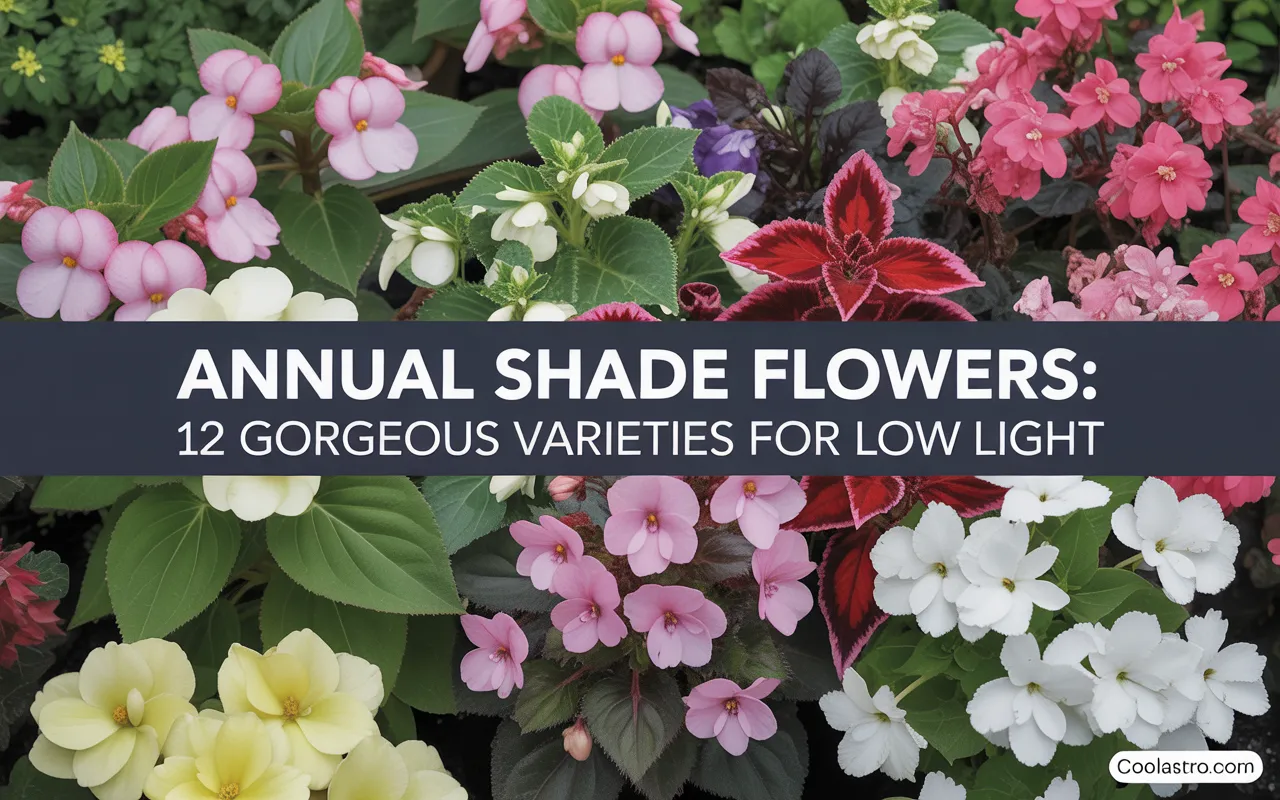
Every gardener dreams of a yard bursting with color, but what if your space is more shade than sun? It can feel incredibly frustrating to have a beautiful porch, patio, or a yard with mature trees, only to feel like you’re stuck with plain green foliage.
You see all the stunning, sun-loving flowers and wonder if you’ll ever get to enjoy that kind of vibrant beauty in your own, shadier spots.
You absolutely can! The world of shade gardening is not a world without color; it’s a world of lush textures, rich hues, and elegant blooms that glow in the soft light.
The secret is simply knowing which plants to choose. There is a whole category of beautiful flowers that don’t just tolerate the shade—they thrive in it.
This guide is your key to unlocking the colorful potential of your low-light areas. We are going to explore 12 gorgeous annual shade flowers that will bring life, vibrancy, and season-long beauty to the quiet corners of your garden.
You’ll discover flowers for hanging baskets, containers, and borders, all perfectly suited for a life out of the direct sun. It’s time to stop seeing your shade as a limitation and start seeing it as an opportunity.
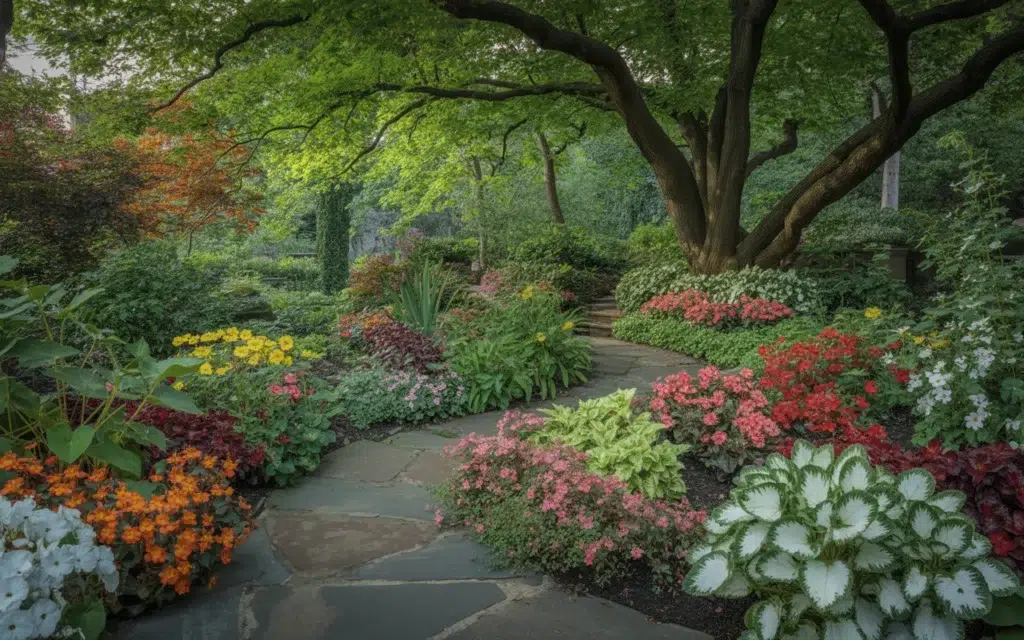
Understanding Shade: Not All Shade is Created Equal
Before you start planting, it’s helpful to understand what kind of shade you have. “Shade” isn’t a one-size-fits-all term. Identifying your specific conditions will help you choose the perfect annual shade flowers for your space.
- Full Shade: This is the most challenging type of shade. It means an area receives no direct sunlight, such as the space under a dense evergreen tree or on the north side of a house. Only the most shade-tolerant plants will thrive here.
- Partial Shade (or Part Sun): This is the most common type of shade in residential gardens. It refers to areas that receive between 3 to 6 hours of direct sun per day, but are shaded for the rest. The sun exposure is often in the morning, which is gentler, while the harsh afternoon sun is blocked. Many “shade” plants do their best in this condition.
- Dappled Shade: This is the beautiful, filtered light you find under a high-canopied deciduous tree, like a honey locust or birch. The light is constantly moving and shifting, creating a bright but protected environment. This is an ideal condition for a wide variety of annual shade flowers.
As you go through our list, keep your specific type of shade in mind. Most of the flowers below will thrive in partial and dappled shade, and some will even perform beautifully in full shade.
12 Gorgeous Annual Shade Flowers for Low-Light Gardens
Ready to bring color to your shady spots? Here are 12 of the best and most beautiful annual shade flowers that will brighten up your garden from spring until frost.
1. Impatiens (Impatiens walleriana)
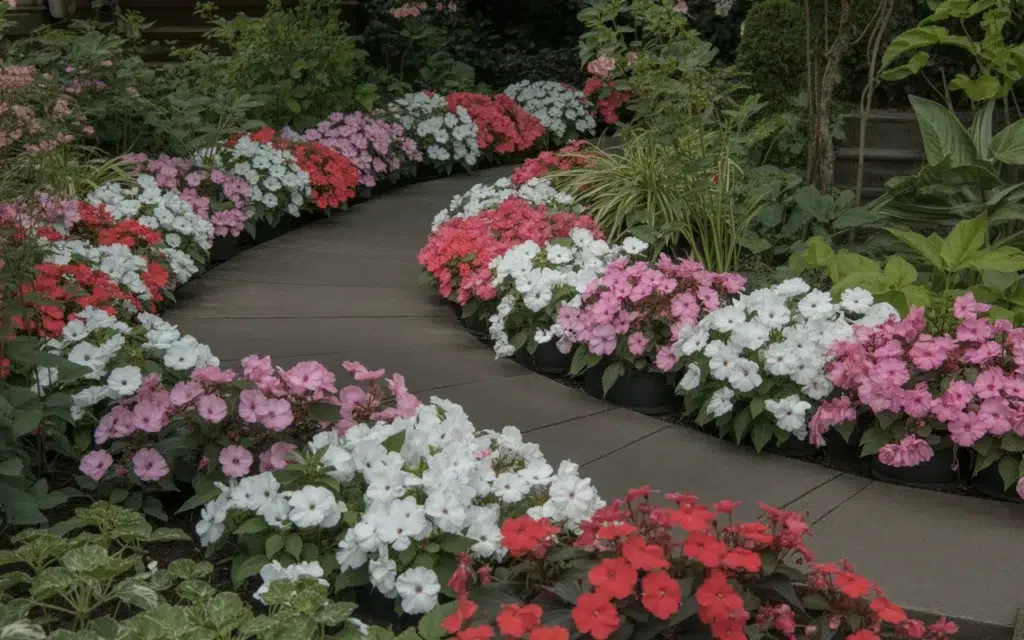
Impatiens are the undisputed king of the shade garden, and for good reason. These incredible plants form perfect mounds of foliage that are absolutely smothered in flat, five-petaled flowers from the moment you plant them until the first hard frost.
They provide a solid, reliable mass of color that is unmatched by any other shade annual. They come in a huge range of colors, including white, pink, red, lavender, orange, and coral.
- Best For: Creating rivers of color along shady walkways, mass plantings under trees, and filling containers and hanging baskets on a covered porch.
- Why You’ll Love It: They are the easiest, most dependable way to get a massive amount of color in deep shade. No other plant provides such a consistent, long-lasting floral display in low light.
- Gardening Tip: Impatiens are thirsty plants and will wilt dramatically when they need water (but they bounce back quickly!). In containers, using a high-quality potting mix is essential. A product like {Miracle-Gro Moisture Control Potting Mix} is specially formulated to help protect against both over- and under-watering, which is perfect for these plants.
2. Coleus (Plectranthus scutellarioides)
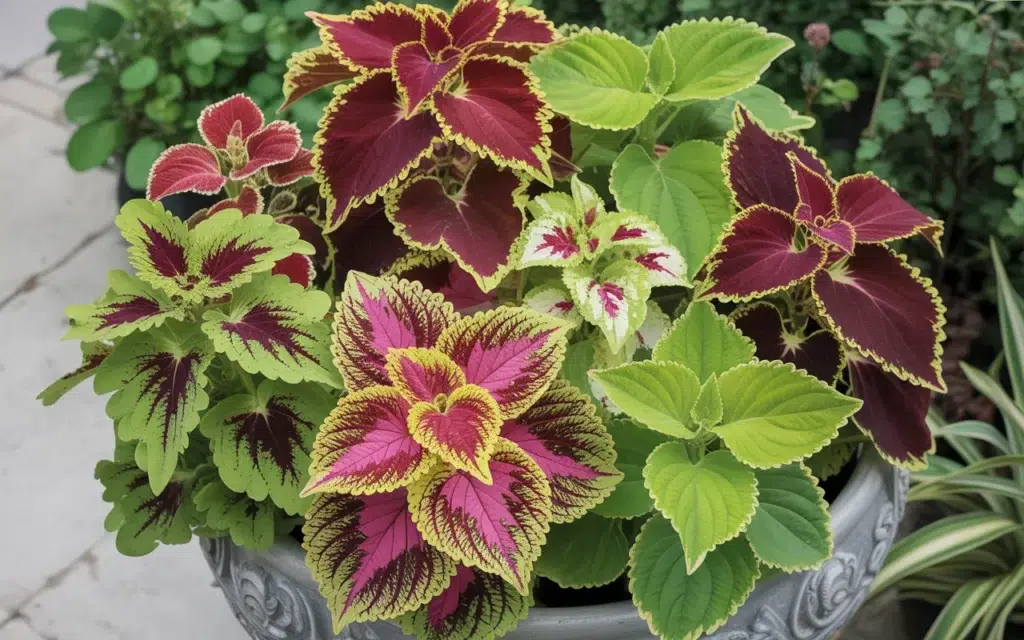
While it does produce small, insignificant flowers, coleus is grown exclusively for its spectacular foliage. And what foliage it is!
The leaves come in an astonishing array of colors, patterns, and shapes, from deep, velvety burgundy and electric lime green to wild, psychedelic splashes of hot pink, orange, and cream.
Coleus is the ultimate plant for bringing bold, consistent color and texture to the shade.
- Best For: Adding dramatic color and texture to mixed shade containers, brightening up dark corners of a garden bed, or as a stunning specimen plant on its own.
- Why You’ll Love It: It provides guaranteed, high-impact color all season long, without relying on flowers. The sheer variety is endless, allowing for incredible creative combinations.
- Gardening Tip: To keep your coleus looking its best and to encourage a bushier plant, pinch off the little flower spikes as soon as they appear. This redirects the plant’s energy into producing more of its magnificent leaves. A small, precise tool like the {Fiskars Micro-Tip Pruning Snips} is perfect for this task.
3. Torenia (Torenia fournieri)
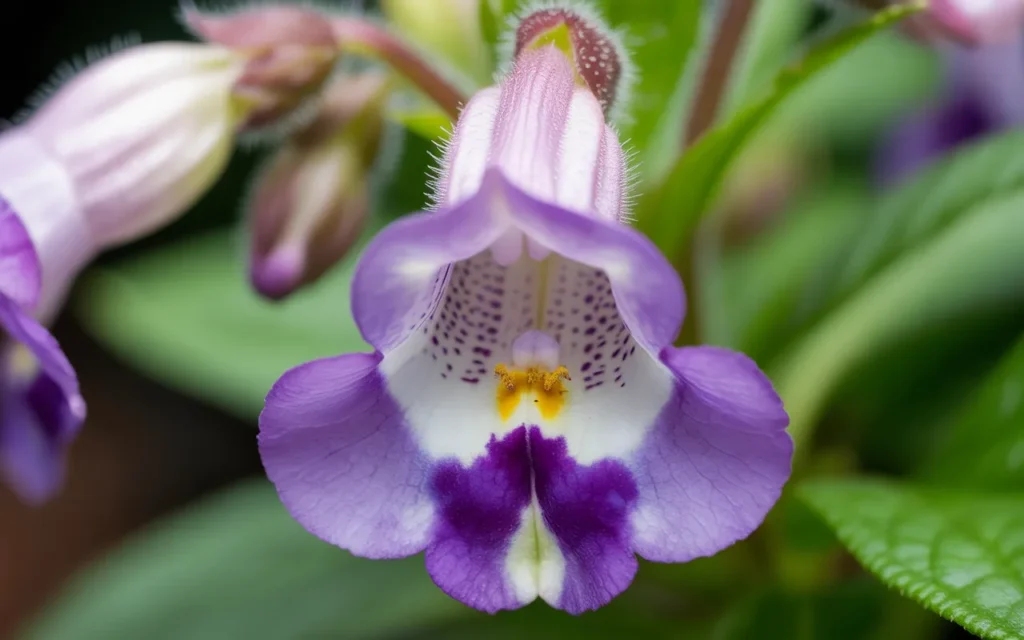
Commonly known as the Wishbone Flower, torenia is an adorable and hardworking annual for shade. It produces a profusion of unique, snapdragon-like, trumpet-shaped flowers all summer long.
They typically come in shades of blue, purple, and pink, often with a contrasting “throat” color and a cheerful yellow dot inside. The trailing varieties are particularly wonderful, creating a cascade of color from hanging baskets.
- Best For: Hanging baskets, window boxes, the front of a shady border, and as a “spiller” in mixed container arrangements.
- Why You’ll Love It: It blooms nonstop even in hot, humid weather and doesn’t require deadheading. The charming, exotic-looking flowers are a favorite of hummingbirds.
- Gardening Tip: Torenia prefers consistently moist soil. When planting in containers, ensuring good soil is key. A premium organic mix like {Espoma Organic Potting Mix} provides a rich, well-draining medium that these plants will love.
4. Begonia (Begonia varieties)
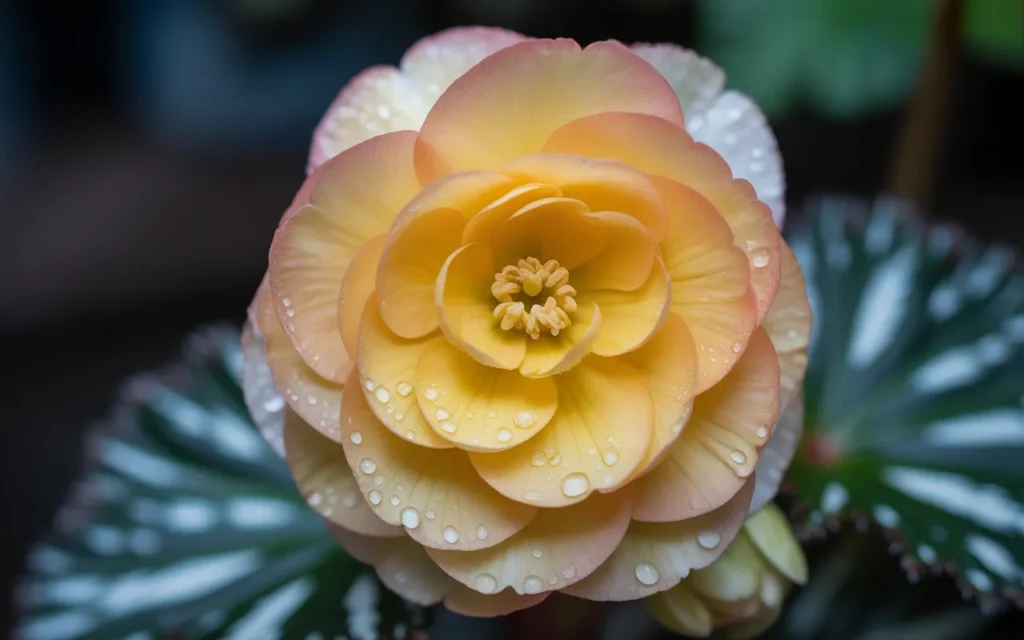
The begonia family is vast and offers some of the most spectacular annual shade flowers you can grow.
Wax begonias are reliable bedding plants that form neat mounds of waxy green or bronze leaves and are covered in small pink, white, or red flowers.
For a real showstopper, Tuberous Begonias produce enormous, lush, rose-like flowers in incredible colors that glow in the shade.
Angel Wing Begonias are grown for both their beautiful spotted leaves and their pendulous clusters of delicate flowers.
- Best For: Tuberous begonias are the absolute stars of a shady hanging basket or container. Wax begonias are perfect for edging shady beds. Angel Wing begonias make stunning specimen plants.
- Why You’ll Love It: They offer a huge range of forms and provide some of the most exotic and beautiful blooms available for shade gardens. They bring a touch of luxury and elegance to low-light areas.
- Gardening Tip: Begonias are prone to root rot if they are overwatered. Let the top inch of soil dry out before watering again. A good watering can with a long spout, like the {Novelty Indoor Watering Can}, allows you to direct water to the base of the plant, keeping the leaves and flowers dry.
5. Browallia (Browallia speciosa)
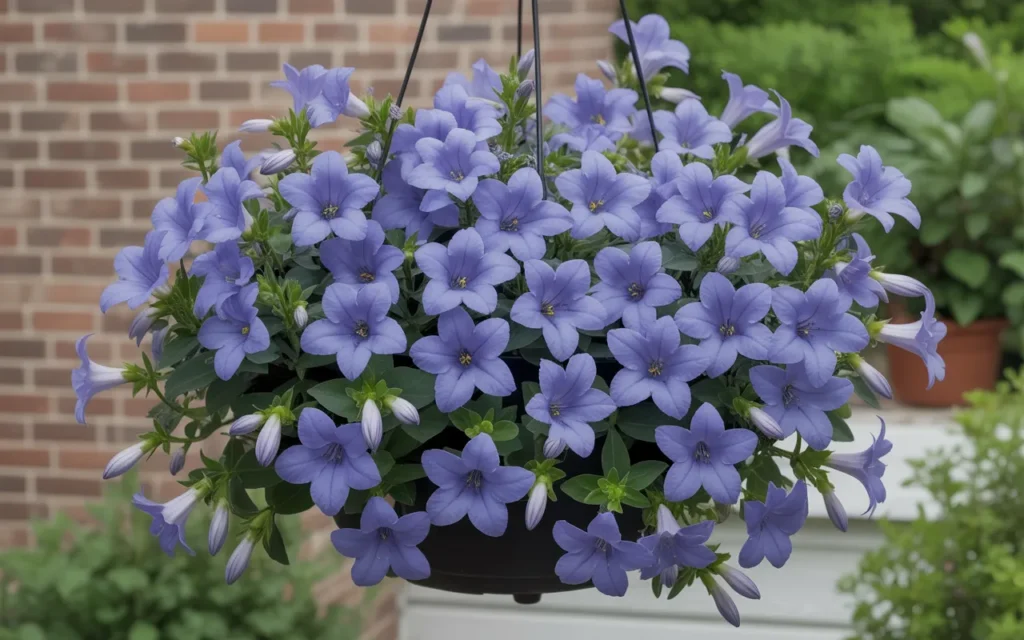
Also known as Amethyst Flower, browallia is a fantastic plant that produces a profusion of brilliant, star-shaped flowers in shades of intense blue, violet, or pure white.
It has a slightly trailing habit, making it wonderful for containers and hanging baskets where it will spill gently over the sides. It thrives in the heat and humidity of summer, continuing to bloom when other shade plants might struggle.
- Best For: Hanging baskets, mixed containers, and as a flowering groundcover in a partially shaded bed.
- Why You’ll Love It: That true, sapphire-blue color is rare and absolutely stunning in a shade garden. It’s easy to care for and blooms prolifically.
- Gardening Tip: Browallia is a great choice for attracting hummingbirds and butterflies to your shady spots. It prefers rich, well-drained soil.
6. Fuchsia (Fuchsia x hybrida)
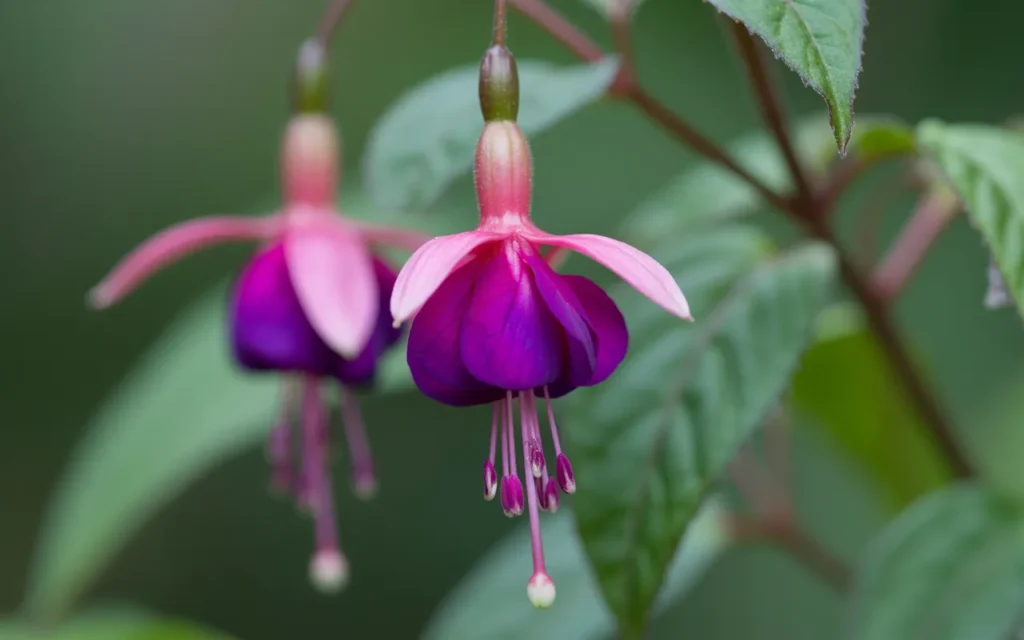
Fuchsia plants are the elegant dancers of the shade garden. They produce incredibly intricate, pendulous, two-toned flowers that look like tiny, ornate lanterns or ballerinas.
They typically come in combinations of pink, purple, red, and white. Fuchsias are a classic choice for hanging baskets, where their dangling blooms can be appreciated from below. They thrive in cool, humid conditions.
- Best For: Hanging baskets are their ideal home. They also look beautiful in tall pots where their flowers can cascade down.
- Why You’ll Love It: The flowers are exquisitely beautiful and unique. They are also a major hummingbird magnet.
- Gardening Tip: Fuchsias are heavy feeders. To keep them blooming all summer, they need regular fertilization. A liquid plant food formulated for blooming plants, such as {Jack’s Classic Blossom Booster Fertilizer}, applied every 1-2 weeks, will provide the phosphorus they need for flower production.
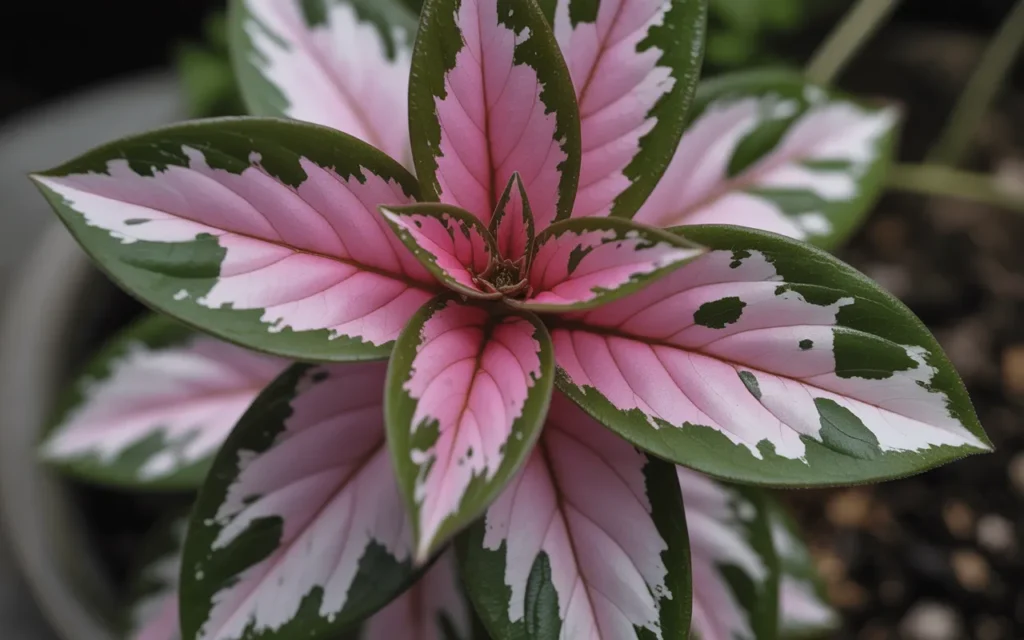
7. Polka Dot Plant (Hypoestes phyllostachya)
Like coleus, the Polka Dot Plant is grown for its fun and colorful foliage. Its leaves are covered in splashes and speckles of color, most commonly pink, but also red and white.
This creates a playful, “polka-dotted” effect. It’s a small, mounding plant that is perfect for adding a splash of color and pattern to the front of a shady container or terrarium.
- Best For: Adding a touch of whimsy to mixed containers, terrariums, and as a houseplant. It’s a great “filler” for small pots.
- Why You’ll Love It: Its unique, speckled foliage is fun and eye-catching. It’s a great way to add color without relying on flowers.
- Gardening Tip: To keep the colors vibrant and the plant bushy, pinch back the stems regularly. If the plant doesn’t get enough light, the colors may fade, so it prefers bright, indirect light over deep shade.
8. Lobelia (Lobelia erinus)
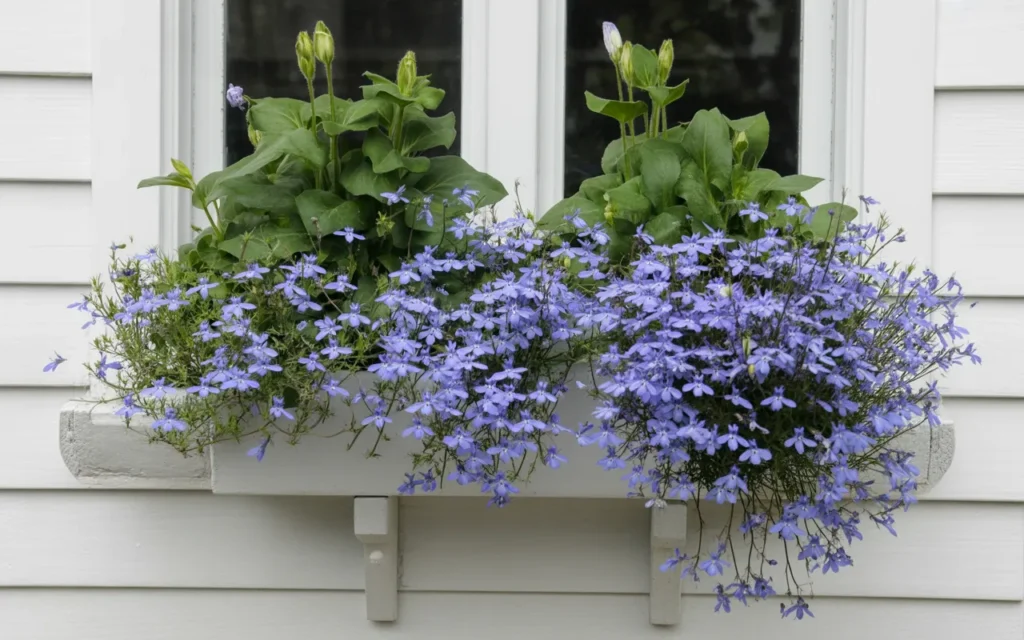
Annual lobelia is a delicate, trailing plant that produces a profusion of tiny, intensely colored flowers.
The most popular varieties come in a stunning, true electric blue, but it’s also available in white, pink, and lavender.
It’s a classic cool-season “spiller” for containers and hanging baskets, creating a frothy cascade of brilliant color in the spring and fall.
- Best For: The quintessential “spiller” for spring and fall hanging baskets and window boxes. It’s perfect for cascading over rock walls.
- Why You’ll Love It: That intense, cobalt blue color is breathtaking and provides an amazing contrast with other flowers like yellow pansies or white alyssum.
- Gardening Tip: Lobelia hates hot summer weather and will often die back in the peak of July and August. Enjoy it for its spectacular spring and fall performance. It can be started easily from seed, and a good pair of comfortable {Pine Tree Tools Bamboo Working Gloves} makes handling tiny seeds and seedlings much easier.
9. Forget-Me-Not (Myosotis sylvatica)
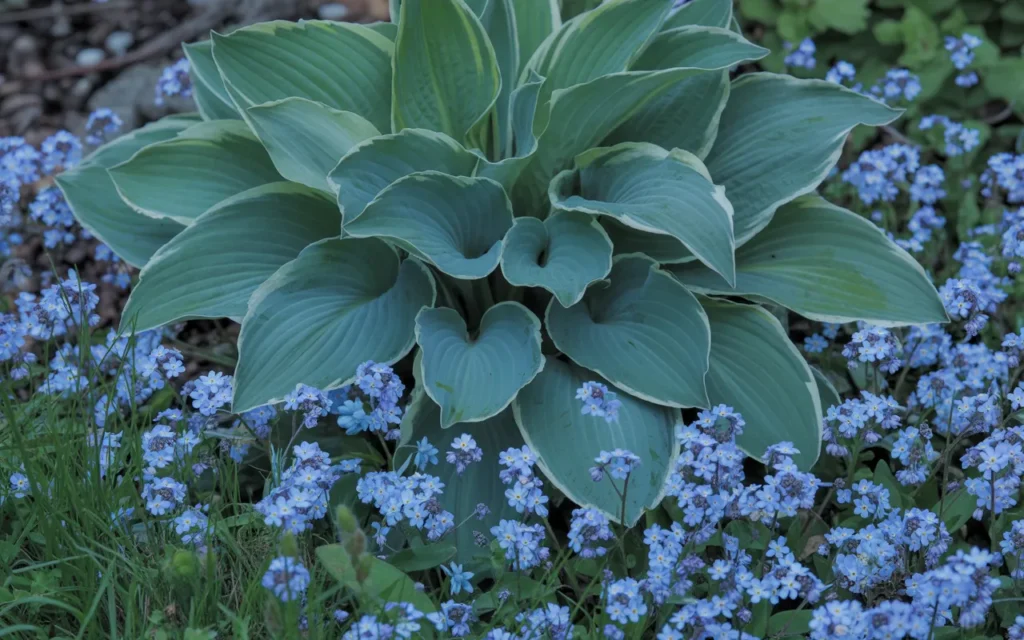
These charming plants create a cloud of tiny, delicate, sky-blue flowers with cheerful yellow centers. Forget-Me-Nots are perfect for creating a soft, romantic, woodland feel in your garden.
They are technically biennials but self-seed so readily that they function as annuals, returning year after year to form a beautiful blue carpet in shady, moist areas.
- Best For: Naturalizing in woodland gardens, as a living groundcover under spring-blooming bulbs like tulips, or in moist, shady corners.
- Why You’ll Love It: They create a magical, fairy-tale effect when planted in large drifts. The clear blue color is a perfect complement to spring pastels.
- Gardening Tip: Forget-Me-Nots thrive in consistently moist soil. They are an excellent choice for a shady area that tends to stay damp. Don’t be afraid to let them spread.
10. Browngard Eyebright (Nemophila menziesii)
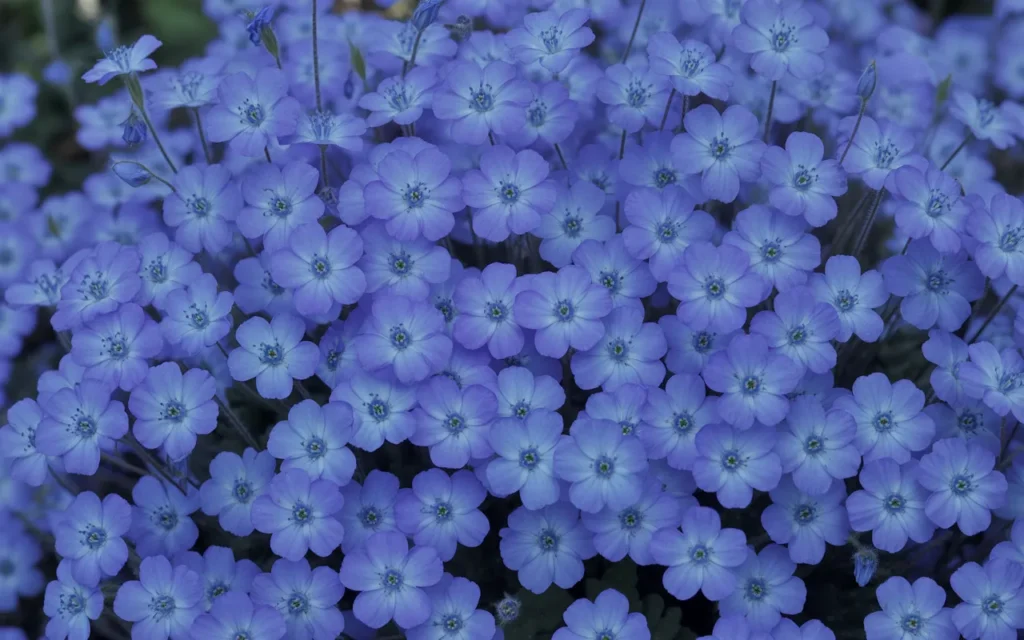
Commonly known as Baby Blue Eyes, this delightful California native is a low-growing annual that produces upward-facing, bowl-shaped flowers of the most intense and beautiful sky blue, often with a white center. It blooms in the cool weather of spring and creates a stunning, shimmering groundcover.
- Best For: Creating a temporary, spectacular groundcover in the spring. It’s beautiful sown in large patches or along the edge of a shady path.
- Why You’ll Love It: The color is an absolutely pure, radiant blue that has to be seen to be believed. It creates a breathtaking sea of blue when planted en masse.
- Gardening Tip: Baby Blue Eyes must have cool weather to thrive. It’s best to sow the seeds directly in the garden in late fall or as soon as the soil can be worked in very early spring.
11. Monkey Flower (Mimulus)
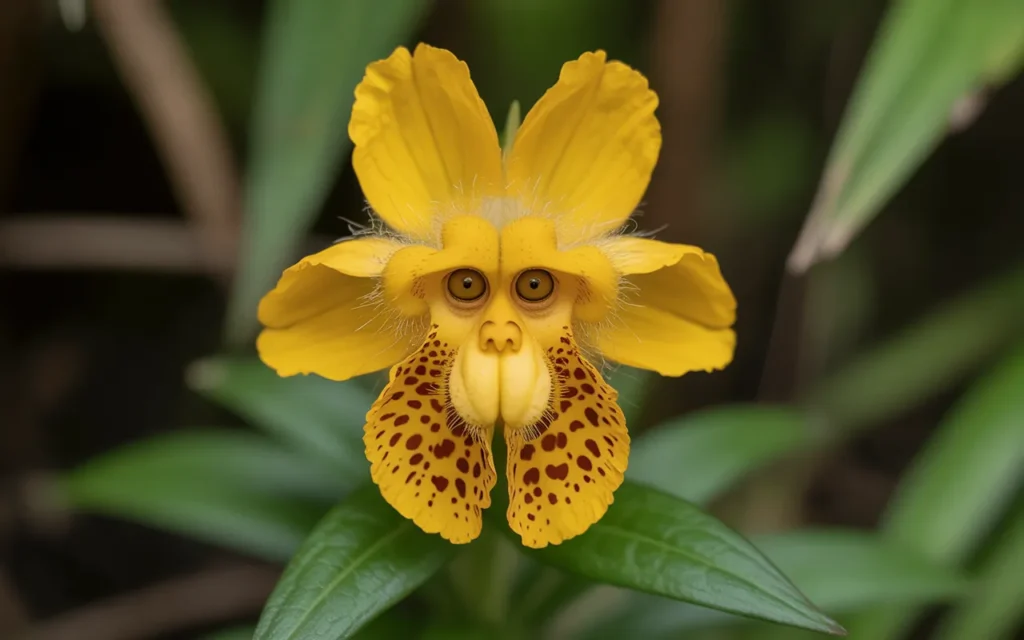
Monkey Flower is a fun and charming annual that produces unique, snapdragon-like flowers that are often spotted and speckled, giving them the appearance of a monkey’s face.
They love cool, moist, shady conditions and will bloom profusely in the spring and fall. They come in a range of warm colors, including yellow, orange, and red.
- Best For: Boggy or moist shady spots, alongside a pond or stream, or in containers that are kept consistently watered.
- Why You’ll Love It: The flowers are quirky, cheerful, and unique. They bring bright, hot colors to shady spots where such colors are often lacking.
- Gardening Tip: The key to success with mimulus is water. They cannot be allowed to dry out. Planting them in a self-watering container, like the {HBS 10-inch Self-Watering Planter}, can be a great way to ensure they have the consistent moisture they crave.
12. Sweet Alyssum (Lobularia maritima)
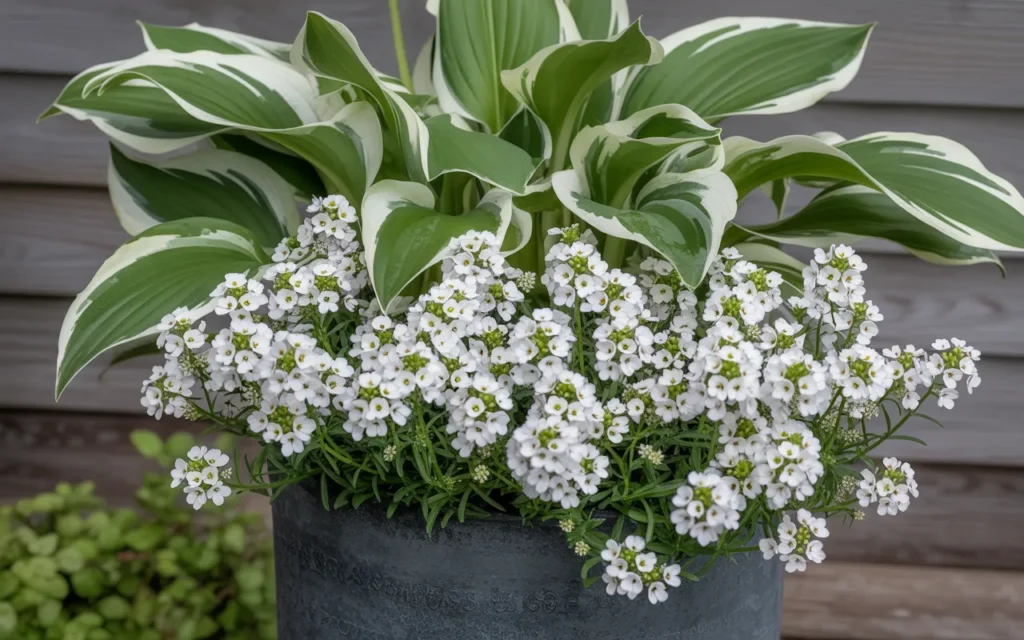
While it performs best in full sun, Sweet Alyssum is remarkably adaptable and will still bloom beautifully in partial shade, especially in hotter climates where it appreciates a break from the afternoon sun.
This low-growing plant is covered in tiny, fragrant, honey-scented flowers. It creates a delicate, frothy carpet of white, pink, or purple that is perfect for softening the edges of pots and beds.
- Best For: As a “spiller” in mixed containers, as a fragrant edging along a path, or as a living groundcover that weaves between other plants.
- Why You’ll Love It: Its sweet fragrance is delightful. It’s a fast and easy filler plant that makes any planting look fuller and more complete.
- Gardening Tip: If your alyssum gets leggy and sparse in the middle of summer, give it a significant “haircut” with a pair of garden shears. Water it well, and it will reward you with a fresh, dense flush of fragrant blooms.
Quick-Reference Product Table
Here is a summary of the helpful gardening products mentioned to help you create a beautiful and thriving shade garden.
| Product Name | Brand | Key Benefit |
|---|---|---|
| {Miracle-Gro Moisture Control Potting Mix} | Miracle-Gro | Helps prevent over- or under-watering in pots. |
| {Fiskars Micro-Tip Pruning Snips} | Fiskars | Perfect for precise pinching and trimming of plants. |
| {Espoma Organic Potting Mix} | Espoma | A premium, organic soil ideal for containers. |
| {Novelty Indoor Watering Can} | Novelty | A long-spouted can for precise watering at the base of plants. |
| {Jack’s Classic Blossom Booster Fertilizer} | Jack’s Classic | High-phosphorus food to promote heavy blooming. |
| {Pine Tree Tools Bamboo Working Gloves} | Pine Tree Tools | Comfortable gloves that offer good dexterity and protection. |
| {HBS 10-inch Self-Watering Planter} | HBS | Helps provide consistent moisture for water-loving plants. |
Conclusion: Embrace the Beauty of Your Shade Garden
Your shady yard is not a problem to be solved; it’s a canvas waiting for color. By choosing from this list of gorgeous annual shade flowers, you can transform those low-light areas into the most beautiful and enchanting parts of your garden.
From the nonstop color of impatiens to the elegant drama of fuchsias, there is a perfect plant ready to brighten every dark corner.
Stop wishing for more sun and start celebrating the unique beauty that only a shade garden can offer.
With its lush foliage, rich colors, and elegant blooms, your shady oasis will become your favorite place to relax and enjoy the quiet beauty of nature. So go ahead, pick a few new favorites, and get ready to fall in love with your shade garden.
