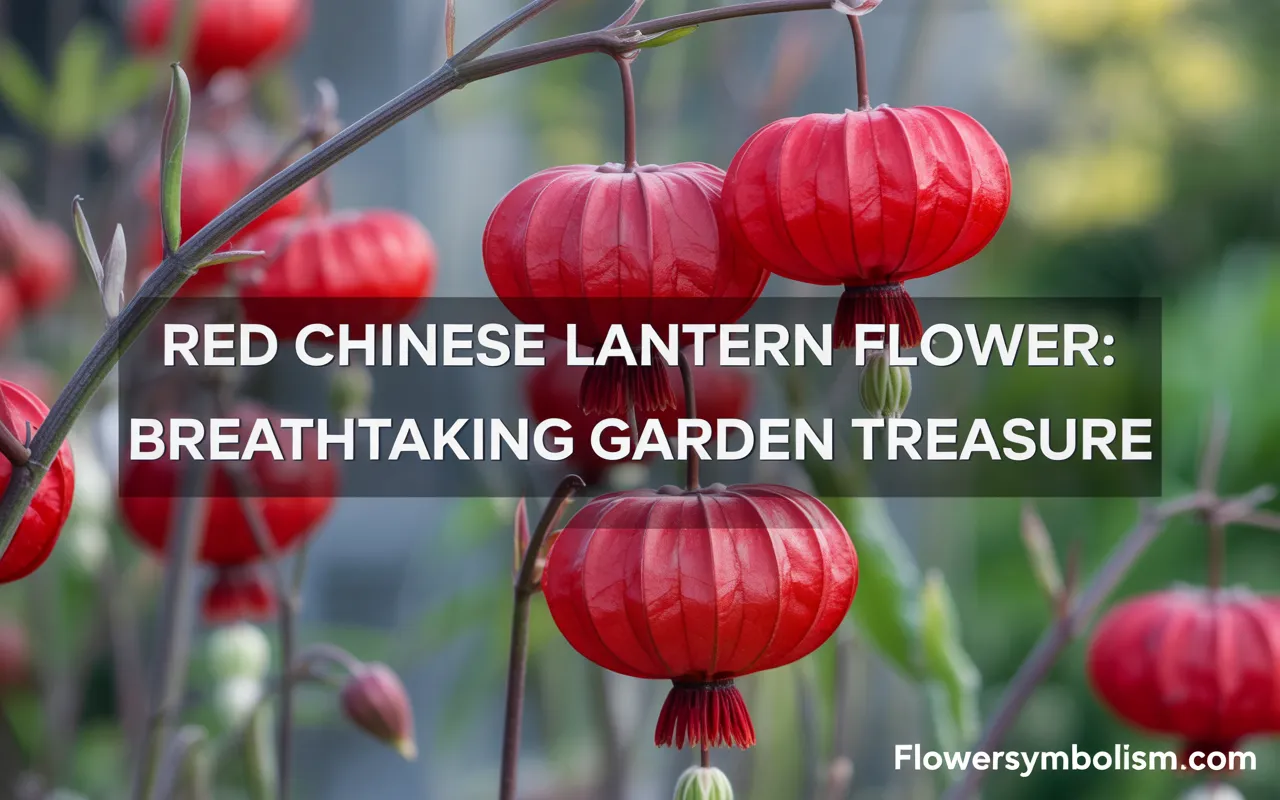
Imagine stepping into your garden on a crisp autumn afternoon. The summer blooms have faded, but in one corner, a vibrant splash of color catches your eye. Glowing against the fading green foliage are dozens of papery, heart-shaped pods in stunning shades of deep orange and crimson. This is the magic of the red Chinese lantern flower.
Known scientifically as Physalis alkekengi, this perennial is a showstopper that bridges the gap between the vibrancy of summer and the cozy tones of fall. For beginner gardeners and seasoned pros alike, this plant offers a unique aesthetic that few other species can match.
Whether you want to brighten up a shady border or create everlasting dried arrangements, the Chinese lantern is a versatile gem.
In this guide, we will explore everything you need to know about this botanical treasure. From its fascinating history and symbolism to practical growing tips and creative design ideas, you’ll see why the red Chinese lantern flower deserves a spot in your garden sanctuary.
Unveiling the Mystery: What is the Red Chinese Lantern Flower?
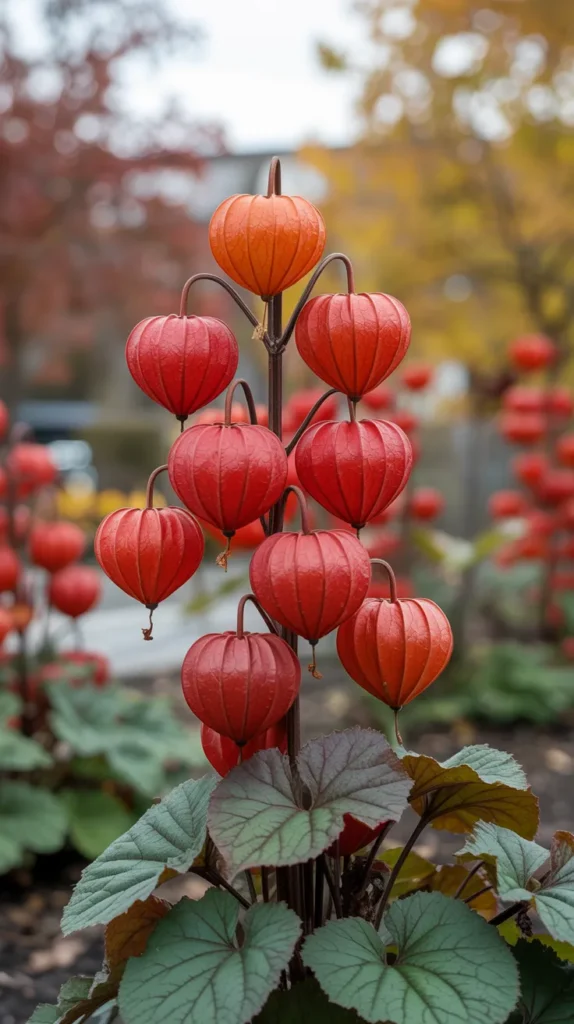
The red Chinese lantern flower is distinctive for its fruit—or rather, the calyx that surrounds the fruit. While the plant produces small, white, starry flowers in the summer, the real show begins afterward. The calyx expands and changes color, forming a papery husk that resembles a traditional paper lantern.
Inside this protective shell sits a small, berry-like fruit. While related to the tomatillo and the Cape gooseberry, this specific ornamental variety is primarily grown for its looks rather than its taste (and caution is advised, as unripe parts can be toxic).
As the season progresses, these lanterns transition from green to yellow, then to a brilliant pumpkin orange, and finally, as they mature and dry, they take on a deep, rich red hue. This transformation makes them a living calendar of the changing seasons.
Symbolism and Folklore
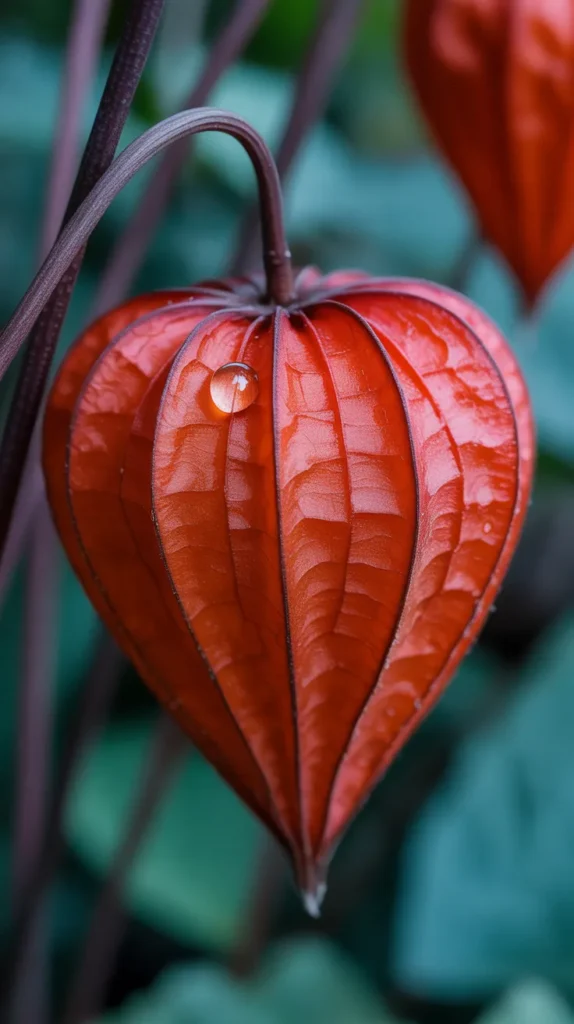
Gardening is often about storytelling, and the red Chinese lantern flower comes with a rich narrative. In various cultures, the lantern shape symbolizes protection. Just as the husk protects the seed inside, planting these in your garden is often thought to ward off bad spirits and bring safety to the home.
The vibrant red color is also strongly associated with joy, vitality, and good fortune in Eastern symbolism. Having these “lanterns” glowing in your yard during the darker months of the year serves as a beautiful reminder of inner light and resilience.
How to Grow Your Own Garden Treasure
Despite their exotic appearance, these plants are surprisingly hardy and easy to grow. They thrive in zones 3 through 9, making them suitable for a wide range of climates.
Choosing the Perfect Spot
Chinese lanterns aren’t too fussy. They love full sun but will happily tolerate partial shade. In fact, in hotter climates, a bit of afternoon shade prevents the leaves from scorching. They prefer well-draining soil that stays consistently moist but not waterlogged.
Before planting, it is wise to prepare your garden bed. Mixing in a quality fertilizer can give your plants a strong start. {Dr. Earth Organic All Purpose Fertilizer} is a fantastic choice because it feeds the soil microbiome, ensuring your lanterns get steady nutrients throughout the growing season without the risk of chemical burn.
The “Spreading” Issue: A Word of Caution
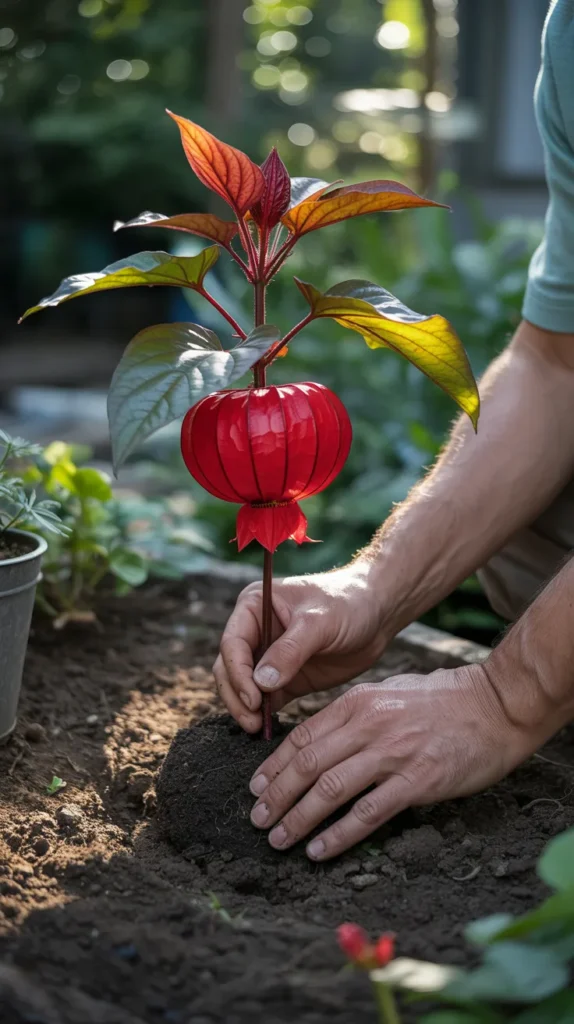
There is one crucial thing every gardener must know: the red Chinese lantern flower is an aggressive spreader. It spreads via underground runners (rhizomes) and can quickly take over a garden bed if left unchecked.
Don’t let this scare you off! You just need to be smart about containment. Many gardeners choose to plant them in containers or sunken pots to restrict the roots. If you want them in the ground, installing a {DeepRoot Tree Root Barrier} around the planting area acts as an underground wall, keeping those wandering rhizomes exactly where you want them.
Care and Maintenance Tips
Once established, these plants are relatively low maintenance. Here is a quick cheat sheet to keep them happy:
- Watering: Keep the soil moist. If you see the leaves wilting, they are thirsty.
- Support: The stems can get top-heavy when laden with lanterns. You might need to stake them lightly.
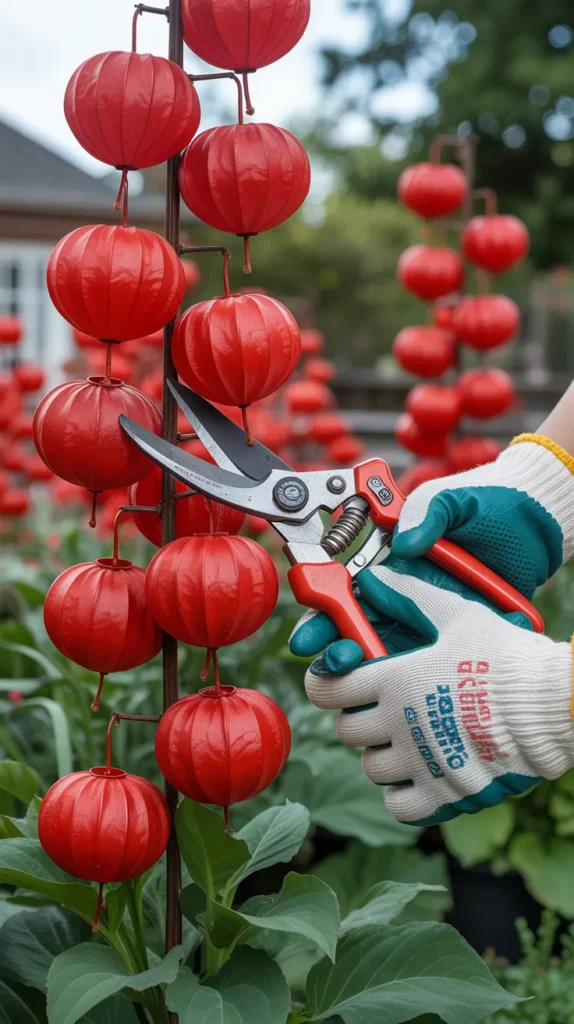
- Pruning: Cut the stems back to the ground in late winter or early spring to encourage fresh, vigorous growth for the new season.
When working with these plants, especially during cleanup, it helps to have the right tools. A sharp pair of {Fiskars Micro-Tip Pruning Snips} allows you to make precise cuts without crushing the delicate stems, which is essential when you are harvesting the lanterns for decoration.
Harvesting and Drying for Everlasting Beauty
One of the biggest benefits of the red Chinese lantern flower is its afterlife. These flowers dry beautifully, retaining their shape and color for years.
The Drying Process
- Timing: Harvest the stems when the lanterns have turned a uniform deep orange or red.
- Cut: Cut the stems long, removing the leaves (which crinkle and turn brown) but leaving the lanterns attached.
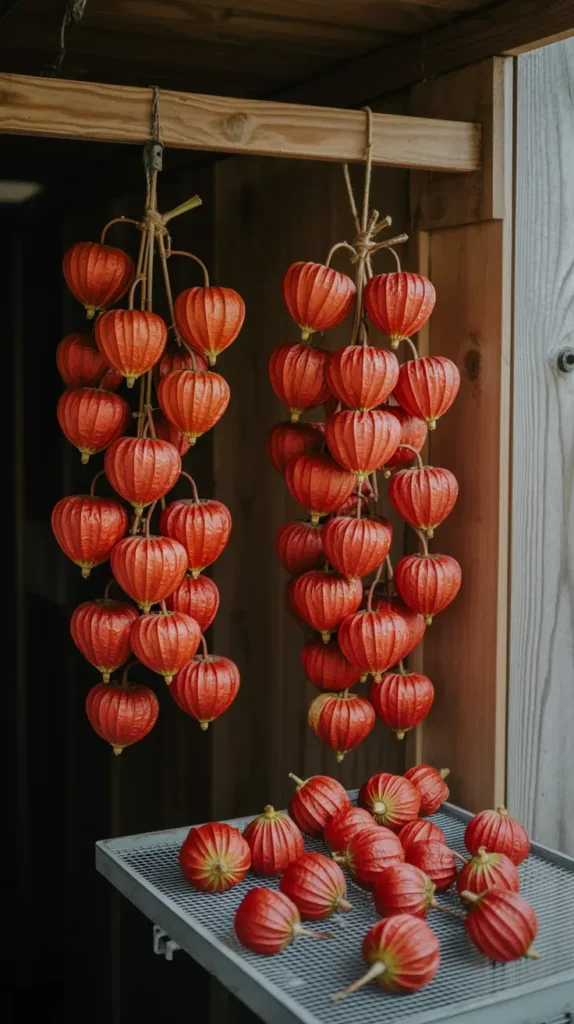
- Hang: Bundle the stems together and hang them upside down in a dark, dry, and airy place. Darkness helps preserve that vibrant red color.
A {Herb Drying Rack} is incredibly useful here. The mesh tiers provide excellent airflow, which prevents mold and ensures the lanterns dry evenly and retain their puffy shape.
Creative Ways to Use Them in Garden Design
You don’t just have to hide these beauties in the back corner. Here are some creative ways to feature the red Chinese lantern flower in your landscape.
The Autumn Border
Plant them alongside late-blooming asters and sedum. The purple of the asters contrasts magnificently with the red-orange of the lanterns, creating a vibration of color that screams “fall.”
Container Gardens
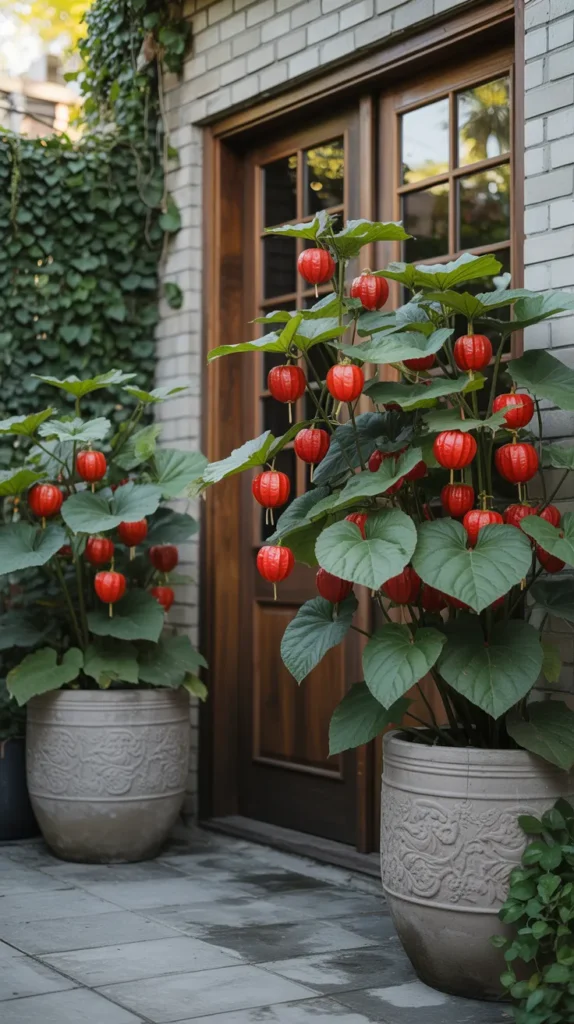
Because of their invasive nature, growing them in pots is a win-win. Use a beautiful, heavy pot like the {La Jolie Muse Ceramic Planter}. The weight prevents the tall plants from tipping over in the wind, and the ceramic aesthetic elevates the rustic look of the lanterns. Place these pots on your patio steps or flank your front door for a welcoming autumn entrance.
Bringing the Treasure Indoors
Once you have harvested and dried your lanterns, the decor possibilities are endless.
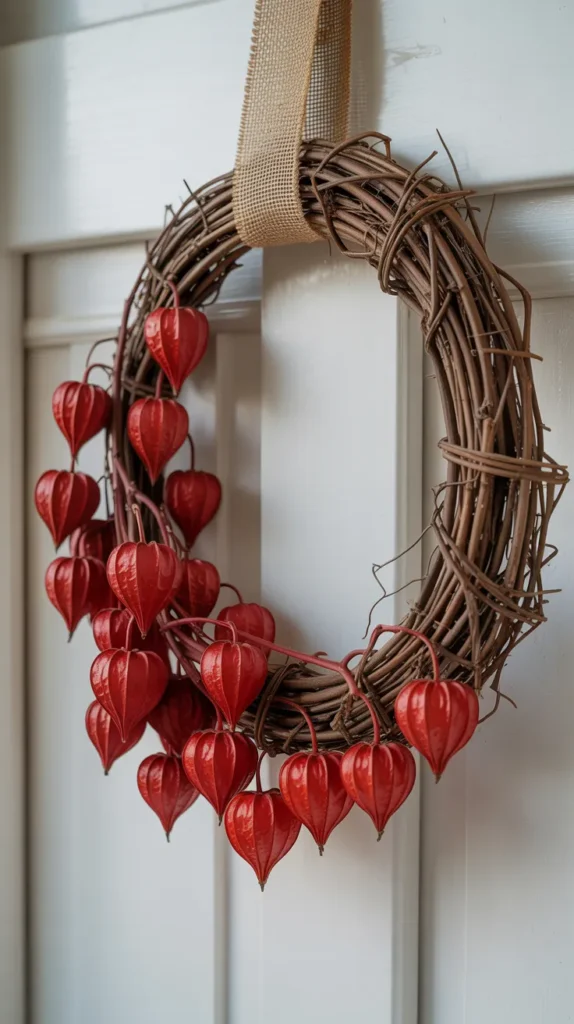
- Wreaths: Use {Floral Wire} to attach dried lantern stems to a grapevine wreath base. It makes a stunning, organic statement piece for your front door or above a fireplace.
- Vase Arrangements: Simply placing a few tall dried stems in a minimalist vase adds instant warmth to a room.
- String Lights: Gently insert small fairy lights into the pods (ensure they are LED and don’t heat up) for a magical, glowing garland.
Conclusion
The red Chinese lantern flower is more than just a plant; it is a seasonal event. Its transformation from a simple green bloom to a glowing red beacon offers a visual treat that extends well beyond the typical gardening season. While it demands a little respect regarding its spreading habits, the reward of harvesting those breathtaking lanterns is well worth the effort.
Whether you are looking to add a pop of color to a fading autumn landscape or want to craft your own everlasting decor, this garden treasure is sure to spark joy. So, grab your gardening gloves and get ready to light up your garden with nature’s own lanterns!
Recommended Products Summary
| Product Name | How It Helps |
|---|---|
| {Dr. Earth Organic All Purpose Fertilizer} | Provides essential organic nutrients for healthy growth without chemical burn. |
| {DeepRoot Tree Root Barrier} | Prevents the invasive rhizomes from spreading and taking over your garden bed. |
| {Fiskars Micro-Tip Pruning Snips} | Allows for precise, clean cuts when harvesting delicate stems. |
| {Herb Drying Rack} | Ensures proper airflow for drying lanterns to prevent mold and preserve color. |
| {La Jolie Muse Ceramic Planter} | A stylish and heavy container perfect for controlling the plant’s spread on patios. |
| {Floral Wire} | Essential for crafting dried lanterns into wreaths and arrangements. |
